★ Win a pair of Brandecosse Capriolo boots worth £219! Click here to enter ★


Does Rothbury Estate need saving from Sir David?
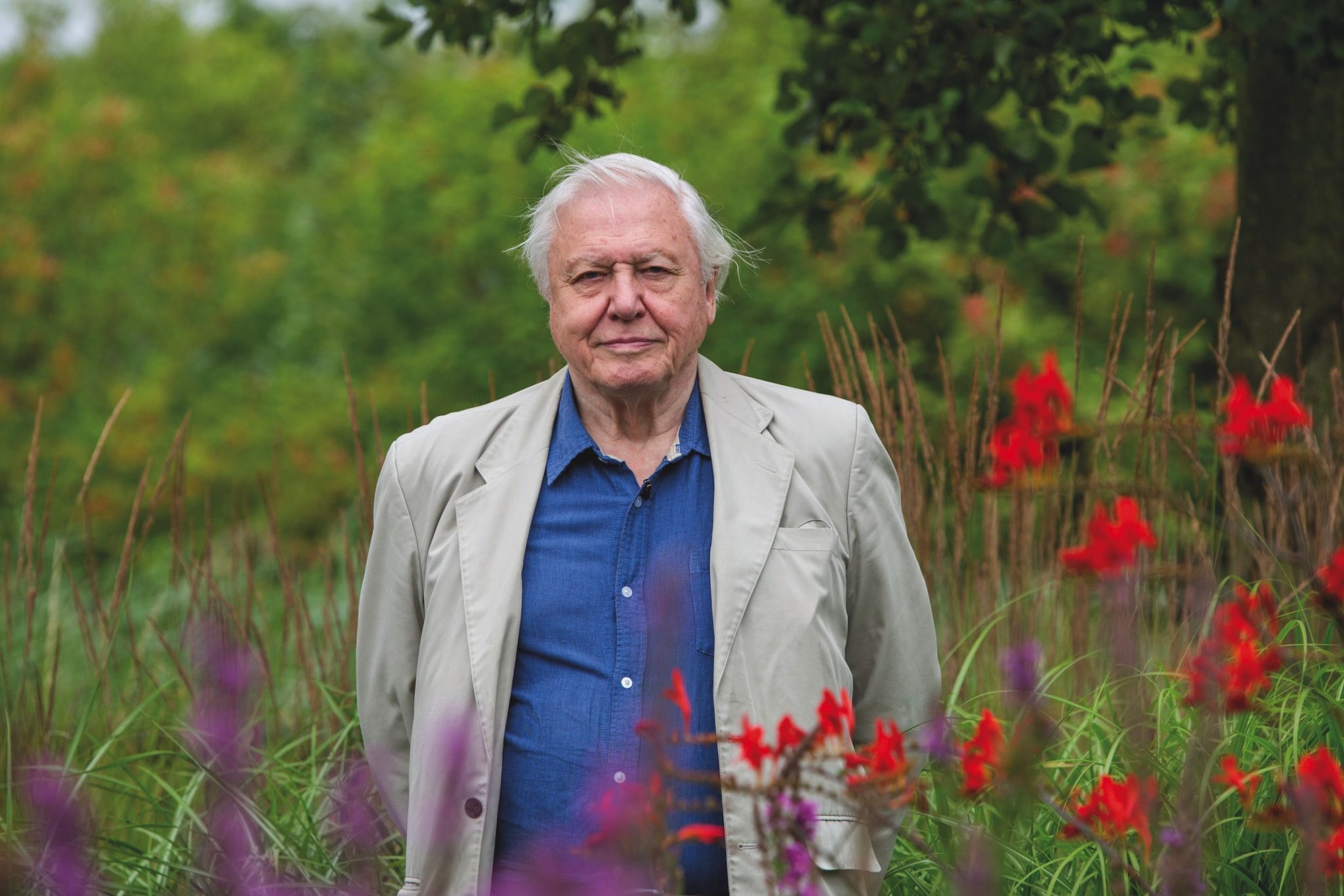
Sir David Attenborough has backed a charity appeal to purchase an estate famed for its shooting, but critics wonder who will benefit.
 Credit: Helen Atkinson

A historic estate under the spotlight
Sir David Attenborough has urged the public to help raise £20 million for the Wildlife Trusts to complete their purchase of a historic estate “the size of Athens” by autumn 2026.
The broadcaster is backing the campaign to secure and “save” the 9,500-acre Rothbury Estate, which has been in the Duke of Northumberland’s family for 700 years. The estate was once famed for its grouse shooting, driven pheasant days and salmon fishing on the Coquet, though shooting ceased around 2022 under the previous ownership.
The estate came on the market in July 2023 for £35 million. The Wildlife Trusts purchased parts of it in October 2024 and were given two years to raise the remaining funds or risk it being broken up. More than £9 million has been raised so far.
However, the appeal has sparked sharp criticism from those questioning what exactly the estate needs “saving” from – and what the trust’s plans might mean for farming, wildlife and local employment.
.
Concerns from rural voices
Adam Day, managing director of The Farmer Network, questioned the premise of the appeal, noting that the estate’s 12 tenanted farms currently produce food and have participated in the environmental schemes available since the late 1980s.
While the Wildlife Trusts warn that failure to raise the funds could result in the estate being divided for commercial forestry, their own plans include reintroducing bison, ponies and hardy cattle, restoring bogs and promoting “nature-friendly farming” – a combination Mr Day calls into scrutiny.
He said: “Conservation grazing where you have 20 native breed cattle roaming over 2,000 acres is not farming. It is generally a highly subsidised environmental scheme designed almost exclusively for nature, not food production. These schemes will not feed us in future.”
The Wildlife Trusts say that existing tenancies will continue to be commercially grazed, though how this aligns with their conservation grazing vision remains to be seen.
.
Impact on shooting and employment
Craig Bennett, chief executive of the Wildlife Trusts, confirmed last November that shooting “would not be appropriate” following the purchase and would not restart under their ownership. The trusts say they plan to restore the upland areas to a more natural state with wetter moorland and peat bog recovery.
Lindsay Waddell, former chairman of the National Gamekeepers’ Organisation, fears the Wildlife Trusts’ decision not to restart shooting means the permanent loss of “the essential predator control that helps sustain ground nesting bird populations”, a key gamekeeping responsibility.
“Traditional farming may also not be secure as livestock are seen in some cases to be detrimental to the overall environment – despite huge areas of the countryside being designated as SSSIs because of grazing and traditional farming practices,” said Mr Waddell.
The retired keeper questioned the Wildlife Trusts’ credentials: “[They] do not have a great track record in managing the landscape; they simply do not have the resources or the expertise, and it takes both to do the job well.”
The Wildlife Trusts say they manage almost 100,000 hectares of land including more than two dozen working farms, and that no jobs have been lost under their ownership of Rothbury with more positions expected to be created.
.
Cultural and conservation debate
Writing in The Telegraph, Clive Aslet, former Country Life editor, challenged the campaign under the headline “We must save the grouse moors from the menace of David Attenborough”.
He argued that the estate risked “a dismal bureaucratic fate”, arguing that managing it as a grouse moor would see it “teem with birdlife, much of it endangered” because keepers control predators. He warned the campaign would result in “one less grouse habitat” should Sir David’s vision prevail.
.
.
Editor’s note
The Wildlife Trusts have provided the following response to Shooting Times:
Dear Sirs
We welcome scrutiny from the rural community about our plans for Northumberland’s Rothbury Estate (Does Rothbury need saving from Sir David?). Our country faces the twin challenges of climate change and nature loss and we need a national conversation about what comes next.
The Wildlife Trusts’ vision for the estate builds on our experience of working across the 25 or so farms that we own and the 2,600 nature reserves that we manage across the UK, as well as the custodianship of the previous owners and tenant farmers on the estate itself.
The upland areas of the Rothbury Estate do include an ex-grouse moor but it’s worth noting that shooting had ceased under the previous ownership. So, no one is losing their job as a result of our purchase of the estate – on the contrary, estate employees are being retained to manage the livestock and we envisage more jobs being created.
Existing tenancies will continue to be unaffected by the sale and land will remain commercially grazed by the tenant farmers. On the land we manage directly, we’ll graze our own sheep and cattle and, over time, there will be more diversification of livestock.
We aim to pioneer an integrated approach to farming, recreation, community, education, tourism and nature, so that nature can become the foundation for a modern, prosperous, regenerative economy, creating good quality jobs and investment that will provide long term benefit for rural and urban communities alike. We want to build on the good work of the community that lives in and around Rothbury.
Hundreds of people have supported us – and continue to support us – in our mission to buy the estate. They’ve donated anything from £5 to £5million and they’ve sent us some wonderful and uplifting messages: They’ve donated in memory of loved ones and also to celebrate family connections with the area; they’ve also donated because they love wildlife and want to see our natural world restored. People really care about the land above Rothbury and the Simonside Hills – they want to see it protected for the future.
Yours sincerely
Dr Rob Stoneman
Director of landscape recovery at The Wildlife Trusts
Do you have a news story to share?
Contact our group news editor Hollis Butler at hollis.butler@twsgroup.com. We aim to respond to all genuine news tips and respect source confidentiality.
Stay in the loop with the latest fieldsports news
Don’t miss a story – get shooting news straight to your inbox or phone. Join our newsletter and WhatsApp channel.
Related Articles
Clamping down on illegal hare coursing – what new sentencing guidelines mean for rural communities
Updated sentencing guidance recognises the wider criminality and intimidation often associated with hare coursing, says Glynn Evans
By BASC
Thermal drone deployed to protect curlew chicks
A Cumbria conservation group is using a thermal drone to locate curlew nests and chicks before fields are cut, helping farmers protect one of Britain's fastest-declining wading birds.
By Hollis Butler
Get the latest news delivered direct to your door
Subscribe to Shooting Times & Country
Discover the ultimate companion for fieldsports enthusiasts with Shooting Times & Country Magazine, the UK’s leading weekly publication that has been at the forefront of shooting culture since 1882. Subscribers gain access to expert tips, comprehensive gear reviews, seasonal advice and a vibrant community of like-minded shooters.
Save on shop price when you subscribe with weekly issues featuring in-depth articles on gundog training, exclusive member offers and access to the digital back issue library. A Shooting Times & Country subscription is more than a magazine, don’t just read about the countryside; immerse yourself in its most authoritative and engaging publication.