★ Win a pair of Brandecosse Capriolo boots worth £219! Click here to enter ★




UK firearms licensing: safe but structurally broken
UK firearms licensing is safe but structurally broken, marred by inconsistency, delays and regional variations, says Martin Parker
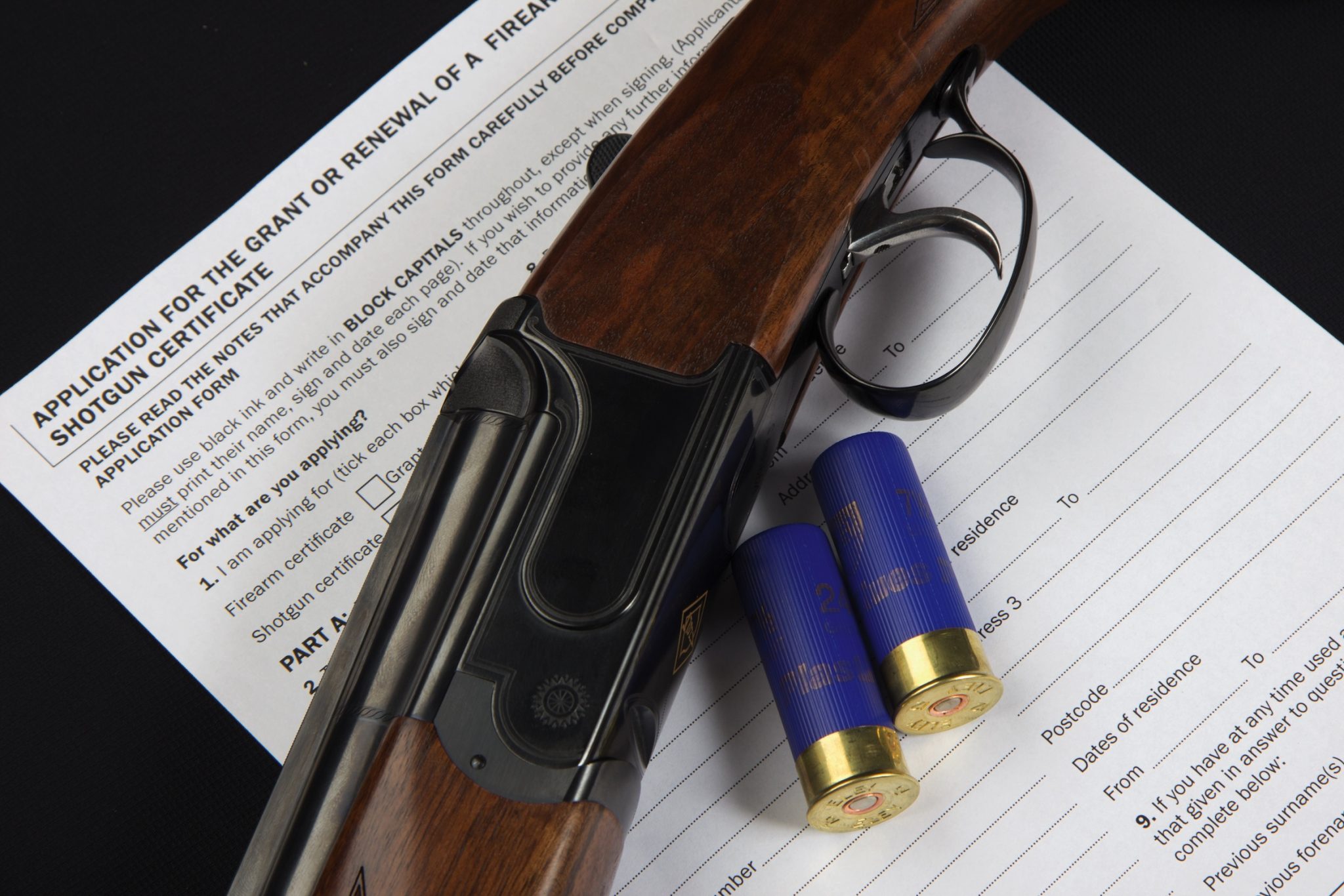

Comment with BASC’s Martin Parker
Martin Parker, head of BASC’s firearms team and former chief scientist at the National Ballistics Intelligence Service, argues the UK’s licensing system remains safe — but structurally broken.
Contact: martin.parker@basc.org.uk
Why transparency matters
At this year’s National Gamekeepers’ Organisation conference, Martin Parker opened with a point that shouldn’t need saying: he still relies on Freedom of Information requests just to access basic licensing data. If staffing levels and budgets aren’t transparent, it becomes impossible to have an honest conversation about performance.
What is working
Despite the problems, the UK firearms licensing system continues to deliver extremely high levels of public safety. It is doing the job it was designed for: ensuring firearms are held only by responsible and vetted individuals.
The failures lie elsewhere — in consistency, timeliness and structure.
Stark regional differences
Across England and Wales, forces apply wildly different standards. Some process certificates for as little as £126, while others reach £350 for the same statutory service. If petrol prices varied that much between forecourts, there would be national uproar.
The variation runs much deeper than cost. Interpretation of guidance, conditions placed on certificates and approaches to revocations vary so dramatically that a certificate holder’s experience depends more on postcode than policy.
Many conditions are contradictory and even confuse licensing staff. In Parker’s view, most certificate holders need only one clear line:
“The firearms and ammunition on this certificate are used for any lawful purpose.”
Everything else risks confusion.
Delays that damage shooting
Some forces take over a year to handle renewals. One grant application sat unresolved for four years — a delay Parker calls indefensible.
These delays have real consequences. Stalkers cannot book outings. Clubs lose members. Pest controllers lack essential tools. And the gun trade feels the impact too, with around 200 registered firearms dealers lost in two quarters.
Cost doesn’t equal performance
One of the most revealing findings in Parker’s 2025 report was simple: high fees don’t guarantee good performance. Some of the most expensive forces work well; others perform badly. Money alone won’t fix the problem.
A system safe yet unsustainable
Parker believes the system is fundamentally safe but structurally unsustainable. It has become a postcode lottery, and no amount of local tinkering can fix a model fragmented by design.
He proposes three key reforms.
1. A national licensing structure
Scotland’s model shows what can be achieved. When Scotland moved from eight regional units to a single central system under Police Scotland, consistency improved without losing local knowledge.
(See also: Firearms Licensing – Police Scotland on the Police Scotland website.)
2. Nationally enforced standards
Guidance must become mandatory, not optional. Clear external oversight with real authority is essential to deliver consistency.
3. Remove Chief Constable Autonomy
Firearms licensing is a specialist national process, not one suited to regional interpretation.
We don’t apply for passports based on local policy. Driving licences don’t vary by county. Firearms licensing should follow the same principle.
Why reform is urgent
The Home Office is preparing to consult on Section 1 and 2 convergence, which could increase pressure on an already strained system. Reform is no longer desirable — it is unavoidable.
Parker remains clear:
The system has protected public safety for generations, and certificate holders continue to demonstrate responsibility. But the structure will not endure indefinite strain.
A call to the shooting community
Parker urges shooters to keep pressing for fairness, consistency and modernisation. With the system safe but struggling, meaningful reform is the only way to ensure firearms licensing remains fit for purpose.
For more on licensing, visit ShootingUK’s Firearms & Licensing section or BASC’s official Firearms Department webpage.
Related Articles

Clamping down on illegal hare coursing – what new sentencing guidelines mean for rural communities
Updated sentencing guidance recognises the wider criminality and intimidation often associated with hare coursing, says Glynn Evans
By BASC

Thermal drone deployed to protect curlew chicks
A Cumbria conservation group is using a thermal drone to locate curlew nests and chicks before fields are cut, helping farmers protect one of Britain's fastest-declining wading birds.
By Hollis Butler
Get the latest news delivered direct to your door
Subscribe to Shooting Times & Country
Discover the ultimate companion for fieldsports enthusiasts with Shooting Times & Country Magazine, the UK’s leading weekly publication that has been at the forefront of shooting culture since 1882. Subscribers gain access to expert tips, comprehensive gear reviews, seasonal advice and a vibrant community of like-minded shooters.
Save on shop price when you subscribe with weekly issues featuring in-depth articles on gundog training, exclusive member offers and access to the digital back issue library. A Shooting Times & Country subscription is more than a magazine, don’t just read about the countryside; immerse yourself in its most authoritative and engaging publication.