★ Your magazine. Your say. Complete our reader survey with a chance to win Jack Pyke kit worth £500! ★


2025: a mixed year for shooting and the countryside
We review the biggest stories, political battles, legal changes and victories that shaped the shooting community during the past year
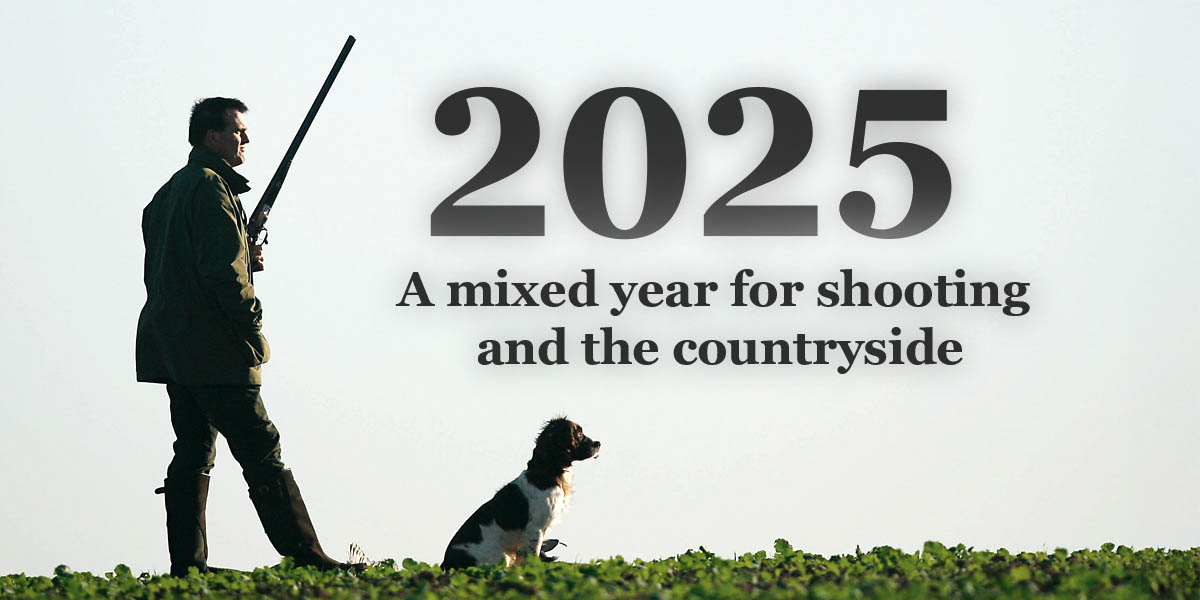

January: Licence fees hiked despite inefficiencies
The year began with confirmation that firearms licensing fees would soar from February, with shotgun certificate renewals rising by 157% to £126 and firearm certificate renewals jumping by 111% to £131. Initial grant fees increased proportionally, with shotgun grants rising from £79.50 to £194 and FAC grants from £88 to £198.
The Home Office justified the hikes by stating it sought full cost recovery for the licensing system. However, BASC chief executive Ian Bell said there was no guarantee as to how much of the increased revenue would go towards improvements, noting that the system suffered from serious delays.
Mr Bell’s warning proved prescient: performance data released in November by the National Police Chiefs’ Council revealed average turnaround times actually worsened this year for all but two forces, despite the fee increases.
.
February: Labour set its sights on shotgun owners
On 5 February the Government announced its intention to consult on applying stricter licensing controls to shotguns, proposing to treat them the same as Section 1 firearms. The move would require every shotgun owner to go through the same licensing process as rifle owners, fundamentally changing how half a million shotgun owners access shooting.
The Home Office stated: “Shotguns are no less lethal than other firearms and it is right to look at the differences in the controls, and whether it is sensible, in order to address the risks that shotguns and firearms present if misused, to consider greater alignment of the controls.”
However, BASC’s Christopher Graffius stressed that merging the controls “would make no difference to public safety, because the test for public safety is the same for both Sections”. The Gun Trade Association noted that crime involving legally held firearms is at historically low levels.
The ramifications would be substantial. Shotgun owners would need to justify each purchase to police beforehand, face land inspections and restrictive conditions on where and how firearms could be used, with no right of appeal against unjustified conditions. The current 72-hour lending rule would end, cartridge purchases would be restricted with compulsory security requirements, and the minimum age for using shotguns would rise.
“However much ministers deny it, many people will see this as part of a wider anti-rural agenda,” said Tim Bonner, chief executive of the Countryside Alliance.
.
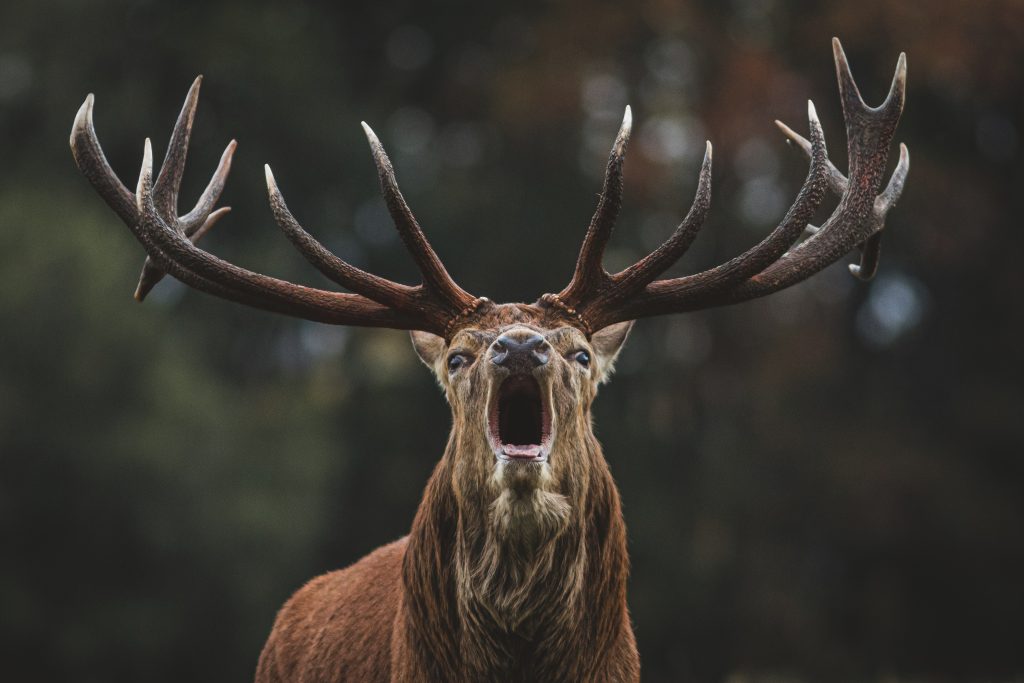
March: Deerstalkers in Scotland may face mandatory training
Spring began with deer stalkers and rural organisations raising concerns about the Natural Environment (Scotland) Bill after its introduction in Holyrood on 19 February. The bill, whose progress through parliament is still ongoing, aims to improve biodiversity and regenerate the natural environment, with one of its four main parts focusing on wild deer management.
In its current format it would give NatureScot enhanced powers to intervene in deer management if deer are perceived as barriers to nature restoration. But BASC, Scottish Land & Estates and others called for transparency about when and why intervention would occur.
Another provision would make training mandatory for all deer stalkers in Scotland, a change that BASC reckons could halve stalker numbers.
Professional stalker Chris Dalton pointed out: “We have a devolved government demanding a large reduction in the overall deer population in Scotland, while hampering our ability to deliver it.” As of December, amendments aimed at addressing these concerns had been rejected. The bill will enter its final parliamentary stage in early 2026, and rural organisations have pledged to continue fighting for changes.
.
April: Shoot managers left in limbo
April was a month of confusion for many shoots following confirmation from Defra at the end of March that General Licence 45 would not be renewed due to the risks of bird flu contagion.
Shoots planning to release gamebirds on or near Special Protection Areas were told they would have to apply to Natural England for an individual licence – but initially lacked the required level of detail from Defra to do so effectively. The situation was only made worse when Natural England made clear many shoots were almost sure to have their licences denied.
Pressure mounted from keepers and land managers across the country. The dispute escalated through the summer, before BASC formally lodged a High Court judicial review claim, arguing Natural England’s approach was discriminatory and that the licensing system was fundamentally flawed.
The shooting community continues to await the outcome of the judicial review, with the case potentially reshaping how shooting operates near protected sites.
.
May: Trump’s tariffs hit the gun trade
By the start of May, US President Donald Trump’s sweeping tariffs had sent shockwaves through the UK firearms industry, with trade leaders warning the measures would destabilise already fragile international markets. “I have written directly to the Secretary of State to express our industry’s concern about the imposition of a 10% tariff on British exports to the United States,” said Stephen Jolly, chief executive of the Gun Trade Association.
Paul Bradley of Hexagon, which is part of Beretta Holdings, said the industry was already seeing ammunition deals cancelled due to the American tariffs, warning that UK consumers might face tightening availability in the near term.
.
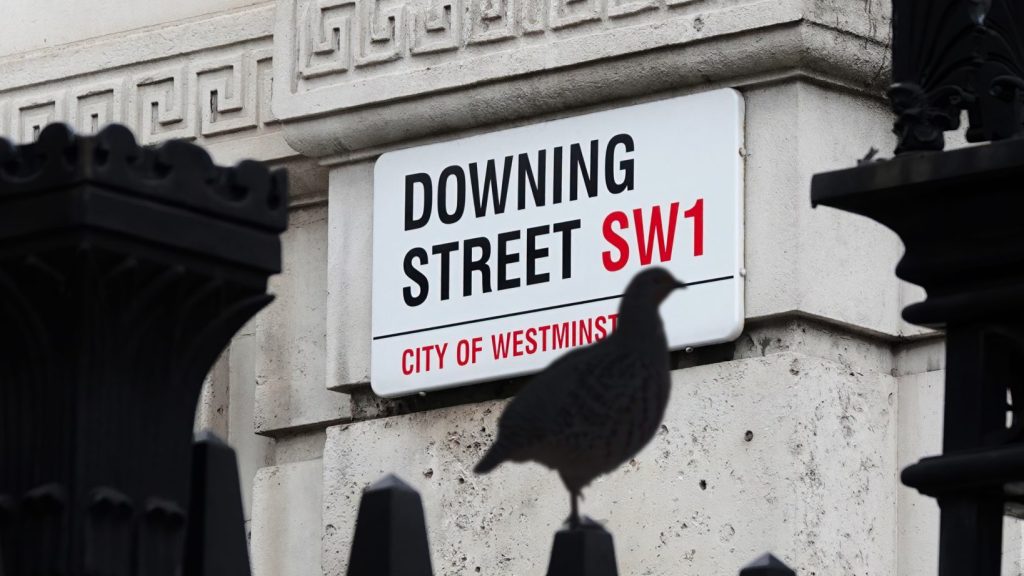
June: MPs shut down driven grouse shooting debate
A petition to ban driven grouse shooting faced virtually unanimous opposition on 30 June, with all but one MP speaking in defence of the practice during a Westminster Hall debate.
The petition claimed driven grouse shooting was “bad for people, the environment and wildlife” and “economically insignificant”. But MPs from across the political spectrum argued the point, citing the £32m that grouse shooting contributes to Scotland’s economy, as well as 3,000 full-time jobs.
Rishi Sunak MP warned that those seeking a ban think that only rich men in plus fours would suffer, whereas the real impact would fall on ordinary working people.The Government confirmed during the debate that it has no plans to ban grouse shooting.
.
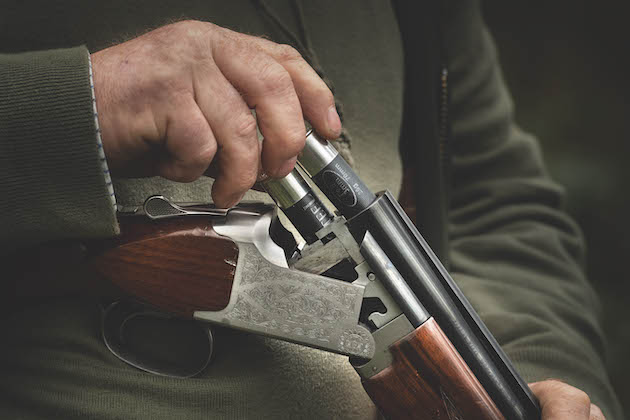
July: Lead ban timeline revealed
The Government revealed its lead ban timeline on 10 July, announcing that shot containing more than 1% lead will be banned, alongside bullets with lead exceeding 3%. Legislation is due to be introduced by summer 2026, with a three-year transition period ending in 2029.
Exemptions will remain for military use, elite athletes and outdoor target-shooting ranges. Small-calibre bullets for live quarry and airguns will also be excluded.
While the announcement received a mixed reception from the shooting community, the GWCT highlighted Denmark’s success story, where game management has thrived for three decades despite a complete lead ammunition ban.
..
August: More stringent firearms licensing rules come into force
New firearms licensing rules came into force across England, Wales and Scotland on 5 August, requiring shotgun certificate applicants to provide two referees instead of one and disclose all convictions except parking violations.
Police must now also speak to partners and household members of firearms applicants to identify signs of domestic abuse, a change the Home Office said was in direct response to concerns raised by the coroner after the Plymouth shootings in August 2021.
Critics argued the reforms failed to tackle antiquated police licensing systems, and suggested a more effective change would be to mandate that medical records flag when a patient holds a certificate, enabling doctors to alert police if concerns arise..
.
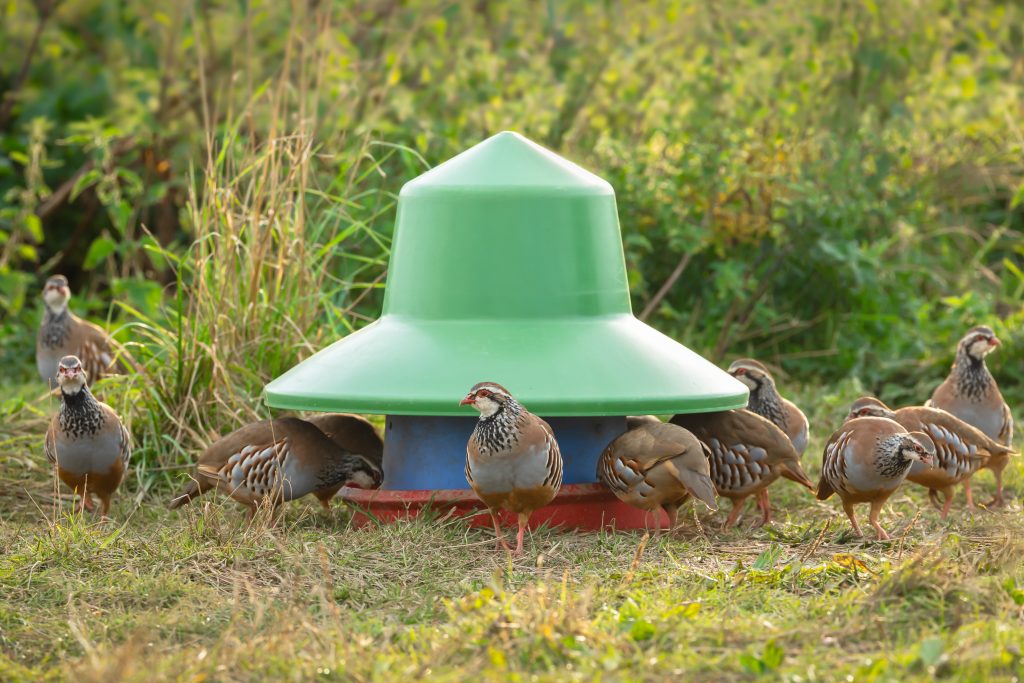
September: Partridge counts boom despite extreme heat
The partridge season opened on 1 September with optimism despite the hottest summer on record. Water availability dominated preparations, forcing many estates to adapt their supply completely.
Game cover suffered in some areas due to drought, while a mast year for fruit meant extra dogging in was required to keep birds within boundaries. The dedication of the gamekeeping community was evident in the results, with months of intensive work helping to sustain wildlife and ensuring the 2025-26 season started strongly.
.
October: Scottish land managers combat muirburn ban
Land managers in Scotland won a reprieve against muirburn licensing, with the Scottish Government postponing restrictions until autumn 2026 following the country’s worst ever wildfire.
Agriculture Minister Jim Fairlie announced the delay on 9 October, acknowledging that the new rules, introduced under the Wildlife Management and Muirburn (Scotland) Act, must not “adversely affect our ability to prevent and respond to wildfires”. Flames in the devastating Carrbridge and Dava fires in June and July reached 20m lengths and engulfed almost 30,000 acres.
The reprieve stood in stark contrast to developments in England, where Defra extended a ban on controlled burning on deep peat. Announced on 9 September and effective from the end of that month, the ban extended coverage from 222,000ha to 676,628ha, redefining deep peat from 40cm to 30cm depth.
Alex Farrell, BASC head of uplands, said: “Recent reports have pointed to 2025 being the worst ever year for wildfires in the UK – with the total set to eclipse 1,000. The irony is, as regulation tightens, the risk of large-scale wildfires increases.”
.
November: Support Our Sport UK unites the shooting community
As the public consultation on merging the shotgun and firearms licensing processes loomed, shooters mobilised by setting up a campaign group called Support Our Sport UK on Facebook.
In a matter of weeks, the group grew to over 4,000 members and still continues to expand. It has become a repository of tactics, email templates and success stories of writing to MPs. “People are coming out with so many ideas,” said founder Claire Bagehot, a performance coach.
Her Facebook group has attracted shooters from a variety of disciplines – rifle shooters, pistol shooters and even people who do not own guns but work in the industry. “If we’re not all together, they’re going to pick apart the whole lot because it’s easier to pick on smaller groups and dismantle them,” she said.
The consultation is expected to commence in January. Ms Bagehot’s call to action is straightforward: don’t assume people know what’s happening, don’t assume they know what to do, and don’t give up after one attempt of writing to your MP.
.
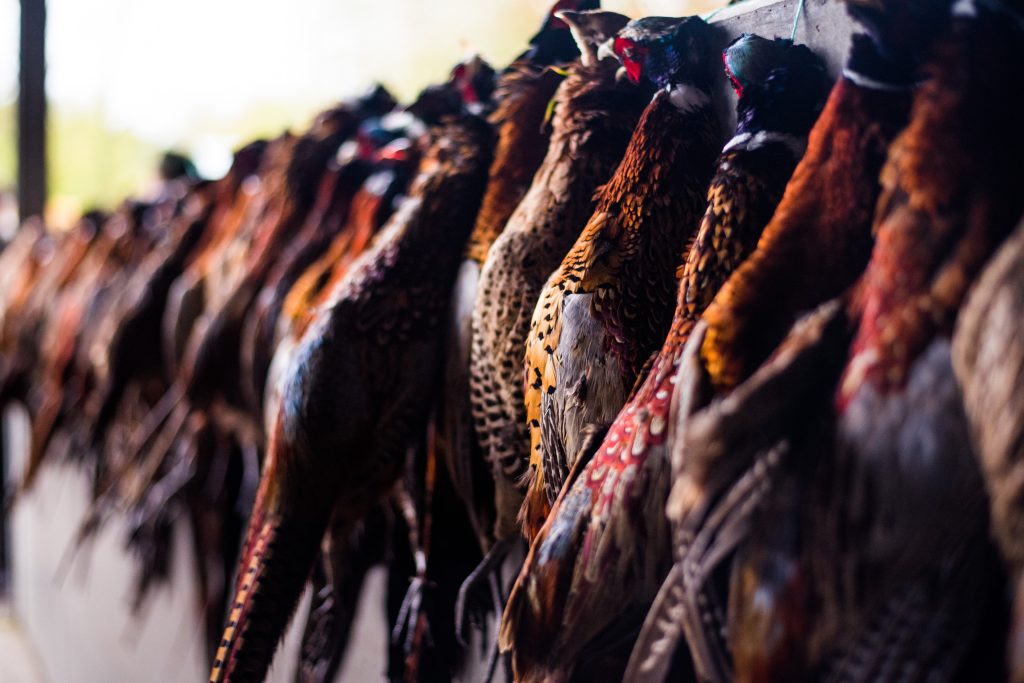
December: Shoots help tackle food poverty
The whirlwind year of 2025 comes to an end with some positive news. A scheme that has been organised by The Country Food Trust is putting thousands of gamebirds onto the plates of families facing food poverty this season.
The scheme was set up after chief executive SJ Hunt received calls from shoots seeking alternative outlets as the commercial market for gamebirds contracted. Many dealers have retired or found collection commercially unviable, while some have charged shoots for collection rather than paying for birds.
Against this backdrop, The Country Food Trust’s intervention offers not only a solution to the market dilemma but also a means to address food insecurity affecting 14.5 million people in the UK. After securing donations to purchase trailers and station them on estates in Essex, Northamptonshire and Scotland, the trust has been processing birds into curries and casseroles for free distribution.
The reception has been remarkable. Ms Hunt described taking partridge curry to a deprived area of Portsmouth, where food bank users who had never seen a partridge were soon asking for more. “Everyone loved it,” she said.
While some shoots have donated generously to help cover processing costs, Ms Hunt reports that the trust is covering the lion’s share. She is now working with the National Gamekeepers’ Organisation and Game Farmers’ Association to develop a cost-recovery model for next season to enable more hubs to open, with even modest shoot donations of £100 capable of making a difference.
Do you have a news story to share?
Contact our group news editor Hollis Butler at hollis.butler@twsgroup.com. We aim to respond to all genuine news tips and respect source confidentiality.
Stay in the loop with the latest fieldsports news
Don’t miss a story – get shooting news straight to your inbox or phone. Join our newsletter and WhatsApp channel.

About the author
Hollis Butler
Hollis was group news editor across the Time Well Spent Group titles, writing and editing news for the whole portfolio.
Related Articles

BASC rejects minister’s ‘far-right’ countryside comments
BASC has invited rural minister Jenny Riddell-Carpenter to a day in the field after she called a countryside of warm ale and black Labradors a ‘far-right nostalgic vision’
By News Desk | 1 October 2026

Tindall, Haskell and Payne to host British Shooting Show main stage
The trio behind The Good, The Bad and The Rugby take the main stage on the afternoon of Friday 12 February 2027 and host the Great British Shooting Awards, the trade ceremony that last year crowned a ...
By News Desk | 29 September 2026
Get the latest news delivered direct to your door
Subscribe to Shooting Times & Country
Discover the ultimate companion for fieldsports enthusiasts with Shooting Times & Country Magazine, the UK’s leading weekly publication that has been at the forefront of shooting culture since 1882. Subscribers gain access to expert tips, comprehensive gear reviews, seasonal advice and a vibrant community of like-minded shooters.
Save on shop price when you subscribe with weekly issues featuring in-depth articles on gundog training, exclusive member offers and access to the digital back issue library. A Shooting Times & Country subscription is more than a magazine, don’t just read about the countryside; immerse yourself in its most authoritative and engaging publication.