★ Win a pair of Brandecosse Capriolo boots worth £219! Click here to enter ★



Wapiti Elk venison funds conservation
How New Zealand’s wapiti elk venison supports conservation, hunting and sustainable food supply, with lessons for UK deer management.


In 1905, just 18 elk were introduced to Fiordland on New Zealand’s South Island. These animals came from North America. They are known locally as wapiti, meaning “white rump”. The name describes their pale rump and tail.
The introduction proved successful. Today, the population is known as Fiordland wapiti. For many years, they were classed as a pest species. Several government plans aimed to eradicate them from the national park.
However, local hunters took a different view. Roy Sloan and others believed wapiti played a vital ecological role. If removed, smaller and more aggressive red deer would replace them. That change could cause greater damage to native flora.
Foundation and forward thinking
In 1993, Roy Sloan helped establish the Fiordland Wapiti Foundation. Its aim was to change perceptions and influence legislation. The goal was sustainable herd management. Conservation and quality hunting were placed side by side.
Earlier this year, Roy Sloan was awarded Membership of the New Zealand Order of Merit. The honour recognised his outstanding national service.
Roy explains the current approach clearly. Over 1,000 wapiti are culled each year. Most are taken through helicopter-based shooting. In addition, hunting permits are issued to the public.
Ethical hunting and lead-free policy
Hunters affiliated with the foundation do not use lead ammunition. This decision was made for environmental reasons. While controversial, it has built trust and opened new partnerships.
As a result, wapiti venison now enters the food chain responsibly. Several food companies are involved in the process.
This model funds local conservation work. It also protects iconic species such as kiwi, kea and whio through predator control.
Through With Wild, the public can buy wapiti venison directly. Products include meat boxes, mince, sausages and pies. These are labelled as free range and antibiotic free. They are also gluten and dairy free.
Wapiti venison is served on Air New Zealand international flights. It also features in many top restaurants nationwide.
Roy sums it up well. Fiordland wapiti is now the most sought-after venison in New Zealand. Taste matters, but so does the conservation story behind it.
Burgers that fund conservation
For several months each year, 62 Burger Fuel restaurants sell the Wild Heart burger. It uses 100% locally sourced wapiti venison. The burger was designed to challenge food consumption habits.
Around 30,000 burgers are sold annually. One dollar from each sale goes directly to the foundation. The funds support predator control in Fiordland National Park.
This field-to-fork success took decades to achieve. However, it does not need to remain unique.
Lessons for the UK
If BASC proposals for community-led deer management are adopted, similar schemes could emerge in Britain. Local chippies may one day sell sustainable venison burgers and kebabs.
That would benefit conservation, rural economies and public understanding of shooting.
Related Articles

Clamping down on illegal hare coursing – what new sentencing guidelines mean for rural communities
Updated sentencing guidance recognises the wider criminality and intimidation often associated with hare coursing, says Glynn Evans
By BASC
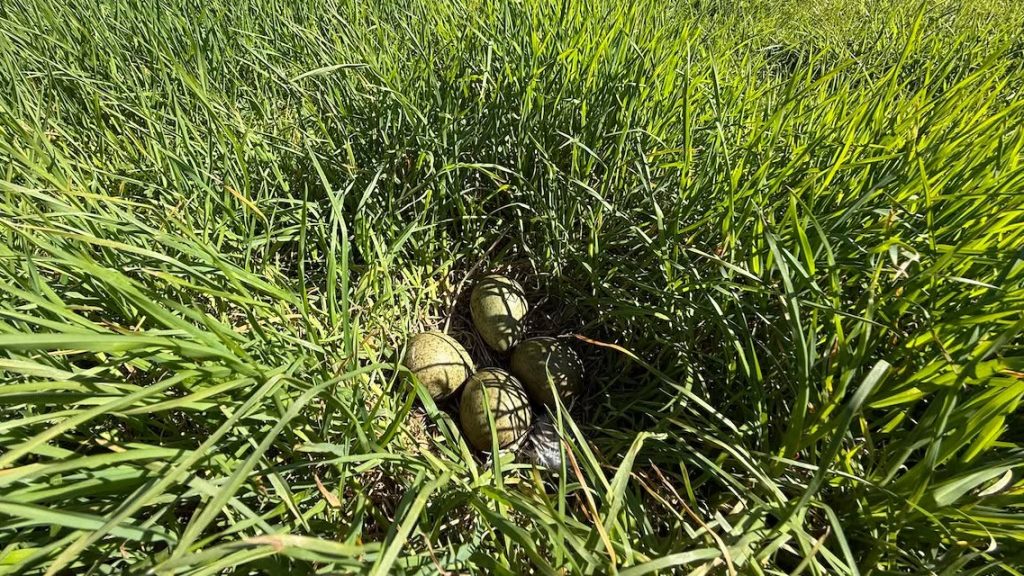
Thermal drone deployed to protect curlew chicks
A Cumbria conservation group is using a thermal drone to locate curlew nests and chicks before fields are cut, helping farmers protect one of Britain's fastest-declining wading birds.
By Hollis Butler
Get the latest news delivered direct to your door
Subscribe to Shooting Times & Country
Discover the ultimate companion for fieldsports enthusiasts with Shooting Times & Country Magazine, the UK’s leading weekly publication that has been at the forefront of shooting culture since 1882. Subscribers gain access to expert tips, comprehensive gear reviews, seasonal advice and a vibrant community of like-minded shooters.
Save on shop price when you subscribe with weekly issues featuring in-depth articles on gundog training, exclusive member offers and access to the digital back issue library. A Shooting Times & Country subscription is more than a magazine, don’t just read about the countryside; immerse yourself in its most authoritative and engaging publication.