★ Win a pair of Brandecosse Capriolo boots worth £219! Click here to enter ★




Wildfowling must be visible to survive
BASC’s James Green argues that wildfowling must step out of the shadows. Visibility, self-regulation and evidence-led shooting are now essential for survival.
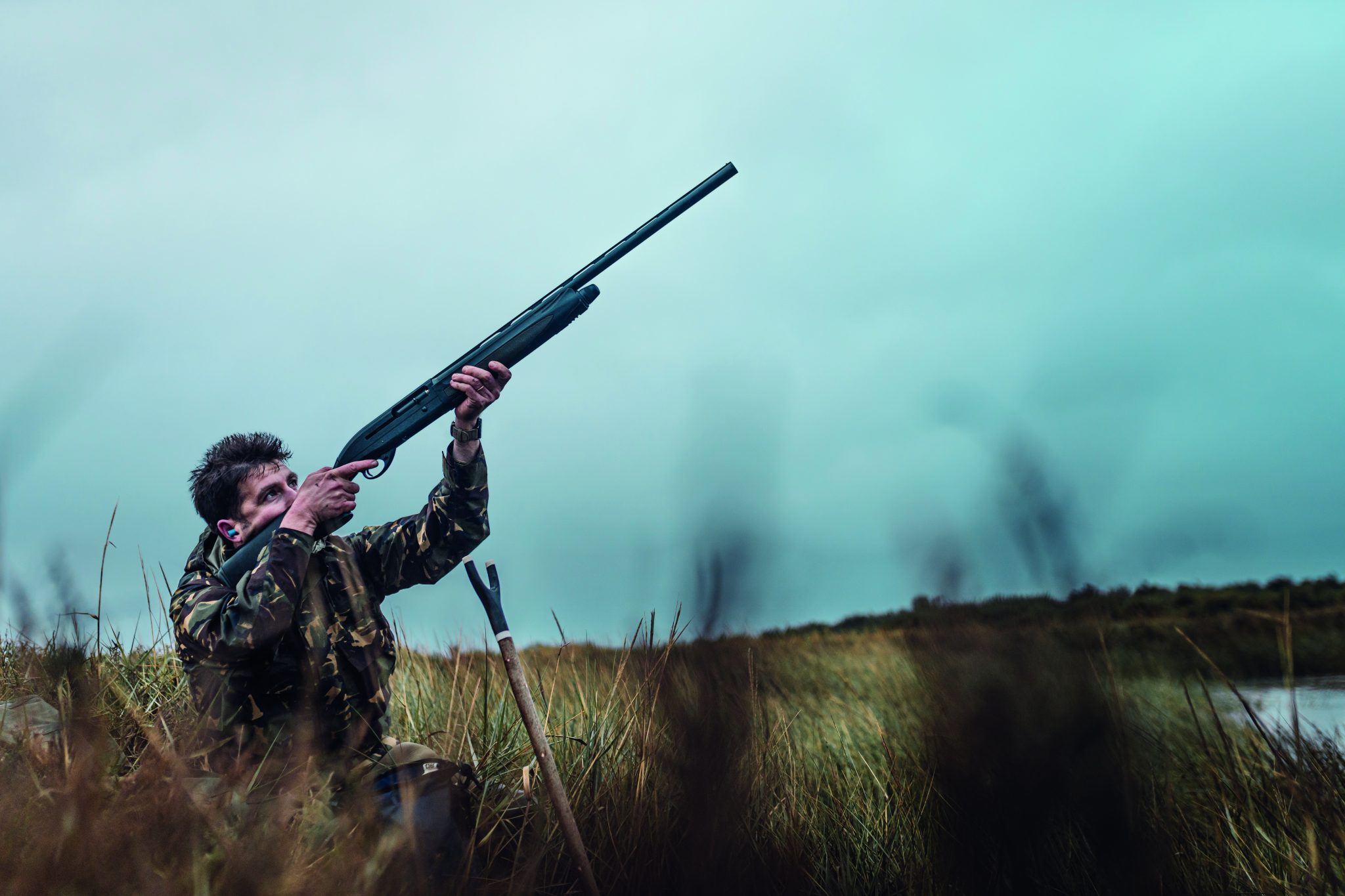

A defining moment for shooting
I thought long and hard about how to begin this wildfowling article. There is no value in sugar-coating it. This is a defining moment. Anyone who shoots, or values a traditional rural way of life, must stand together. We face pressure on several fronts. Firearms licensing. Protected sites and consents. Now, an increasingly likely quarry list review in 2026. We all know the history. When species come off the list, they rarely return.
Keep your head down no longer works
I joined my first wildfowling club, Taw & Torridge, at 14. Even then, the message was familiar. “Keep your head down and crack on.” For years, that approach worked. While we quietly got on with it, clubs achieved remarkable things. They secured and managed national nature reserves. They bought land. They carried out predator control. They supported ground-nesting birds. They shaped vast areas of countryside alongside farming.
A growing disconnect
Today, society is detached from the countryside. Policymakers are even further removed. Social media has amplified misinformation. It has given opponents a powerful platform. This is why BASC has focused on informing Defra and Natural England properly. Decisions must be grounded in reality, not narrative.
Why self-regulation matters
Our position is clear. Self-regulation is the only viable long-term future for wildfowling. It must be evidence-led. It must be community-driven. Compliance with law and best practice must be visible. We can only argue for self-regulation if we already live it.
The sustainable shooting code
The Sustainable Shooting Code for Wildfowl Quarry Species must become everyday practice. Our approach to woodcock shows what responsible shooting looks like. It is proportionate, evidence-led and managed through self-regulation.
That mindset must now extend to other wild quarry species. These conversations must become normal. Without that cultural shift, our case weakens.
Clubs are leading the way
Wildfowling clubs have embraced this approach. Sixty-three per cent of clubs responding to our survey have adopted the Code.
Outside club structures, communication is harder. That gap must be addressed.
Taking policymakers to the marsh
Recently, we took Defra and Natural England delegates onto the marsh. No Zoom calls. No briefing notes. Just reality. We crossed muddy creeks in darkness. They saw the sunrise. They heard the marsh wake. They felt why fowlers get up at ridiculous hours.
Meeting the people behind the sport
They met the very people their decisions will affect – volunteers, marsh wardens, citizen scientists, true wildfowlers – people who understand and care deeply about the species and habitats they look after. These delegates will in some way shape the outcome of the Schedule 2 review.
Rightly proud
The hosting clubs were outstanding ambassadors.
Lytham & District Wildfowlers Association.
Preston & District Wildfowlers Association.
They were honest. They were knowledgeable. They were rightly proud.
For too long, this work has been hidden. Now it must be seen.
Related Articles

Clamping down on illegal hare coursing – what new sentencing guidelines mean for rural communities
Updated sentencing guidance recognises the wider criminality and intimidation often associated with hare coursing, says Glynn Evans
By BASC
Thermal drone deployed to protect curlew chicks
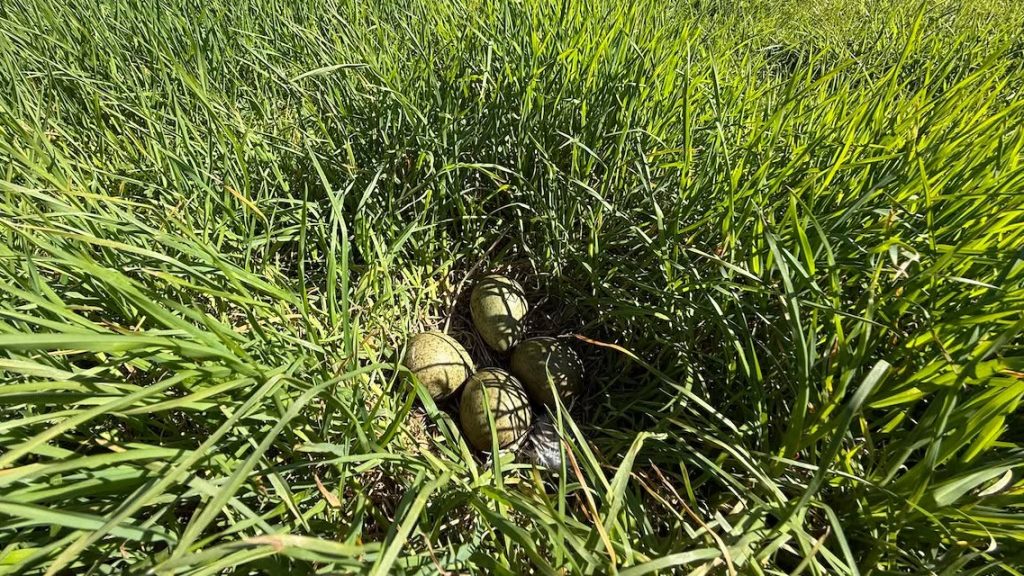
A Cumbria conservation group is using a thermal drone to locate curlew nests and chicks before fields are cut, helping farmers protect one of Britain's fastest-declining wading birds.
By Hollis Butler
Get the latest news delivered direct to your door
Subscribe to Shooting Times & Country
Discover the ultimate companion for fieldsports enthusiasts with Shooting Times & Country Magazine, the UK’s leading weekly publication that has been at the forefront of shooting culture since 1882. Subscribers gain access to expert tips, comprehensive gear reviews, seasonal advice and a vibrant community of like-minded shooters.
Save on shop price when you subscribe with weekly issues featuring in-depth articles on gundog training, exclusive member offers and access to the digital back issue library. A Shooting Times & Country subscription is more than a magazine, don’t just read about the countryside; immerse yourself in its most authoritative and engaging publication.