★ Win a pair of Brandecosse Capriolo boots worth £219! Click here to enter ★



Modern poaching is organised crime
Rural crime is a national problem and consistent reporting to police is one of the ways to help conquer it, says Glynn Evans
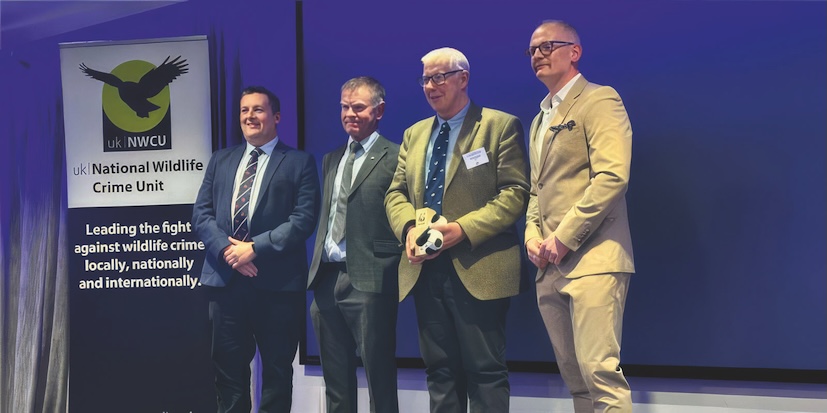

Though I was recently honoured with a lifetime achievement award, I see it not as a personal accolade. Instead, it recognises the collective work carried out by everyone at BASC in tackling wildlife and rural crime.
For the public, poaching may still conjure an outdated image of a local character taking a rabbit or bird for the pot. However, the reality today is very different.
Modern poaching and illegal hare coursing is mobile, coordinated and increasingly fits the definition of organised crime. Many involved are also linked to wider criminality, including burglary, theft and violence.
The human cost in the countryside
For those who live or work in the countryside, the impact of this criminality can be profound. It erodes peace of mind and leaves people feeling vulnerable and isolated. I know of keepers who have left jobs because of its impact. This was reinforced earlier this year. I listened to a farmer describe how she and her family are now frightened to leave their home unaccompanied due to persistent rural crime.
A coordinated national response
Tackling wildlife and rural crime requires a consistent and coordinated approach at national and local levels. BASC has long worked with police forces, government and partner organisations. There have been tangible successes and ongoing development.
A key part of this work is helping the public, politicians and the police understand the true scale of the problem. In recent years there has been growing recognition of the National Wildlife Crime Unit and the National Rural Crime Unit.
The National Police Chiefs’ Council produces a Rural and Wildlife Crime Strategy. It was recently updated for 2025–2028 and sets priority areas. Coordination between forces has improved. Initiatives such as Operation Galileo now target hare coursing, and many forces have specialist crime teams.
Stronger laws and enforcement
In 2022 the Police, Crime, Sentencing and Courts Act strengthened law enforcement against hare coursing in England and Wales. Maximum penalties for trespassing in pursuit of game were increased to an unlimited fine and up to six months’ imprisonment. New criminal offences were also introduced.
Courts can now disqualify offenders from owning or keeping dogs. They can also order reimbursement of kennelling costs for seized animals. BASC continues to advocate consistent use of these powers. The message must be clear: these crimes will not be tolerated.
Training the police
Training in wildlife crime is not mandatory for police. In-person courses can create financial and operational pressure for forces. Knowledge can also be lost when officers move roles or retire.
To address this, the NWCU has developed a digital academy covering key priorities. BASC has contributed £40,000 via its Legacy Fund to develop the syllabus. Officers now have access to high-quality training at any time, free of charge. BASC also works with local forces to highlight issues and provide free training.
Personal safety
Poaching legislation can be complex, with different laws across the home nations. To help, BASC has produced a pocket guide to offences. Over 12,000 hard copies have been distributed to law enforcers. It has recently been updated and is available to download from the BASC website. Hard copies are also available to members. It includes advice on dealing with poachers on your land. This is crucial where personal safety is paramount.
Why reporting matters
I have spoken to people who chose not to report incidents after poor experiences. Others thought the crimes were too minor to matter. However, reporting is vital. Without reports, police cannot allocate resources effectively. Small details, such as a suspicious vehicle’s number plate, can complete a bigger picture. This can lead to enforcement. Reporting can be done anonymously via Crimestoppers.
Statistics from organisations such as NFU Mutual show the overall cost of rural crime fell last year. This is encouraging, but the problem remains.
Anyone affected should contact their local police for enforcement and security advice. Local rural watch schemes are often available. BASC members can also call for support and guidance. Working together is key if we are to build on the progress already made.
Author profile
Glynn Evans is BASC’s head of game and wildlife management and was a keeper for over 25 years, working on estates in Gloucestershire and Norfolk.
Related Articles
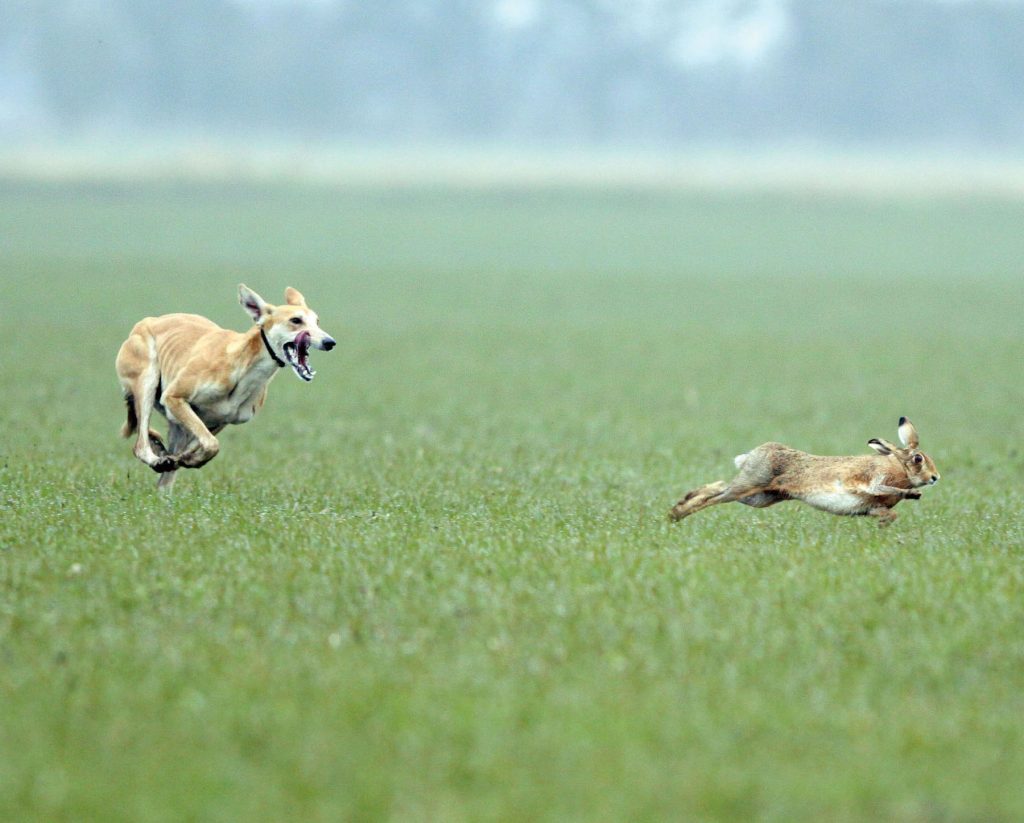
Clamping down on illegal hare coursing – what new sentencing guidelines mean for rural communities
Updated sentencing guidance recognises the wider criminality and intimidation often associated with hare coursing, says Glynn Evans
By BASC
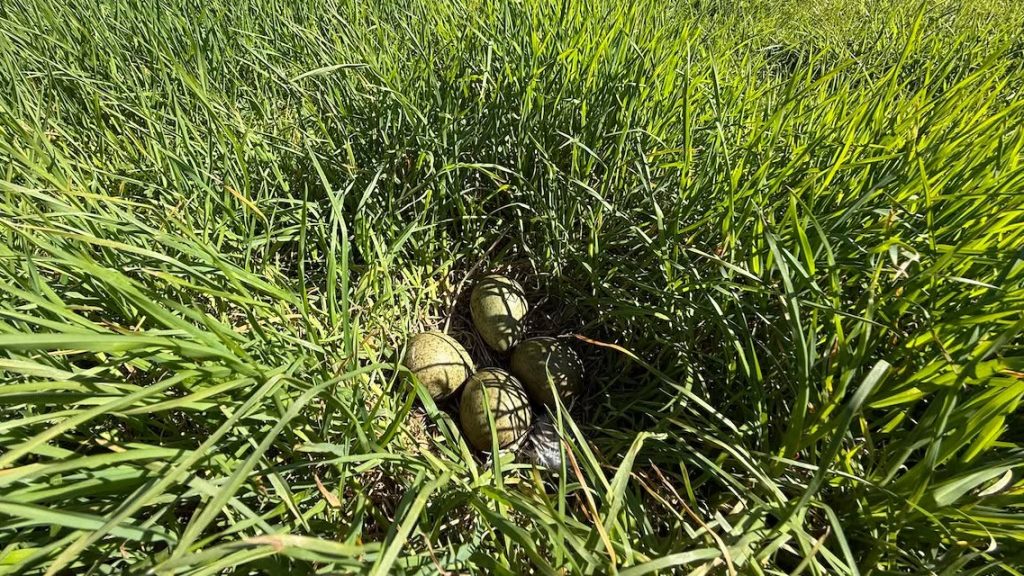
Thermal drone deployed to protect curlew chicks
A Cumbria conservation group is using a thermal drone to locate curlew nests and chicks before fields are cut, helping farmers protect one of Britain's fastest-declining wading birds.
By Hollis Butler
Get the latest news delivered direct to your door
Subscribe to Shooting Times & Country
Discover the ultimate companion for fieldsports enthusiasts with Shooting Times & Country Magazine, the UK’s leading weekly publication that has been at the forefront of shooting culture since 1882. Subscribers gain access to expert tips, comprehensive gear reviews, seasonal advice and a vibrant community of like-minded shooters.
Save on shop price when you subscribe with weekly issues featuring in-depth articles on gundog training, exclusive member offers and access to the digital back issue library. A Shooting Times & Country subscription is more than a magazine, don’t just read about the countryside; immerse yourself in its most authoritative and engaging publication.