★ Your magazine. Your say. Complete our reader survey with a chance to win Jack Pyke kit worth £500! ★


The flicker of a wing in the halflight: wildfowlers in their own words
Patrick O’Reilly reflects on listening, local knowledge and wildfowling as living heritage, exploring why wildfowlers’ voices matter and how their traditions deserve recognition and protection.

Listening as a professional responsibility
As Head of Social Science, I am often asked what my job in BASC entails. My answer is simple: in large part, it involves listening to people and telling their stories. More specifically, it involves listening to communities whose ways of life are frequently criticised or misunderstood and ensuring that their voices are heard in places where decisions are made.
As an anthropologist and political scientist, this often means working with communities whose practices are portrayed as marginal, outdated or incompatible with modern priorities and values. They often express frustration at a wider society that expects to enjoy the benefits that accrue from nature without fully understanding the knowledge, labour and care required to create and maintain it.
Trust, distance and being a guest
In communities that feel they are under attack, there is an understandable tendency to circle the wagons and become defensive. This makes the task of listening and telling stories more challenging. This situation is not unique to shooting. My first job was in a fishing village where traditional fishing was coming under increasing pressure from regulation and changing perceptions.
In a local pub, I asked a couple of fishermen how long it would take before people would trust me enough to tell me what they really thought about the situation. Twenty years after you’re dead they said, a stark reminder that this was their world, and I was a guest in it.
Encountering the world of wildfowling
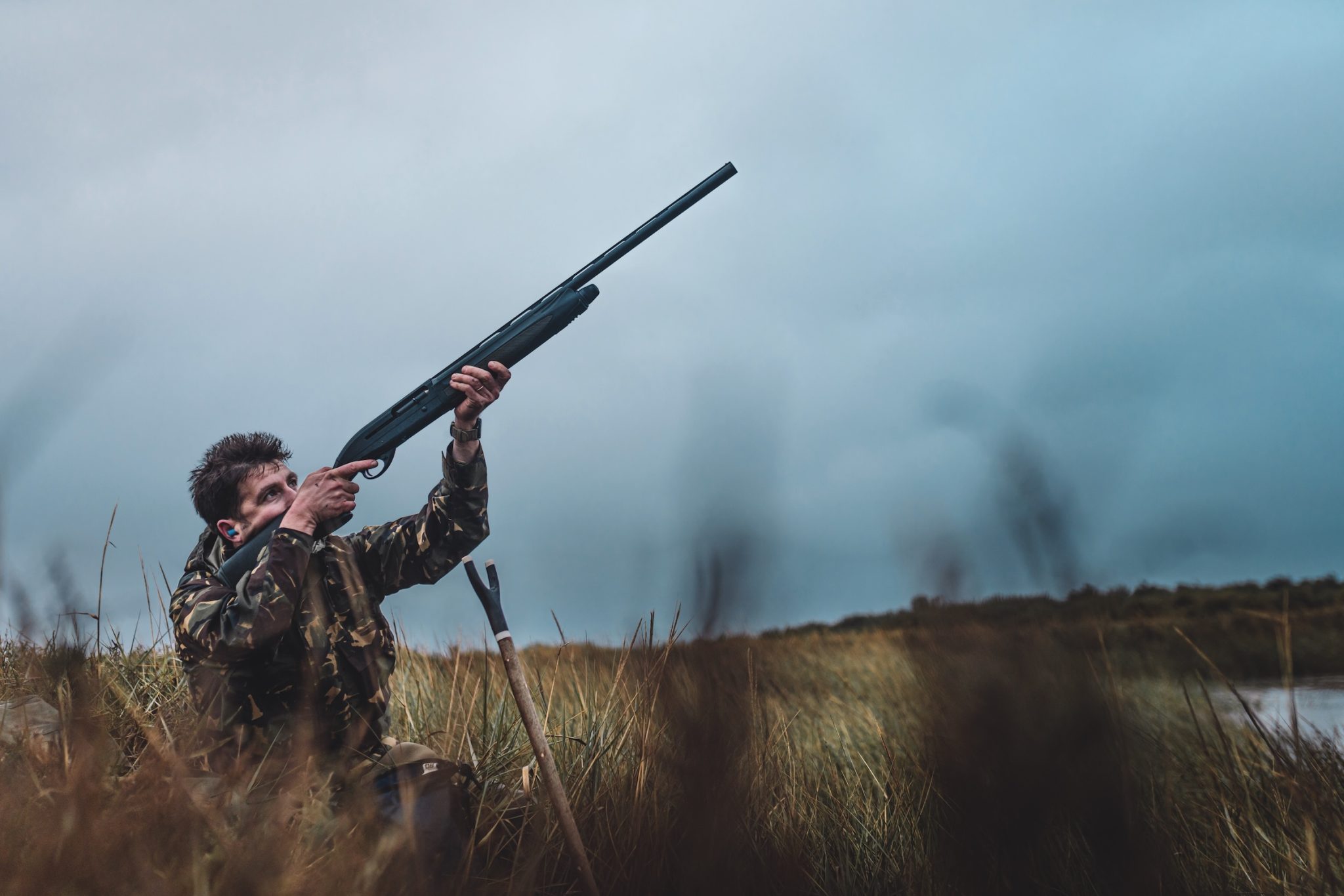
In the same way wildfowling is a world I know very little about. Much of what I have read is in the form of reports, studies and media narratives written by other guests, shaped by assumptions rather than experience. It was not until I stood on the sea wall myself, preparing to accompany wildfowlers on an evening flight, that I began to appreciate the depth of knowledge involved.
Anthropologists might call this “local knowledge” or “stewardship” – words that scarcely do justice to the relationship with nature forged over generations that wildfowling represents. Two issues immediately presented themselves to me. First, that I had much to learn. Second, that wildfowling embodies a cultural inheritance deserving recognition and protection.
Living heritage and national recognition
The UK’s ratification of the UNESCO Convention on Intangible Cultural Heritage and decision to create national inventories of living heritage provides an opportunity to address both these issues. The Living Heritage Inventories, recognise traditions, skills and practices passed down through generations and regarded as integral to cultural identity. Submitting submissions for the inclusion of wildfowling in these lists provides an opportunity for us to celebrate and preserve wildfowling heritage.
Gathering voices and stories
Since October, BASC has been meeting wildfowlers in village halls, clubrooms, pubs and sports centres, asking them to contribute their stories, histories and reflections. These contributions will support our living heritage submission. More importantly, these sessions provided an opportunity to celebrate and preserve wildfowling as a practice rooted in knowledge, values and long-standing relationships with some of the last truly wild places.
Knowledge, place and responsibility
The sessions bring together wildfowlers of different ages and backgrounds. People speak about mornings with parents or grandparents; about learning patience, restraint and attentiveness; about knowing when not to shoot. They have spoken of discipline, respect for the marsh and for quarry. We have heard stories of places understood not just by name, but by wind, tide, weather and season. Wildfowling as it is woven into people’s sense of place and self.
We work with Ruth Kerr, a heritage professional from a gamekeeping family. Drawing on decades of experience in museums and heritage organisations and a lifetime immersed in countryside life, she helps us articulate how wildfowling fits the definition of living heritage emphasising that celebrating living heritage is not about freezing practices in time, but about acknowledging how heritage evolves while remaining true to the past. Submissions are now being prepared. However, regardless of the outcome, the process itself has provided lasting value as a record of how wildfowlers understand their past, their present and their responsibilities to the future.
 Closes 15 JanuaryWorth £129.90Win a pair of tickets to the British Shooting Show 2027Enter nowFree to enter
Related Articles

Rigby opens Grade II-listed London home with museum
The 251-year-old gunmaker has moved to a converted ballet school in Clapham, where visitors can watch guns being made and see Jim Corbett’s rifle at the heart of the showroom
By News Desk | 14 October 2026
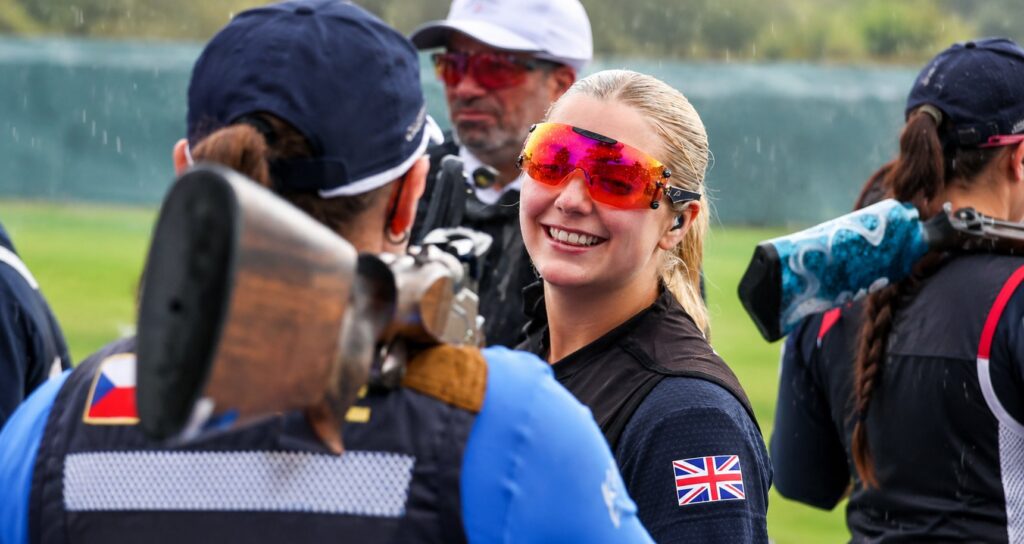
Amber Rutter crowned European Skeet champion in Greece
The Olympic silver medallist beat Italy’s Diana Bacosi by a single target in Malakasa, on a week when two GB juniors also took European bronze
By News Desk | 14 October 2026
Get the latest news delivered direct to your door
Subscribe to Shooting Times & Country
Discover the ultimate companion for fieldsports enthusiasts with Shooting Times & Country Magazine, the UK’s leading weekly publication that has been at the forefront of shooting culture since 1882. Subscribers gain access to expert tips, comprehensive gear reviews, seasonal advice and a vibrant community of like-minded shooters.
Save on shop price when you subscribe with weekly issues featuring in-depth articles on gundog training, exclusive member offers and access to the digital back issue library. A Shooting Times & Country subscription is more than a magazine, don’t just read about the countryside; immerse yourself in its most authoritative and engaging publication.