★ Win a pair of Brandecosse Capriolo boots worth £219! Click here to enter ★




Stalkers told to step up culls amid venison demand
BASC warns commercial contracts could be lost unless deer managers respond to unprecedented demand from major venues and growing public appetite.
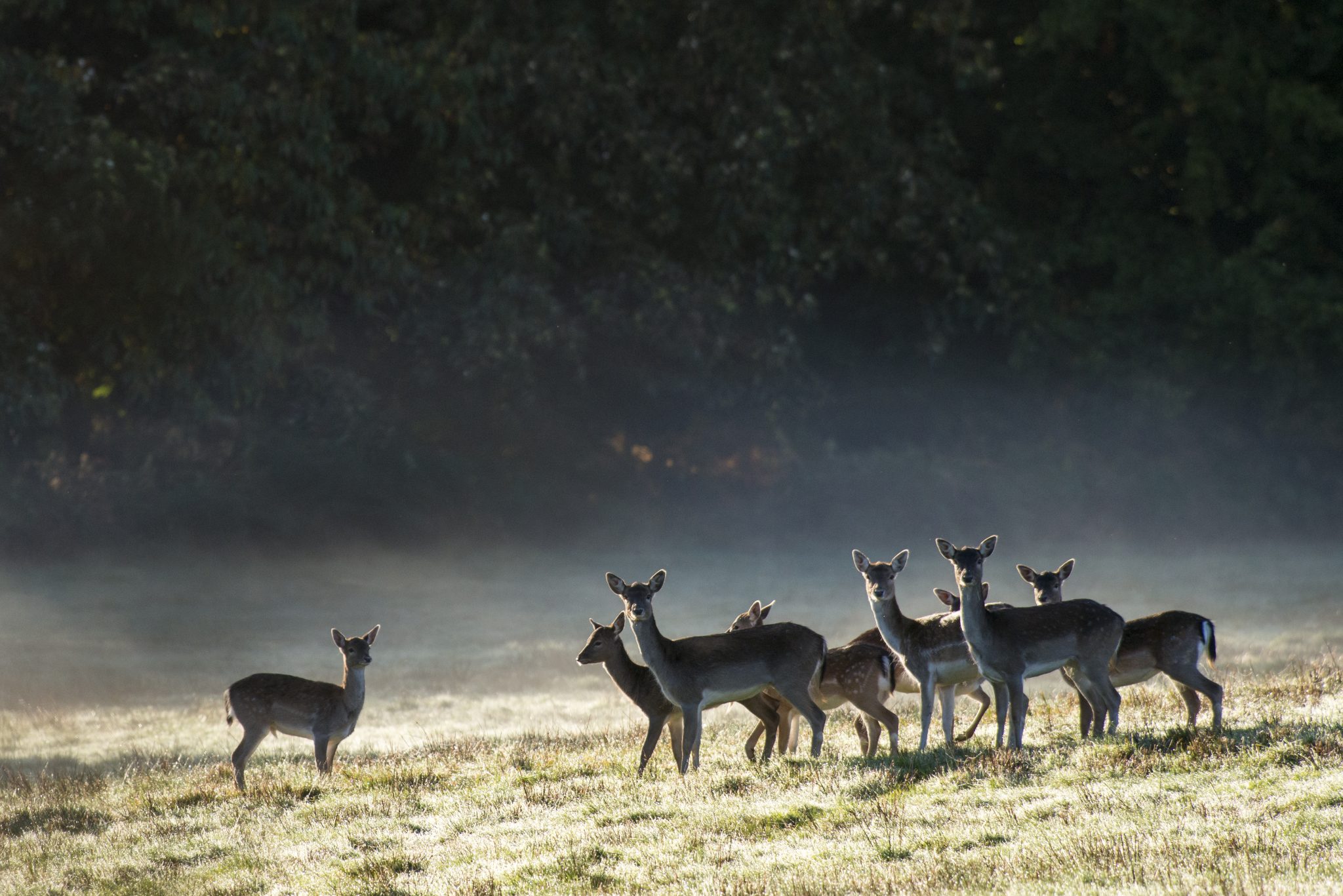 Fallow deer (Dama dama) at dawn, Ashdown Forest, Sussex, England. Credit: Getty Images.

BASC urges increased culls before season ends
Deer stalkers are being urged to increase culls before the end of the female season as game dealers struggle to meet soaring demand for venison from major hospitality contracts and growing public appetite for the meat.
BASC’s head of deer and woodland management Martin Edwards said many stalkers had “taken their foot off the pedal when it comes to culling” despite some of the country’s larger game dealers being unable to source sufficient carcasses.
“What we are seeing is an increased demand, rather than a reduction in supply,” Mr Edwards said, adding: “This is brilliant news for the deer management sector but we need to be able to deliver.”
.
Major venues switch to venison
Hospitality supplier Levy has secured deals to replace beefburgers with venison burgers across Premier League football clubs, the Allianz stadium at Twickenham, the Kia Oval, the National Theatre and the NEC Birmingham – all now championing wild venison as a healthy, sustainable alternative to beef with a low carbon footprint.
Game dealers have responded to increased demand by raising prices, but Mr Edwards said this had not led to an immediate response from the stalking community, with many having found alternative outlets for their venison or reduced their culling efforts.
.
Public appetite and conservation drive demand
The commercial opportunity comes as public interest in venison continues to grow. Conservation campaigners in Sussex are promoting locally shot venison to help control rising deer populations, with research at Plumpton College finding 97% of students who ate it said they would do so again.
Georgina Cockett, who co-ordinates the Sussex Grazed Meatbox Project, said young people and students were “exactly the people” who should be eating wild venison because it was “affordable, high protein, lean and low fat”.
A recent drone survey at nearby Ashdown Forest found approximately 15 fallow deer per square kilometre – three times higher than managers say is needed to maintain healthy woodland. Ash Walmsley, head of countryside at Ashdown Forest, said high deer numbers were having a “massive impact” on woodland ecology through intensive browsing of understory vegetation.
.
Call for co-ordinated February action
Mr Edwards urged stalkers to increase numbers shot before the end of the female season, suggesting February was an ideal time to organise team culls where multiple rifles could work together.
“Very few of us are likely to overshoot our populations, so hit them hard while we have an outlet for their carcasses,” he said, recommending co-ordination with neighbouring properties to ensure there were no sanctuary areas.
Mr Edwards warned the sector risked losing the contracts if it failed to deliver, describing current demand as potentially “only a short-term victory” unless stalkers respond by stepping up their efforts.
Do you have a news story to share?
Contact our group news editor Hollis Butler at hollis.butler@twsgroup.com. We aim to respond to all genuine news tips and respect source confidentiality.
Stay in the loop with the latest fieldsports news
Don’t miss a story – get shooting news straight to your inbox or phone. Join our newsletter and WhatsApp channel.
Related Articles

News
Daniel Marwood wins NGO Golden Grouse clay shoot 2026
Grouse keeper Daniel Marwood has won the headline title at the National Gamekeepers’ Organisation’s annual Golden Grouse clay shoot. The competition drew 115 guns to Thimbleby Shooting Ground in N...
By News Desk

News
Catapult law could be tightened after Home Office roundtable
Ministers face fresh pressure to tighten catapult law after a Home Office roundtable, but the Government says current legislation is sufficient.
By News Desk
Get the latest news delivered direct to your door
Subscribe to Shooting Times & Country
Discover the ultimate companion for fieldsports enthusiasts with Shooting Times & Country Magazine, the UK’s leading weekly publication that has been at the forefront of shooting culture since 1882. Subscribers gain access to expert tips, comprehensive gear reviews, seasonal advice and a vibrant community of like-minded shooters.
Save on shop price when you subscribe with weekly issues featuring in-depth articles on gundog training, exclusive member offers and access to the digital back issue library. A Shooting Times & Country subscription is more than a magazine, don’t just read about the countryside; immerse yourself in its most authoritative and engaging publication.