★ Win a pair of Brandecosse Capriolo boots worth £219! Click here to enter ★


Government unveils deer strategy to tackle woodland damage
The Government's 10-year plan to tackle deer damage has drawn cautious support from rural organisations, but unease from the ground up.
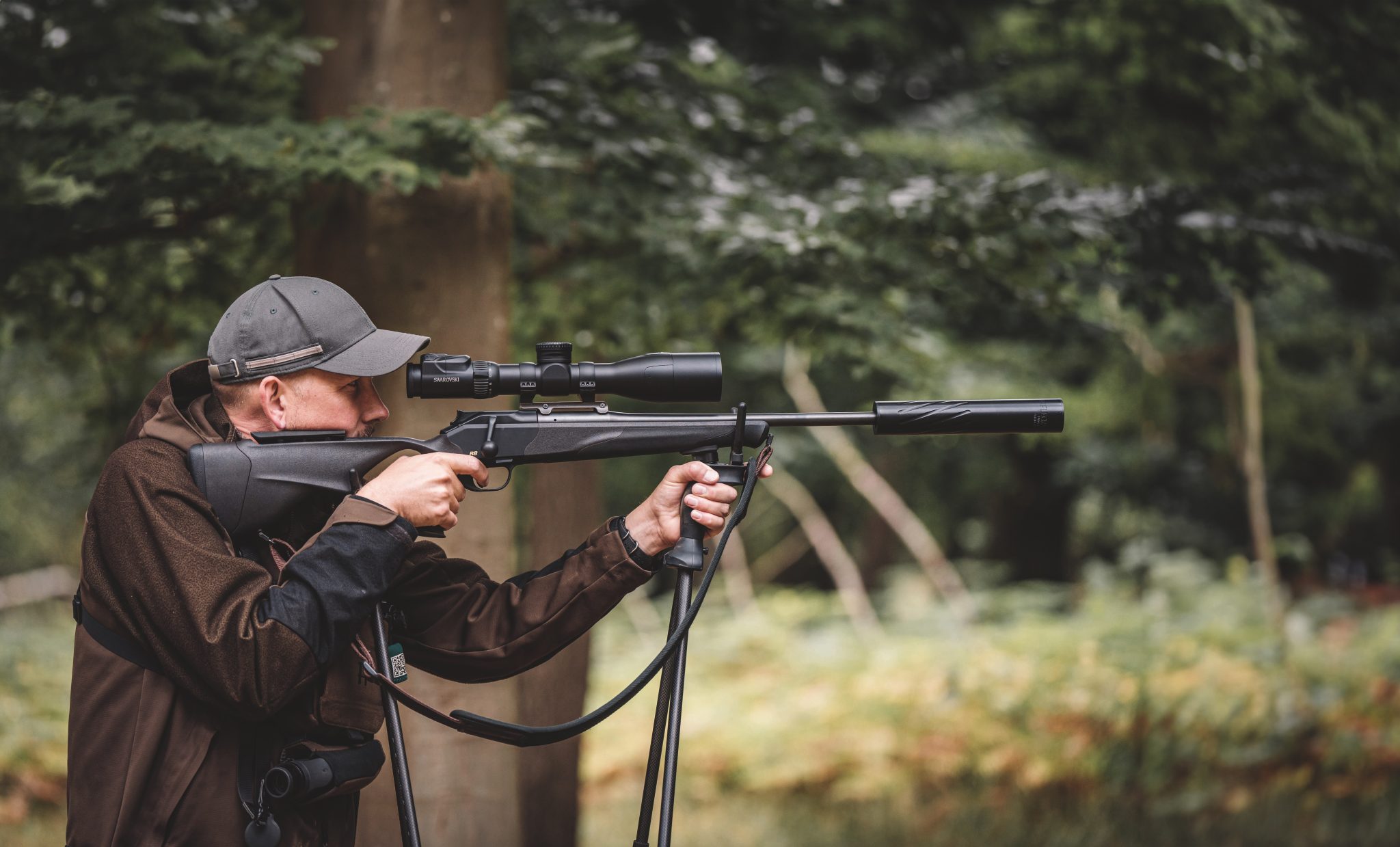 Chris Rogers takes aim. Credit: Callum McInerney-Riley.

Government unveils 10-year deer strategy as damage spreads
As deer damage spreads across one in three English woodlands, the Government has concluded that current management is failing. Its response is a 10-year Deer Impacts Policy Statement, published by Defra on 20 February, which sets out to reverse the trend, promising streamlined night and close-season licensing, increased grant support and a drive to put more wild venison on the nation’s plates.
The policy’s most practical changes centre on licensing. Night shooting and close-season control of male deer will become easier to access, with Natural England tasked with cutting through the red tape while keeping welfare safeguards intact.
Further proposals would allow tenants and occupiers to shoot deer where the landowner is failing to do so sufficiently and damage is mounting. Forestry Commission deer officers will guide managers through the landscape-scale approach the Government believes is essential, and public procurement routes – schools, prisons and hospitals among them – will be explored to strengthen the wild venison market.
.
Concerns over mandatory training by the back door
BASC welcomed the policy’s broad direction but drew a firm line over proposals to tie minimum competency requirements to the firearms licensing system. Martin Edwards, BASC’s head of deer and woodland management, said that such a measure “would amount to mandatory training by the back door and risk adding further delays and barriers at precisely the moment we need more people involved in deer management”. He also pointed to firearms licensing delays already running beyond 12 months in some areas as an obstacle the policy must address if it is to deliver enough boots on the ground.
The British Deer Society was broadly supportive but took issue with how the policy arrived. Chief executive David McAuley said publication “with no prior warning or discussion did not set an appropriate tone for successful collaboration”, and noted the document’s failure to acknowledge the important contribution of non-professional stalkers, who fund their involvement out of their own pockets, and the role of non-governmental organisations in training and public awareness.
.
A plan, but at what cost?
The sharpest verdict came from ST contributor and East Anglia deer manager Chris Rogers, who questioned whether Defra had consulted widely enough before publishing. “It appears that the strategy was launched without making any attempt to take on board advice from industry organisations such as the National Gamekeepers’ Organisation, which has published its own deer management strategy in response to the proposed Defra strategy in May 2024,” he commented.
Mr Rogers also raised concerns about the practical consequences of expanding night shooting. “I am concerned that there will be a large uptake by landowners and stalkers who see it as an easy alternative to putting the required time in during traditional stalking hours. There appears to be no additional interest from game dealers for the extra carcasses this may generate and, moreover, herd structure could be seriously harmed – leading to more damage from deer and a collapse of the male herd structure.”
Do you have a news story to share?
Contact our group news editor Hollis Butler at hollis.butler@twsgroup.com. We aim to respond to all genuine news tips and respect source confidentiality.
Stay in the loop with the latest fieldsports news
Don’t miss a story – get shooting news straight to your inbox or phone. Join our newsletter and WhatsApp channel.
Related Articles
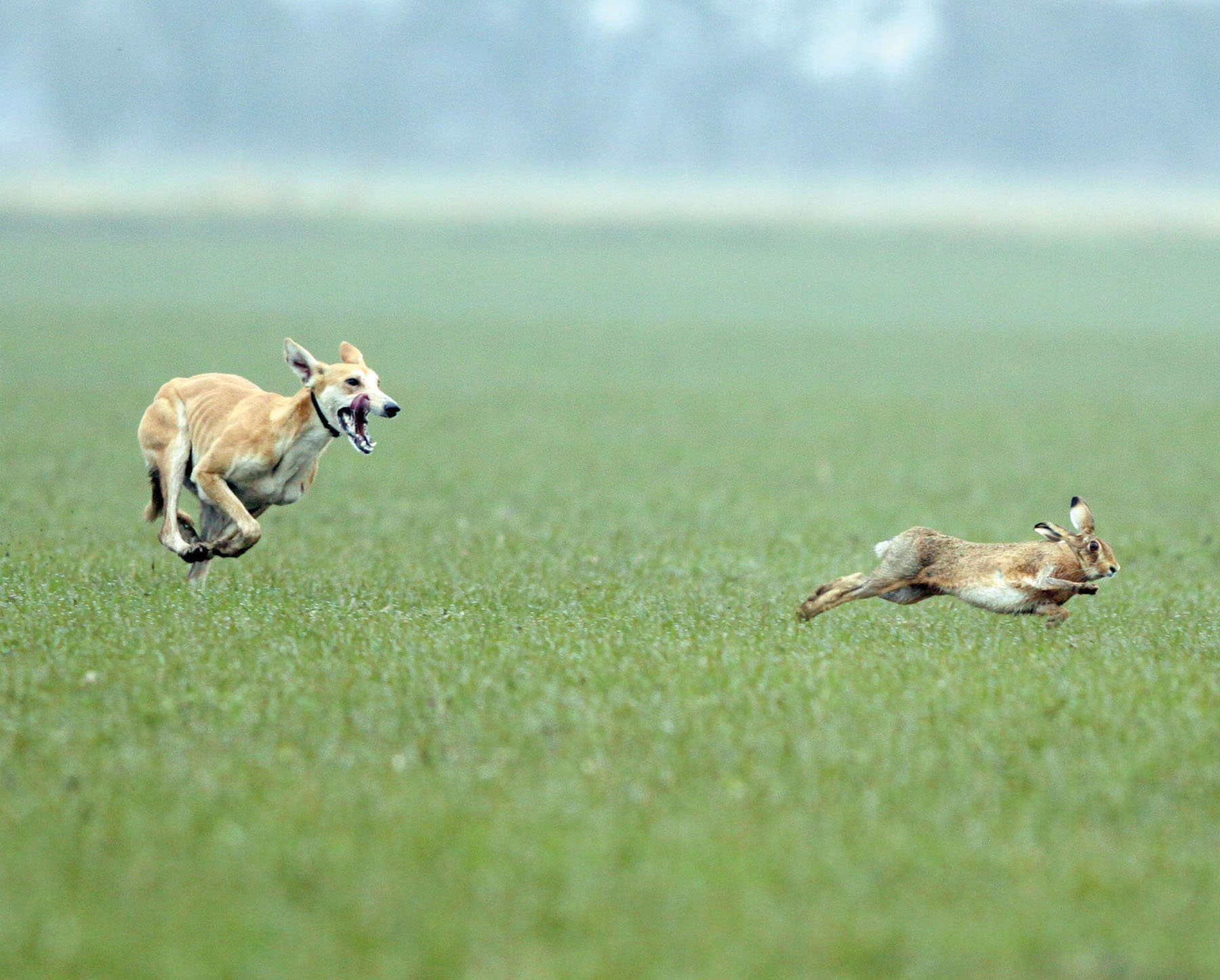
Clamping down on illegal hare coursing – what new sentencing guidelines mean for rural communities
Updated sentencing guidance recognises the wider criminality and intimidation often associated with hare coursing, says Glynn Evans
By BASC
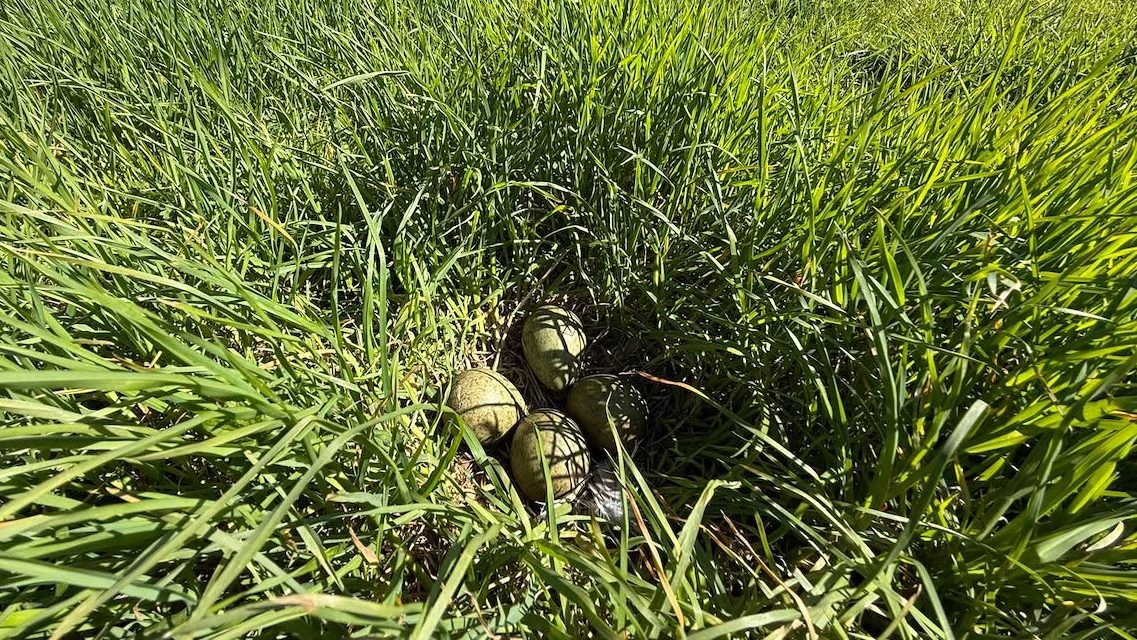
Thermal drone deployed to protect curlew chicks
A Cumbria conservation group is using a thermal drone to locate curlew nests and chicks before fields are cut, helping farmers protect one of Britain's fastest-declining wading birds.
By Hollis Butler
Get the latest news delivered direct to your door
Subscribe to Shooting Times & Country
Discover the ultimate companion for fieldsports enthusiasts with Shooting Times & Country Magazine, the UK’s leading weekly publication that has been at the forefront of shooting culture since 1882. Subscribers gain access to expert tips, comprehensive gear reviews, seasonal advice and a vibrant community of like-minded shooters.
Save on shop price when you subscribe with weekly issues featuring in-depth articles on gundog training, exclusive member offers and access to the digital back issue library. A Shooting Times & Country subscription is more than a magazine, don’t just read about the countryside; immerse yourself in its most authoritative and engaging publication.