★ Win a pair of Brandecosse Capriolo boots worth £219! Click here to enter ★
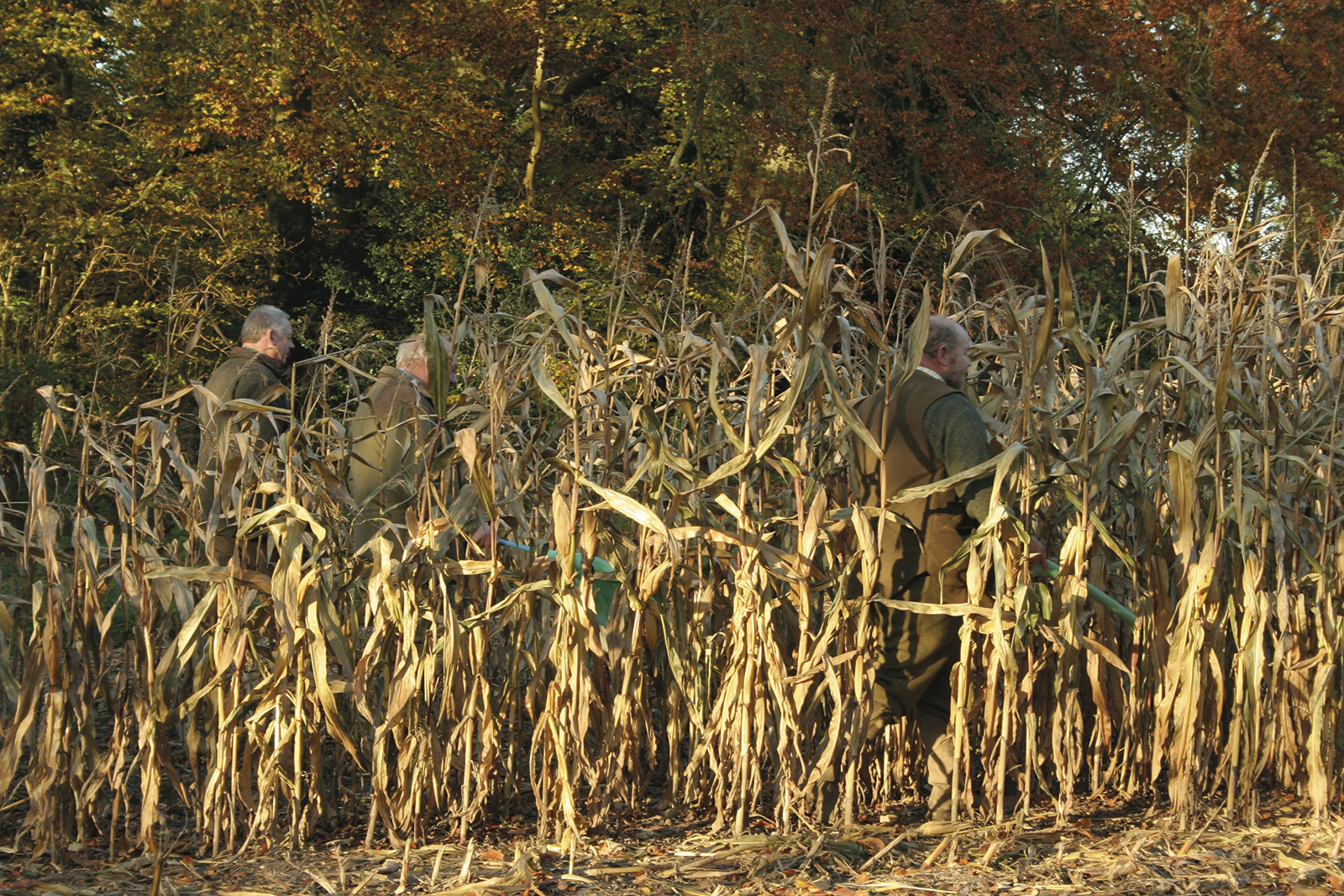



Decisions should be driven by evidence: BASC on Natural England regulation
Effective regulation must provide clear boundaries and inspire confidence by balancing risk with opportunity, says Alex Murray


Effective regulation should barely be noticeable. When it works well it sets clear boundaries and allows those subject to it to plan their activities in advance. It does not replace judgement with box-ticking. Nor does it restrict activities because making a decision is difficult. Good regulation balances risk with opportunity. Where possible, it minimises unnecessary intervention by the regulator. In short, it should inspire confidence and command respect.
Those familiar with Natural England (NE) will already know how it applies regulation in relation to shooting. The National Audit Office (NAO), Parliament’s watchdog for government spending, has recently completed an investigation into whether NE offers “value for money”. When we think of value for money we may imagine paperclips in store cupboards. However, it is really about whether public bodies deliver effective services with the budget they receive from the taxpayer. In the context of regulation, this means asking whether decisions are sound and outcomes justify the resources consumed.
The NAO’s report reflects many of the concerns that BASC raised in its submissions about NE’s approach to regulation. We were also interviewed as part of the investigation. We explained how a risk-averse culture can hinder good environmental and conservation outcomes. Although the report is neutrally worded, it quietly confirms themes that many of us have long known to be true.
A precautionary approach to environmental risk
The report highlights how NE’s thinking about environmental risk is dominated by a precautionary approach. Actions that might cause harm, no matter how small or uncertain, are often prohibited. This aligns with BASC’s long-standing concern that NE prioritises procedural caution over evidence-led decision making. As a result, opportunities to deliver positive results for conservation are missed. For example, we see risk-averse responses to wildfowling. These responses ignore the vital conservation work undertaken by clubs.
Outdated data and poor targeting
Decisions made on outdated evidence are invariably bad decisions. Yet the NAO found that regulatory actions are often based on historic data. When combined with limited site-specific monitoring, this leads to overly cautious or poorly targeted regulation. Consequently, the approach is out of kilter with realities on the ground. Decisions can appear poorly informed or irrational.
For instance, licences for the release of gamebirds on protected sites are sometimes refused. This happens because decisions rely on years-old data indicating certain species are present. However, observations may confirm they are no longer there.
Inconsistent application and lack of expertise
Operational inconsistencies are also highlighted in the report. Regulations are applied differently between teams and regions. At the same time, gaps in local expertise compound the problems. The result is confusion and inefficiency.
Those managing land may face unpredictable requirements or extra procedural hurdles. NE has faced a shortage of skilled staff. This causes delays and affects the quality of decisions. In practice, it makes it difficult to plan and deliver valuable conservation work.
Aversion to risk
The NAO confirms what many involved in real conservation work already know. Effective regulations depend on boundaries, evidence and consistency. Everything in life involves risk. Therefore, regulation should manage that risk intelligently and proportionately. It should not avoid risk at all costs.
The report notes that this cautious approach can be motivated by a desire to avoid costly legal challenges. Although this makes some sense, the level of risk aversion hinders opportunities for better environmental management.
Achieving the right balance
As with many things in life, achieving a balance is essential. Regulation is no exception. This is not without its challenges, as the NAO notes. Inevitably, NE faces difficult trade-offs and budgetary constraints. However, proportionate and evidence-led regulation can help the environment, our sector and the regulator itself. In doing so, a responsive regulator should help those doing hands-on conservation work to deliver real conservation benefits.
Alex Murray is an environmental law adviser at BASC, working on a range of issues including judicial reviews and public consultations. Contact him at: alex.murray@basc.org.uk
Related Articles
Derbyshire game shoot shows what cover crops can do for nature recovery
A Derbyshire DIY game shoot shows what game cover crops and predator control can deliver for nature recovery, in a new BASC case study.
By News Desk

Shooting bodies back new firearms mental health partnership in Scotland
Shooting and gamekeeping bodies have joined a new Scottish firearms mental health partnership helping certificate holders ask for support
By News Desk
Get the latest news delivered direct to your door
Subscribe to Shooting Times & Country
Discover the ultimate companion for fieldsports enthusiasts with Shooting Times & Country Magazine, the UK’s leading weekly publication that has been at the forefront of shooting culture since 1882. Subscribers gain access to expert tips, comprehensive gear reviews, seasonal advice and a vibrant community of like-minded shooters.
Save on shop price when you subscribe with weekly issues featuring in-depth articles on gundog training, exclusive member offers and access to the digital back issue library. A Shooting Times & Country subscription is more than a magazine, don’t just read about the countryside; immerse yourself in its most authoritative and engaging publication.