★ Win a pair of Brandecosse Capriolo boots worth £219! Click here to enter ★


Gamekeeping traps and snares: legal predator control guide
Why trapping remains essential for modern gamekeeping

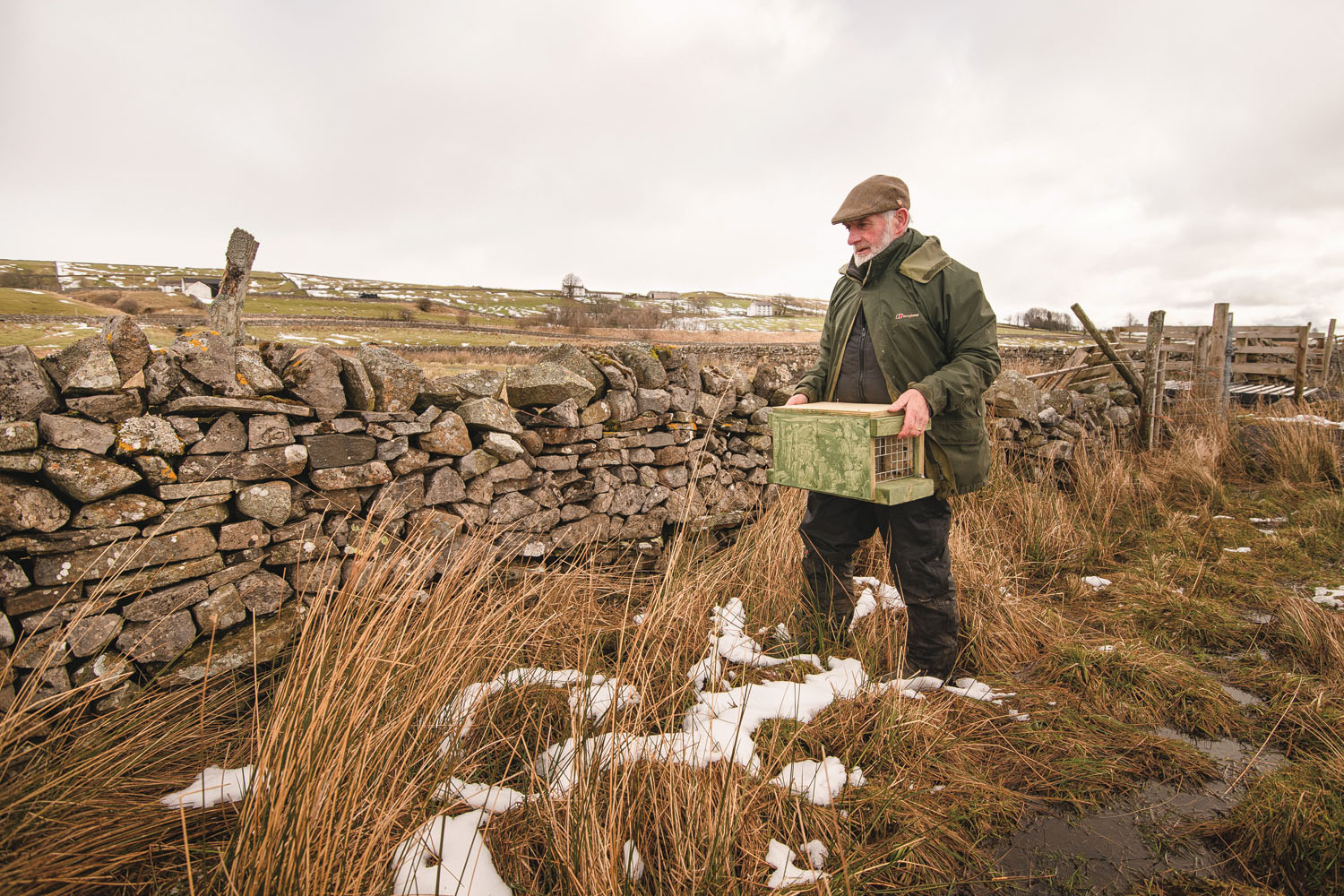
There is a certain satisfaction in visiting your shoot at first light on a spring morning. The dew sits on the grass and the wood is silent. Meanwhile, somewhere in the hedgerow the work you set in motion yesterday has been quietly carrying on without you.
That is the genius of trapping. It explains why, despite advances in optics, thermal imaging and night-vision technology, traps and snares remain central to the gamekeeper’s toolkit.
Ask Lance Barton, head gamekeeper at Montreal Estate in Kent, and he explains exactly why. “Snares work while you sleep,” he says. “They’re something that works for me when I’m offline.”
No amount of lamping or thermal foxing will replace a well-set snare on a productive run. However, trapping is not simply convenient. When done properly it is targeted, welfare-conscious and legally robust predator control.
The legal framework for traps and snares
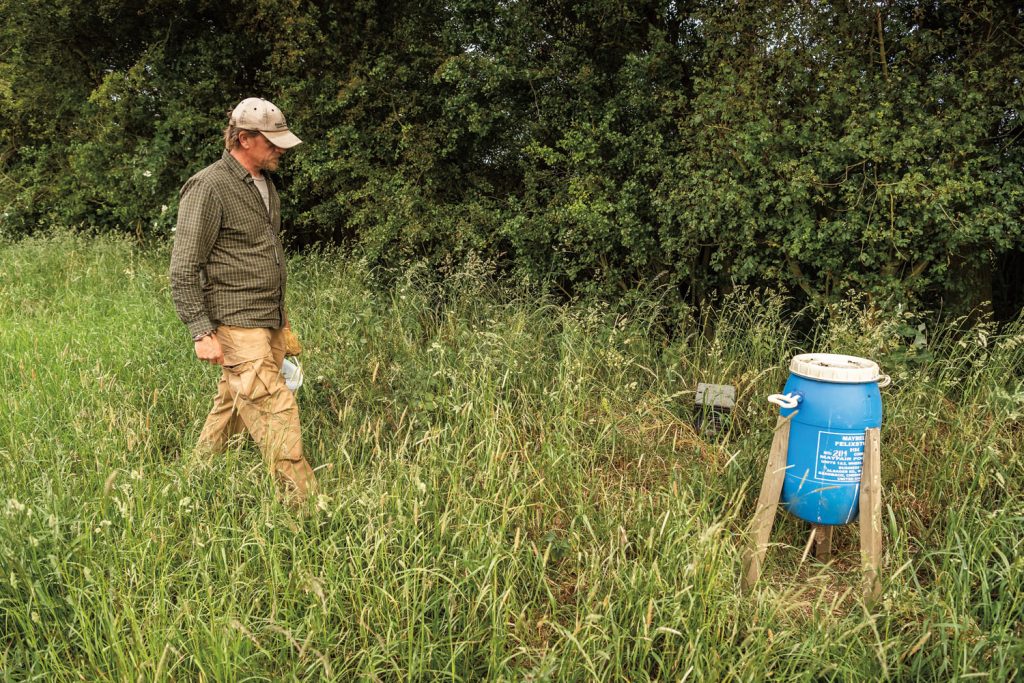
Before placing a single trap in the ground, keepers and landowners must understand the legal framework governing its use.
In England and Wales, the principal legislation is the Wildlife and Countryside Act 1981, as amended. Spring trap use is governed by country-specific legislation. These include the Spring Traps Approval (England) Order 2018, the Spring Traps Approval (Scotland) Order 2011 and the Spring Traps Approval (Wales) Order 2019.
Each order specifies which traps are approved, where they may be used and for which species. Using a non-approved trap is a criminal offence. The same applies if an approved trap is used in an unapproved situation.
Further guidance on wildlife legislation can be found through Natural England:
https://www.gov.uk/government/organisations/natural-england
Snares are governed separately. Their use remains legal in England. However, only free-running snares are permitted.
Self-locking snares are illegal because they tighten regardless of animal movement. Free-running designs must allow the snare to relax when the animal stops pulling.
All snares must be checked at least once every 24 hours without exception. Any non-target species must be released unharmed.
It is worth noting that the law differs across the UK. Since 17 October 2023 in Wales and 25 November 2024 in Scotland, it has been an offence in Scotland to set a snare to kill or restrain a wild animal. As a result, their use has effectively ended in those countries.
Construction and snare quality
In England, keepers selecting snares should pay close attention to construction quality.
Game & Country stocks several snares designed by experienced snarer Glen Waters. These include standard free-running models and breakaway variants designed to release non-target species.
Anchoring options vary according to ground conditions. Spear anchors suit hard or stony ground. Meanwhile washer anchors work better in soft or peaty terrain.
Corvid control and Larsen traps

Larsen traps and cage traps for corvids operate under the General Licences administered by Natural England. These licences permit control of certain species, including carrion crows and magpies.
Control is permitted for conservation purposes or to prevent serious damage to livestock and crops. However, licence conditions vary. Therefore keepers should read them carefully and maintain accurate records.
You can review current General Licences here:
https://www.gov.uk/government/publications/wild-birds-general-licences-to-kill-or-take-certain-species
The Larsen trap remains the cornerstone of corvid control. A live decoy bird attracts territorial birds of the same species.
The live-catch principle is central to its effectiveness. Non-target species can be identified and released before dispatch.
Game & Country offers several ready-made Larsen models. These include a top/side entry version and a double top-entry trap made from galvanised weldmesh. The latter includes a drinker holder and split perches for the call bird.
Agrigame’s multi-catch Larsen trap is also widely used. It reduces daily labour without compromising welfare.
As Agrigame’s Jamie Brymer explains: “Trapping conducted legally and ethically is highly effective predator and pest control. It is instrumental in wildlife management and biodiversity protection. Because it is a live-catch trap, non-target species can be released safely.”
Magpie control and top-entry designs
Collins Nets supplies a top-entry Larsen trap designed specifically for magpies.
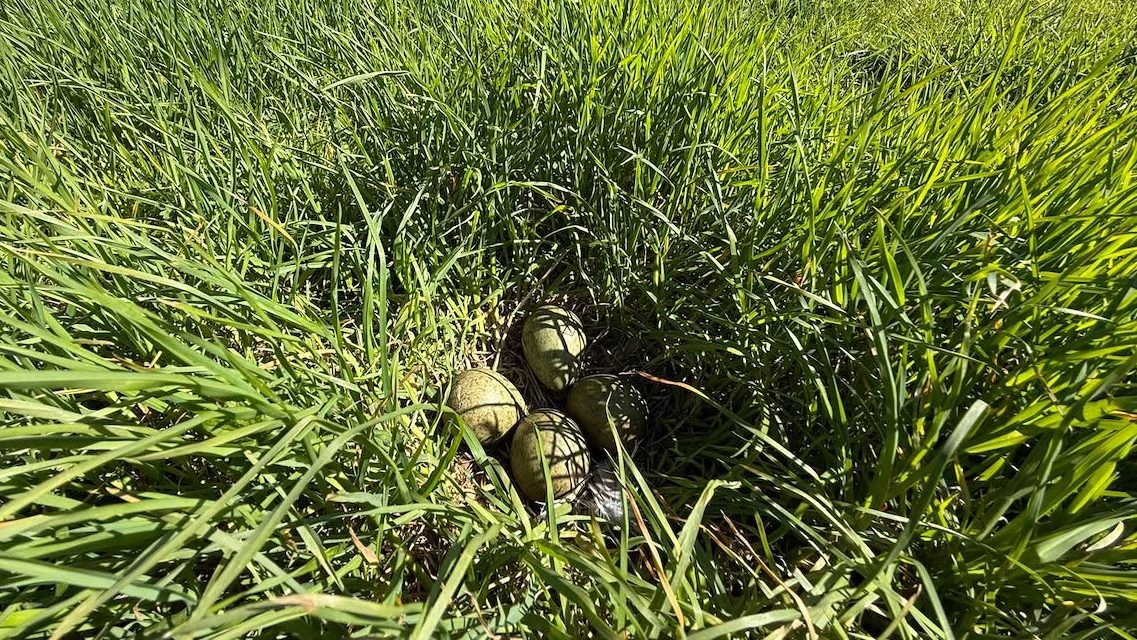
Magpies are a priority target during spring. Their predation on eggs and nestlings can significantly affect breeding success among small birds.
Dawn Collins explains the importance clearly. “Pest and predator control is an integral part of conservation and wildlife management. It reduces predation and damage during vulnerable periods such as the nesting season. Magpies prey on young birds of all kinds and target eggs.”
The top-entry design exploits the magpie’s instinct to drop onto a food source. As a result, it can outperform other configurations when birds avoid conventional traps.
Tunnel traps for stoats, weasels and rats

The tunnel trap remains the preferred option for stoats, weasels and rats.
The Mk4 Fenn trap remains approved for grey squirrels, brown rats and weasels. However, its approval for stoat control ended in April 2020. This followed requirements under the Agreement on International Humane Trapping Standards.
Three approved alternatives now exist. These are the DOC 150, the Tully trap and the Quill 150 Trap.
Game & Country is currently the sole UK importer of the DOC 150. It is more expensive than the traditional Fenn trap. However, it meets modern welfare standards.
The Tully trap offers another strong option. Its treadle plate is three times larger than many comparable traps. In addition, guard funnels guide animals directly into the strike zone.
Controlling invasive American mink

Mink require separate attention.
As a non-native species, American mink cause severe damage to water voles and ground-nesting waterbirds. This impact is particularly evident along rivers and wetland margins.
Dedicated mink cage traps remain the most effective control method. Single-entry and double-entry models are available through Game & Country.
These traps are positioned along established runs at the water’s edge. They must be checked daily, as with all live-catch traps.
More information on the conservation impact of invasive species can be found through the Game & Wildlife Conservation Trust:
https://www.gwct.org.uk
Addressing misconceptions about trapping
Director Christopher Lightfoot addresses persistent misconceptions surrounding trapping equipment.
“If there are misconceptions regarding our products, they usually come from anti-shooting organisations. These groups often operate in an ideological world that does not reflect reality.
“However, vermin do exist and they require control. Stoats, weasels and rats are pests. They cause significant damage to ground-nesting birds. They also create problems for residential, commercial and agricultural properties.”
Quill Productions offers a strong range of tunnel trap equipment worth examining. UK Shoot Warehouse stocks a wide selection of approved traps. Meanwhile Pestfix provides rodent-control solutions suitable for release pens.
Fox control and snaring expertise
Fox control through trapping usually means snares. However, successful snaring requires experience.
Lance Barton sources his equipment through Perdix. He selects high-quality snares with multiple pivot and swivel points. Secure anchoring is also essential.
He takes a pragmatic approach to placement. “The more traps or snares you have, the greater your success,” he says. “It’s better to have traps in the wrong place that sit quiet than not have them at all.”
A run that catches one fox a year still requires daily checks. However, that single fox may be the animal that clears out a partridge nest along the field boundary.
Cage traps where snares are unsuitable
Snares are not always practical. Footpaths, farmyards and areas with heavy badger activity can complicate their use.
In these locations, cage traps provide an alternative. They allow live capture and controlled dispatch where appropriate.
Game & Country’s European Live Catch Tunnel Trap offers a particularly humane system. It can also be fitted with Trap Master remote monitoring technology.
Grey squirrel trapping and woodland protection
Grey squirrel control has become increasingly important for woodland managers.
Lance Barton deploys around 100 Mark 6 tunnel traps across Montreal Estate. Each year they account for more than 400 squirrels.
He pre-baits traps in wooden boxes for two to three weeks before setting them.
“There’s no way we’re shooting that many squirrels in a year,” he says. “Certainly not in just two weeks. And I don’t have the hours to sit on feeders with airguns.”
For faster clearance, multi-catch squirrel cages are another option. Correctly positioned, they can capture up to six squirrels at a time.
Predator control and conservation outcomes

Opposition to trapping often presents a false choice. It suggests predator control is unnecessary or inherently cruel.
However, the available evidence does not support that view.
Ground-nesting bird populations in the UK have declined significantly in recent decades. Predation during the nesting season is a recognised contributing factor.
Where legal predator control is applied consistently, nest survival rates improve. Chick productivity also increases.
Remove that control and those gains quickly disappear.
The live-catch principle addresses many welfare concerns. Non-target species can be identified and released. Meanwhile the legal requirement for 24-hour checks limits welfare risk.
The legal framework already exists. The equipment is widely available. The evidence supporting predator control is clear.
For gamekeepers determined to give ground-nesting birds a genuine chance, well-executed trapping remains indispensable.
Get the latest news delivered direct to your door
Subscribe to Shooting Times & Country
Discover the ultimate companion for fieldsports enthusiasts with Shooting Times & Country Magazine, the UK’s leading weekly publication that has been at the forefront of shooting culture since 1882. Subscribers gain access to expert tips, comprehensive gear reviews, seasonal advice and a vibrant community of like-minded shooters.
Save on shop price when you subscribe with weekly issues featuring in-depth articles on gundog training, exclusive member offers and access to the digital back issue library. A Shooting Times & Country subscription is more than a magazine, don’t just read about the countryside; immerse yourself in its most authoritative and engaging publication.