Home / Built to last: why British fieldsports brands still lead in quality and heritage
Gear

Built to last: why British fieldsports brands still lead in quality and heritage

Discover why British-made shooting and fieldsports equipment stands the test of time, from BSA Guns to Quill Productions, and why buying British still matters.

Shooting Times
Shooting Times 26 March 2026
Built to last: why British fieldsports brands still lead in quality and heritage

British fieldsports brands explain why authentic homegrown manufacturing is about much more than just a label

Let’s start with something that the British find genuinely uncomfortable: national pride. Not the roaring, chest-beating, flag-wrapped kind you see at international rugby matches. Instead, the quiet, private, slightly embarrassed sort.

The kind someone feels when they pick up a tool, a gun or a knife and knows—without needing to be told; without a label, a logo or a brand ambassador in a wax jacket—that it was made properly. By someone who knew what they were doing, somewhere on this small, astonishingly gifted island.

Followers of fieldsports understand this instinctively. You are not just shooting game. You are participating in something that has been happening in these fields, and on these hills, for longer than anyone can usefully remember.

The equipment is not merely equipment; it is part of the argument. We asked leading British brands to make the case. They didn’t need much encouragement.

Irritation

The thing about British craftsmanship, when it’s functioning as it should, is that it tends to begin with an irritation. Someone—usually a stubborn, practically minded person—has spent too long using something that doesn’t work as well as it should. So they decide they can do better.

Graham Crocker, founder of Quill Productions in Dorset, designed the original Quill Drinker because his gamekeeping experience told him the existing options weren’t good enough. That was in 2002. He’s still at it, manufacturing in the Dorset countryside.

The company now makes everything from feeders to vermin traps, such as the Quill 150 Trap, and liquid supplement ranges formulated with nutritionists.

Meanwhile, BSA Guns was founded 165 years ago and still operates from the same premises in Armoury Road, Birmingham. It remains the only British airgun manufacturer making its own hammer-forged barrels. It is also the only one still producing break-barrel air rifles domestically.

When everyone else outsourced, BSA stayed put and kept making things.

In Sheffield, in a workshop at Portland Works—a building that smells of history and metal—Stuart Mitchell makes knives. Every single one. By himself.

He learned from his father, which is the oldest and most reliable form of quality control there is. “I doubt there is another knife maker in the world with that heritage,” he says.

It is the least boastful boast one could hear. It is delivered with the flat confidence of a man who has nothing to prove, yet proves it anyway with every blade.


Built on practicality and value

Paul Reid at New Forest Clothing makes the same point. “We focus on keeping our pricing honest and fair. This proves British manufacturing can remain attainable without compromising standards.”

The company’s wax pieces are made in the Midlands. They perform well. Importantly, they do not cost a fortune.

Similarly, Quill’s Lucy Green brings a gamekeeper’s practicality to the same argument. The cheaper imported alternative, she explains, tends to have a limited life. This increases cost both financially and environmentally in the long run.

Quill’s product is made from HDPE, moulded on site in Dorset. It is UV resistant and built to outlast the budget option by years. The maths is not complicated.

Knifemaker Stuart Mitchell has watched the debate closely. “There definitely was that misconception,” he says, referring to the belief that quality costs too much.

However, he has seen a shift. “My clients are more educated about quality. They are far more prepared to pay for it.” The market, in other words, is catching up with the makers.

Alan Paine has been doing something similar since 1907. William and Alan Paine set up in Surrey with a radical idea: country apparel should be exceptional rather than merely adequate.

Sarah Lloyd describes the brand as being “deeply rooted in its English heritage”. In this case, that means something specific. More than a century later, nobody has decided cutting corners is a better idea than not cutting them.

In the garment industry, that is rarer than it sounds.

Persistent myths about cost

On the subject of cost, there is a persistent and maddening myth: buying British costs more.

This is often said by people who have never costed a cheap alternative over five years. Nor have they stood in a field in January watching a cut-price wax jacket fail before the first drive is over.

Phil Ogden of Ogden’s Shooting Supplies dismantles this argument. He started at 16 on the floor of a suitcase factory in Oldham. He worked his way up, then founded his own company.

He has now run it for over 30 years. He still makes luggage by hand in Oldham. He still sources materials in England. Crucially, he prices honestly.

“We believe in a quality product for an honest, affordable price,” he says. “Our products speak for themselves.”

They do.

Heritage that actually means something

Heritage is a word that has been overused by marketing departments. As a result, it often means the opposite of what it should.

Too often, it simply means: “We have a logo that looks old.”

However, heritage as Stuart Mitchell understands it is different. It is a handed-down, irreplaceable body of knowledge. It lives in the hands, and nowhere else.

Entwined with fieldsports

He explains it directly. “Fieldsports, particularly in Britain, aren’t just about shooting game. They are entwined with heritage, tradition, a code of conduct and respect.”

This respect applies both to the land and the game. Whether it is the gun in your slip or the knife on your belt, heritage matters.

Where was it made? Who made it? It has to perform. Yet it is more than the sum of its parts. It is part of a wider cultural story.

Eley Hawk embodies this idea. The Birmingham-based business has been loading cartridges since 1828. That is 56 years before the first issue of Shooting Times.

Its cartridges have been used on British shoots for generations.

Hoggs of Fife began in 1888. Andrew T Hogg made hand-welted leather boots in Strathmiglo. He sent them by post to farmers and the fieldsports community.

That “Boots by Post” service predates Amazon by around 130 years. In many ways, it is better.

The family still owns and runs the business. The founding idea—hard-wearing, practical kit for life outdoors—has not changed.

That is what true heritage looks like.

Buy well, buy once

The British have a habit of thinking that spending money on something well-made is showing off. It isn’t.

Buying something cheap that falls apart is the expensive option. It is also environmentally indefensible. Furthermore, it weakens domestic industry.

Phil Ogden says British products are “designed for durability and timeless appeal rather than short-term trends”.

It is a simple principle: buy well, buy once.

Sarah Lloyd adds that buying British “invests in the future of our industry”. Independent British businesses drive innovation. They bring new and often unique products to market.

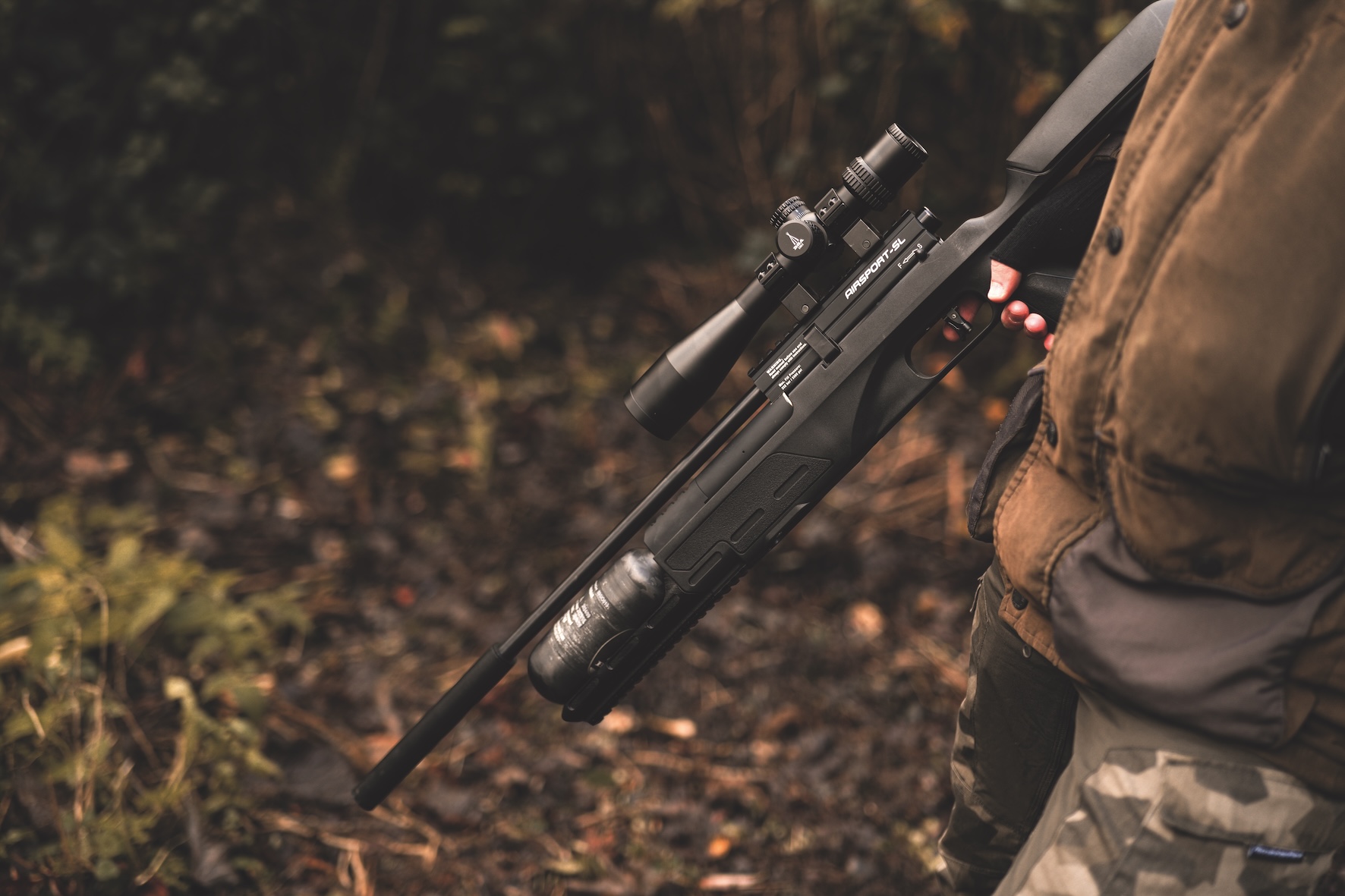
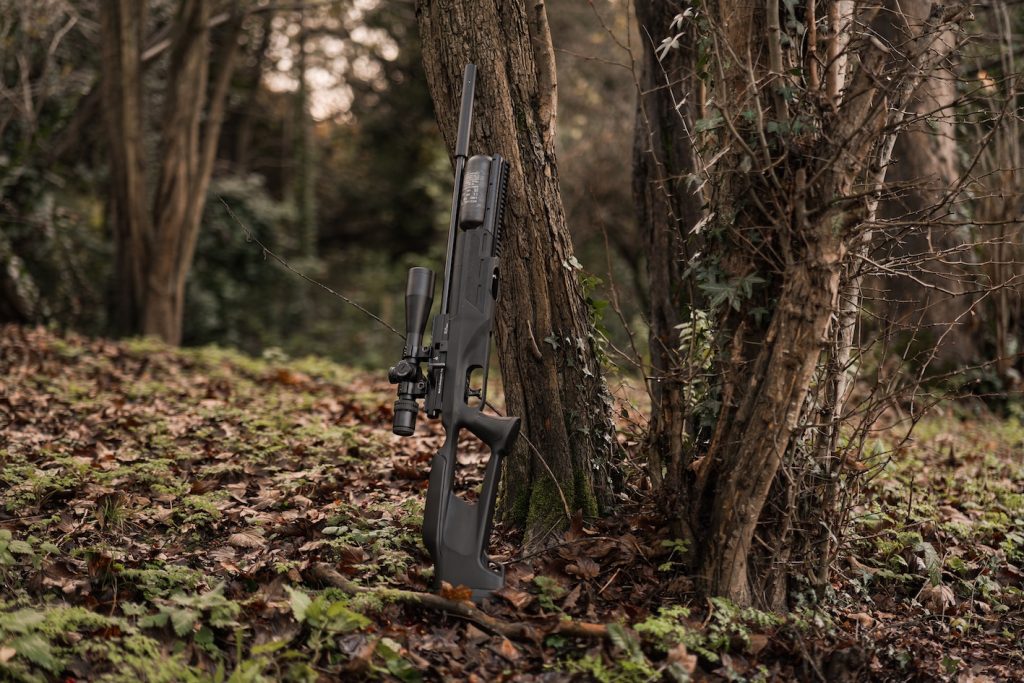
Simon Moore at BSA demonstrates this clearly. In 2026, the company launched the Airsport-SL air rifle, retailing at £899.

A company that has been making precision barrels for over 150 years is still innovating. That is what happens when you refuse to stop.

Magnificent craftsmanship

Stuart Mitchell, working in his Sheffield workshop, describes a well-made knife as “more than the sum of its parts”. It is part of a wider cultural story.

He means his knives. However, he could mean all of it.

The whole improbable, stubborn, magnificent enterprise of making things properly on a small island—and having the decency to feel quietly proud of it.

Buy British. It’s the least embarrassing thing you can do.

This article contains affiliate links. If you click on one of these links and make a purchase, we may earn a small commission at no additional cost to you. Affiliate income helps us maintain the quality of our content and keep it freely accessible. All recommendations are based on our honest opinions and thorough research. Would you like to speak to our readers? We offer sponsored articles and advertising to put you in front of our audience.  Find out more.

Related Product Reviews