

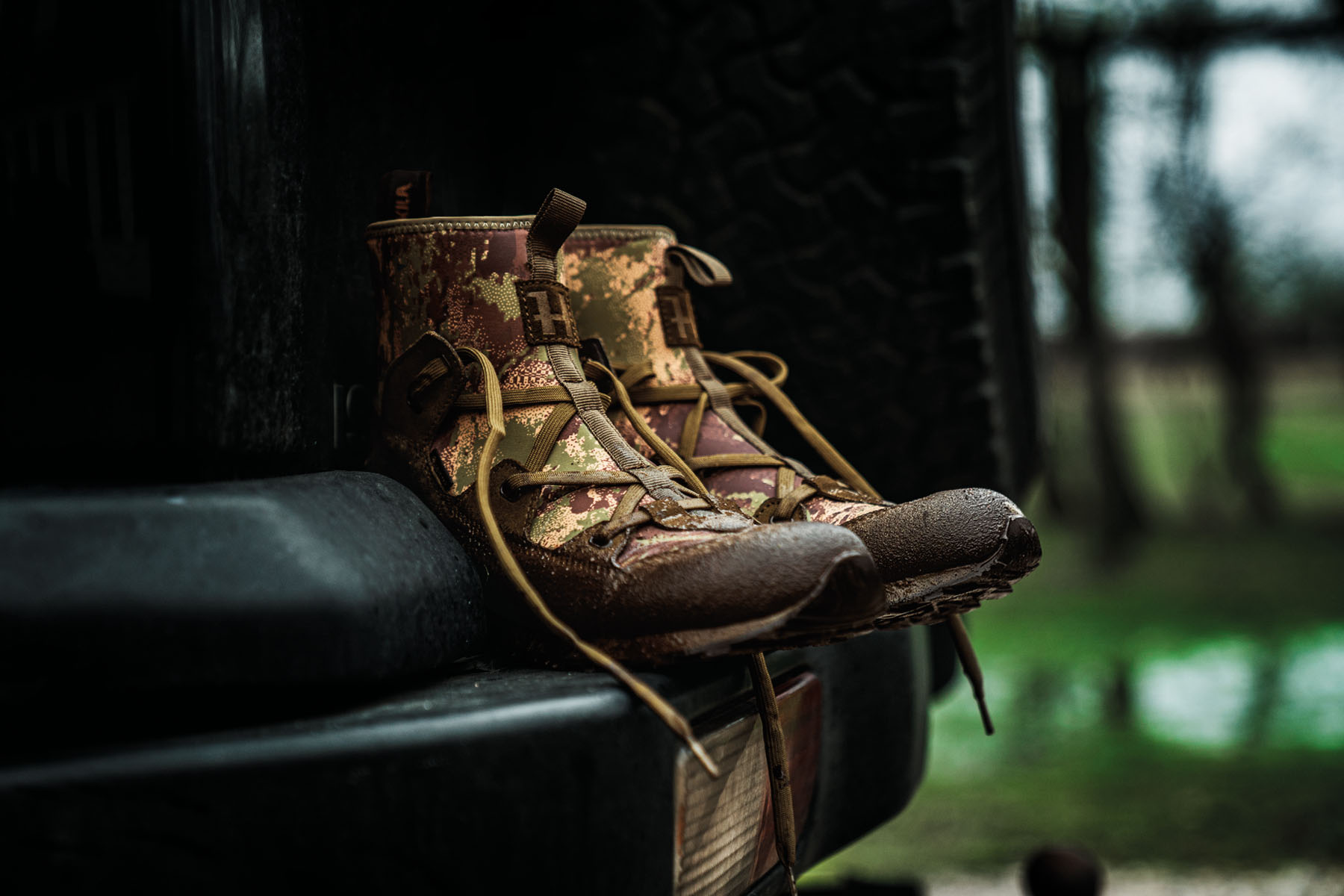
There is a particular kind of misery that only a stalker knows: the slow, sapping weight of a boot that felt perfectly reasonable at 5am but, by the time you’ve covered six miles of mixed ground in summer heat, has become something closer to a medieval punishment. We have all been there. We have all trudged miles back to our vehicle with feet that feel as though they’ve been encased in wet concrete.
The summer boot has, for too long, been treated as a second-tier consideration – something you buy when your trusted, bombproof winter pair is being resoled, or a grudging concession to the heat rather than a deliberate, optimised choice. That attitude is changing, driven by advances in materials science and a stalking community that is questioning whether heavy leather and brute durability are needed for a productive morning in woodland.
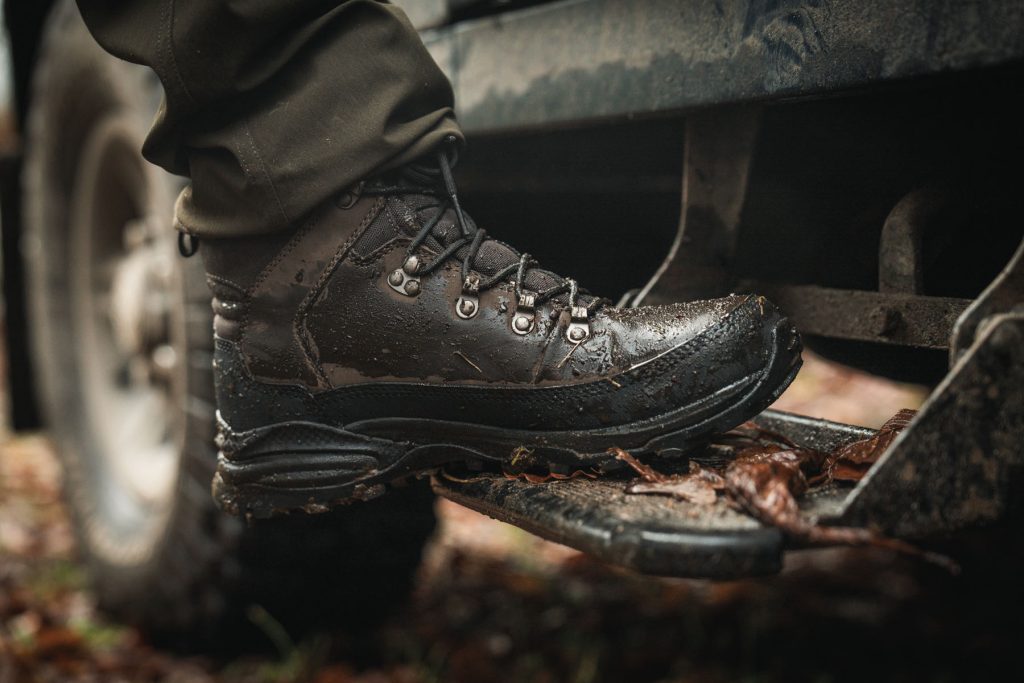
Here is what most stalkers know intuitively, and what a famous backpacking adage puts plainly: 1lb on your feet equals 5lb on your back. First popularised following a 1984 US Army study into load carriage and energy efficiency, it remains the most succinct explanation of why boot weight matters more than most people realise.
If you are covering many miles of woodland rides, hedgerows and upland, light boots mean a great accumulation of saved effort. By mid-afternoon, when the light is dropping and you are considering one final push into the far corner of the wood, that preserved energy is the difference between a disciplined approach and a weary shuffle that any self-respecting buck will hear from 200 yards.
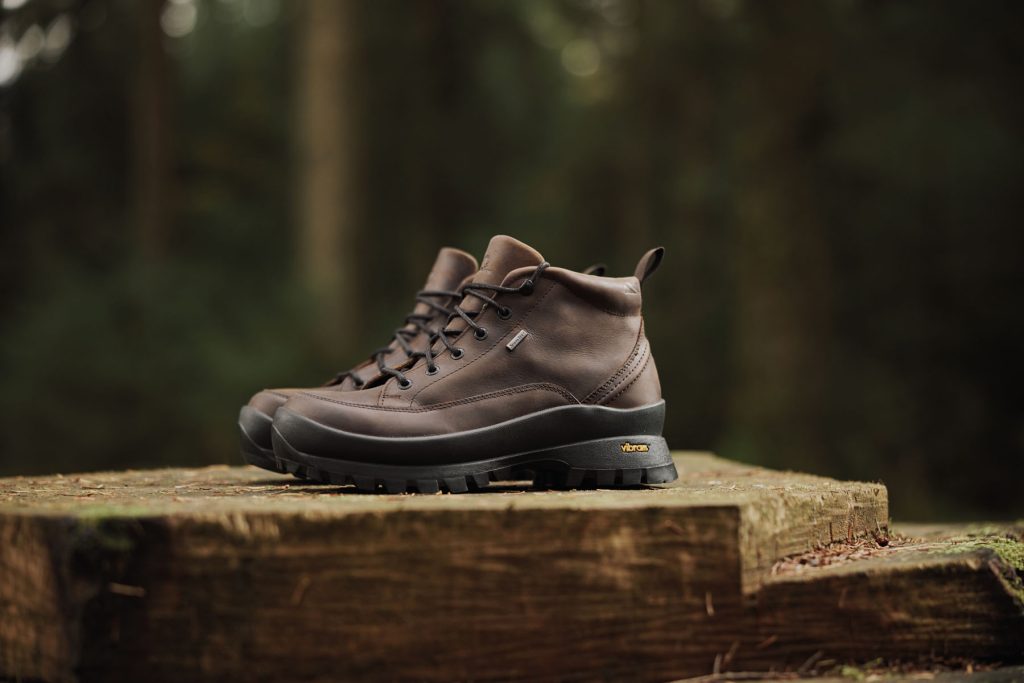
How lightweight stalking boots reduce fatigue
Phil Marsh at Chatham – a Devon-based brand with over 30 years of footwear heritage – frames it perfectly plainly: “Stalkers benefit from the reduced fatigue that comes with a lighter boot, without having to compromise on the stability needed for mixed terrain.” The old trade-off – you can have light, or you can have capable, but not both – no longer applies in any meaningful sense.
Andrew Hunter at Crispi agrees. The Italian brand, based at the foot of the Dolomites, has been perfecting technical boots for nearly 50 years and Andrew is clear that lightweight options now “reduce fatigue over long distances and allow quieter, more agile movement – both critical for stalking”. That second point matters enormously and does not get said nearly enough. Lighter boots do not only spare your legs. They fundamentally change the way you move over ground.
Ask an experienced roe stalker what they value most in summer footwear and the answer, more often than not, will have nothing to do with waterproof ratings or ankle cuff height. It will be feel. Specifically, the ability to sense what is underfoot before your weight fully commits – to detect that dry stick, patch of gravel, treacherous leaf-covered root – and adjust accordingly before the damage is done.
Spencer Tolley at Outfit International, distributor of Härkila and Seeland, puts his finger on it: “There’s nothing worse than walking deftly through a woodland and having the silence broken by a creaking boot. Feel comes into play when you are walking in a dry woodland and you can manipulate your foot around a stick so that it doesn’t snap.” That tactile feedback between foot and ground is something that thick, stiff-soled boots simply cannot provide.
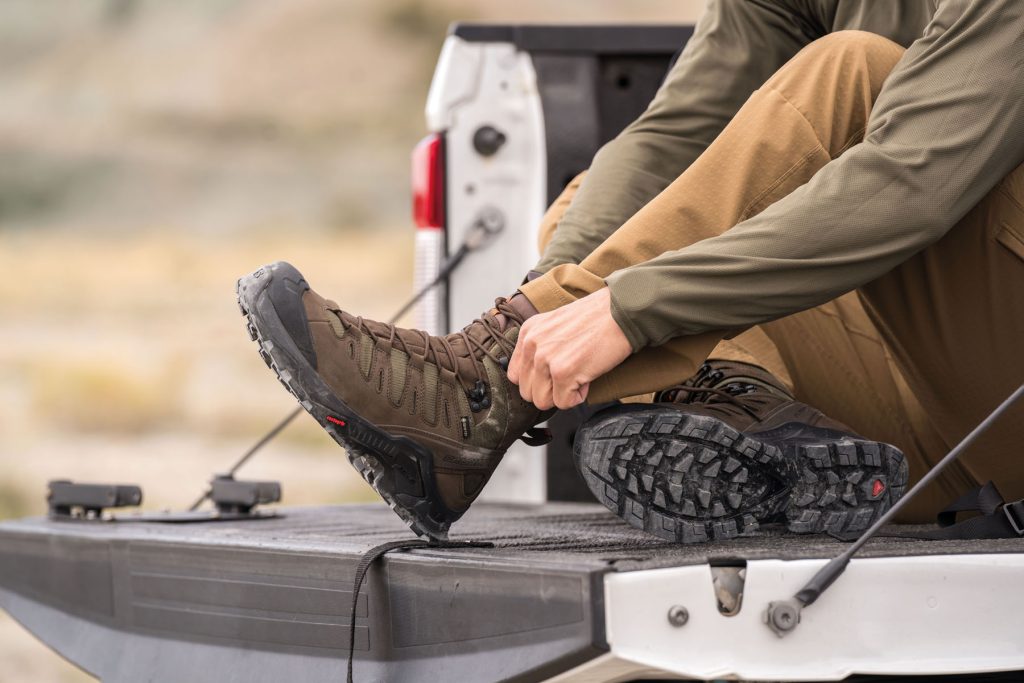
Josh Trueman at Brandecosse reinforces the point from a technical direction. The Scottish brand – designed in the hills of Galloway and handcrafted by Italian bootmakers in the Dolomites – was built on exactly this philosophy: “Greater underfoot feedback helps you move with precision, reading the ground, avoiding loose rock and minimising noise – all while enjoying the freedom of a more flexible boot.”
This is not a marginal gain. For woodland roe stalking in particular, where the margin between a clean, unhurried approach and a blown opportunity can be a single misplaced footfall, it is a decisive advantage.
The noise argument extends beyond the sole. Lightweight boots, built from softer, more pliable materials, tend to flex more naturally with the foot. They creak less. They slap less. They are quieter companions on the hill than their heavier counterparts – and when stalking, quiet companions are the only kind worth having. The engineering progress of the past decade in boot construction deserves more attention than it typically receives. This is not incremental tweaking around the edges. Some of it represents a radical rethink of how a performance boot is put together.
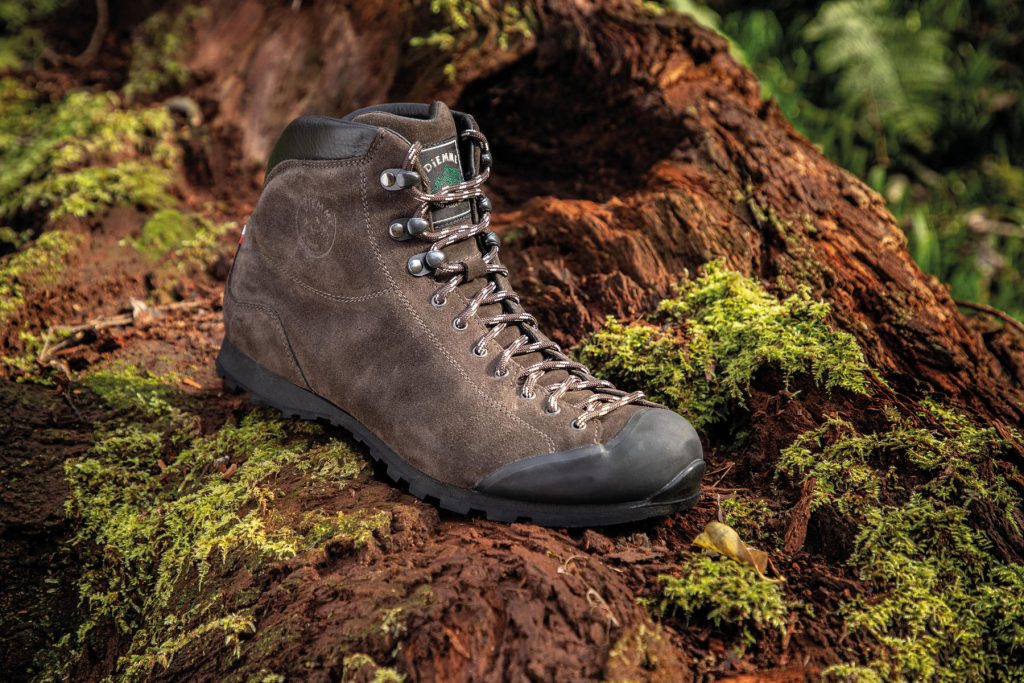
Graham Turner at Edgar Brothers, which distributes French brand Salomon in the UK, explains one of the more significant recent developments. He points to Salomon’s replacement of heavy leather with multidimensional synthetic overlays and welded SensiFit technology, which delivers a perfect fit without the bulk of stitching, and to the 3D Advanced Chassis – a low-profile plate integrated into the sole – which provides lateral stability without the weight penalty that was previously pretty much unavoidable.
Crispi’s proprietary ThermoWire Technology offers a different but equally effective approach: an integrated support structure that delivers stability without added mass, paired with improved Vibram Megagrip outsoles engineered for demanding terrain.
Brandecosse’s Capriolo range was built around an exacting brief, as Josh describes: “Maximise breathability, flexibility and underfoot feel, without compromising durability or waterproof performance.” The brief sounds simple; executing it at the level the brand demands is anything but.
Material advances have been equally important. Josh notes that high-quality suede offers a porous structure which allows heat and moisture to escape far more effectively than with traditional thick full-grain leather. Lightweight synthetic membranes, advanced air-mesh linings and perforated leathers have all conspired to make a breathable, capable summer boot that actually exists, rather than something marketing departments claimed existed while delivering a glorified trainer at an inflated price.
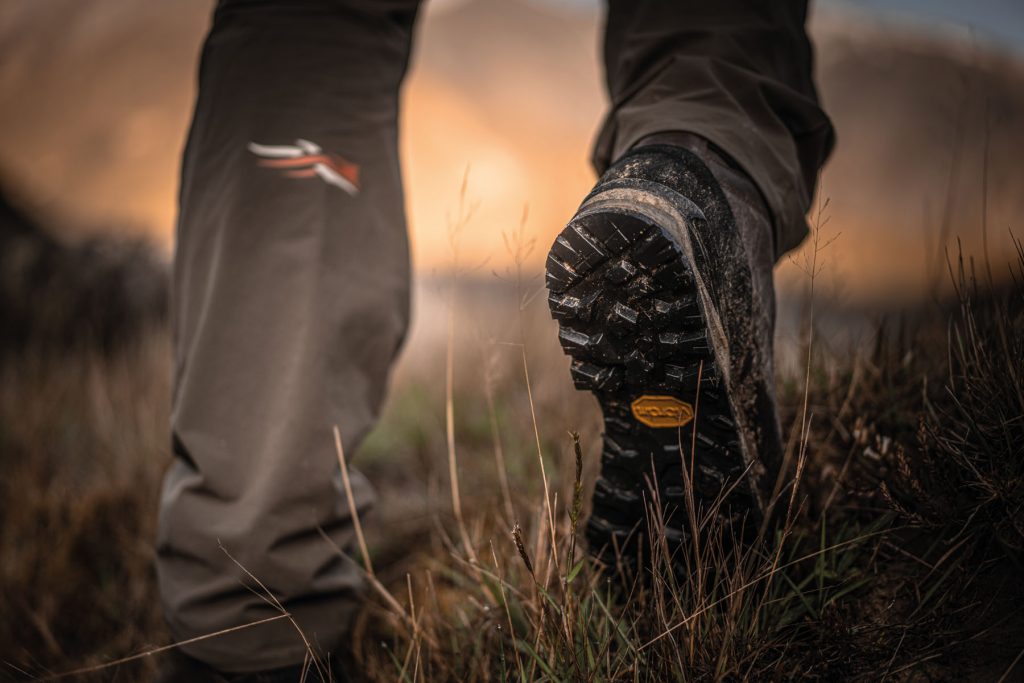
Phil at Chatham points to the cumulative effect: “Modern synthetics, lighter midsoles and refined sole patterns all contribute to comfort and grip.” No single innovation has transformed the lightweight boot – it is the combination of materials, construction, sole engineering and fit systems that has made today’s options genuinely compelling.
Do lightweight boots offer enough stability for stalking?
The litmus test, however, is whether lighter boots can really handle the hill. The short answer is mostly “yes,” with caveats worth mentioning. Josh is bullish: “The old trade-off between weight and performance is no longer a concern.” For the vast majority of British summer stalking, conducted in woodland and on accessible upland ground in reasonable conditions, he has a strong case. Andrew at Crispi agrees that models combining low weight with stability systems, ankle support and high-grip outsoles are “suitable for varied terrain and even hill stalking in many conditions”.
But nobody credible is claiming the lightweight boot is a universal solution. Andrew is candid: “For extreme mountain terrain, boggy conditions or heavy loads, a stiffer, more supportive boot may still be preferable.” Spencer at Härkila is equally measured, noting that for extreme open hill stalking, the support required “really only comes from tall leather boots”. These are honest admissions, not damning ones – they simply reflect the reality that no single boot has ever been the right tool for every situation, nor should we expect one to be.
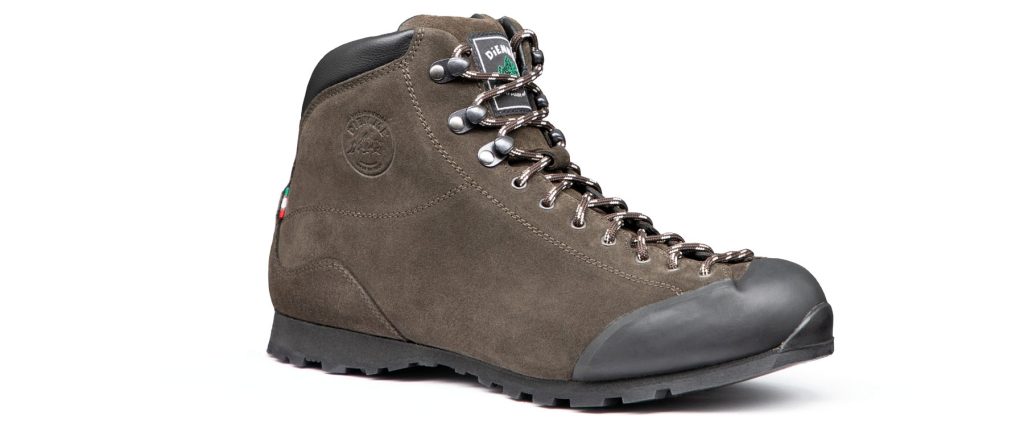
Graham draws a useful practical line: “On steep, technical terrain you still need lateral stiffness and ankle support to prevent twists on uneven ground.” Salomon’s mid-to-high cut options address this without the mass of a four-season mountain boot – and that mid-to-high profile is worth noting by anyone buying for mixed ground. The low-cut trainer-style boot – ideal for flat woodland work and precisely what is on offer in Härkila’s stalking sneaker – is a specialist tool with a specific purpose rather than a general solution for all terrain.
If you are buying for the first time, the checklist is specific without being overcomplicated. Phil’s framework is a sound foundation: ankle support, underfoot protection, reliable traction and the ability to manage heat and moisture effectively. Add to that Josh’s emphasis on flexibility and foot feel, Andrew’s insistence on quality outsoles and protective rands that will withstand rough ground without degrading, and Graham’s observation that when a boot is truly working, “a stalker’s best boot is one they forget they’re wearing”.
The summer ahead involves long mornings, warm ground, dew-soaked rides and roebucks that will not wait for tired legs. Your feet are your most important piece of equipment. Make sure you treat them accordingly.