

Home / Recipes / Pulled squirrel bonbons

Pulled squirrel bonbons

Grey squirrels threaten songbirds and cause damage to woodland, but they can be a delicious treat when deep-fried

Pulled squirrel bonbons
Shooting Times
Shooting Times 28 April 2026

You won’t need me to tell you that when grey squirrel numbers rise, red squirrel numbers tumble. Happily, you can do your bit by eating the enemy. In addition, responsible harvesting supports wider conservation efforts, as recognised by organisations such as The Wildlife Trusts and Forestry England.

This squirrel recipe nearly cost me my relationship. With limited game in the freezer, I needed something quickly. Then I had a great idea. Why not despatch some of the fat squirrels in the garden?

That evening, as the sun was going down, I glanced out of the back window and saw a lovely, plump-looking squirrel standing on a branch.

From garden cull to kitchen table

Excellent, I thought, as I darted to get my air rifle. I quietly opened the door enough to poke the barrel through and rested the forend on my knuckles, which were grasping the door frame. I dropped the crosshairs right behind the ear and fired. The squirrel dropped like a stone.

I gutted and skinned it, then rinsed the carcass and began my prep. When interrogated on the squirrel’s provenance, I was given away by my father-in-law, who had watched from an upstairs window. He liked the idea of the squirrel cull, but I still got a slapped wrist.

I’ve made barbecue rabbit bonbons, so I was sure this would be good. I prefer squirrel to rabbit as it has a nuttier taste (believe it or not), but the meat yield is low.

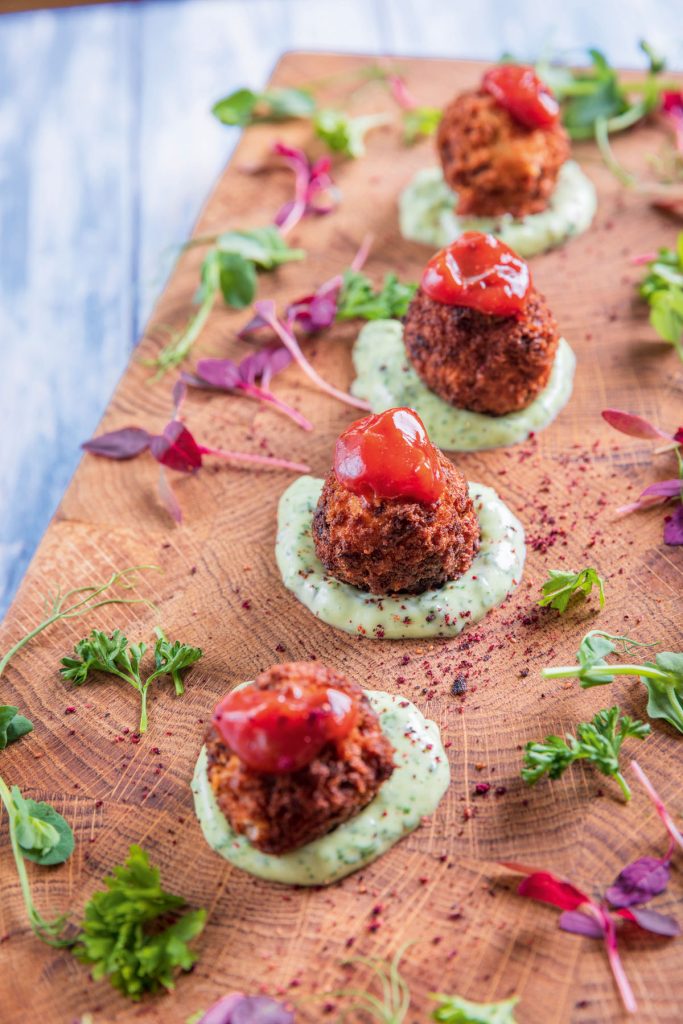
I used a barbecue sauce, but other flavours could be used – even curry. This recipe makes four pulled squirrel bonbons per squirrel and I would recommend using three squirrels to make the task worthwhile.
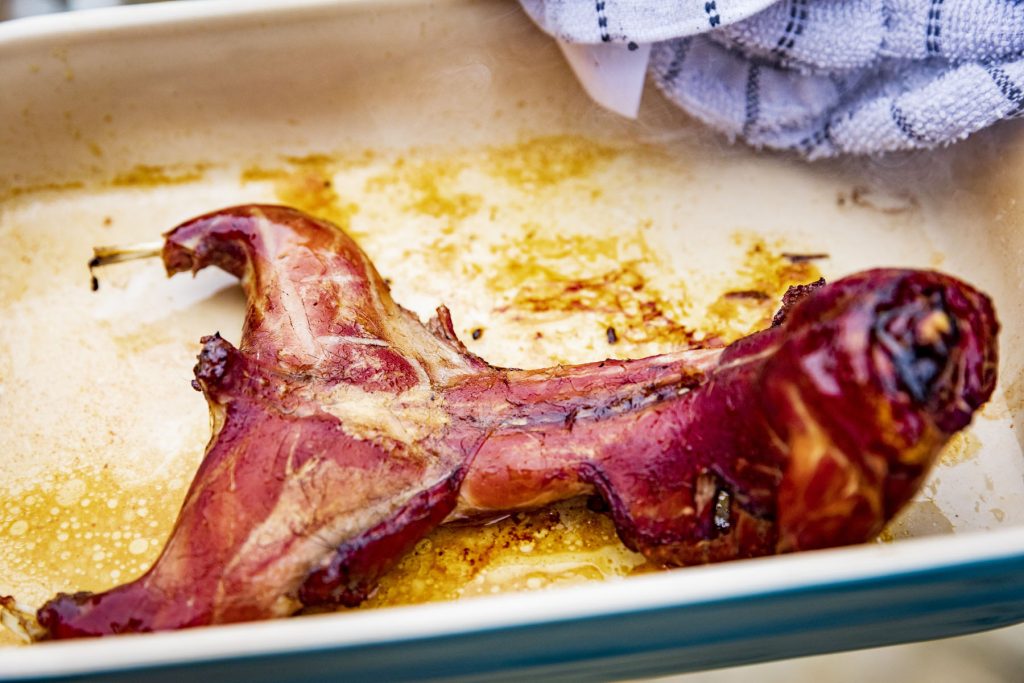


Ingredients for pulled squirrel bonbons

  • • 1 whole squirrel, oven ready (makes four bonbons)
  • • Marinade – ¼ tsp paprika, ¼ tsp garlic powder, ¼ tsp black pepper and ¼ tsp salt mixed in with 2 tsp olive oil
  • • 1 litre chicken stock
  • • 50g seasoned flour (½ tsp salt and ½ tsp pepper)
  • • 1 beaten egg
  • • 50g panko breadcrumbs
  • • Vegetable oil
  • • 2 tbsp barbecue sauce (if you don’t have any, make a quick version following the description in the method)

Method: How to cook squirrel bonbons

  1. About four hours before cooking, coat the squirrel with the marinade. Once ready, brown the squirrel lightly on all sides in a lightly oiled pan.
  2. Place in a small oven dish with enough chicken stock to cover around half the squirrel. Cover with a lid (or foil) and braise gently for 2 to 2½ hours at 150°C, turning occasionally. If the stock reduces too much, add a little more. Make sure the squirrel does not dry out.
  3. When the squirrel meat peels away from the bones with ease, it is ready. Place all the meat in a bowl with a tablespoon of stock to keep it moist. Add two tablespoons of good barbecue sauce and a decent crack of black pepper and salt.
  4. To make your own barbecue sauce, heat a tablespoon of soy sauce, two tablespoons of ketchup, a tablespoon of brown sugar, a pinch of cayenne and two teaspoons of red wine vinegar. Take two tablespoons from the mixture; there should be some left over.
  5. Prepare a coating for the bonbons: a small bowl of seasoned plain flour, a beaten egg in another bowl and finally a third bowl with some panko breadcrumbs.
  6. Roll the pulled squirrel meat into balls. If there is too much liquid, drain off a little until the balls are firm. Each squirrel should make four balls. Gently roll the balls in the flour, then dip into the beaten egg and roll delicately in the crumbs.
  7. Place into hot oil (about 185°C) and cook for 3 minutes, until the balls are golden brown. Make sure there is enough oil to cover the bonbons – a small pan works well for a litre of vegetable oil.

Serving suggestion and wild garlic mayonnaise

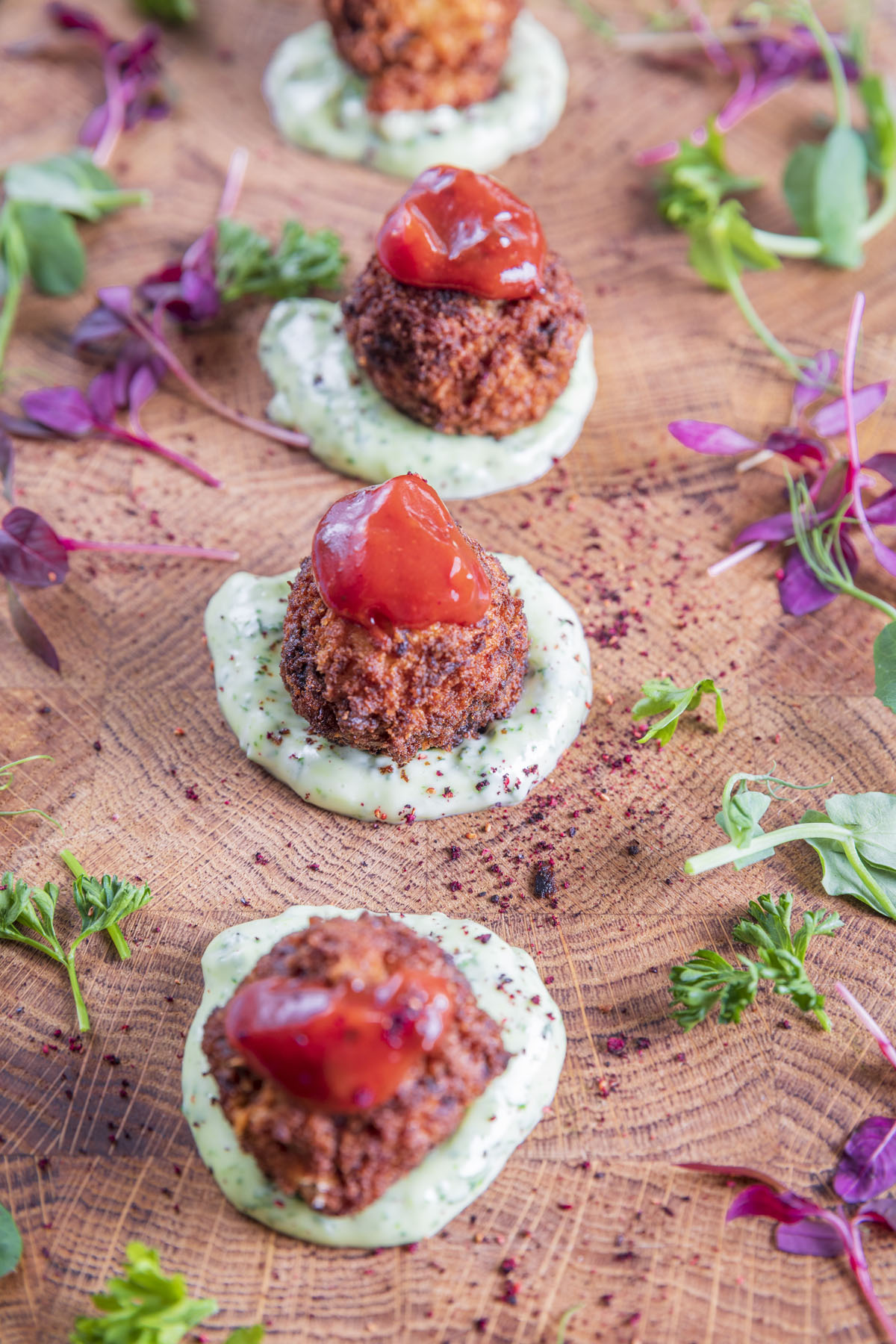
  1. Serve on a board and decorate. I used some chipotle ketchup, with wild garlic mayonnaise as a base. To make it, simply blanch 25g of wild garlic leaves in simmering water until soft, then remove and quickly place in ice to preserve the flavour and colour. Blitz with around 75g of mayonnaise and a little squeeze of lemon juice. The mayonnaise should then have a delicate pale green colour.

Field-to-fork cooking with purpose

Meanwhile, recipes such as this show how invasive species control can meet excellent field-to-fork cooking. For example, guidance on grey squirrel management can be found through British Association for Shooting and Conservation, while broader advice on sustainable wild meat use is available through Game & Wildlife Conservation Trust. As a result, dishes like pulled squirrel bonbons offer more than novelty — they connect countryside management, ethical harvesting and surprisingly fine eating.

Related Articles