★ Win a pair of Brandecosse Capriolo boots worth £219! Click here to enter ★

Young Shots- May
This month's Young Shots page has it all — from a roe deer masterclass and rifle round explainer to a 14-year-old's beating line memoir, venison cannelloni and your next gundog training challenge

Are you next month's star?
Are you a young Gun, beater or picker-up (or you know one) experiencing the field for the first time this year? We would love to hear all about your adventures and experiences. Perhaps you shot your first bird this season, stalked your first deer or started helping out with the gundogs. Why not get in touch to tell us all about your shoot and how you are getting involved? Send your stories to shootingtimes@twsgroup.com. Some of our favourite letters might even be in with a chance of winning some great prizes!
Star of the month: William Marshall
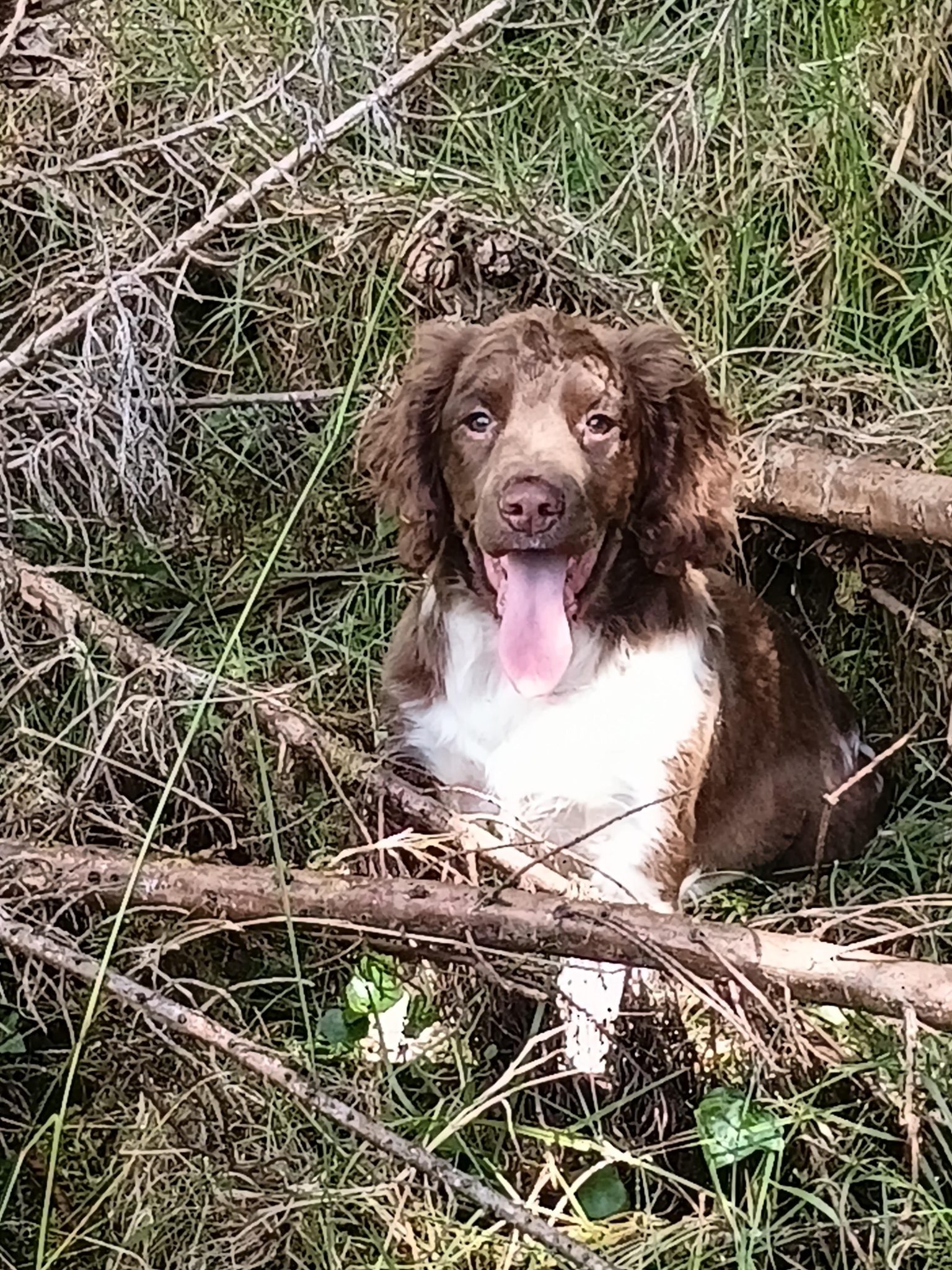
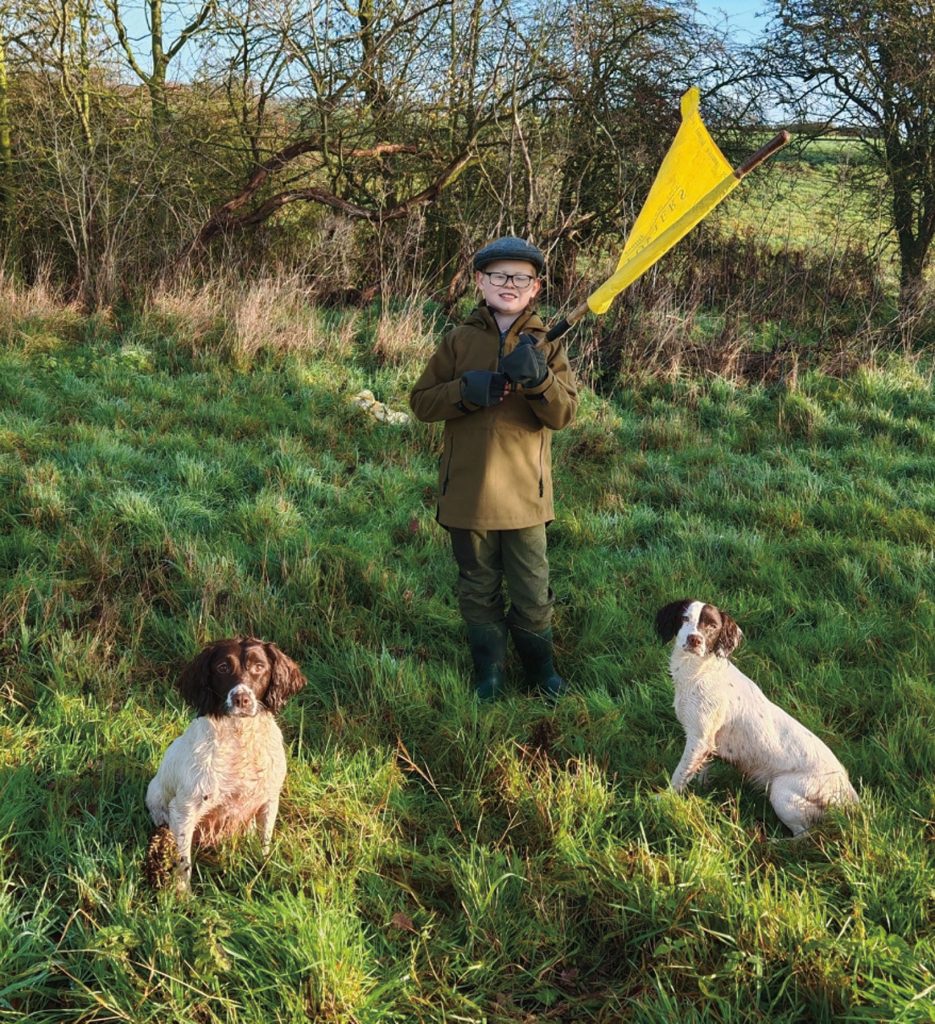
Eight-year-old William Marshall is from north Nottinghamshire and has just completed his second year beating on his local shoot. He loves being out working with his family’s two springer spaniels and has just started to shoot a .410. He has also started to join his dad, James, on deerstalking outings.
Quarry in question
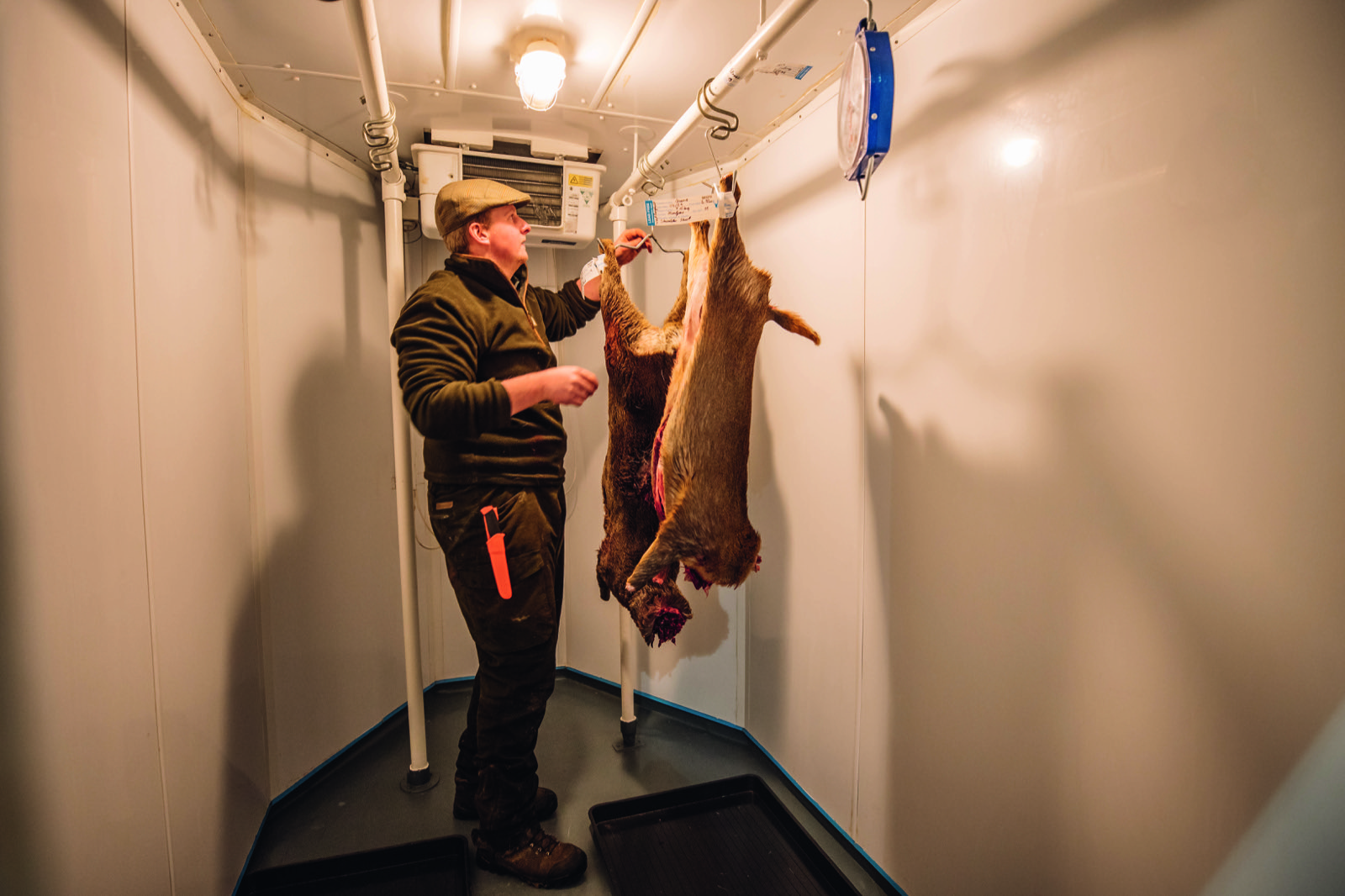
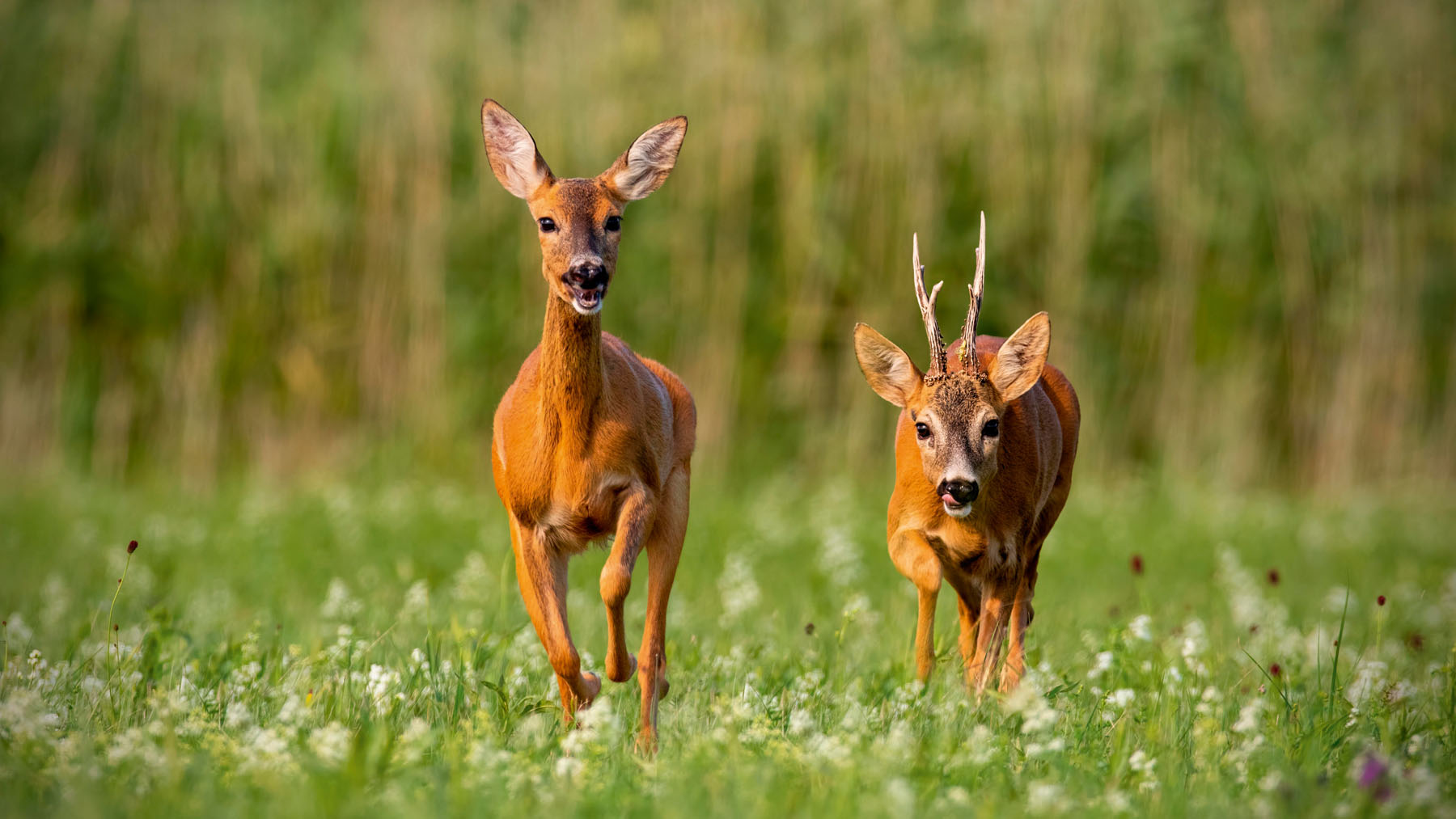
The remarkable roe deer
If you’ve ever wandered quietly through the countryside at dawn or dusk, you might have caught a glimpse of a small, graceful deer bounding through the trees. That’s the roe deer, one of the UK’s most widespread and fascinating mammals. They may be small compared with red deer, but are full of energy and adaptability – and a true master of woodland life.
- What is it: The roe (Capreolus capreolus) is a small and slender deer. Adults stand about 60cm-75cm tall at the shoulder and weigh 10kg-25kg. They have a reddish-brown coat in summer that turns greyish in winter, helping them stay camouflaged all year round. Instead of a visible tail, they have a distinctive white rump patch, which becomes very noticeable when they run. Male roe deer, called bucks, grow short antlers each year, usually with two to three points.
- How to find: Roe deer prefer woodlands, forest edges and farmland where they can easily hide and find food. They like areas with a mix of trees and open spaces, giving them both shelter and grazing opportunities. In the UK they are found widely across England and Scotland, and are spreading into more areas
as habitats improve. - Population: Roe deer are native to the UK and have been here since prehistoric times. After disappearing from some regions in the past, they have made a strong comeback. Today it is estimated that there are more than 500,000 roe living across the UK.
- Breeding: Roe have a very unusual breeding cycle. Mating (called the rut) happens in July and August, but the fertilised egg doesn’t start developing straight away. This phenomenon is called delayed implantation. The young – called kids – are actually born much later, in May or June the following year. Most often, mature roe does produce two kids at a time.
Did you know?
Roe deer are incredibly agile and can leap up to 2m high and 6m long when they are startled!
–

Readers in the field
My life on the beating line


I’ve spent most of my life out on a shoot. I’m 14 now, but I started beating when I was just four years old. Back then my waterproofs were too big, and my stick was mostly to help me balance, but I loved every second of being outside with the dogs, following my dad across the fields and through the woods.
Three years ago, Dad joined a small local shoot, Dover & Shorncliffe Garrison Shoot, and last season he took over as chairman. It’s a proper walk‑one, stand‑one syndicate, spread across three locations with two volunteer gamekeepers. On our shoot everyone pitches in, no exceptions, and that’s one of the things that makes it feel more like a community than a club.
Last season I was lucky enough to join properly as a junior member. The shoot offers junior membership at £150 for a season, which makes it affordable for people like me who are starting out. I’m the youngest of three juniors and everyone tries hard to encourage the next generation. It means a lot to be supported by so many experienced Guns.
I have two dogs, Chase, my cocker spaniel and Inky, my Labrador. They’re mad for it; I think they live for shoot days. Watching them hunting and retrieving is one of my favourite parts of the whole experience.
I’ll never forget shooting my first pheasant during the 2024-25 season. Dad let me take his go, and with a 28‑bore Yildiz I managed a clean shot. This year I reached another milestone when I shot my first woodcock. Those little achievements are what keep you hungry
to improve.
Our syndicate is made up of 20 full Guns, eight half-guns, three juniors, a few occasional Guns, an honorary past chairman and several other beater members. It’s a mixed bunch, but everyone gets along, and there’s always plenty of laughter between drives. Even my little sister, who’s 11, is part of the beating line. I’ve brought friends along too, hoping they catch the same bug I did all those years ago.
On top of safety first, Dad has drilled one message into me from the start: “If you’re not going to eat it, you don’t shoot it.” It’s a simple rule, but an important one, and it’s shaped the way I approach every day in the field. Respect for the countryside and the quarry is something I take extremely seriously.
I love being outdoors. I love the shooting, the conversations, the muddy boots, the teamwork and the belonging. Being part of this shoot has helped shape who I am.
Amy-May Andrews
Welcome to BASC
Fieldsports for the young
Encouraging young people into fieldsports is about far more than participation in a pastime. It’s about fostering a lifelong connection with the countryside, physical activity and personal responsibility. In an age when many young people are increasingly disconnected from the outdoors, shooting can offer them a structured, engaging way to become active and involved.
Through a safe, supervised introduction, youngsters develop practical skills, confidence and an understanding of conservation. Time spent in the field promotes both physical movement and mental wellbeing, while also teaching young people to have respect for wildlife and the environment.
At BASC we see first hand how pathways into shooting can transform engagement levels. It provides a sense of purpose, community and achievement.
By investing in accessible opportunities and education, we can ensure that the next generation not only stays active, but also becomes passionate custodians of our great countryside.
Curtis Mossop, BASC head of education and outreach
How to…

Rifle round works
When you look at a rifle round, you might simply call it a “bullet”. However, in the world of shooting, the whole package is actually called a cartridge or round. The bullet is just one of four clever components that work together in a fraction of a second to make actual the shot happen.
The chain reaction
This process is a masterclass in physics. When you pull the trigger, the firing pin strikes the primer. This creates a flash that travels into the case and sets the propellant alight. As the powder burns, the pressure builds up so much that it forces the bullet to break away from the case and fly down the barrel at thousands of miles per hour.
Inside the barrel you’ll find spiral grooves called rifling. These grip the bullet and make it spin rapidly, much like a perfectly thrown rugby ball. This spin keeps the bullet stable and straight in the air, allowing you to hit your mark with precision.
Understanding what happens inside your rifle is the first step towards becoming a more knowledgeable and accurate Young Shot.
The bullet: This is the projectile at the tip – the only part that actually leaves the barrel to head towards the target.
The case: Usually made of brass, this is the housing that holds everything together. It keeps the powder dry and, when fired, it expands slightly to seal the chamber, ensuring all the energy goes forward.
The primer: This is the tiny metal cup at the base. Think of it as like a match – it is filled with a pressure-sensitive chemical that sparks when the rifle’s firing pin strikes it.
The propellant: Inside the case is the powder. It doesn’t actually “explode” in a big bang; rather, it burns incredibly fast, turning from a solid into a massive volume of hot, rapidly expanding gas.
Cookery corner
Venison cannelloni

Ingredients
- 500g minced venison 1 tbsp olive oil
- 1 large onion, finely chopped
- 4 garlic cloves, crushed
- 1 x 660g passata with basil
- 200g dried cannelloni tubes
- Pinch caster sugar
For the topping
- 50g butter 50g plain flour
- 300ml whole milk
- 100g soft cheese with garlic and herbs
- 100g parmesan, grated
Step by step
- In a non-stick pan on medium-high heat, add some oil and warm it up. Then add the venison for about 7 minutes, breaking it up with a wooden spoon until browned. Set aside.
- Next, add oil to the pan and cook the onion for 5 minutes until soft. Add the garlic for an additional minute, then return the browned meat to the pan along with ¾ of the passata and sugar. Simmer the mixture for 20 minutes while you prepare the white sauce.
- Make the white wine sauce by heating butter in a small pan then, once foaming, stir in the flour for 1 minute. Slowly add milk, stirring constantly to avoid lumps, and bubble for 2 minutes while stirring. Remove from the heat and stir in soft cheese with seasoning until dissolved. Set aside, covered with cling film to prevent a skin from forming.
- Now you need to assemble the dish. Pour the remaining passata into the base of a large baking dish. Spoon the venison into the cannelloni tubes using a teaspoon and place them on top of the sauce. Pour the white sauce over the cannelloni and sprinkle with parmesan.
- To cook, preheat the oven to 200°C/180°C fan/gas 6 and bake for 40-45 minutes until the pasta is tender and the topping is golden.
Gundog guidance: Foundations for success
These simple training steps will help you feel confident, build trust with your dog and set the right foundations for success in the field.
Hunting prep
- Sit your dog up: Make sure your dog is calm and waiting for you, just like you practised last month.
- Lay the scent: Leave your dog in a sit and walk forward a few steps into some longer grass with a rabbit ball, a tennis ball or a small dummy. Rub it on the grass to leave a strong scent. Start with a 2m circle. Drag the scent all the way around the edge and then across the middle.
- Hide the retrieve: When you reach
the middle of the circle, tuck the ball
or dummy under the grass so that it is hidden and leave it there. Before you go back to your dog, add a little more scent inside the circle. You do not want your dog going straight to the retrieve; they need to hunt
and find it. - Send your dog: Walk back to your dog and give a clear “find it”. Stand still and watch them work. They should move around inside the scented circle with their nose down, following the trail you made.
- Add the hunt whistle: While your dog is hunting, you can add a soft “twit twoo” on the whistle like an owl. This helps your dog learn that the whistle and the words “find it” mean the same thing.
- Build confidence: When your dog finds the retrieve, give plenty of praise. As they grow in confidence, sit your dog up next to the circle while you walk away a few steps. This gives distance between you and your dog before you tell it to hunt.
- Build it up: When this feels easy, increase the circle to around 3m to keep the exercise fun and rewarding.
If you have any questions, feel free to get in touch at jennifer@jtdogtraining.com
Jennifer Thomas, JT Dog Training and Muntjac Trading ambassador
Related Articles
Shooting Times Junior
Young Shots: gundog training, drey poking and recipes
Welcome to Shooting Times Junior, featuring expert advice on gundog training, a guide to drey poking for squirrels, and a delicious southern fried rabbit recipe
By Shooting Times
Shooting Times Junior
Young Shots- February
See February's instalment of Young Shots
By Shooting Times
Get the latest news delivered direct to your door
Subscribe to Shooting Times & Country
Discover the ultimate companion for fieldsports enthusiasts with Shooting Times & Country Magazine, the UK’s leading weekly publication that has been at the forefront of shooting culture since 1882. Subscribers gain access to expert tips, comprehensive gear reviews, seasonal advice and a vibrant community of like-minded shooters.
Save on shop price when you subscribe with weekly issues featuring in-depth articles on gundog training, exclusive member offers and access to the digital back issue library. A Shooting Times & Country subscription is more than a magazine, don’t just read about the countryside; immerse yourself in its most authoritative and engaging publication.