★ Beat print – get early access to the news by signing up to the Shooting Times newsletter here ★

Courts told to jail hare coursers
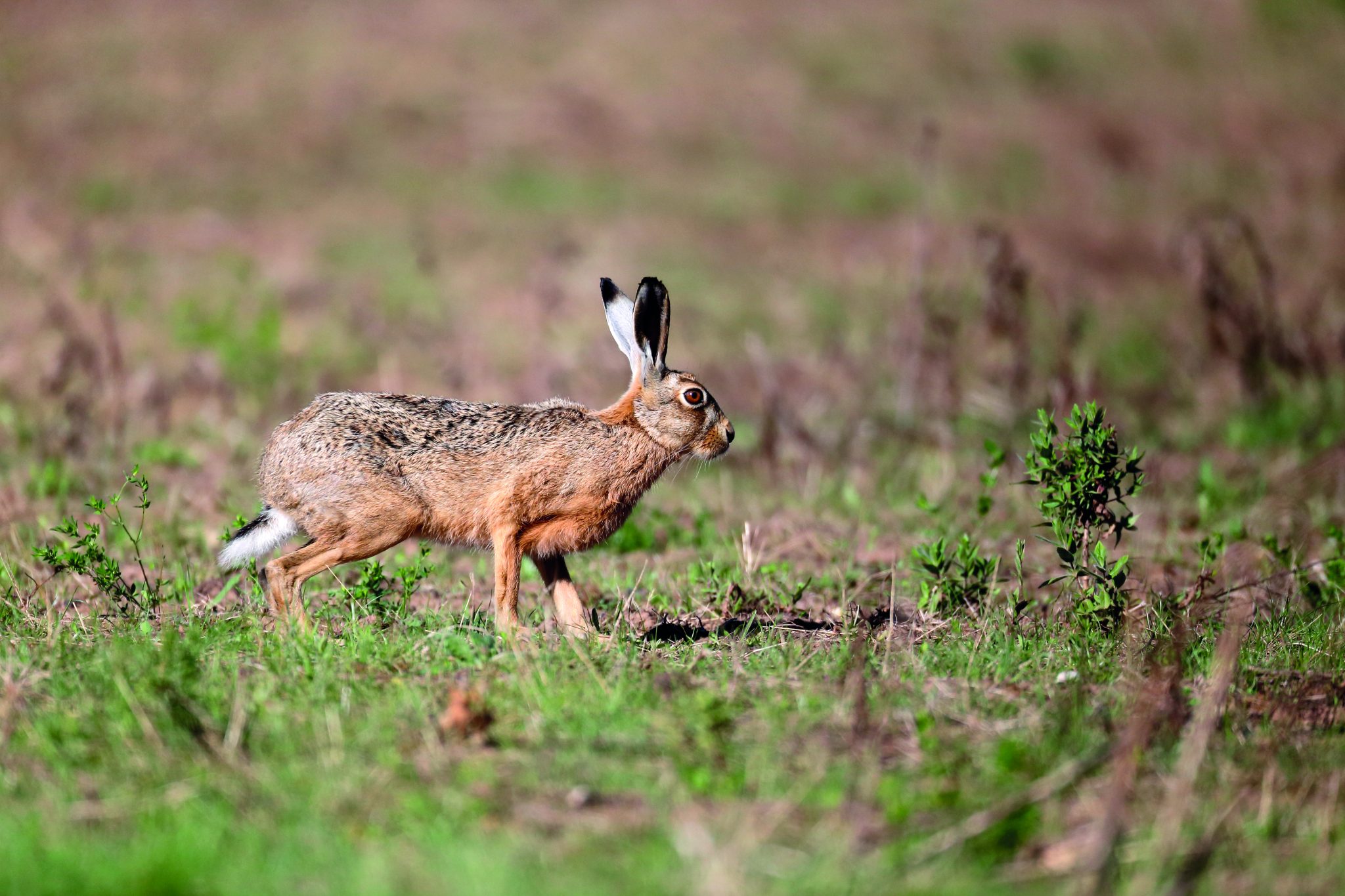
For the first time, courts will be formally directed towards custodial sentences for those convicted of offences associated with hare coursing and poaching.
 Credit: Getty Images

Courts given new sentencing framework
A new guideline from the Sentencing Council acknowledges what those who work the land have long argued: that the offences associated with hare coursing and poaching are among the most destructive crimes inflicted on rural England and Wales, but courts have not been punishing them accordingly. From 1 June, that may change, as courts will be formally directed towards prison sentences for the most serious cases.
The move by the Sentencing Council follows a 12-week consultation in which farmers, gamekeepers and rural organisations gave evidence about the impact of hare coursing and poaching on their lives and livelihoods. What they described was a crime that goes far beyond the pursuit of hares; it is one bound up with organised gambling, intimidation and, in some cases, lasting psychological damage.
Four offences fall within the scope of the guideline: taking or destroying game by night; daytime trespass in search of game; trespass with intent to search for or pursue hares with dogs; and being equipped for that purpose. Until now, courts have not been steered on how to sentence those offences and the highest penalty of six months in custody went unused. As recently as 2024, not one offender received a custodial sentence; just a fine, according to the Sentencing Council.
His Honour Judge Simon Drew KC, a member of the Sentencing Council, said: “Illegal activities associated with hare coursing cause real harm to wildlife, to property, to farmers and their families and to the wider rural communities that often deal with the repercussions of this aggressive crime. The strength of feeling we heard through our consultation made clear just how seriously this issue is felt. This guideline ensures the courts have the tools to reflect that harm in sentencing.”
.
Organised crime and intimidation recognised
From June, courts will assess the harm caused to people, animals, crops and property, and consider how culpable the offender was, with planning, intimidation and expectation of financial gain all pointing towards a harsher sentence. For the most serious offences, the starting point is 18 weeks in custody. Aggravating factors can push that sentence further: using vehicles to chase animals or evade police, carrying weapons, or using technology to stream events for gambling purposes, among others.
There is one caveat. Under the Sentencing Act 2026, which came into force in March, courts must presume to suspend any custodial sentence of 12 months or less, and all sentences within the guideline fall beneath that threshold. That means in practice, suspended sentences are likely to be the norm. But courts can also ban offenders from owning dogs, seize vehicles and equipment and order offenders to pay the costs of any animals taken into police custody.
.
Shooting and farming groups welcome changes
Both BASC and the NGO responded to the Sentencing Council’s consultation and welcomed the new guideline. “Our membership includes gamekeepers, farmers and land managers,” said Glynn Evans, BASC’s head of game and wildlife management. “Many of them live and work in rural communities directly affected by this criminality. Some have experienced intimidation, verbal abuse, threats of violence or worse. This new sentencing guideline recognises the impact of these crimes and should help ensure consistency in approach.”
Tim Weston, director of environment, policy and politics at the NGO, said: “Hare coursing and poaching are by far the most prevalent and destructive of all wildlife crimes and we welcome tougher sentences going forward. Gamekeepers are at the forefront of protecting our wildlife and wild places and it is about time they get more support from the courts.”
Farmers, too, welcomed the move. Robyn Munt, NFU vice-president, said: “The NFU has driven its campaign to ensure the voices of farmers and growers are heard and we welcome the Sentencing Council’s recognition of the need for tougher, more consistent sentencing to help protect farmers and their livelihoods and restore the feeling of safety on farms and in rural communities.”
The guideline applies to offenders aged 18 and over sentenced on or after 1 June. Hare coursing itself remains a fine-only offence under the Hunting Act 2004.
Do you have a news story to share?
Contact our group news editor Hollis Butler at hollis.butler@twsgroup.com. We aim to respond to all genuine news tips and respect source confidentiality.
Stay in the loop with the latest fieldsports news
Don’t miss a story – get shooting news straight to your inbox or phone. Join our newsletter and WhatsApp channel.
Related Articles
News
BASC's new campaign needs your input
Positive stories from members about sustainable shooting will help support BASC’s Four Seasons campaign, urges Conor O’Gorman
By Conor O'Gorman
News
Gamekeepers' film tackles rural suicide
The Gamekeepers Welfare Trust has premiered a new documentary exploring suicide in rural communities.
By Hollis Butler
Get the latest news delivered direct to your door
Subscribe to Shooting Times & Country
Discover the ultimate companion for fieldsports enthusiasts with Shooting Times & Country Magazine, the UK’s leading weekly publication that has been at the forefront of shooting culture since 1882. Subscribers gain access to expert tips, comprehensive gear reviews, seasonal advice and a vibrant community of like-minded shooters.
Save on shop price when you subscribe with weekly issues featuring in-depth articles on gundog training, exclusive member offers and access to the digital back issue library. A Shooting Times & Country subscription is more than a magazine, don’t just read about the countryside; immerse yourself in its most authoritative and engaging publication.