★ Win a pair of Brandecosse Capriolo boots worth £219! Click here to enter ★


Scotland proposes fourteen new wader recovery zones
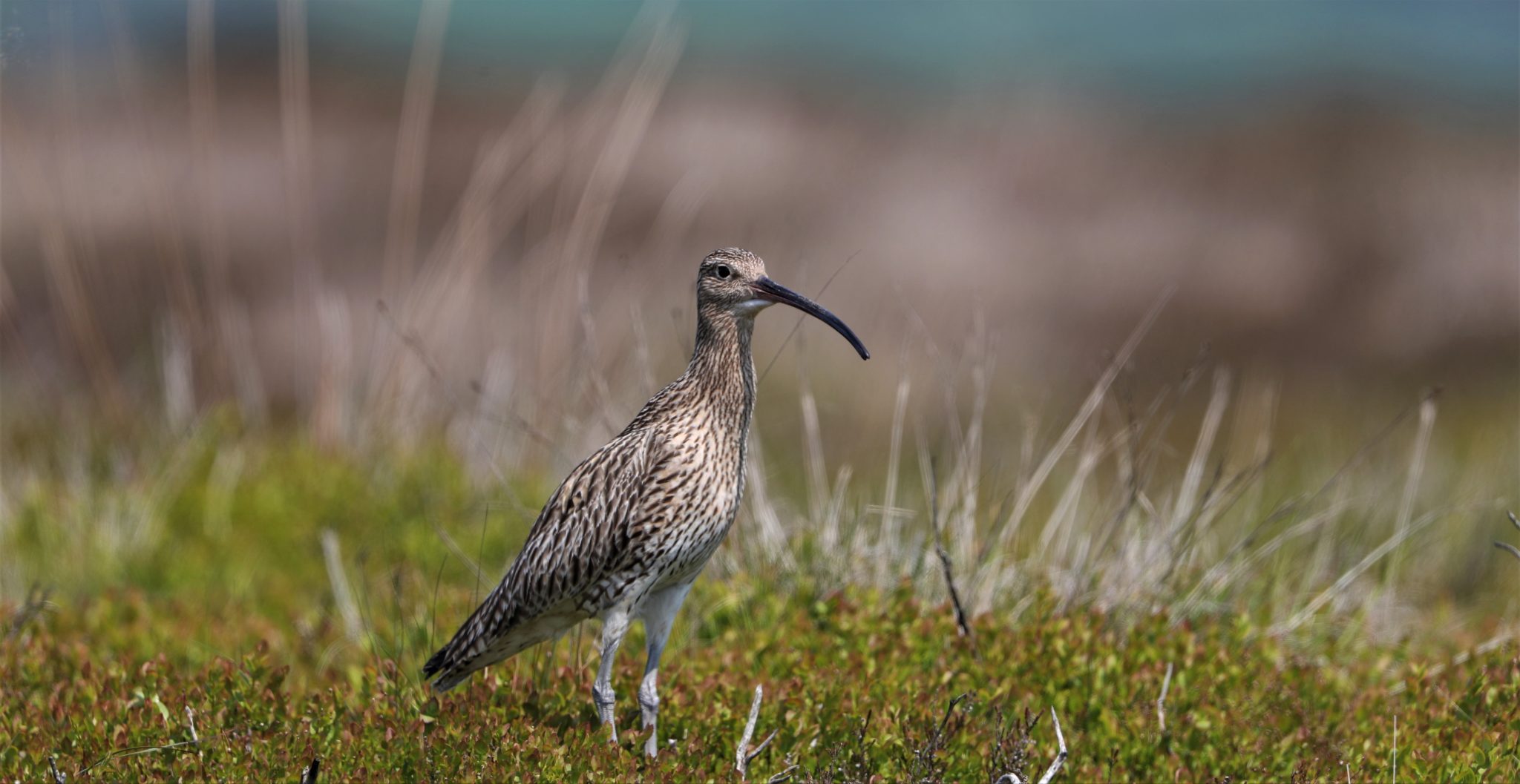
A new initiative aims to concentrate wader conservation where it can make the most difference, as figures reveal steep declines across all five farmland species.
 Credit: Getty Images

New wader recovery areas proposed across Scotland
Fourteen strongholds for Scotland’s declining wading birds have been proposed by NatureScot and the Working for Waders partnership, which is consulting farmers, gamekeepers and other conservationists on the plans.
The areas, which stretch from Shetland to the Central Belt, have been identified as hotspots where wader populations remain healthy and conditions can support multiple species. Each would cover thousands of hectares of suitable habitat, with the aim of concentrating conservation effort and resources where they are most likely to make a difference.
.
Decline of Scotland’s farmland waders
Scotland holds internationally important numbers of some breeding waders, but almost all species are in serious decline. Curlew numbers fell by 62% between 1995 and 2024, while lapwings declined by 63% and oystercatchers by 41% over the same period.
Waders are under pressure from the loss of open breeding habitats through agricultural intensification and woodland planting. They nest in moorland and agricultural grassland, leaving eggs and chicks vulnerable to livestock, machinery and predators. Forestry can displace waders directly, and the birds will frequently avoid land within hundreds of metres of woodland edges.
.
Consultation with farmers and land managers
Patrick Laurie, Working for Waders project coordinator, has been travelling the country to consult farmers, gamekeepers and conservationists in the proposed areas, focusing on what is already being done, what more could be achieved and what support is needed.
“Wherever they’re found, species like lapwings, curlews and redshank are loved and admired, but they face a range of issues depending on where they are,” he said.
“Predation is an issue for waders in Lanarkshire, but fewer ground predators are present on islands like Islay, where weather conditions and climate change may be more significant threats. In Angus and Lanarkshire, forest expansion is a major concern for waders, but the same cannot be said of areas like Orkney and Shetland. There are no easy answers, but the Wader Recovery Area approach allows us to focus on the detail and deliver real change.”
.
NatureScot calls for collaborative action
Dave Parish, NatureScot ornithologist, said: “Waders are some of our most wonderful and celebrated birds, but they are suffering steep declines. All the ‘big five’ farmland waders – curlew, lapwing, oystercatcher, redshank and golden plover – have been lost from historical parts of their breeding range in Scotland.
“Sadly, we probably do have to recognise that the days of every suitable farm having a few wader pairs might be a thing of the past, but with this new approach we hope to put the brakes on the overall decline that we are seeing in Scotland. We want to work with partners, farmers and land managers in these areas to see what more we can do together to help these much-loved species.”
Do you have a news story to share?
Contact our group news editor Hollis Butler at hollis.butler@twsgroup.com. We aim to respond to all genuine news tips and respect source confidentiality.
Stay in the loop with the latest news
Don’t miss a story – get news straight to your inbox or phone. Join our newsletter and WhatsApp channel.
Related Articles

News
Keeper inherits share of £2m estate
A gamekeeper who spent his working life on a Scottish estate has inherited a third of it. The family who received the rest are determined to get it back.
By Hollis Butler

News
Tributes pour in for “true legend” of the gundog world
The gundog community is mourning the death of respected trainer Andy Cullen MBE, founder of Laochin Gundogs, aged 60.
By Hollis Butler
Get the latest news delivered direct to your door
Subscribe to Shooting Times & Country
Discover the ultimate companion for fieldsports enthusiasts with Shooting Times & Country Magazine, the UK’s leading weekly publication that has been at the forefront of shooting culture since 1882. Subscribers gain access to expert tips, comprehensive gear reviews, seasonal advice and a vibrant community of like-minded shooters.
Save on shop price when you subscribe with weekly issues featuring in-depth articles on gundog training, exclusive member offers and access to the digital back issue library. A Shooting Times & Country subscription is more than a magazine, don’t just read about the countryside; immerse yourself in its most authoritative and engaging publication.