★ Win a pair of Brandecosse Capriolo boots worth £219! Click here to enter ★

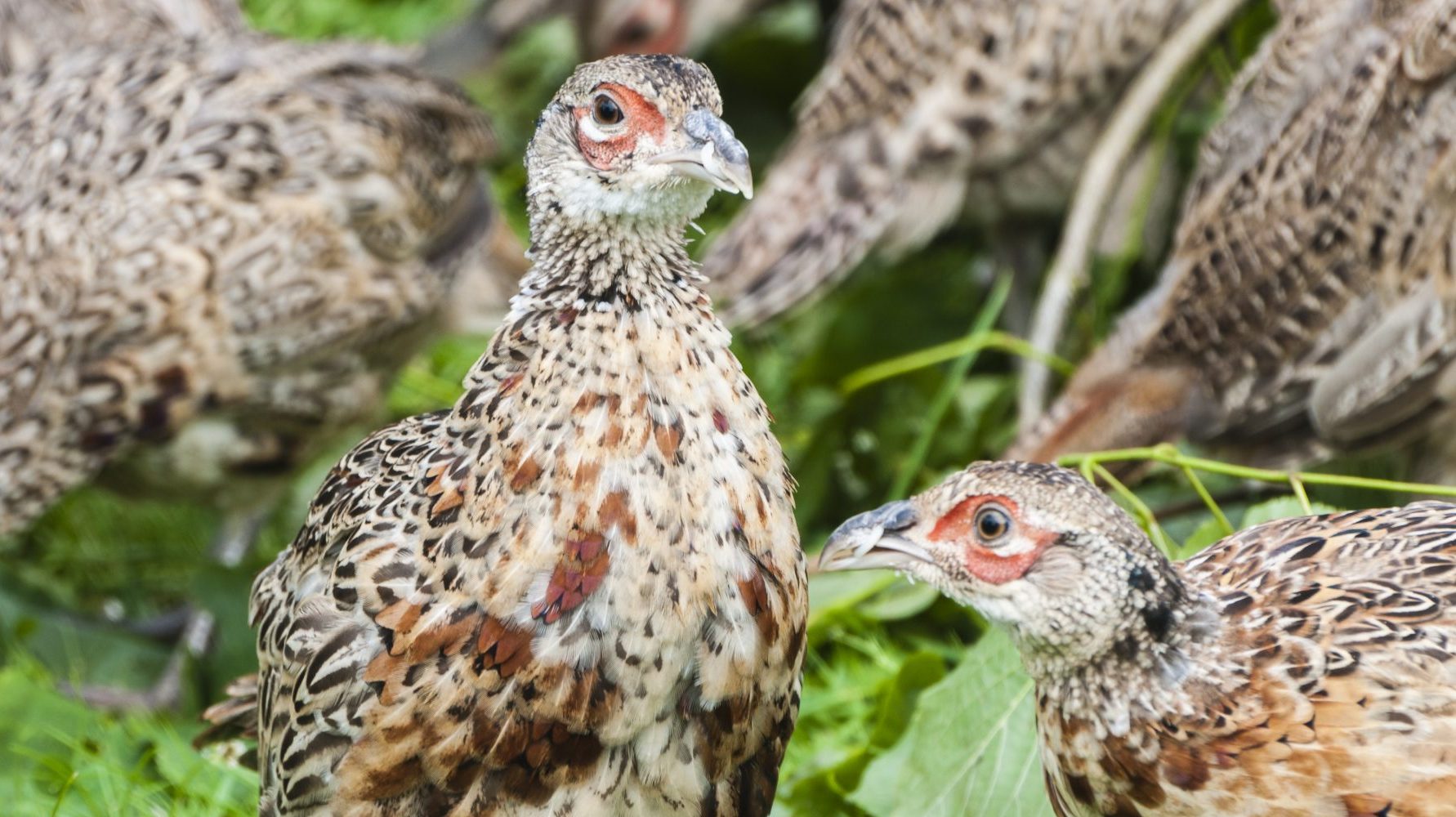

Thermal drone deployed to protect curlew chicks
A Cumbria conservation group is using a thermal drone to locate curlew nests and chicks before fields are cut, helping farmers protect one of Britain's fastest-declining wading birds.
 Credit: Curlew Recovery South Lakes / Facebook

Thermal drone helps protect nesting curlews
A Cumbria-based charity is using a thermal drone to locate curlew nests and chicks before farmers cut their fields, in a bid to arrest the decline of one of Britain’s most threatened wading birds.
Curlew Recovery South Lakes asks farmers to make contact as soon as they suspect a nest or chicks may be present in a field due for cutting. The drone is then deployed to scan the ground before work begins. Drone pilot Barny Sykes, from Brigsteer, said: “Once a nest is fenced, farm operations can continue safely around it. Farmers have been fantastic – some have even adjusted cutting timings to help the birds.”
.
Ground-nesting birds face machinery risk
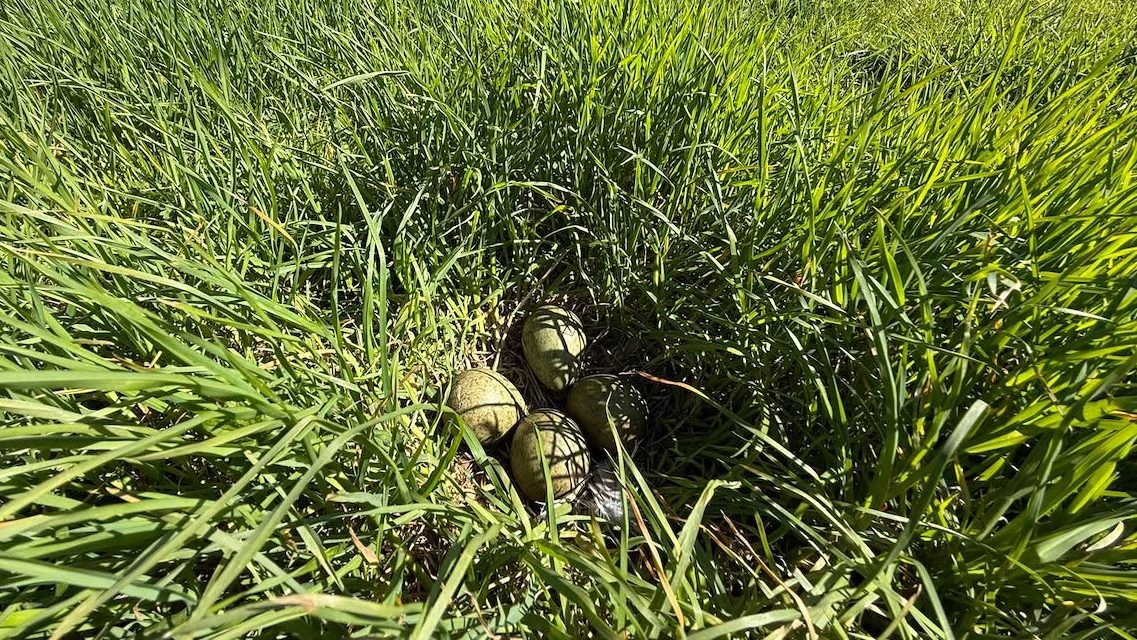
Curlews nest in ground scrapes and incubate their eggs for 27–29 days. Chicks then spend a further five to six weeks with their parents before fledging, a period during which farm machinery poses a direct threat.
By early June the group had found 33 nests, with 61 chicks hatched from 17 of them. Ten nests had been lost to predation or abandonment, six still contained eggs and 16 broods were being actively monitored.
Volunteer fieldworker Susannah Bleakley, from Crosthwaite, said: “We’ve found more nests this year than ever before, helped by farmer tip-offs and what we’ve learned in previous seasons. We’ve had encouraging results over the last two years, with more chicks fledging locally than for many years.”
Related Articles

News
Two new members elected to BASC Council
BASC has announced the election of Will Wilkinson and Tomos Davies to its governing Council following the association's 2026 AGM.
By Hollis Butler
News
NGO urges Defra to restore gamebird release licence
The National Gamekeepers' Organisation is calling on Defra to reinstate the general licence for gamebird releases on protected sites after avian influenza restrictions were lifted.
By Hollis Butler
Get the latest news delivered direct to your door
Subscribe to Shooting Times & Country
Discover the ultimate companion for fieldsports enthusiasts with Shooting Times & Country Magazine, the UK’s leading weekly publication that has been at the forefront of shooting culture since 1882. Subscribers gain access to expert tips, comprehensive gear reviews, seasonal advice and a vibrant community of like-minded shooters.
Save on shop price when you subscribe with weekly issues featuring in-depth articles on gundog training, exclusive member offers and access to the digital back issue library. A Shooting Times & Country subscription is more than a magazine, don’t just read about the countryside; immerse yourself in its most authoritative and engaging publication.