★ Win a pair of Brandecosse Capriolo boots worth £219! Click here to enter ★


Creature feature on our new banknotes
The Bank of England has shortlisted wildlife for its new banknotes. BASC's Conor O'Gorman looks at the choices and how to vote before 3 July
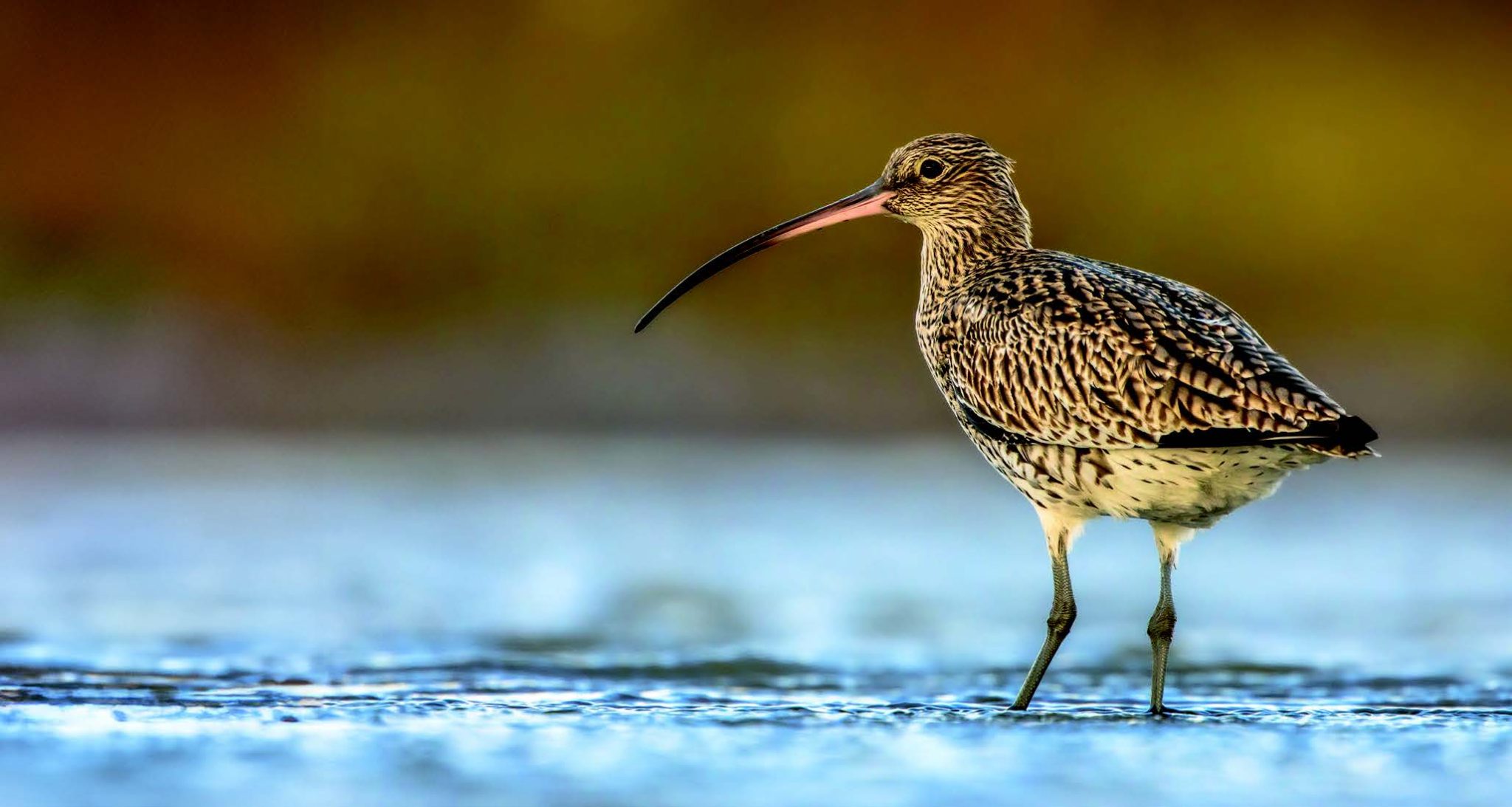 The curlew is on the shortlist for British notes, along with several other iconic species.
Credit: Bigstock
The curlew is on the shortlist for British notes, along with several other iconic species.
Credit: Bigstock

Every Monday morning there are a couple of fivers left on the table for my sons to use as bus money for the week at school. If you had asked me a few months ago what details were on the front and back of those notes I would have been hard pushed to say other than that the fiver is blue and either Queen Elizabeth II or King Charles III is featured.
I will come back to that later, but first let’s look at the proposed changes ahead. On 3 June, the Bank of England launched a public vote on a shortlist of mammals, birds, fish, insects and amphibians for its next series of banknotes.
This followed a public consultation last year on which theme to take, followed by the announcement in March 2026 that the focus would be on nature and a review panel was created to decide on a shortlist.
What can you vote for?
Voting is open until 3 July under the following categories:
- Category A options are bottlenose dolphin, brown hare, hedgehog, grey seal, pine marten and red fox. You can choose two of these mammals.
- Category B options are puffin, barn owl, kingfisher, curlew, great spotted woodpecker and white-tailed eagle. You can choose two of these birds.
- Category C options are salmon, basking shark, buff-tailed bumblebee, common frog, emperor dragonfly and marsh fritillary butterfly. You can choose two from this list.
The reason for the review is to improve anti-counterfeit features on our legal tender and wildlife imagery is a good option for the best use of that technology.
There are great conservation stories to tell about how shooting helps many of the terrestrial species on the shortlist, with curlew perhaps the front runner.
It is not the first time that animals have featured on UK money. The Royal Bank of Scotland banknotes include images of mackerel, otter, red squirrel and osprey. Ulster Bank features brent geese, Irish hare, eels and pine marten on its notes.
In 2023, the Royal Mint issued eight new coins featuring nature to reflect King Charles’s interest in conservation. Hazel dormouse is on the 1p coin, red squirrel on the 2p, oak leaf on the 5p, capercaillie on the 10p, puffin on the 20p, salmon on the 50p, bees on the £1, and national flowers on the £2 coin. I have yet to see any of these in my change but, growing up in Ireland, there were animals on every coin.
Woodcock
If you were to ask me what’s on the Irish 10p I would tell you salmon without hesitation – that’s been the case for generations and as a child of the 1980s, that’s mostly what I used to buy sweets. You were spoilt for choice if in possession of a 50p woodcock coin.
Putting money to one side, the Royal Mail has been a fantastic advocate for nature on British stamps for generations, with inspiring collections covering a huge diversity of flora and fauna. My favourite series is the evocative 2004 woodland themed stamps, which includes roe deer and wildcat.
Returning to the question of what’s next for England’s banknotes, the current series features portraits of historical figures and their signatures, together with related background imagery and quotes. Perhaps take a closer look at your notes before they change. There is fascinating imagery on the England £20 of HMS Temeraire, a 98-gun warship that fought in the Battle of Trafalgar being towed down the river Thames by a steam tug to be broken up for scrap.
This move by the Bank of England to put nature on our notes has captured the public imagination and perhaps raised greater awareness of British wildlife and conservation. But in an increasingly cashless society, it’s a moot point whether many will see or appreciate the outcome.
As for the Bank of England’s shortlist, I chose hedgehog, pine marten, barn owl, kingfisher, bumblebee and butterfly.
What species will you vote for? To have your say, please visit https://www.bankofengland.co.uk/banknotes/help-us-design-our-next-series-of-banknotes
Frequently Asked Questions
How do I vote on the Bank of England banknote animals?
The Bank of England opened a public vote on 3 June 2026, running until 3 July. Voters can choose up to two species from each of the three categories (mammals; birds; and fish, insects and amphibians). Votes can be submitted via the Bank of England’s website or by post.
Which animals are on the shortlist?
There are 18 species across three categories. Category A (mammals) covers bottlenose dolphin, brown hare, hedgehog, grey seal, pine marten and red fox. Category B (birds) covers puffin, barn owl, kingfisher, curlew, great spotted woodpecker and white-tailed eagle. Category C covers salmon, basking shark, buff-tailed bumblebee, common frog, emperor dragonfly and marsh fritillary butterfly.
Why is the Bank of England changing the banknotes?
The change is part of a move to improve anti-counterfeit security features on legal tender. Following a public consultation, nature was chosen as the theme for the next series, and wildlife imagery works well with the latest security technology.
Related Articles
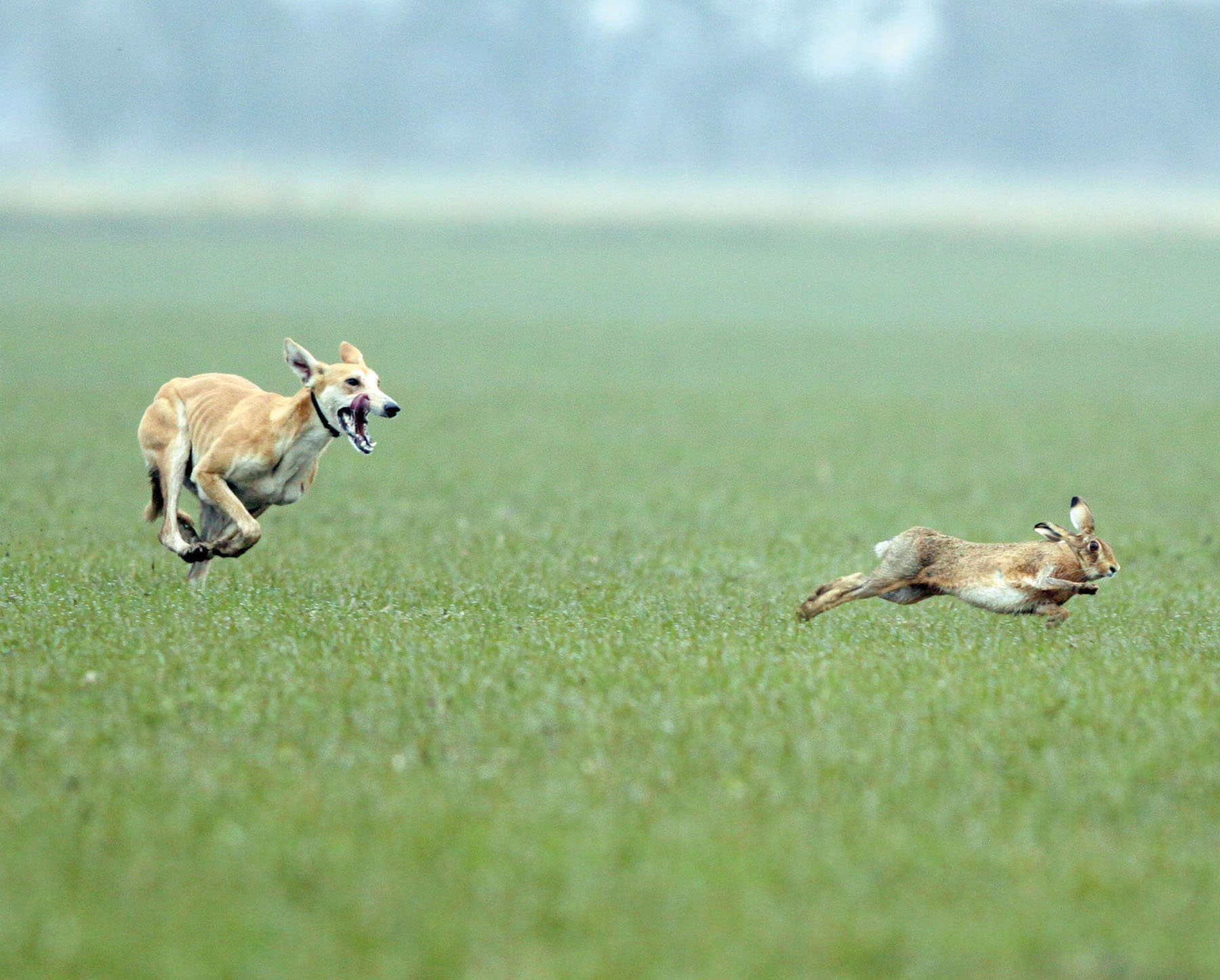
Clamping down on illegal hare coursing – what new sentencing guidelines mean for rural communities
Updated sentencing guidance recognises the wider criminality and intimidation often associated with hare coursing, says Glynn Evans
By BASC
Thermal drone deployed to protect curlew chicks
A Cumbria conservation group is using a thermal drone to locate curlew nests and chicks before fields are cut, helping farmers protect one of Britain's fastest-declining wading birds.
By Hollis Butler
Get the latest news delivered direct to your door
Subscribe to Shooting Times & Country
Discover the ultimate companion for fieldsports enthusiasts with Shooting Times & Country Magazine, the UK’s leading weekly publication that has been at the forefront of shooting culture since 1882. Subscribers gain access to expert tips, comprehensive gear reviews, seasonal advice and a vibrant community of like-minded shooters.
Save on shop price when you subscribe with weekly issues featuring in-depth articles on gundog training, exclusive member offers and access to the digital back issue library. A Shooting Times & Country subscription is more than a magazine, don’t just read about the countryside; immerse yourself in its most authoritative and engaging publication.