★ Win a pair of Brandecosse Capriolo boots worth £219! Click here to enter ★

Gamekeepers press ministers to back fisheries in close season review
The National Gamekeepers' Organisation has urged ministers to add cormorants to the close season list as it responds to Defra's consultation.
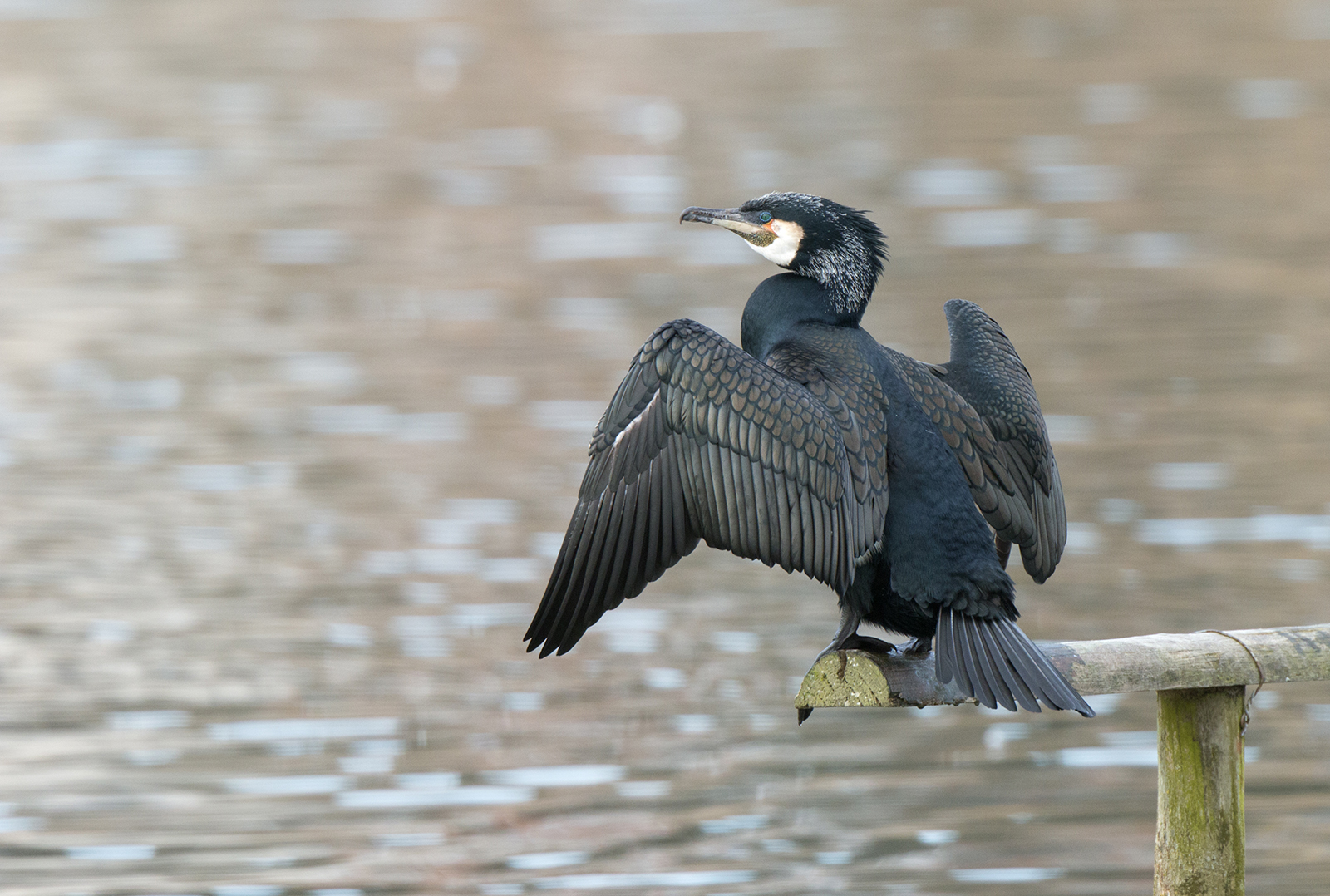

The National Gamekeepers’ Organisation (NGO) has urged ministers to do more for fisheries as it lodged its response to a government consultation on the close season rules that decide which wild birds may be controlled in England, Wales and Scotland. The organisation used its submission to Defra to press for cormorants and other fish-eating birds to be added to the list of species that can be managed outside the close season, and said it would shortly launch a petition on the Parliament website calling for the same change. It also set out what it described as a positive and practical vision for conservation, arguing that the people who manage the land day to day should be heard alongside scientists when nature policy is written.
What does the consultation cover?
The consultation concerns Part 1 of Schedule 2 to the Wildlife and Countryside Act 1981, which lists the wild birds that may be killed or taken outside their close season. The close season is the period each year when birds are protected so they can breed and migrate, and it varies from species to species.
The schedule currently names 19 species in England and Wales and 23 in Scotland, mostly ducks, geese and wading birds. Among Defra’s proposals were an extended close season for woodcock and a new close season for woodpigeon. The consultation ran for eight weeks and closed on 17 May.
The gamekeepers’ response
In its response the NGO, which represents gamekeepers, river keepers, ghillies and land managers across the UK, pointed to the conservation work its members already carry out, including habitat creation, woodland management, predator control and species recovery. It argued that gamekeepers are well placed to deliver practical, hands-on help for some of the country’s most vulnerable species.
The organisation said practical experience and local knowledge should sit alongside scientific evidence when future environmental policy is shaped, and called on government to work more closely with those managing land on the ground.
Tim Weston, the NGO’s director of environment, policy and politics, said: “We have a great story to tell about game management, particularly how this benefits the economy, and the wider UK countryside. We are here to work with the government to improve biodiversity and have a proven track record in doing so.”
Why add cormorants to the list?
The call to add cormorants and other fish-eating birds to Schedule 2.1 reflects a long-running concern among fishery managers and river keepers about the toll such birds can take on fish stocks. The NGO said a forthcoming petition would aim to raise the issue at Westminster.
What happens next?
Ministers will now weigh the responses received before deciding whether to amend the schedule. Shooting and fishing organisations are expected to watch closely, given the bearing the rules have on both quarry shooting seasons and the management of predatory birds.
Frequently Asked Questions
What is the close season consultation about?
It concerns Part 1 of Schedule 2 to the Wildlife and Countryside Act 1981, which lists the wild birds that may be controlled outside their close season in England, Wales and Scotland.
What does the NGO want changed?
The National Gamekeepers’ Organisation wants cormorants and other fish-eating birds added to the list of species that can be managed, and plans a Parliament petition to that end.
When did the consultation close?
The eight-week Defra consultation closed on 17 May 2026; ministers will weigh the responses before deciding whether to amend the schedule.
Related Articles
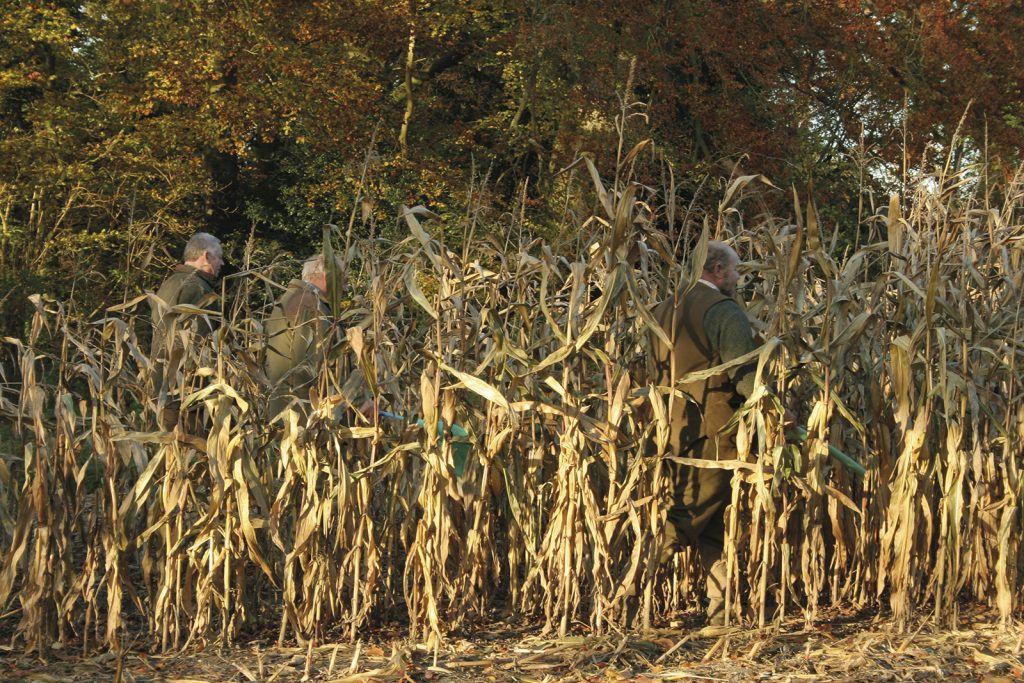
Derbyshire game shoot shows what cover crops can do for nature recovery
A Derbyshire DIY game shoot shows what game cover crops and predator control can deliver for nature recovery, in a new BASC case study.
By News Desk
Shooting bodies back new firearms mental health partnership in Scotland
Shooting and gamekeeping bodies have joined a new Scottish firearms mental health partnership helping certificate holders ask for support
By News Desk
Get the latest news delivered direct to your door
Subscribe to Shooting Times & Country
Discover the ultimate companion for fieldsports enthusiasts with Shooting Times & Country Magazine, the UK’s leading weekly publication that has been at the forefront of shooting culture since 1882. Subscribers gain access to expert tips, comprehensive gear reviews, seasonal advice and a vibrant community of like-minded shooters.
Save on shop price when you subscribe with weekly issues featuring in-depth articles on gundog training, exclusive member offers and access to the digital back issue library. A Shooting Times & Country subscription is more than a magazine, don’t just read about the countryside; immerse yourself in its most authoritative and engaging publication.