★ Save on shop price when you subscribe. Pay just £2.80 per issue – 43% cheaper than buying in-store at £4.95! ★


BASC awaits judgment after High Court challenge to Natural England
BASC has completed a two-day High Court hearing in its judicial review of Natural England's licensing regime for releasing gamebirds near Special Protection Areas, with judgment reserved until later this year
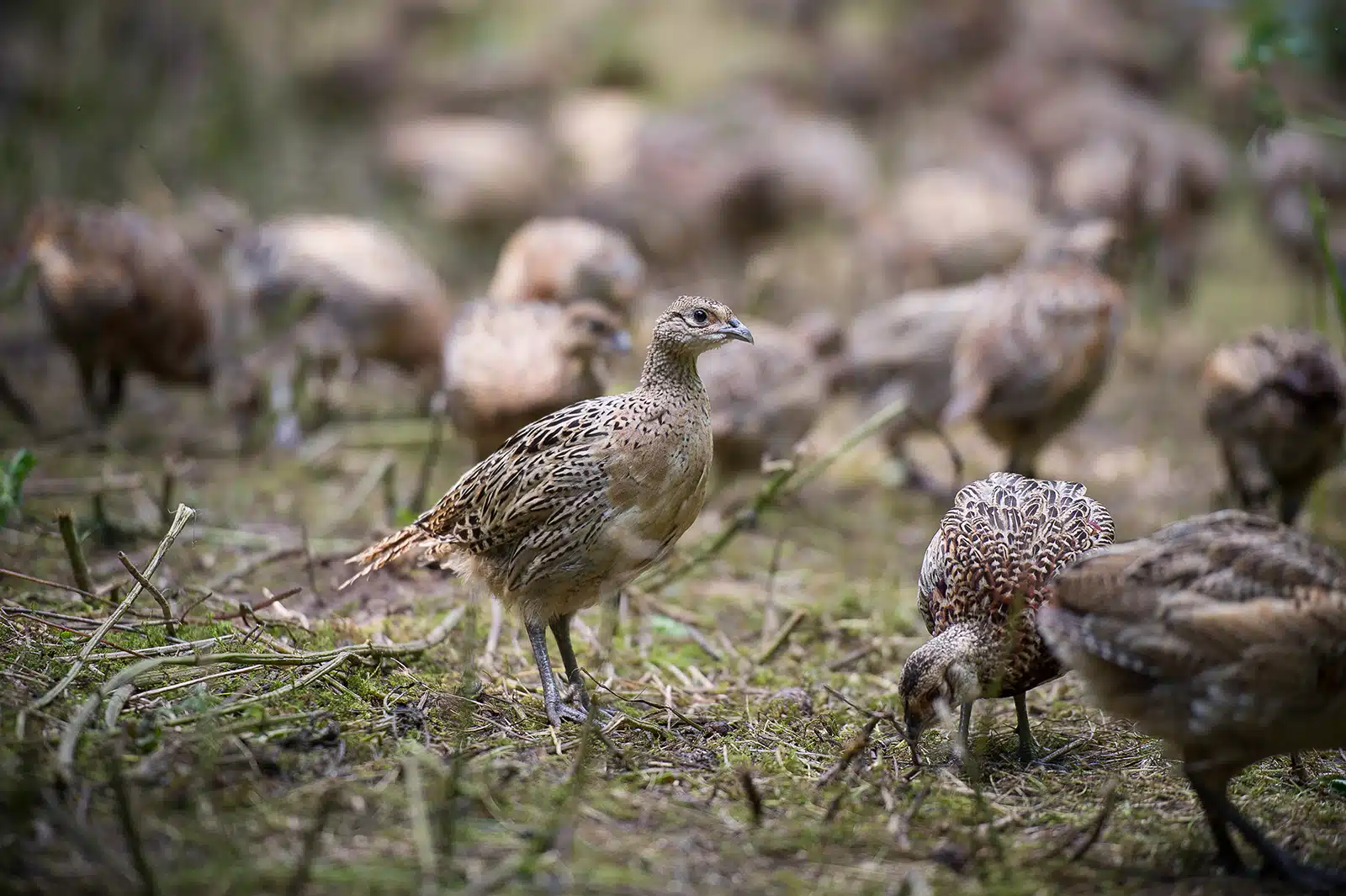

The British Association for Shooting and Conservation (BASC) has completed a two-day High Court hearing in its legal challenge against Natural England over the way shoots are licensed to release pheasants and red-legged partridges near Special Protection Areas in England. Mr Justice Ritchie reserved his judgment at the end of the hearing at the Royal Courts of Justice in London, and a written decision is expected later this year.
What is BASC challenging?
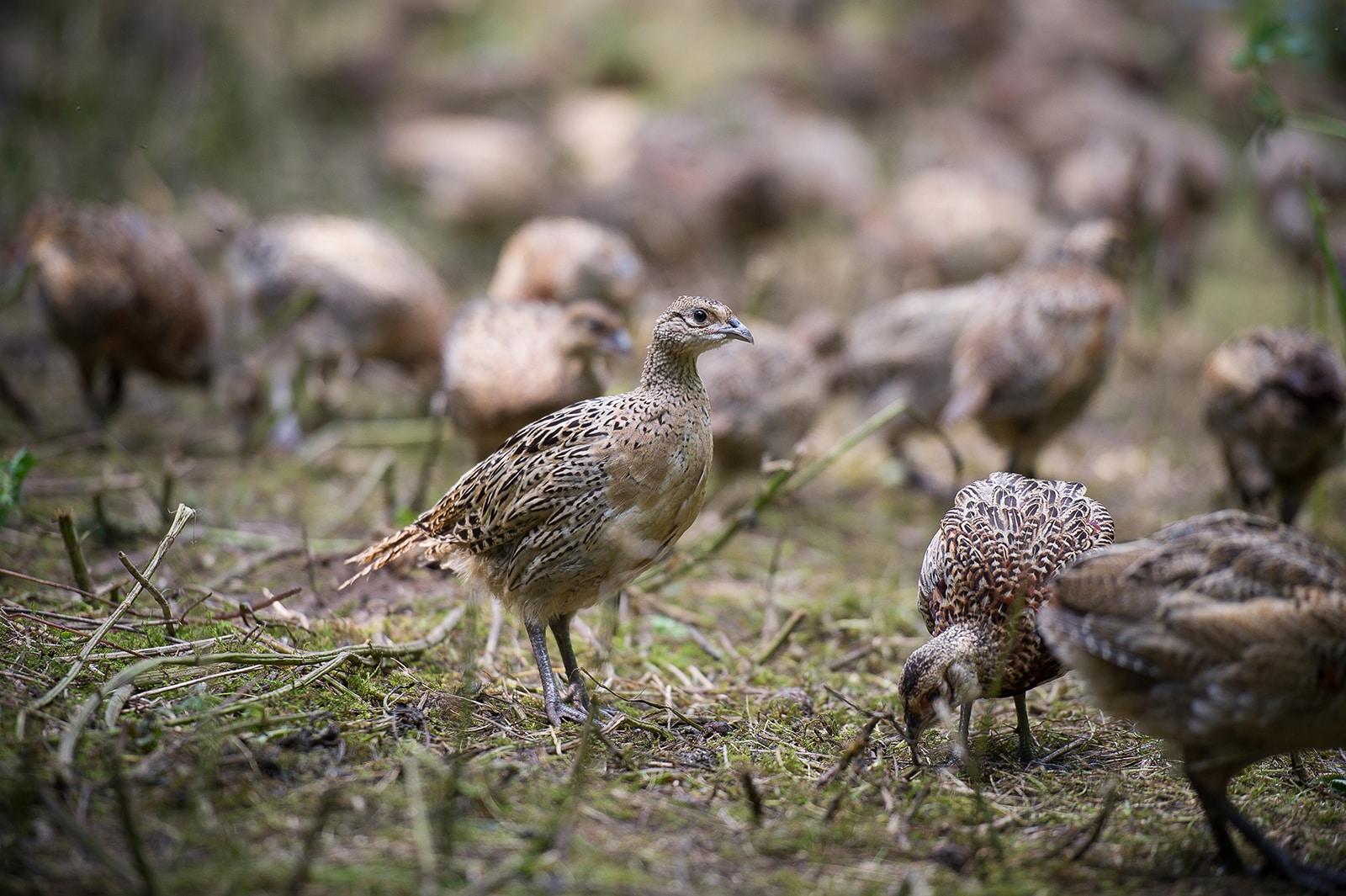
BASC’s judicial review focuses on Natural England’s licensing regime, which the association argues is legally flawed and has created unnecessary uncertainty for shoots operating on or near Special Protection Areas (SPAs). The case has significant implications for anyone releasing pheasants and red-legged partridges on protected land in England. The requirement to hold a licence to release gamebirds on or near European protected sites has been a source of concern across the sector for several seasons, with BASC arguing that the way the scheme has been administered has left shoots unclear about what they must do to comply. BASC was granted permission by the High Court to proceed on all grounds in February 2026, and the challenge is backed by the BASC Fighting Fund.
What happened at the Royal Courts of Justice?
BASC spent two days at the Royal Courts of Justice this week, with Mr Justice Ritchie hearing submissions from both BASC and Natural England. Court 18 was packed for the duration, with representatives from a range of organisations attending to follow proceedings. At the close, the judge reserved his judgment, meaning he will take time to consider the evidence from both sides before giving his decision.
What has BASC said?
Garry Doolan, BASC’s executive director of communications, said: “This case is about holding Natural England to account. Public bodies must act lawfully and provide clarity and certainty to those affected by their decisions, and we do not believe NE’s licensing regime has done that for shoots in England.”
He added: “Taking a case to the High Court is a significant undertaking, and it has only been possible thanks to the BASC Fighting Fund. This is exactly what the fund exists for – standing up for our members and the wider shooting community when it matters most.”
Doolan said BASC now awaited the judge’s written judgment and would update members as soon as it was able.
What happens next for shoots?
Mr Justice Ritchie is expected to deliver his written judgment later this year. Until then, the existing licensing arrangements for gamebird releases near Special Protection Areas remain in place, and shoots planning releases on affected ground should continue to follow Natural England’s current guidance. BASC has said it will update members as soon as the judgment is known. Members can follow developments through the BASC website at basc.org.uk.
Frequently Asked Questions
What is a Special Protection Area?
A Special Protection Area (SPA) is a site designated to protect rare and vulnerable wild birds and their habitats. Releasing gamebirds on or near an SPA in England can require a licence from Natural England.
What is the BASC Fighting Fund?
It is a dedicated fund that BASC uses to pursue legal action on behalf of its members and the wider shooting community.
When will the judgment be delivered?
Mr Justice Ritchie has reserved judgment. BASC expects a written decision later this year.
Related Articles

Let's Learn Moor turns 10 with 2,500 children on the moors
Almost 2,500 children from 70 schools will visit the moors over the next fortnight as the BASC-led Let's Learn Moor education programme marks its 10th anniversary
By News Desk

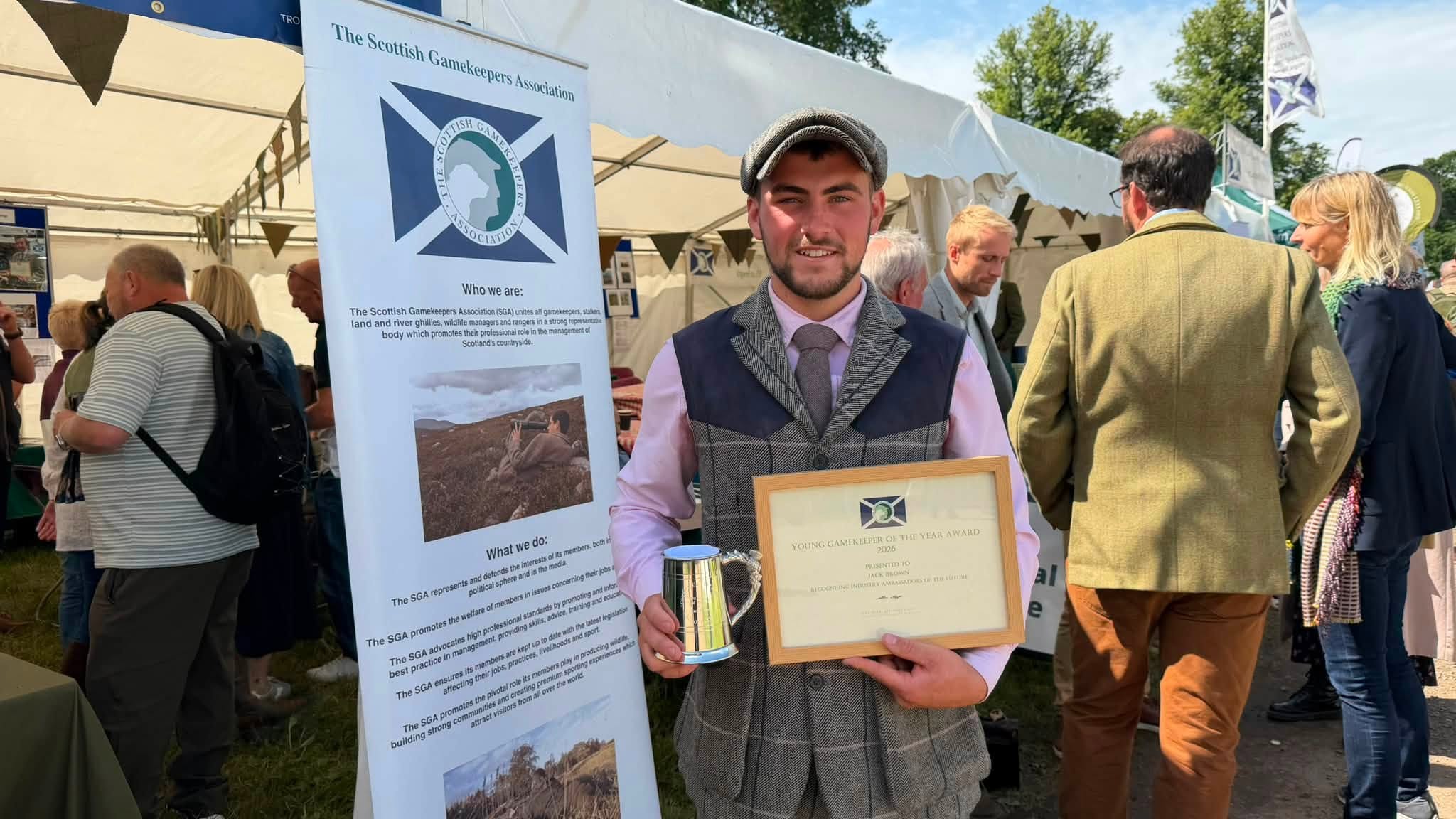
Jack Brown named Scotland's Young Gamekeeper of the Year
Jack Brown, a 20-year-old beat keeper on an Angus grouse moor, has been named Scotland's Young Gamekeeper of the Year at the GWCT Scottish Game Fair, backed by a record number of nominations
By News Desk
Get the latest news delivered direct to your door
Subscribe to Shooting Times & Country
Discover the ultimate companion for fieldsports enthusiasts with Shooting Times & Country Magazine, the UK’s leading weekly publication that has been at the forefront of shooting culture since 1882. Subscribers gain access to expert tips, comprehensive gear reviews, seasonal advice and a vibrant community of like-minded shooters.
Save on shop price when you subscribe with weekly issues featuring in-depth articles on gundog training, exclusive member offers and access to the digital back issue library. A Shooting Times & Country subscription is more than a magazine, don’t just read about the countryside; immerse yourself in its most authoritative and engaging publication.