How to buy a stalking knife
Stand in front of the knife cabinet in any gun shop and choice can feel overwhelming.
Drop-point or clip-point? Fixed blade or folder? Carbon or stainless steel?
Prices range from under £20 to several hundred pounds.
However, most deerstalkers only need to answer a few basic questions to choose well.
What a stalking knife really needs to do
Before worrying about blade shapes or handle materials, think about the job.
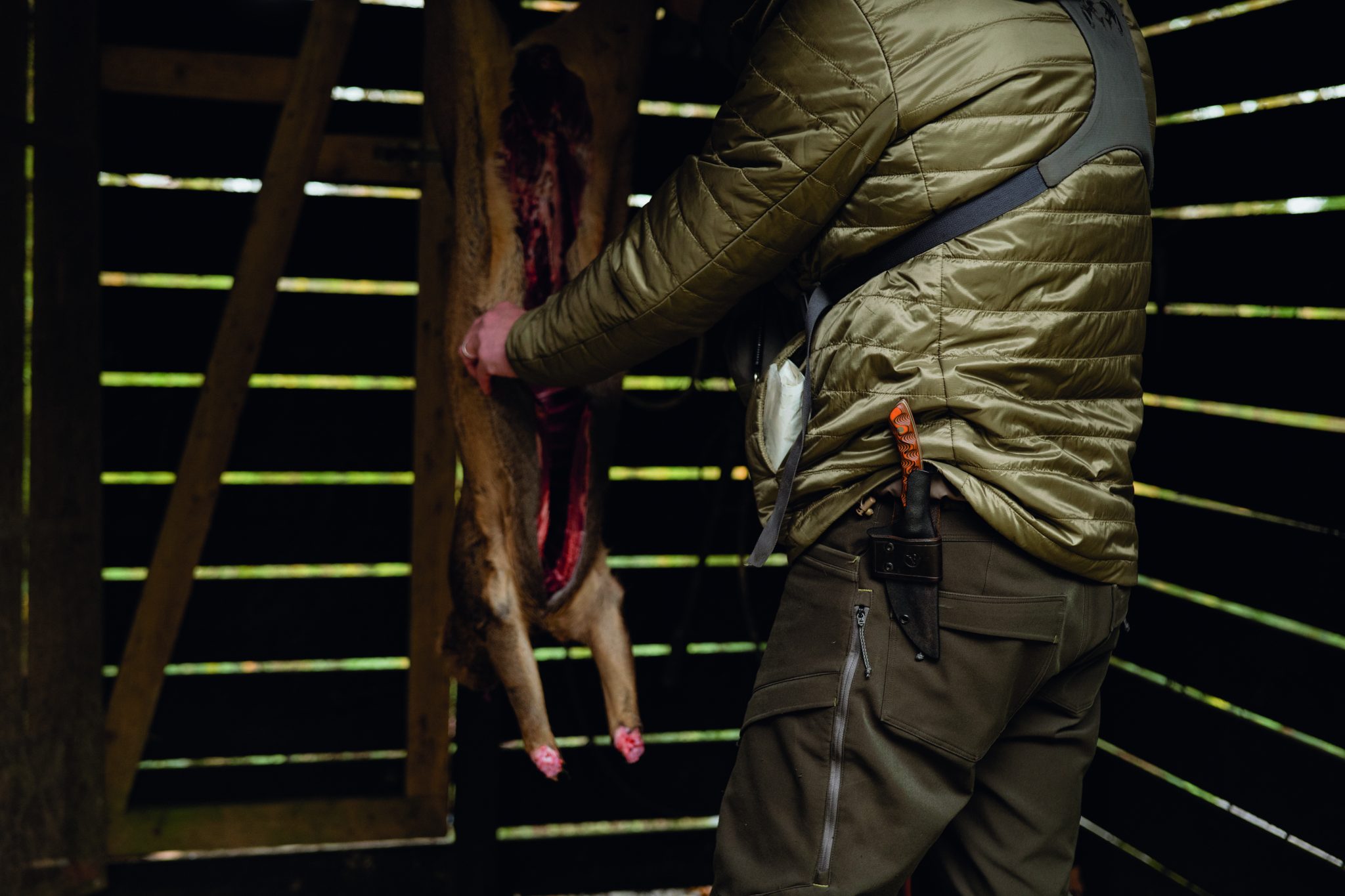
A stalking knife exists to gralloch efficiently and cleanly. This means opening the carcass from pelvis to sternum, removing the viscera without contamination, and preparing the deer for the larder.
This work is often done kneeling in wet heather, on steep hillsides or in dense woodland. Control matters more than size.
Most grallochs go wrong because the blade is too large, not too blunt. The point must be fine enough for the first incision but strong enough to split the pelvis if needed. The edge must stay sharp through hide, tissue and occasional bone contact.
Blade length, type and the law
For these reasons, experienced stalkers usually favour fixed blades with a blade length of three to four inches. Longer blades become unwieldy, while shorter ones slow the job. When daylight is fading or multiple deer are down, that difference matters.
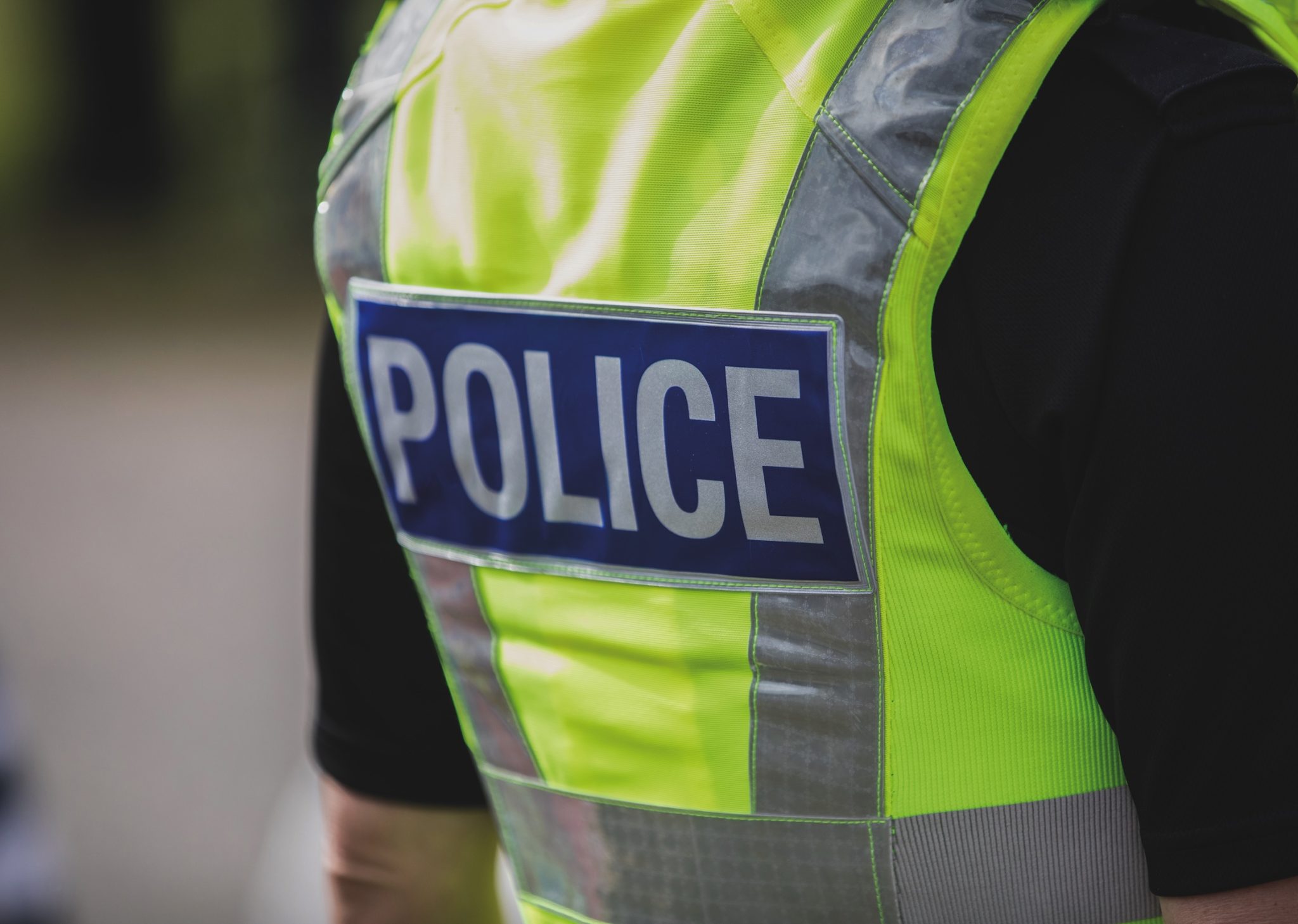
Before buying, understand UK knife law. Carrying a knife in public without good reason is illegal. Deer stalking is a recognised lawful purpose, but you must be able to demonstrate it.
If stopped by police, carry evidence such as estate ID or written permission. Knives should be secured in vehicles or stalk bags when not in use. Never carry a stalking knife casually into towns or pubs. Travel must be directly to or from the stalk.
Fixed blade or folder?
Fixed blades offer strength, reliability and ease of cleaning. There are no moving parts and nothing to clog with dirt or hair. For professional stalkers handling multiple deer, these advantages are decisive.
Folders offer convenience and discretion. A locking folder feels safer when climbing fences or moving over scree. Modern folders are perfectly capable tools, and many stalkers carry both types: a fixed blade with their kit and a folder for general use.
Steel choice and price
High-carbon steel sharpens easily and takes a keen edge but needs care to prevent rust. Stainless steel resists corrosion and suits wet or coastal conditions, although it may dull sooner. Premium steels hold edges extremely well but require proper sharpening equipment.
A £50 knife will gralloch a deer as effectively as a £300 blade if it is well designed. The higher price buys better ergonomics, stronger construction, superior grinds and long-term durability.
For most stalkers, the sweet spot sits around £100–£150.