★ Beat print – get early access to the news by signing up to the Shooting Times newsletter here ★


It’s not only about choosing the birds
A shoot would be nothing without the game farmers, who go to great lengths to meet the demand for birds each season.
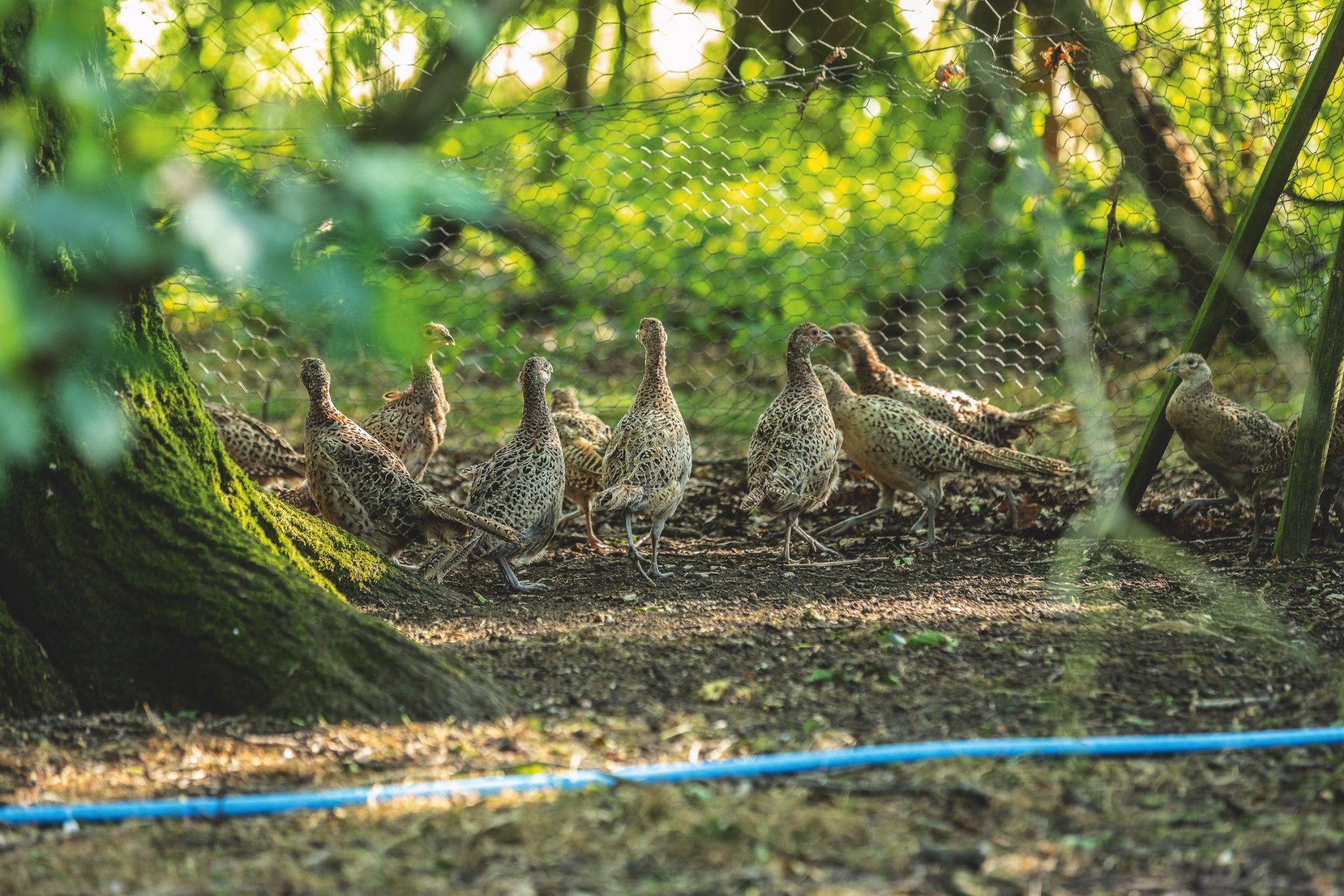

A good day’s shooting doesn’t start on the peg. It starts months earlier in the rearing field, in the decisions made by a game farmer who probably hasn’t slept in weeks. While the gamekeeper, the ground and the weather all get their share of credit, the quality of the birds arriving on a shoot can make or break an entire season before a single shot is fired.
The relationship between shoot and supplier is one of the countryside’s most important, and least discussed. So what does a quality game farm actually bring to the table – and what should keepers and shoot owners be looking for when they’re choosing one?
For Sandy Pate of The Whins Game Farm in East Lothian, with 17 years in the game industry behind him – including time spent gamekeeping – the answer begins long before the first poult leaves the farm.
“Producing strong, healthy birds is very much a team effort,” he says. “We work closely with St David’s Poultry Team and our feed supplier Spratt’s to ensure the birds receive the best possible care, nutrition and health support from day one.”
The result, he says, is a poult that settles well, holds on the ground and delivers the quality of sport that brings Guns back season after season.
Marc Brown of Bettws Hall in Powys, Wales, which has been in the business for 38 years, frames it in blunter terms. “Your stock is the foundation to your season,” he says. “That is why it is so important your supplier is trustworthy, transparent and reliable.”
A reputable game farm, Marc believes, doesn’t simply sell birds – it helps lay the building blocks of a season. Shoots buying birds in isolation, with no ongoing relationship or advisory support, are missing out on decades of accumulated expertise.
Heart of England Farms in Warwickshire has been rearing birds for more than 45 years, and director Judy Gronning draws a connection between genetic control and reliability of supply. “Having complete control of our genetics means we are not reliant on the vagaries of an external egg or chick supplier,” she says.
For shoots ordering months in advance, that kind of assurance – that what has been ordered will arrive – is worth more than any discount.
At the heart
Biosecurity is the first word every experienced game farmer reaches for, and with good reason. Marc places it at the heart of any supplier evaluation.
“The best suppliers always have the strictest biosecurity at their hatchery, on their rearing fields and all the way up to delivery of your stock,” he says.
Traceability is equally important. A serious game farm should be able to trace a bird back to the exact flock its egg originated from, tracking every stage through to delivery.
Judy adds a simpler but equally revealing test: communication. Clear updates, punctual delivery and honesty when problems arise are invaluable. A supplier who goes quiet when things get difficult is a liability; one who communicates is an asset.
Stephen King of Knowle Game Farm in Kent makes a case for buying locally. Knowing the farm and its reputation, and sourcing birds from a closed flock, increases the likelihood of strong health and performance. Ongoing communication throughout the season is essential.
When researching a new supplier, shoots should understand the source of their birds, available breeds, their qualities and how well they suit different ground types. This due diligence pays dividends once the season begins.
A good game farm is also a planning partner. By understanding an estate’s layout, ambitions and experience, farms can advise on breeds, stocking densities and management strategies.
Marc highlights Bettws Hall’s reputation for biosecurity and reliability, including recognition from the Animal and Plant Health Agency (APHA). From laying hens to hatchery and rearing fields, every stage is carefully controlled to high welfare and biosecurity standards.
Investment
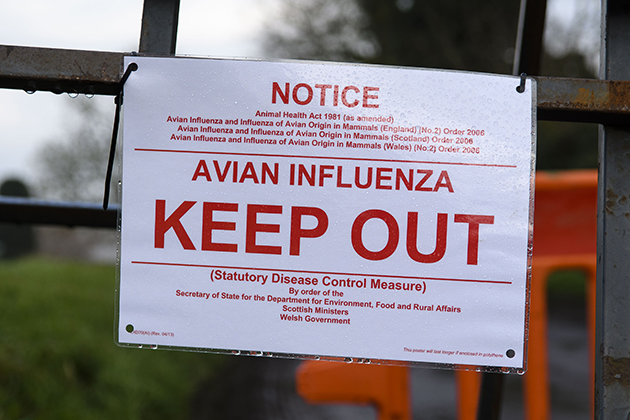
Challenges in game farming are significant. Avian influenza remains a dominant concern, with strict biosecurity measures required across the UK. While disease levels vary, strong biosecurity planning is essential every season.
Staff recruitment is another issue. Long hours and demanding work make it difficult to attract labour, despite competitive pay.
Cash flow also presents challenges, particularly for smaller farms managing the long gap between investment and payment.
Dominic Boulton of the Game Farmers’ Association (GFA) highlights the sector’s wider importance. Game farming underpins a major rural industry, yet its contribution often goes unnoticed.
Regulation is increasing, particularly around biosecurity, and farms must meet high standards to remain viable. Investing in welfare, staff and long-term relationships is essential.
Buying on price alone, he warns, is a false economy. Cheap birds often prove costly in the long run. Supporting reputable farms ensures the sustainability of both suppliers and shoots.
Outstrip
Demand for gamebirds continues to exceed supply, leaving many farms focused on maintaining quality rather than expanding.
At the same time, the relationship between farm and shoot is evolving. Advisory support – from planning and breed selection to welfare and compliance – is becoming as important as the birds themselves.
In an increasingly complex and scrutinised sector, the game farms that combine expertise, communication and strategic support will be the most valuable partners for shoots in the years ahead.
Related Articles
Gamekeeping news
News
Devastating effects of keepers downing tools
A 20-year experiment highlights the dramatic decline in our red-listed birds after predator control ends, proving the vital role of gamekeepers
By Hollis Butler
Get the latest news delivered direct to your door
Subscribe to Shooting Times & Country
Discover the ultimate companion for fieldsports enthusiasts with Shooting Times & Country Magazine, the UK’s leading weekly publication that has been at the forefront of shooting culture since 1882. Subscribers gain access to expert tips, comprehensive gear reviews, seasonal advice and a vibrant community of like-minded shooters.
Save on shop price when you subscribe with weekly issues featuring in-depth articles on gundog training, exclusive member offers and access to the digital back issue library. A Shooting Times & Country subscription is more than a magazine, don’t just read about the countryside; immerse yourself in its most authoritative and engaging publication.