★ Win a Schöffel Country shooting coat for everyone in your syndicate worth up to £6,000! Enter here ★


How base layers changed shooting comfort
Discover how modern base layers improve warmth, comfort and performance for shooting in British winter conditions.
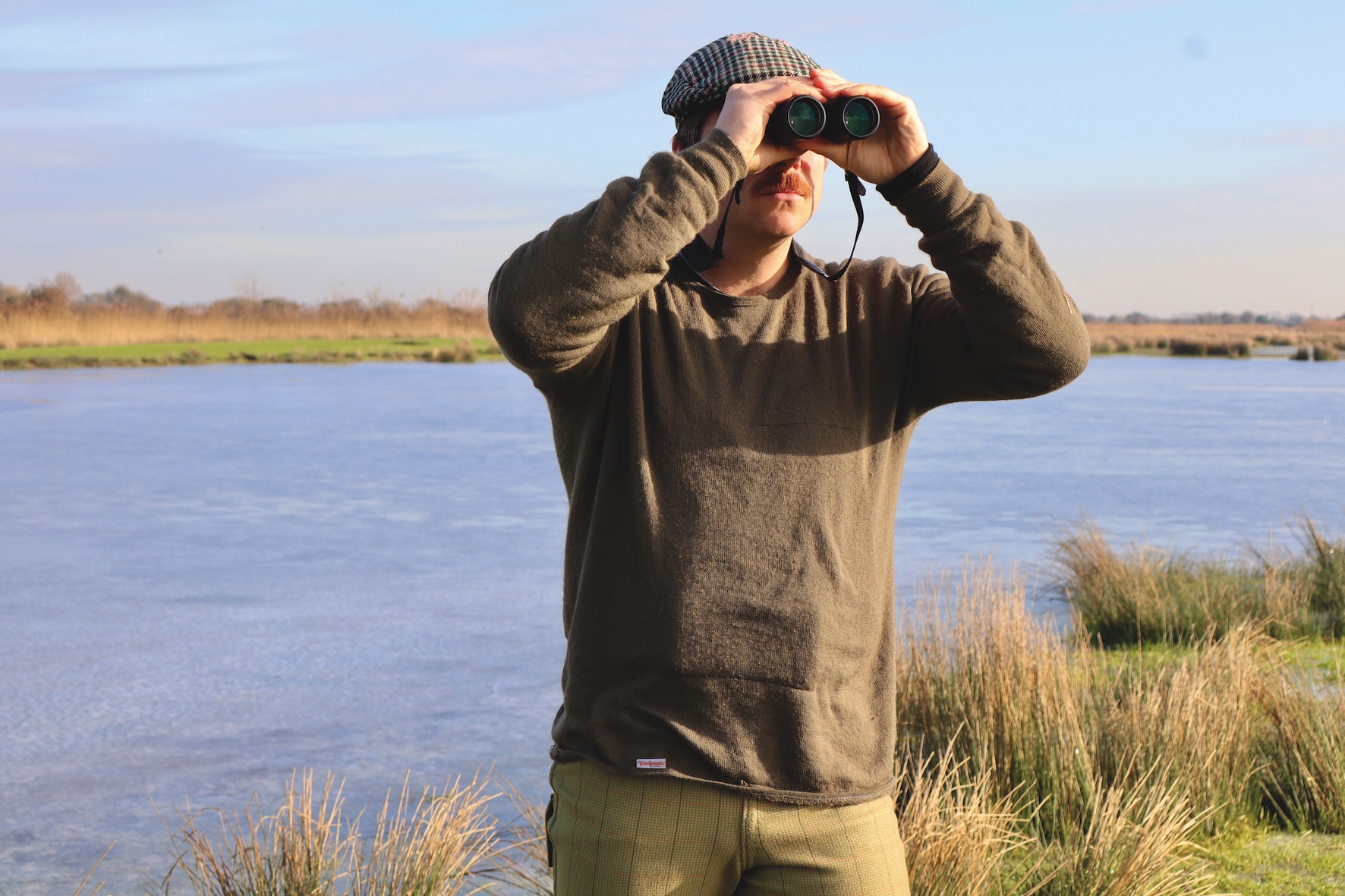

The hidden advantage: how base layers changed the game
Good layering is the difference between comfort and endurance. Modern technical fabrics have raised the bar for shooters.
The December chill bites when waiting for wigeon or sitting in a high seat. Ask any gamekeeper or pigeon shooter and the answer is the same. Proper layering decides whether the day is productive or miserable.
Modern base layers have transformed shooting clothing. However, confusion remains about how they work and whether they are worth it.
Why traditional thermals fail
Traditional cotton vests and old-style thermals absorb moisture. This is their biggest weakness. When walking-up or beating through cover, you perspire. Cotton holds moisture against the skin.
Once you stop moving, that dampness turns cold. You chill from the inside out. No outer insulation can fix that problem.
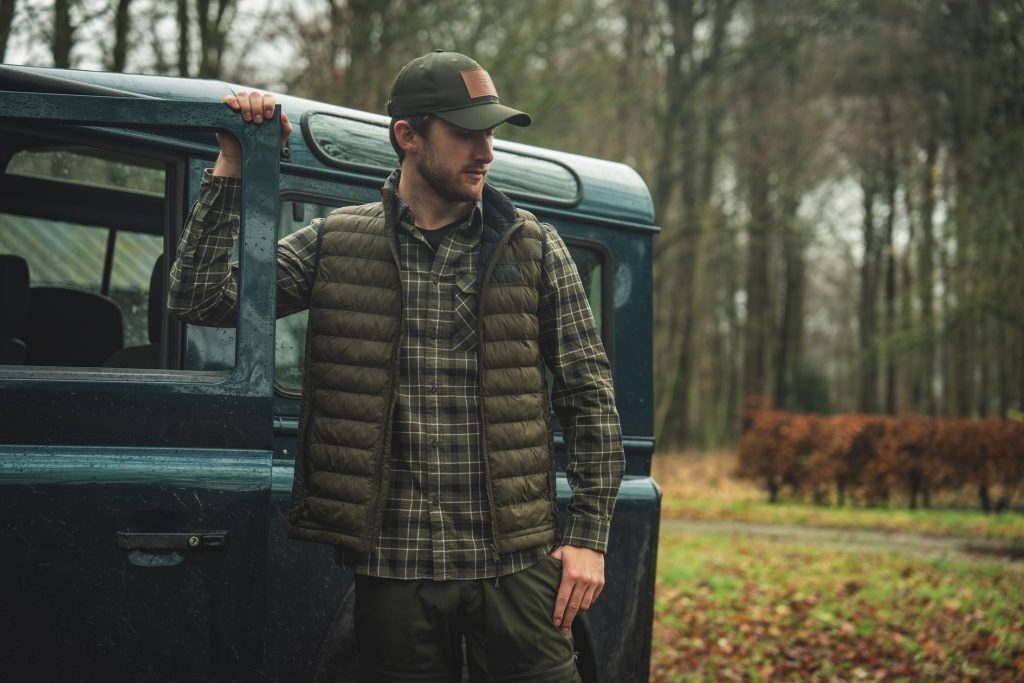
How modern base layers work
Modern base layers work differently. Their fibres move moisture away from the skin. This wicking action pushes sweat to the outer surface. There it evaporates, keeping you dry.
The fabric stays dry and keeps its insulation. This is why technical layers are used by the military and mountain rescue teams. They have also become standard for winter shooting in Britain.
Thermal regulation explained
Good base layers regulate temperature in both directions. When static, they trap warm air close to the skin. When active, they release excess heat.
This reduces overheating and limits sweating. It separates technical garments from basic thermal underwear.
Synthetic base layers
Synthetic layers excel at moisture control. They wick quickly and dry fast. They are durable and survive frequent washing. This suits pest controllers and regular shooters. They are usually more affordable. However, they can retain odour. Some shooters also find them less comfortable over long days.
Merino wool base layers
Merino offers different advantages. It naturally resists odour, even after days of wear. This suits stalking trips or multi-day outings. It feels soft against the skin. It regulates temperature extremely well. Merino traps air within its fibres. This delivers impressive warmth for its weight.
The drawbacks are cost and durability. Merino dries slower than synthetics. Many brands now offer blended fabrics. These combine comfort, durability and faster drying.
Walked-up shooting
Walking-up generates constant heat. Choose a lightweight base layer. 150gsm to 200gsm works well. Wicking is critical. A zip-neck allows extra ventilation.
Static shooting
High seats, hides and pegs involve long periods still. A heavier base layer makes sense. 250gsm or more offers real insulation. Some stalkers use two lighter layers instead. This allows better adjustment during long sits.
Wildfowling
Wildfowling is the toughest test. Many fowlers walk in wearing a lighter layer. They carry a heavier layer for the wait. It adds weight, but comfort improves dramatically.
Fit and construction matter
Fit is crucial. Base layers should sit close to the skin. Baggy garments bunch and reduce wicking. Over-tight layers restrict movement.
Flatlock seams reduce rubbing during long days. Poor seams quickly cause discomfort. Length matters too. Tops must stay tucked in when bending. Leggings should not ride up at the ankle.
Useful features include:
– Zip necks for ventilation
– Thumb loops to hold sleeves
– Breathable panels in high-sweat areas
These details come from real field testing.
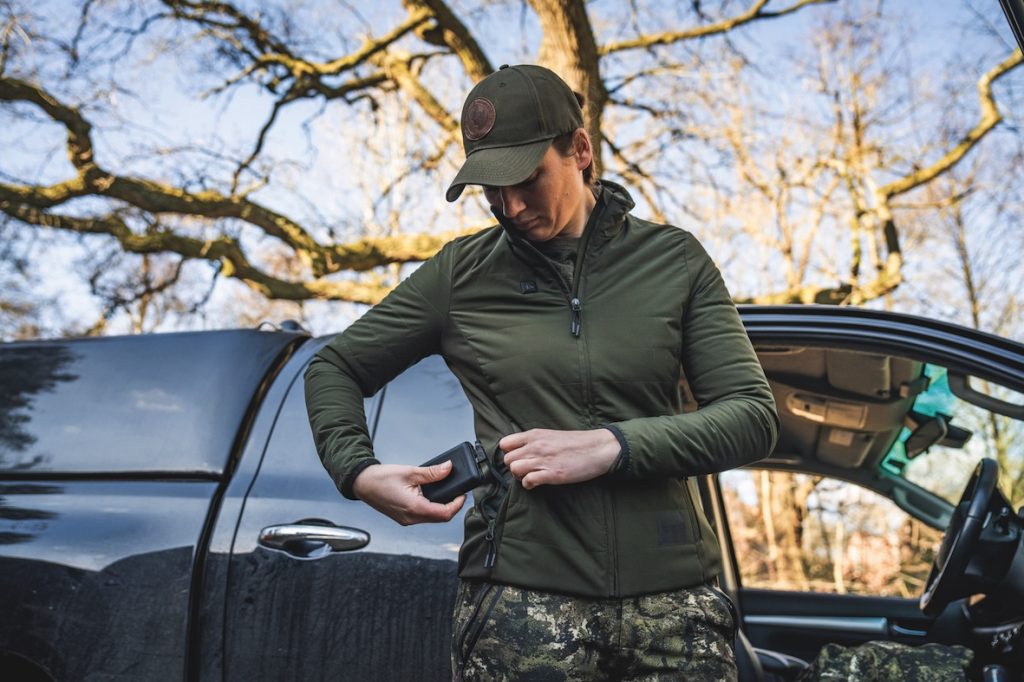
Scandinavian and international brands
The technical base layer market is global. Scandinavian brands stand out for good reason. Their climate demands extreme performance. Their designs suit damp, cold British winters.
Woolpower
Woolpower designs kit in Sweden. Its Ullfrotté fabric blends merino and synthetics. The circular knit removes lengthwise seams. This reduces chafing on long days.
Stoney Creek
New Zealand brands understand hunting demands. Stoney Creek’s Ice-Dry range uses capillary action. It moves moisture away from the skin.
Mesh panels improve ventilation. Polygiene treatment controls odour for garment life.
Base layers to consider
Seeland Fahrenheit and Climate range
Is the investment worth it?
Technical base layers cost more than basic thermals. However, they last for years. Quality merino lasts five seasons or more. Synthetics often last longer.
Used across 30 to 50 shooting days a year, the cost per outing is modest. Inferior layers leave you cold and in harsh conditions, this can be dangerous.
Comfort affects performance and enjoyment. Good layers help you shoot better and stay safe. Think of modern walking socks- few people would choose cotton now, the same logic applies to base layers.
Final thoughts
Technical base layers are no longer a luxury- they are essential for serious shooting. They improve safety, comfort and performance and make winter shooting enjoyable, not an ordeal.
The real question is not whether you need them. It is which system best suits your shooting.
Choose well and you will not look back.
Related Articles
Gear
Optics
Benchmark redefined – the world’s best low-light digital scope just got better
Discover the HIKMICRO ALPEX PRO digital hunting scope, delivering unmatched low-light clarity, instinctive handling, and trusted performance
By Hikmicro
Gear
Gear reviews
ZEISS trail cameras: revolutionising deerstalking with data
From monitoring deer movement patterns and predators to improving site security and equipment protection, ZEISS trail cameras offer a data-driven approach that enhances both efficiency and success in ...
By Shooting Times
Get the latest news delivered direct to your door
Subscribe to Shooting Times & Country
Discover the ultimate companion for field sports enthusiasts with Shooting Times & Country Magazine, the UK’s leading weekly publication that has been at the forefront of shooting culture since 1882. Subscribers gain access to expert tips, comprehensive gear reviews, seasonal advice and a vibrant community of like-minded shooters.
Save on shop price when you subscribe with weekly issues featuring in-depth articles on gundog training, exclusive member offers and access to the digital back issue library. A Shooting Times & Country subscription is more than a magazine, don’t just read about the countryside; immerse yourself in its most authoritative and engaging publication.