★ Win a Schöffel Country shooting coat for everyone in your syndicate worth up to £6,000! Enter here ★

Defra’s deer policy: missed possibilities and a major worry
Defra finally recognises that effective deer management is vital for countryside health. However, its latest policy still remains a mixed bag.
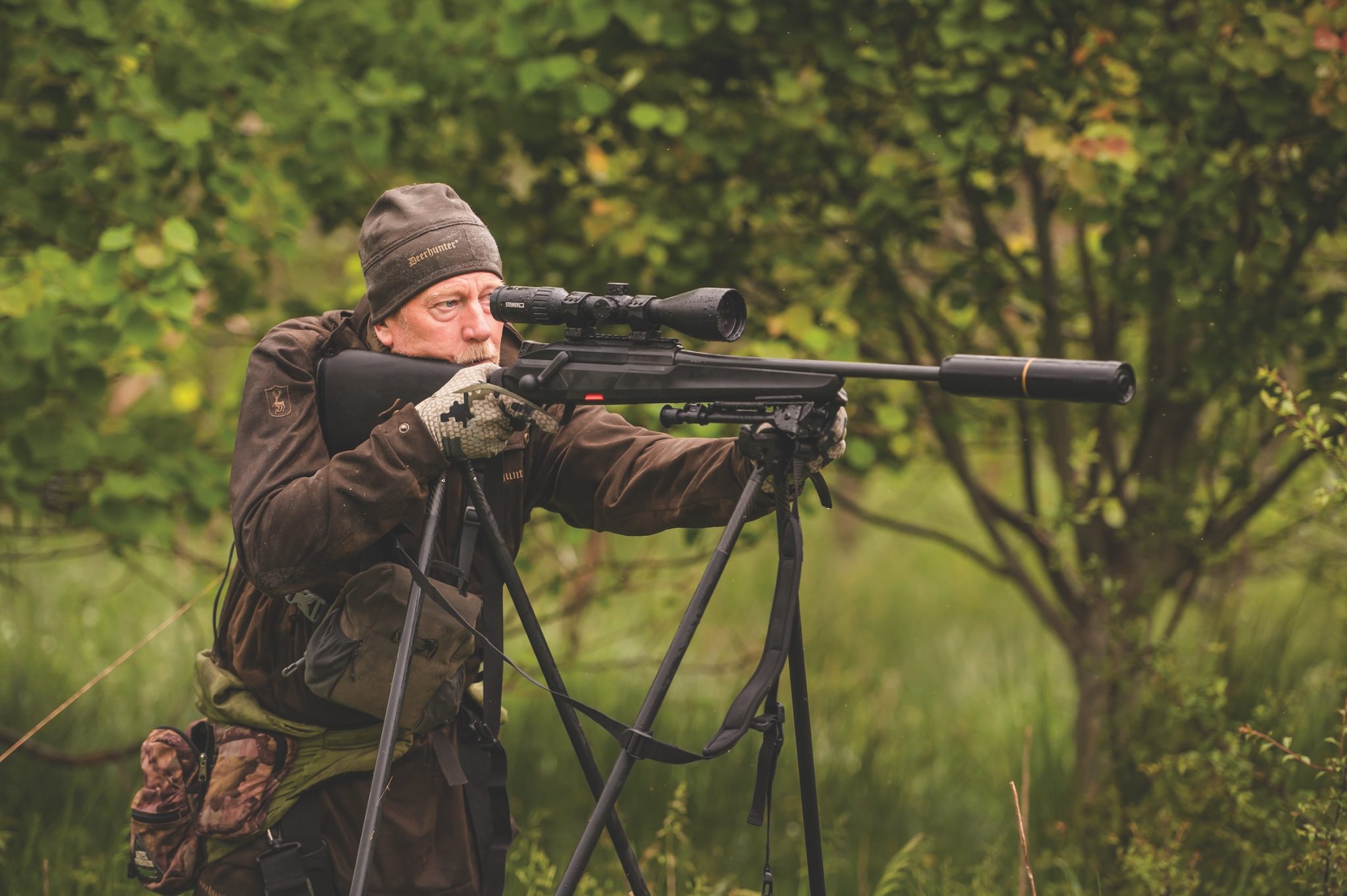

So what are we supposed to make of Defra’s deer policy statement published on 20 February? Probably the best description is the old saying about the curate’s egg – good in parts, but far from perfect.
There are some genuinely positive steps forward. However, plenty simply repeat what is already happening. In addition, one or two proposals should concern everyone in shooting and deer management.
Background to the policy statement
Many readers will remember that back in 2022 the Government consulted on deer management in England. The expectation was that it would lead to a full England Deer Strategy.
What we have instead is a more limited policy statement. It is not the comprehensive strategy many in the sector had hoped for.
That said, it is encouraging that the Government has finally recognised something deer managers have known for years. Effective deer management is essential if targets for woodland creation, biodiversity recovery and nature restoration are to be achieved.
BASC’s role and involvement
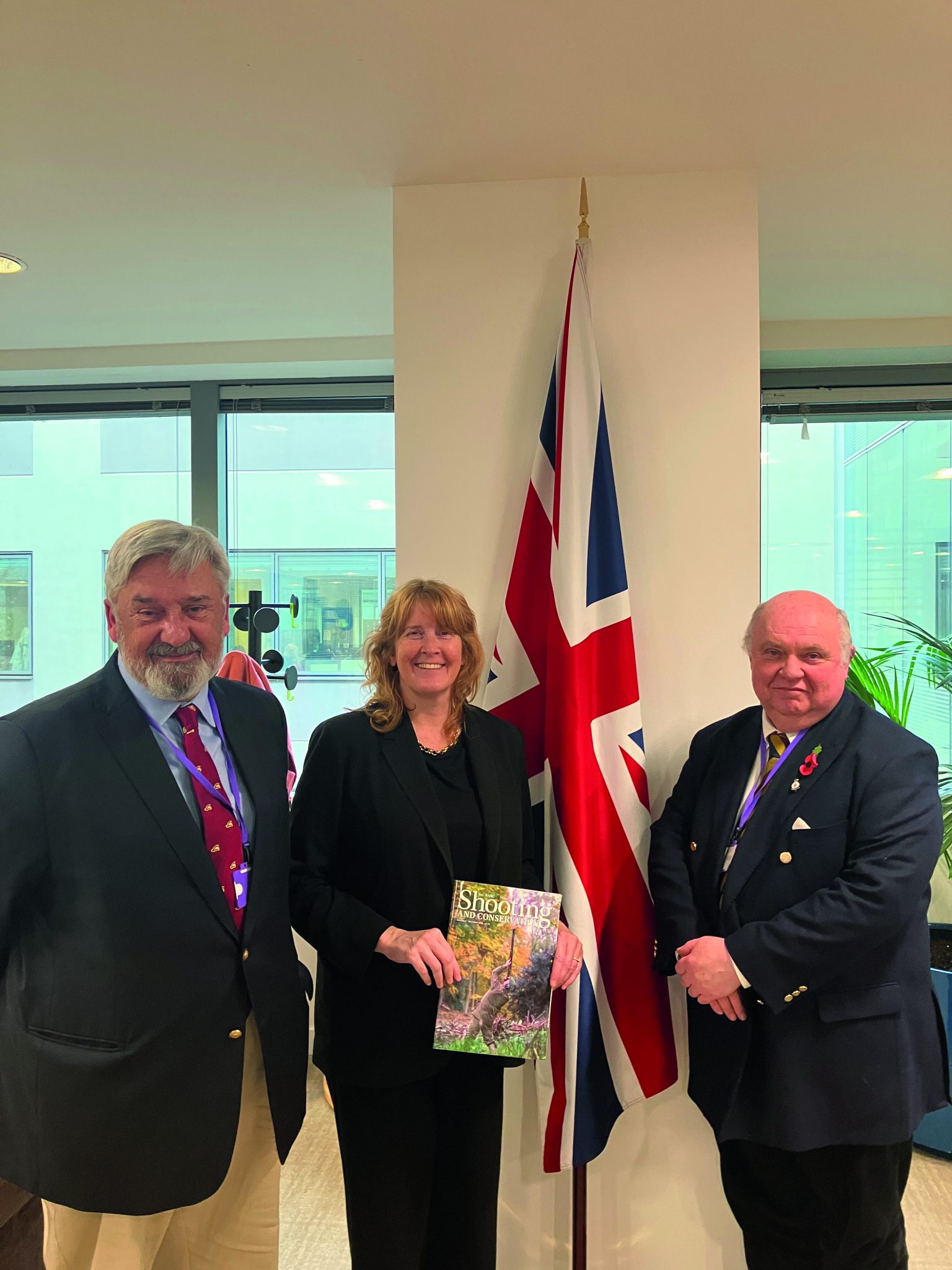
BASC submitted detailed evidence to the original consultation. It has also continued working closely with officials. The aim has been to ensure the views of responsible deer stalkers are properly represented.
This matters because BASC members account for a large proportion of the deer culled each year in England. Encouragingly, several initiatives supported by BASC feature within the new policy statement.
Strengthening the wild venison market
For years, stalkers have made one simple point. If government wants higher deer culls, there must be a functioning market for wild venison.
BASC has been heavily involved in developing the British Quality Wild Venison assurance scheme. This helps smaller producers access quality-assured supply chains through group membership.
Proper traceability and standards are the only realistic way to get wild venison onto supermarket shelves. They also help supply public sector catering.
Defra’s commitment to opening public procurement routes for wild venison is therefore very welcome. It is also long overdue.
Options for managing high deer densities
In areas with very high deer densities, particularly of fallow, traditional daytime stalking alone often is not enough. It cannot achieve the necessary population reductions.
Anyone managing deer knows what happens when pressure increases. Herds simply move and lie up during the day. They then return at night to continue damaging crops and woodland.
That is why BASC has worked with Natural England to improve licensing options. This includes a more streamlined Class Licence (CL55). It allows night shooting where justified and sits alongside updated best-practice guidance.
Skills, training and recruitment
Another positive element is recognition of the need to increase skills and capacity in deer management.
BASC delivers a large proportion of deer management training across the UK. However, this issue is becoming increasingly urgent.
The average age of a BASC deer stalking member is now over 60. Therefore, recruitment of new entrants is critical.
Existing measures and collaboration
A large part of the statement simply restates measures already in place. These include existing deer management grants through Countryside Stewardship. It also mentions ongoing work by the Forestry Commission.
There is also continued discussion of landscape-scale collaboration. The sector has supported this for many years. However, there remains little clarity on how Defra intends to make this happen in practice.
Concerns over mandatory competence
Buried in the document is a proposal that anyone applying for a rifle to shoot deer may need to demonstrate a mandatory minimum level of competence in future.
This amounts to compulsory training. It therefore represents a clear red line for BASC.
To be absolutely clear, BASC strongly supports training and improving standards. The shooting community already operates a successful self-regulatory system. In addition, deer stalking in the UK has an excellent safety record.
Defra has produced no evidence showing mandatory qualification is necessary. The real risk is that compulsory training becomes another barrier to entry. That would come at exactly the wrong time.
Conclusion
Defra’s statement shows welcome recognition that deer management matters. It also includes positive developments around venison markets, licensing flexibility and training support.
However, it falls short of delivering the clear national strategy many had hoped for.
Author information
Martin Edwards is head of deer and woodland management at BASC. He is also a DMQ board member, approved witness, assessor and internal verifier. Contact martin.edwards@basc.org.uk
Related Articles
MPs united against shotgun licensing changes
Arguments against merging shotgun and firearms licensing systems are made crystal clear during a three-hour parliamentary debate
By Conor O'Gorman

Night shooting simplified for England’s deer managers
CL55 brings England's night shooting framework into the modern era, including authorisation of thermal imaging for the first time.
By Hollis Butler
Get the latest news delivered direct to your door
Subscribe to Shooting Times & Country
Discover the ultimate companion for field sports enthusiasts with Shooting Times & Country Magazine, the UK’s leading weekly publication that has been at the forefront of shooting culture since 1882. Subscribers gain access to expert tips, comprehensive gear reviews, seasonal advice and a vibrant community of like-minded shooters.
Save on shop price when you subscribe with weekly issues featuring in-depth articles on gundog training, exclusive member offers and access to the digital back issue library. A Shooting Times & Country subscription is more than a magazine, don’t just read about the countryside; immerse yourself in its most authoritative and engaging publication.