The countdown is on for The British Shooting Show – book tickets online today and save on gate price!



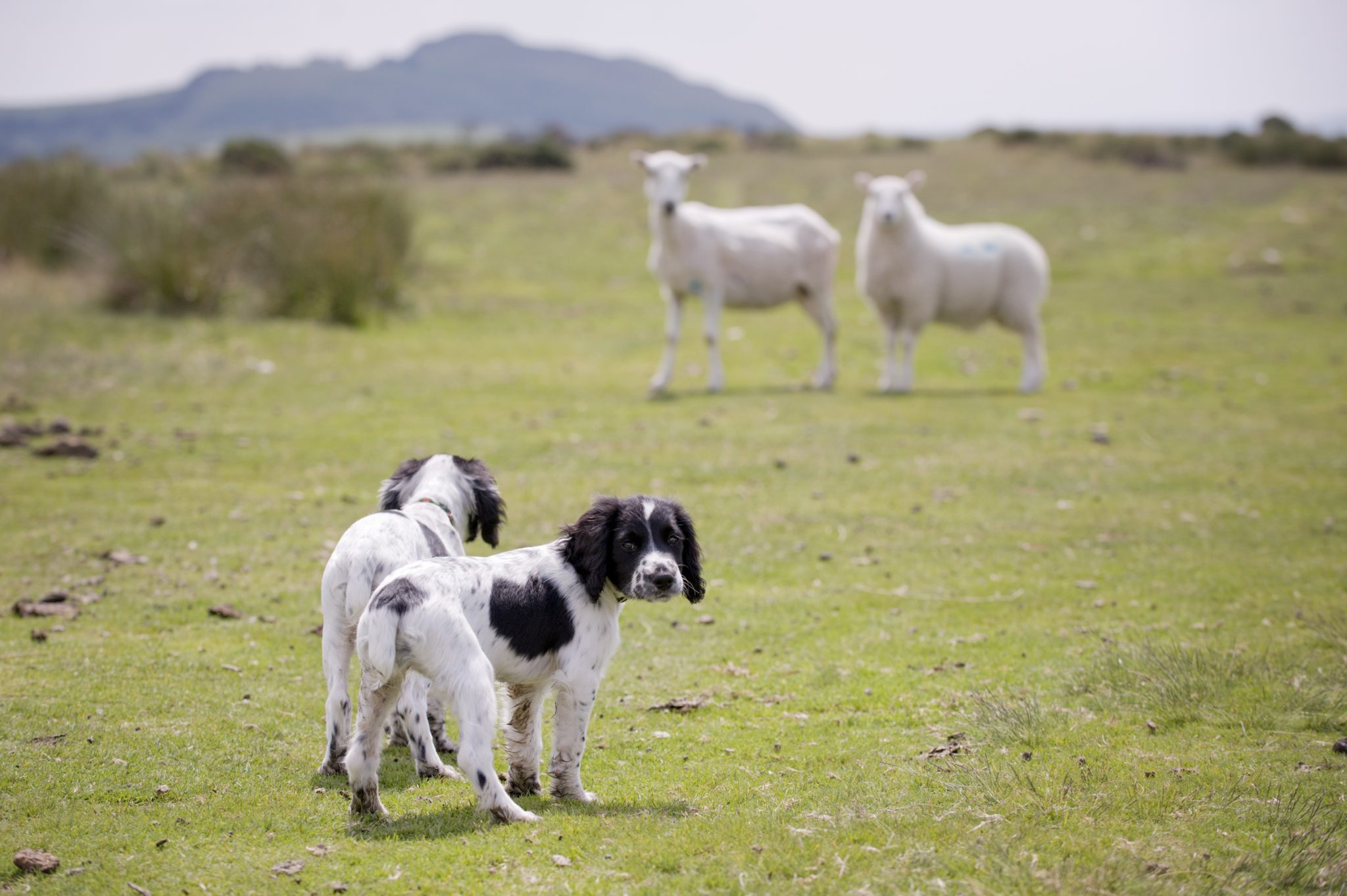
Dog owners face unlimited fines for livestock worrying
Police gain powers to seize dogs and collect forensic evidence as £1,000 fine cap scrapped following years of farmer lobbying
 Credit: Getty Images

Devastating impact of livestock worrying
Pregnant ewes suffering miscarriages, lambs separated from mothers and left to die from hypothermia, cattle stampeding in panic – these are the consequences of livestock worrying that new legislation aims to tackle with unlimited fines and expanded police powers.
.
New law awaits Royal Assent
The Dogs (Protection of Livestock) (Amendment) Act, which at the time of writing has passed both Houses of Parliament and awaits Royal Assent, extends the 70-year-old law beyond farm fields to include roads and paths where farmers move their stock. Courts can now impose unlimited fines, scrapping the previous £1,000 cap that many considered inadequate given the scale of losses.
Baroness Coffey, who steered the Bill through the House of Lords, told peers that livestock worrying had “devastating consequences for both animals and farmers, and it can be horrific, causing brutal injuries that are tragically often fatal”. She described instances of stress causing pregnant livestock to miscarry and the separation of mothers from young, “leading to hypothermia and starvation”.
.
Rising costs to farmers
NFU Mutual figures show livestock worth an estimated £2.4 million were severely injured or killed by dogs in 2023, representing a nearly 30% increase from the previous year, though costs fell to £1.8 million in 2024.
.
Addressing the limits of the existing law
The 1953 Act already made it illegal for dogs to worry or attack livestock, but enforcement was hampered by limited police powers. Evidence collection relied on owners’ cooperation, and without eyewitness accounts, prosecutions were difficult.
The amendment Bill addresses both problems. Officers can now seize and detain suspect dogs and enter premises with warrants to collect evidence. That can include DNA, disturbed ground, damaged fencing or livestock behaviour showing panic or distress. Courts can order offenders to pay the costs of seizing and detaining dogs.
.
What counts as “under control”?
The changes may catch out handlers who believe their pets are under control. Guidance published by the National Gamekeepers’ Organisation emphasises that dogs that run towards livestock, hesitate before recall or come back after animals flee are not considered under control, even if no chase occurs. “The law is about risk and stress, not intent,” the guidance warns.
.
Government response
Defra Minister Baroness Hayman of Ullock told peers the legislation would “restore confidence among farmers and members of rural communities, many of whom live in fear of the devastating impact of such incidents”. She added: “The Bill is a truly meaningful step forward in our commitment to animal welfare and to those who work tirelessly to sustain our agricultural sector.”
The law maintains existing exemptions for dogs belonging to landowners and for working dogs. The Act will come into force three months after receiving Royal Assent.
Do you have a news story to share?
Contact our group news editor Hollis Butler at hollis.butler@twsgroup.com. We aim to respond to all genuine news tips and respect source confidentiality.
Stay in the loop with the latest fieldsports news
Don’t miss a story – get shooting news straight to your inbox or phone. Join our newsletter and WhatsApp channel.
Related Articles

News
Now who will sack incompetent chiefs?
Police and crime commissioners are to be scrapped but this removes a vital contact point between rural bodies and FLDs, says Martin Parker
By Hollis Butler

News
Ministers refuse to make GP firearms medical markers mandatory
The Government has refused to make GP medical markers mandatory for firearms certificate holders despite cross-party support from MPs
By Hollis Butler
Get the latest news delivered direct to your door
Subscribe to Shooting Times & Country
Discover the ultimate companion for field sports enthusiasts with Shooting Times & Country Magazine, the UK’s leading weekly publication that has been at the forefront of shooting culture since 1882. Subscribers gain access to expert tips, comprehensive gear reviews, seasonal advice and a vibrant community of like-minded shooters.
Save on shop price when you subscribe with weekly issues featuring in-depth articles on gundog training, exclusive member offers and access to the digital back issue library. A Shooting Times & Country subscription is more than a magazine, don’t just read about the countryside; immerse yourself in its most authoritative and engaging publication.