★ Win a Schöffel Country shooting coat for everyone in your syndicate worth up to £6,000! Enter here ★

Firearms licensing merger: not one MP in favour
Westminster Hall delivered a unanimous verdict against merging shotgun and firearms licensing. But the shooting community's real test is still to come.
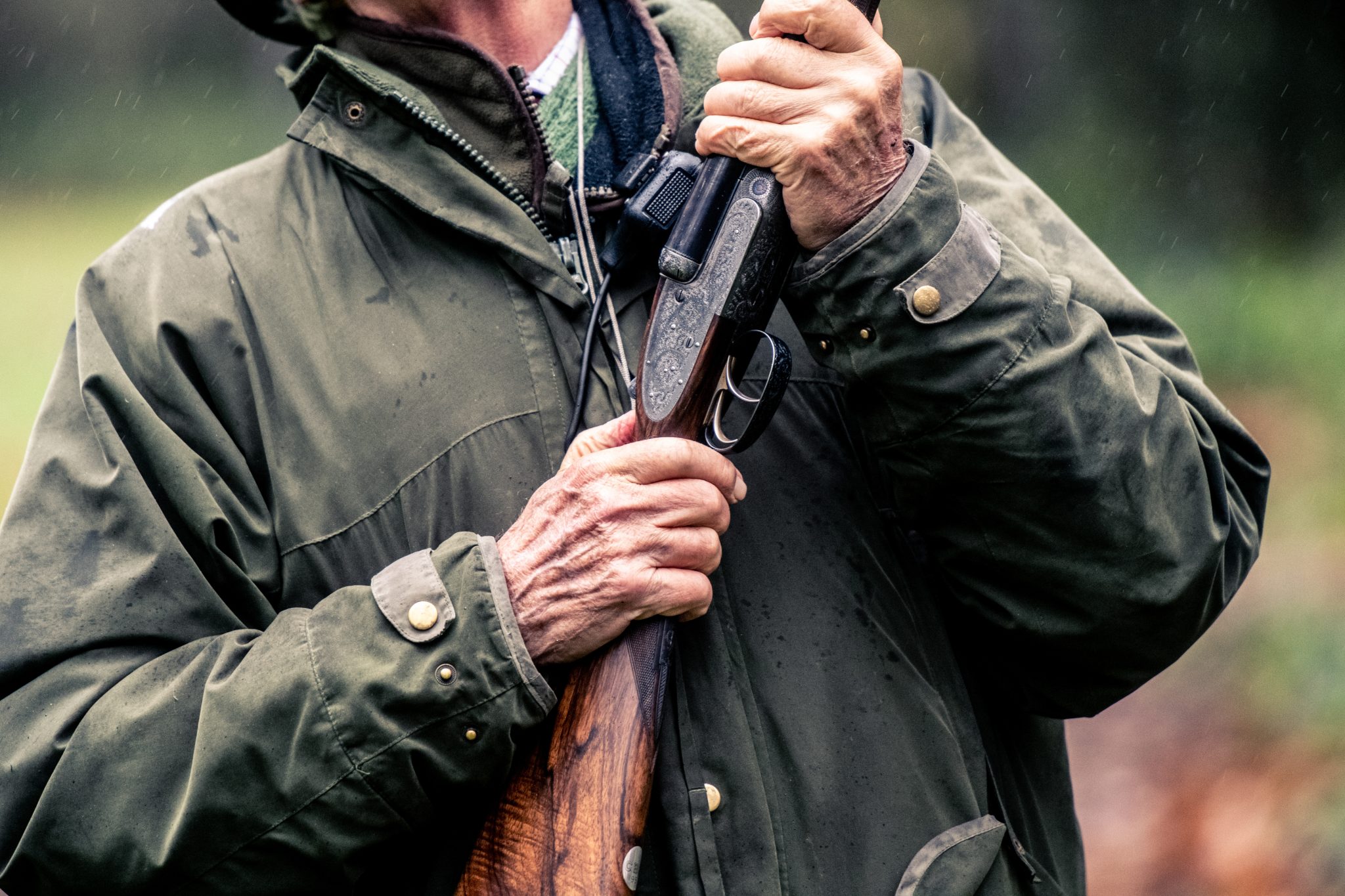 Credit: John Alexander via Getty Images

Unanimous opposition in Westminster Hall
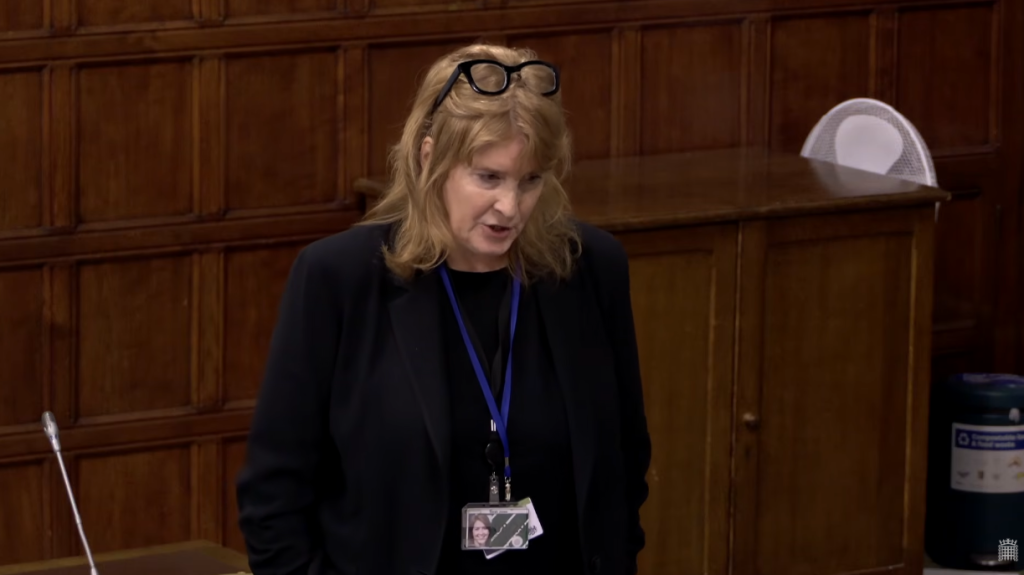
When policing minister Sarah Jones stood up to respond to the Westminster Hall debate on firearms licensing, she faced a chamber that had spent three hours arguing unanimously against her department’s plans. Not one of the 24 MPs who spoke had risen to support the proposal to subject shotguns to the same licensing regime as rifles.
The debate on Monday 23 February had been triggered by a petition that gathered more than 120,000 signatures, the bulk of them in just 10 days. Its creator, Lisa Amers of GunTrader, was among those watching the debate unfold from the public gallery.
.
The statistical and economic case
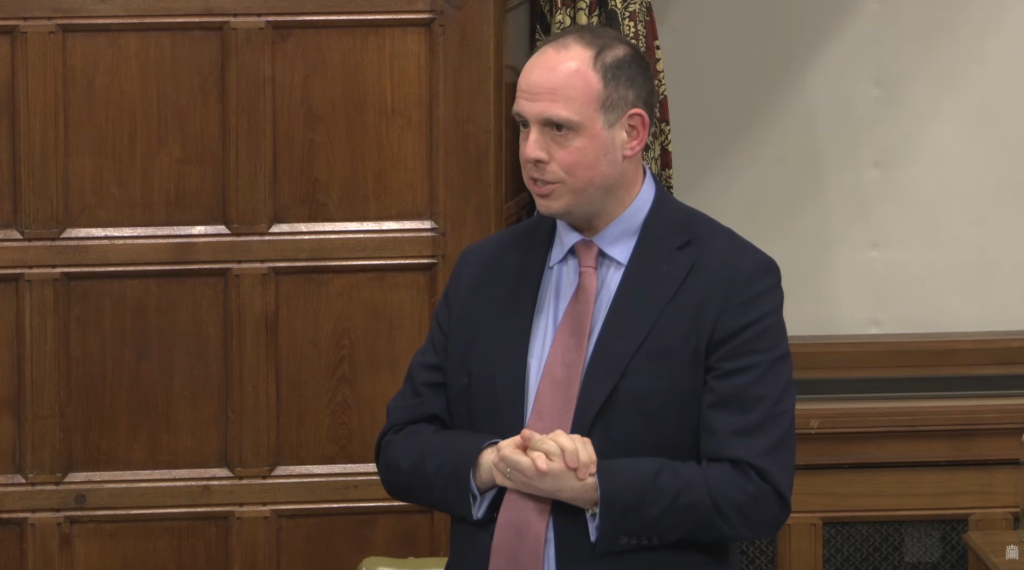
Jerome Mayhew, Conservative MP for Broadland and Fakenham, opened the statistical argument. Homicides involving legally held shotguns have averaged 3.8 per year over the past decade, a rate of roughly one in 15 million, lower odds than winning the lottery. Greg Smith observed that figure sits far below the Health and Safety Executive’s own threshold for intervention, set at one death per million of the population. By the Government’s own regulatory standards, there is no case for action, he argued.
Mr Mayhew pushed the argument further, weighing the cost of the proposals against the potential benefit. “On any rational basis, there is simply no argument that holds water that suggests the price of 20,000 jobs and an economic hit of close to £1 billion, in order to save a percentage of 3.8 lives a year, is a credible policy position.” He was not dismissing the tragedy of those deaths; he was making the point that legislators have a duty to ask whether a proposed remedy will actually work, and at what cost.
.
Would merger have prevented recent tragedies?
The two incidents most frequently cited in support of merging shotgun and firearms licensing would not have been prevented by it. Stuart Anderson, Conservative, set out why. In Plymouth in 2021, Jake Davidson murdered five people with a legally held shotgun – yet local police had already flagged him as unsuitable to hold a certificate. The system failed to act on that warning. Then in 2024, Nicholas Prosper committed a triple murder after obtaining a shotgun using a forged Section 2 certificate, a straightforward criminal act that no licensing reform would have stopped. “Merging the two regimes would not have made an impact on either of those tragic incidents, horrible as they are,” Mr Anderson told the chamber.
Labour MP Julie Minns had read the Plymouth coroner’s preventing future deaths report, the document the Government cites as a primary justification for the consultation. The coroner, she told MPs, made no recommendation to merge the two licensing regimes. Neither did the Law Commission in its 2015 review of firearms law. “Evidence, not symbolism, must guide our decisions,” she said.
.
Unintended consequences and burden on the law-abiding
Kit Malthouse approached the matter with similar logic. If shotgun owners are forced through the full Section 1 process, some will conclude they might as well hold a full firearms licence and acquire a rifle rather than a shotgun. “Although the number of shotguns out there might fall, the number of rifles, and therefore the overall lethality of the population of firearms, might actually rise,” he warned.
John Cooper, Conservative, was more direct still. Shotgun certificate holders are among the most law-abiding people in Britain, he told the chamber. “Very often the only contact they have with the police is when officers come to check their … certificate.” The people who will bear the burden of tighter licensing are precisely those who present no risk, he argued. Those who do present a risk do not apply for licences in the first place.
.
Consultation timetable still not confirmed
When the minister rose to respond, she did not dispute the weight of what she had heard. She acknowledged the economic arguments, emphasised that the Government had reached no conclusions and was careful to present the forthcoming consultation as genuinely open. “We are not minded to do one thing or another,” said Ms Jones. “There are a whole raft of different interventions you could look at, from doing nothing to completely merging Section 1 and Section 2, and many things in between.” She also indicated openness to a centralised licensing system as part of the Government’s wider police reform programme, a position organisations including the Countryside Alliance have long advocated.
What the minister did not offer was a timetable. The consultation had been expected before Christmas, then by the end of January. It remains unpublished.
.
The real battle ahead
For the shooting community, the debate had gone as well as could reasonably have been hoped, but nobody was under any illusion that the argument had been won. Jak Abrahams, senior political affairs manager at BASC, said the debate had made clear there were serious concerns across Parliament about the proposals. “These proposals would not strengthen public safety, but they would increase pressure on already stretched licensing departments and penalise responsible people who comply with the law. We will continue to make the case to ministers and MPs as the Government considers its next steps.”
Roger Seddon of the Countryside Alliance was equally direct: “It is the upcoming consultation where numbers will truly count.”
Ms Amers, who had watched the debate unfold from the gallery, told Shooting Times: “The debate has reinforced my belief that keeping the licences separate is absolutely the right approach. I sincerely hope the Government listens.”
The minister faced a unanimous chamber on Monday. Whether that unanimity is reflected in the community’s response to the consultation will determine whether it counts for anything.
Do you have a news story to share?
Contact our group news editor Hollis Butler at hollis.butler@twsgroup.com. We aim to respond to all genuine news tips and respect source confidentiality.
Stay in the loop with the latest fieldsports news
Don’t miss a story – get shooting news straight to your inbox or phone. Join our newsletter and WhatsApp channel.
Related Articles
News
Budget injustice for Scotland’s shoots?
Budget rules removing business rates relief from sporting estates threaten jobs, conservation efforts and local economic stability, says BASC's Peter Clark.
By BASC
News
Sporting rates relief restored for deer forests
Deer forests have won back their rates relief, but for low ground shoots it is only half a victory
By Hollis Butler
Get the latest news delivered direct to your door
Subscribe to Shooting Times & Country
Discover the ultimate companion for field sports enthusiasts with Shooting Times & Country Magazine, the UK’s leading weekly publication that has been at the forefront of shooting culture since 1882. Subscribers gain access to expert tips, comprehensive gear reviews, seasonal advice and a vibrant community of like-minded shooters.
Save on shop price when you subscribe with weekly issues featuring in-depth articles on gundog training, exclusive member offers and access to the digital back issue library. A Shooting Times & Country subscription is more than a magazine, don’t just read about the countryside; immerse yourself in its most authoritative and engaging publication.