
Call to put gamekeepers at the heart of wildfire planning
The Regional Moorland Groups say the Government must learn from the 2025 Fylingdales Moor and Langdale fire and give the people who know the moors a lasting role before the next blaze
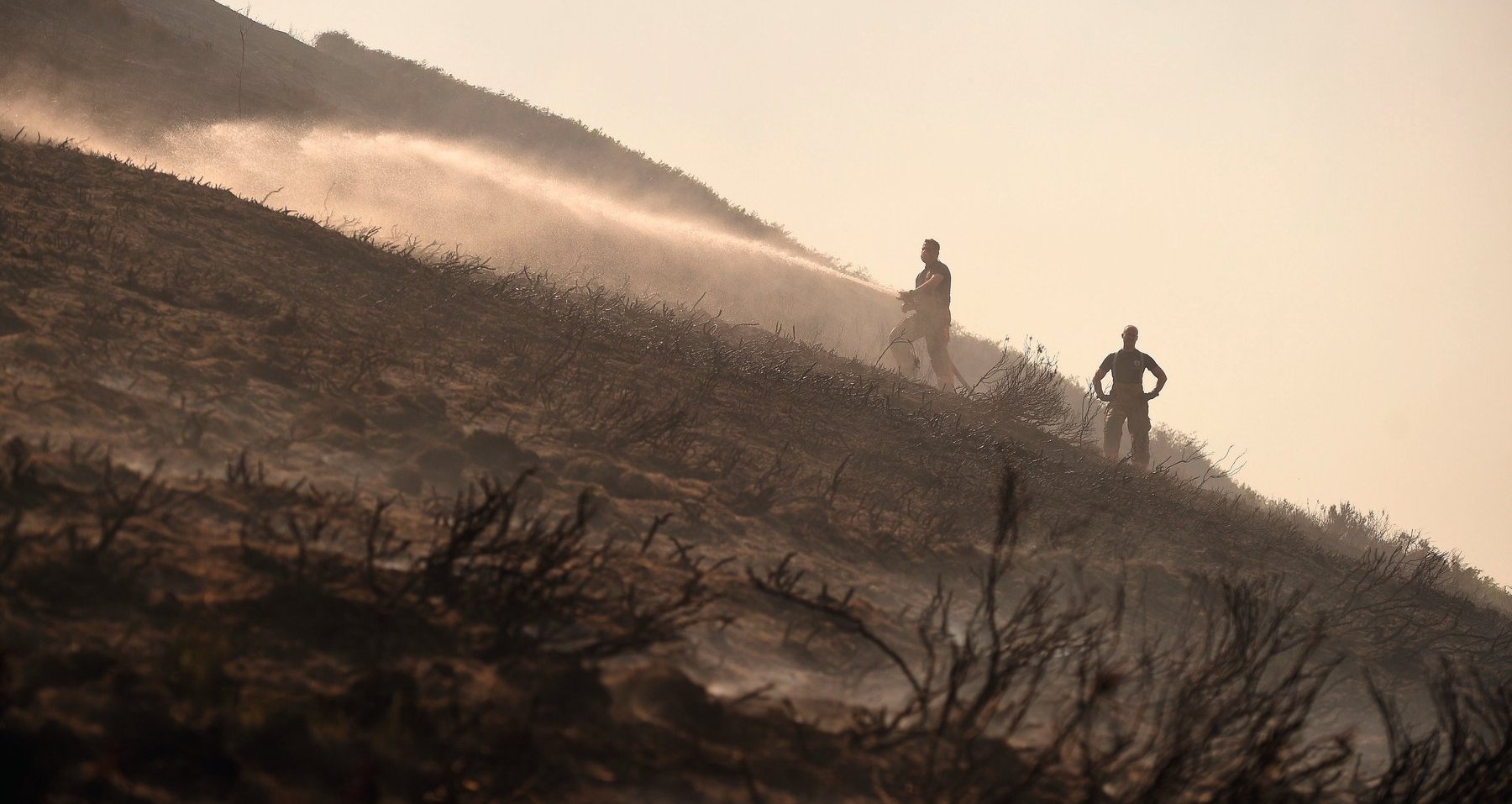

The Regional Moorland Groups have urged the Government to learn from the 2025 Fylingdales Moor and Langdale wildfire and give gamekeepers, farmers and local people a lasting role in wildfire planning. In a statement published on Sunday, 18 October, the group said those who helped during the North York Moors emergency “have valuable knowledge to contribute to preparations for the next one”.
What did the Langdale fire teach?
The blaze in summer 2025 demanded a prolonged response in exceptionally difficult conditions. North Yorkshire Fire and Rescue Service’s published debrief names remote access, limited water supplies and the danger of unexploded ordnance on the former military ground as critical areas for improvement.
Farmers, landowners, volunteers and local communities worked alongside the emergency services throughout the incident, moving equipment, opening routes and supplying water across difficult ground.
Why do keepers matter when a moor burns?
The group argues that gamekeepers’ familiarity with the hill comes from working it all year round. Knowing the tracks, terrain and access points can be decisive when crews need to reach a remote seat of fire or move machinery across peat ground.
The groups say that practical knowledge deserves a lasting place in wildfire planning rather than being rediscovered at each incident. The case has already been put to Parliament. Giving evidence to MPs in June, the Forestry Commission’s wildfire adviser Rob Gazzard highlighted the part land managers, farmers and gamekeepers play in supporting firefighting operations, explaining how they can create firebreaks and strip vegetation from a fire’s path to help contain its spread.
Joint training before the smoke rises
The Regional Moorland Groups want joint training, clear points of contact and agreed arrangements for machinery and access settled well before an incident, so that fire crews and land managers can work together safely from the first hour. The group also wants residents given the chance to describe how a prolonged emergency affected daily life and livelihoods, so that recovery support reflects what moorland communities actually faced on the ground during the days the fire burned.
What happens next?
The call lands in a crowded wildfire debate. The Department for Environment, Food and Rural Affairs (Defra) is developing its response to a record fire year, its call for evidence on gamebird rearing, release and shooting closes on 1 November, and the sector gathers at the Wildfire 2026 conference in Leeds on 10 and 11 November, where fuel management and the uplands workforce are on the agenda.
Frequently asked questions
What was the Langdale wildfire?
A major moorland fire on Fylingdales Moor and Langdale in the North York Moors in summer 2025, which burned for days and drew a prolonged multi-agency response supported by farmers, keepers and local volunteers.
How do gamekeepers help fight wildfires?
Keepers know a moor’s tracks, water points and terrain from year-round work, can guide crews to remote ground, and use cutting and burning skills and estate machinery to create firebreaks that slow a fire’s spread.
Who runs the Regional Moorland Groups?
They are a network of regional groups representing moorland owners, managers and gamekeepers across England’s uplands, publishing research and community stories from the moors.
 Closes 15 JanuaryWorth £129.90Win a pair of tickets to the British Shooting Show 2027Enter nowFree to enter
Related Articles
BASC Council elections 2027: nominations open for two seats
The association wants members with the judgement to shape its strategy and hold it to account, for a five-year term, around eight meetings a year and a £350 attendance allowance. What the job involves...
By News Desk | 12 November 2026
Deer collision warnings run on eight Highland trunk roads in November
NatureScot and Transport Scotland have put dawn and dusk alerts on the A9, A82, A96 and five other trunk roads for the rest of the month, with mobile signs at Lochend on Loch Ness, where collisions wi...
By News Desk | 12 November 2026
Get the latest news delivered direct to your door
Subscribe to Shooting Times & Country
Discover the ultimate companion for fieldsports enthusiasts with Shooting Times & Country Magazine, the UK’s leading weekly publication that has been at the forefront of shooting culture since 1882. Subscribers gain access to expert tips, comprehensive gear reviews, seasonal advice and a vibrant community of like-minded shooters.
Save on shop price when you subscribe with weekly issues featuring in-depth articles on gundog training, exclusive member offers and access to the digital back issue library. A Shooting Times & Country subscription is more than a magazine, don’t just read about the countryside; immerse yourself in its most authoritative and engaging publication.