
Hen harrier numbers rise in England with 112 chicks fledged in 2026
Natural England’s annual figures show 45 breeding attempts and 112 chicks fledged this year, with the agency asking more moorland owners to agree monitoring access after a quieter count on grouse moors


Nesting hen harriers increased in England again in 2026, with 45 breeding attempts recorded and 112 chicks fledged, according to data collected by Natural England, the RSPB and partners. The figures, published on 14 October, compare with 39 attempts and 106 fledged chicks in 2025.
What do the 2026 figures show?
Of the 45 breeding attempts, 33 were successful, the same number as last year, and the average brood was 3.4 chicks per successful nest against 3.2 in 2025. One second breeding attempt was recorded, giving an estimated minimum of 44 breeding females in England, up from 39. This year marks 30 years of consolidated English breeding records for the species.
Natural England says the overall figures show a steady increase in breeding attempts over the past two years, following a sharp drop in 2024. Field staff reported more prey about in 2026, including voles, which the agency says is likely to have contributed, though not in every area. While the national population remains small, it cautions, the species’ ability to bounce back from poor breeding years is limited, so continued effort is needed.
How did grouse moors feature in the count?
Only nine of the 45 recorded breeding attempts were made on moors managed for grouse in England, with the remainder across other moorland and water catchments, including nature reserves. Natural England says the relatively small number recorded on grouse moors could reflect reduced monitoring of grouse moors in 2026 compared with previous years, and that its team “would welcome the opportunity to work with more moorland owners and agree access and monitoring agreements” to build a fuller picture.
The agency’s national delivery director, Matt Heard, extended its gratitude in the published figures “to those land managers who are encouraging Hen Harriers to nest successfully alongside their wider estate management for grouse and other wildlife”, alongside thanks to the RSPB, raptor study groups, volunteers and public landowners.
What happens next
Annual monitoring continues under the joint action plan to increase the English hen harrier population, published by the Department for Environment, Food and Rural Affairs (Defra) in 2016. Natural England notes it is unlikely that every breeding hen harrier in England is counted, and says great effort goes into working with landowners and managers to add as many nests as possible to the records each year, which is why it is inviting moorland owners to agree access and monitoring arrangements ahead of the 2027 season. The full 2026 figures, with the 30-year breeding table, can be read on Natural England’s blog.
Frequently asked questions
How many hen harriers bred in England in 2026?
Natural England and partners recorded 45 breeding attempts, of which 33 were successful, fledging 112 chicks – an estimated minimum of 44 breeding females.
Why did hen harrier numbers rise in 2026?
Natural England points to more prey being available, including voles, and continued partnership working, while noting that annual fluctuations are normal for any wild species.
How many nests were on grouse moors?
Nine of the 45 recorded breeding attempts were on moors managed for grouse. Natural England says reduced monitoring of grouse moors in 2026 may explain the smaller number recorded there.
 Closes 15 JanuaryWorth £129.90Win a pair of tickets to the British Shooting Show 2027Enter nowFree to enter
Related Articles
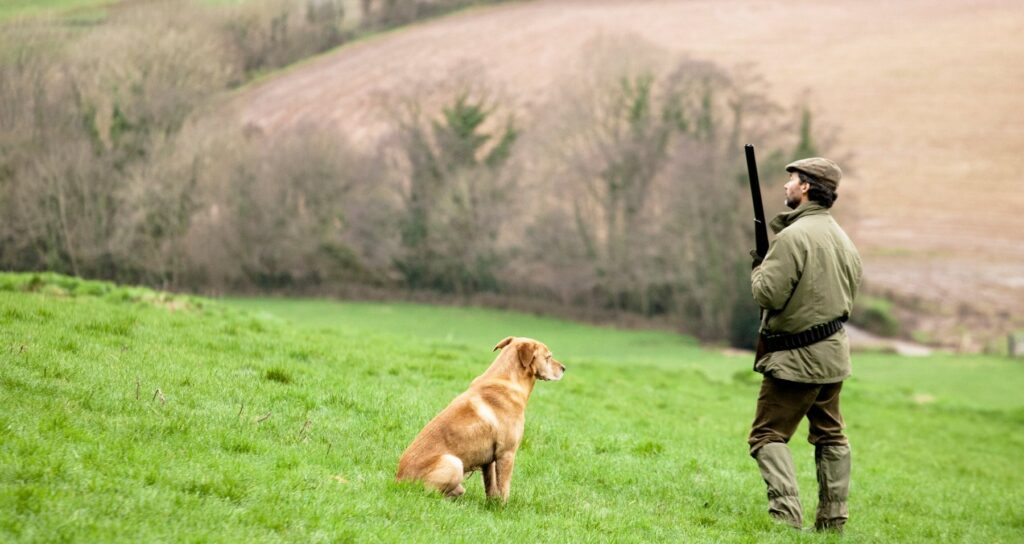
BASC Council elections 2027: nominations open for two seats
The association wants members with the judgement to shape its strategy and hold it to account, for a five-year term, around eight meetings a year and a £350 attendance allowance. What the job involves...
By News Desk | 12 November 2026
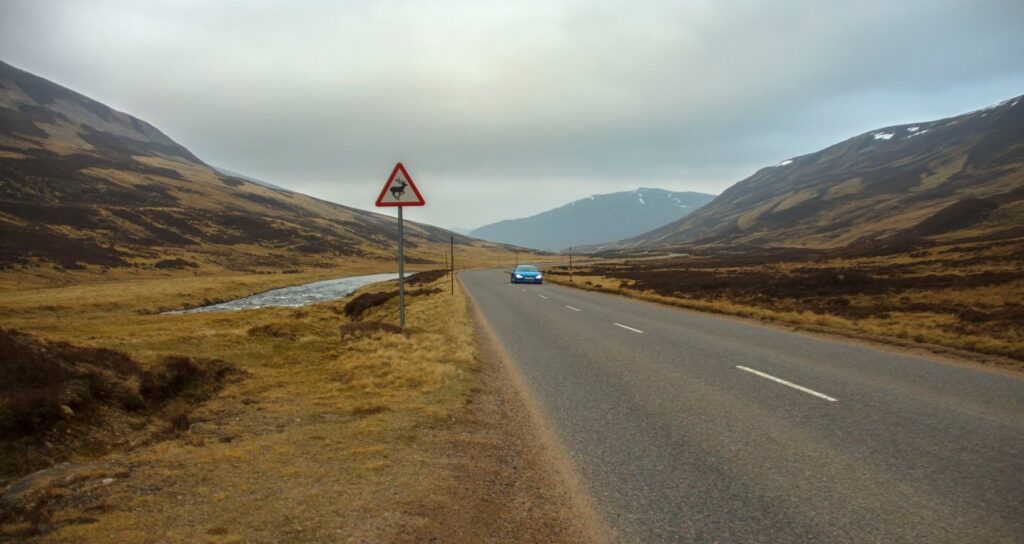
Deer collision warnings run on eight Highland trunk roads in November
NatureScot and Transport Scotland have put dawn and dusk alerts on the A9, A82, A96 and five other trunk roads for the rest of the month, with mobile signs at Lochend on Loch Ness, where collisions wi...
By News Desk | 12 November 2026
Get the latest news delivered direct to your door
Subscribe to Shooting Times & Country
Discover the ultimate companion for fieldsports enthusiasts with Shooting Times & Country Magazine, the UK’s leading weekly publication that has been at the forefront of shooting culture since 1882. Subscribers gain access to expert tips, comprehensive gear reviews, seasonal advice and a vibrant community of like-minded shooters.
Save on shop price when you subscribe with weekly issues featuring in-depth articles on gundog training, exclusive member offers and access to the digital back issue library. A Shooting Times & Country subscription is more than a magazine, don’t just read about the countryside; immerse yourself in its most authoritative and engaging publication.