★ Beat print – get early access to the news by signing up to the Shooting Times newsletter here ★

Northern Ireland firearms licensing set to more than double
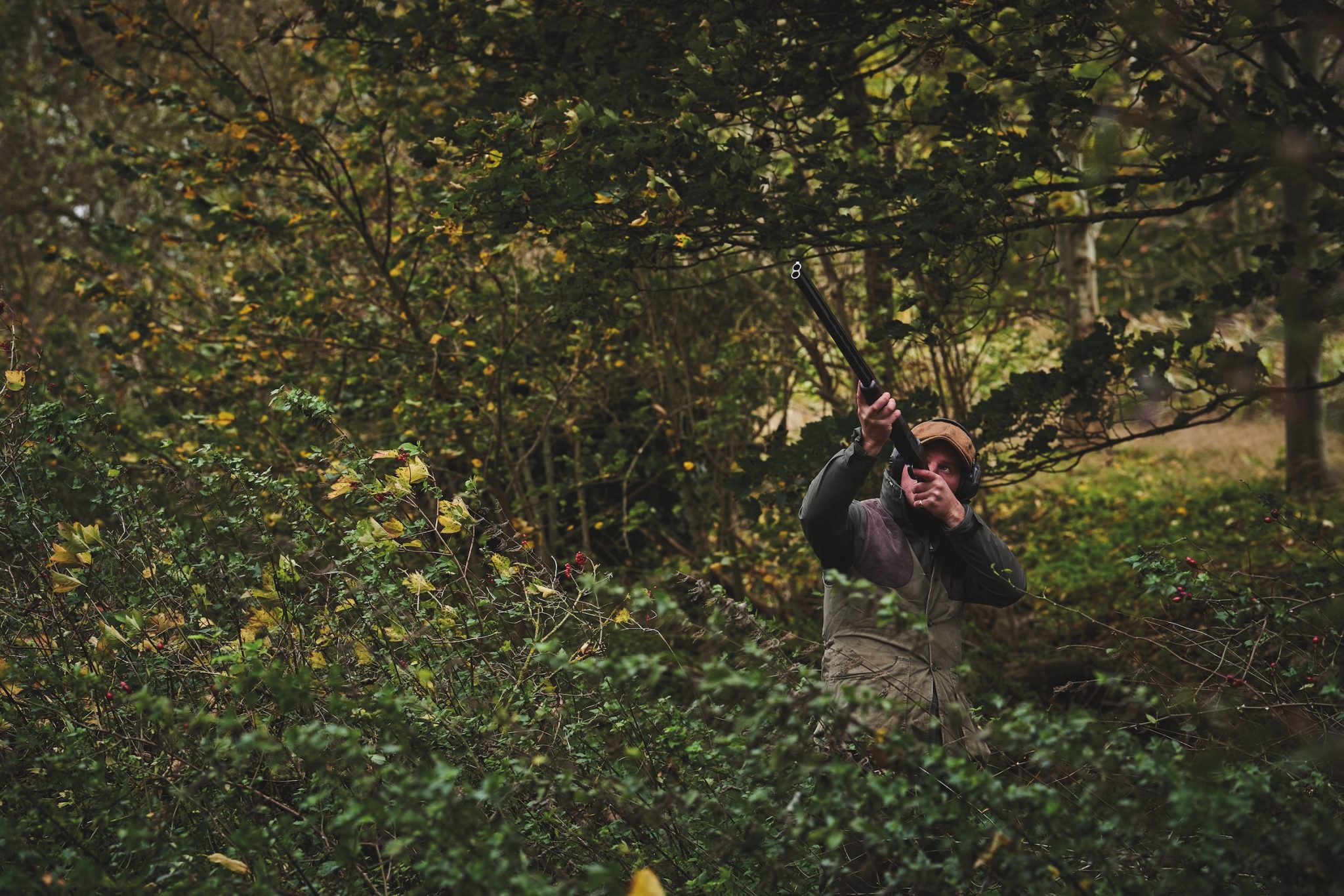
BASC and the Ulster Farmers' Union have hit back at proposals to increase Northern Ireland's firearms licensing fees by 153%.
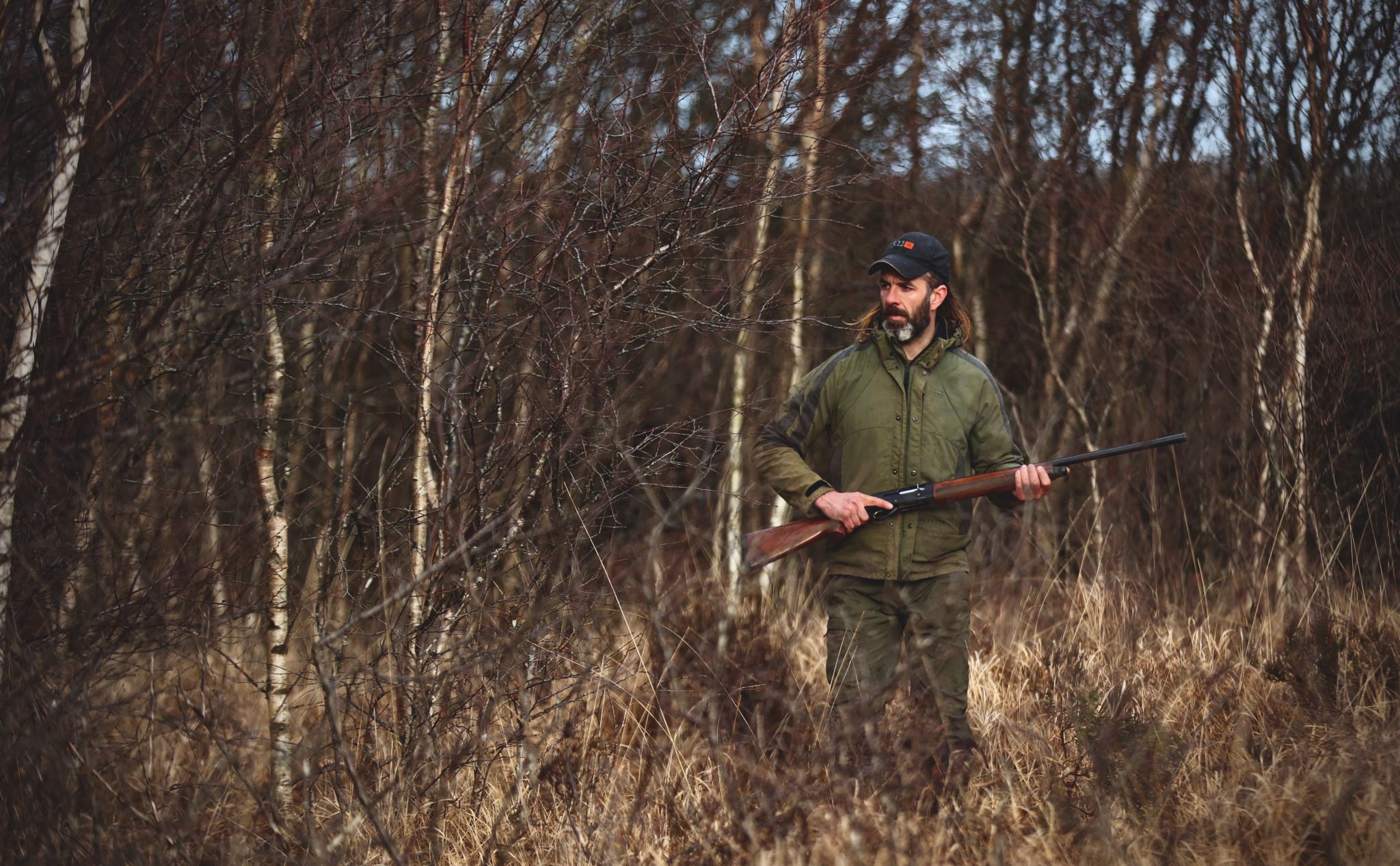 Credit: Daniel O'Flaherty

Proposed fee increases
Shooting and farming organisations in Northern Ireland have lined up against Government proposals to more than double firearms licensing fees, after the Department of Justice launched a public consultation on 30 March seeking to recover the full cost of running the province’s licensing system.
Under the proposals, the grant of a firearm certificate would rise from £98 to £250, a variation by the Chief Constable from £30 to £77 and a registered firearms dealer’s certificate from £300 to £764. The average fee increase across the full schedule of changes would be 153%, adjusted for inflation from June 2025.
Firearms licensing fees in Northern Ireland have not changed since 2016 and current income from certificate applications covers only around 40% of what it costs the police to run the service, says the Department of Justice. The estimated shortfall for 2025–26 stands at just under £2 million – a deficit that has been met year after year from mainstream police funding.
.
Government position and sector response
Justice Minister Naomi Long MLA did not mince her words. “This subsidy can no longer continue,” she said, “especially at a time when funding and delivery of public services in Northern Ireland are under pressure.”
BASC and the Ulster Farmers’ Union (UFU) are both firmly opposed to the scale of the increase and neither organisation is buying the argument that 153% is the only way to close the gap.
BASC’s Northern Ireland director Tommy Mayne said the organisation was “strongly opposed to any increase in fees without a full, transparent review of the necessary processes within firearms licensing”. He called for that review to involve BASC and partner organisations on the Northern Ireland Firearms Representative Group and for any additional income to be ringfenced for licensing rather than absorbed into the wider policing budget.
Crucially, Mr Mayne argued that without proper scrutiny of what licensing staff actually do and how long it takes them, the true cost of the system cannot be pinned down at all. “Without clarity on the work carried out, it is impossible to accurately determine the true cost of the system,” he said.
The UFU’s deputy president, John McLenaghan, was equally blunt. “A 153% increase is simply unacceptable. Farmers are already operating under significant financial pressure and this proposal places yet another cost burden on them without sufficient justification.”
He challenged the premise that firearms licensing should be treated as a standard user-pays service at all, pointing out that effective vermin control on farms delivers wider public benefits that extend well beyond the individual certificate holder. “There is a clear public interest in ensuring farms can effectively manage vermin, protect livestock and support rural safety,” he said. “This is not comparable to a standard chargeable service.”
The UFU also took aim at the absence of any commitment to service improvements alongside the proposed increases, a concern likely to resonate with anyone who has waited months for a variation to be processed. “Farmers are being asked to pay significantly more, yet there are no guarantees of faster processing times or improved service delivery,” Mr McLenaghan said. “That is not acceptable.”
Scale of the system
There are around 54,000 FAC holders in Northern Ireland, with approximately 180,000 firearms held across the province. The police handle between 1,600 and 2,000 online applications and 400 to 500 other application types every month, according to the consultation.
Banded system changes
The consultation also covers a second, less contentious proposal: expanding the banded system, which allows FAC holders to swap one rifle for another within specific calibre bands through a dealer, without making a formal variation application. The proposed additions include the 9mm/.357 air rifle to the small quarry band, the .17 Winchester Super Magnum to the medium quarry band and the 6.5 Creedmoor, 6.5×47 Lapua, .260 Remington and 7×57 Mauser to the large quarry band.
BASC has welcomed this element of the consultation, having submitted recommendations along similar lines to the Justice Committee back in 2020, though Mr Mayne warned the current proposals had “cherrypicked” those recommendations and would not deliver the improvements originally envisaged.
At the time of writing, the organisation is urging members not to respond to the consultation independently while it works through the details and coordinates a position with partner organisations on the Northern Ireland Firearms Representative Group. A formal response will follow.
The consultation closes on 29 May 2026. Responses can be submitted via the Northern Ireland Government Citizen Space website or by email to FEB@justice-ni.gov.uk.
Do you have a news story to share?
Contact our group news editor Hollis Butler at hollis.butler@twsgroup.com. We aim to respond to all genuine news tips and respect source confidentiality.
Stay in the loop with the latest fieldsports news
Don’t miss a story – get shooting news straight to your inbox or phone. Join our newsletter and WhatsApp channel.
Related Articles
Quarry species review: another blow for the countryside
The countryside has been hit with another consultation in the form of a government-led review of our quarry species, says James Green
By BASC
Alliance calls for rural solidarity in trail hunting consultation
The Countryside Alliance warns the ban's reach extends beyond the hunting field – and the rural community must respond as one.
By Hollis Butler
Get the latest news delivered direct to your door
Subscribe to Shooting Times & Country
Discover the ultimate companion for fieldsports enthusiasts with Shooting Times & Country Magazine, the UK’s leading weekly publication that has been at the forefront of shooting culture since 1882. Subscribers gain access to expert tips, comprehensive gear reviews, seasonal advice and a vibrant community of like-minded shooters.
Save on shop price when you subscribe with weekly issues featuring in-depth articles on gundog training, exclusive member offers and access to the digital back issue library. A Shooting Times & Country subscription is more than a magazine, don’t just read about the countryside; immerse yourself in its most authoritative and engaging publication.