The countdown is on for The British Shooting Show – book tickets online today and save on gate price!


RSPB accused of ‘manufacturing’ wildlife crime prosecutions
Damning report calls for 'absolute closure' of investigation unit after documenting three decades of alleged misconduct
 Credit: C4PMC

Allegations of three decades of misconduct
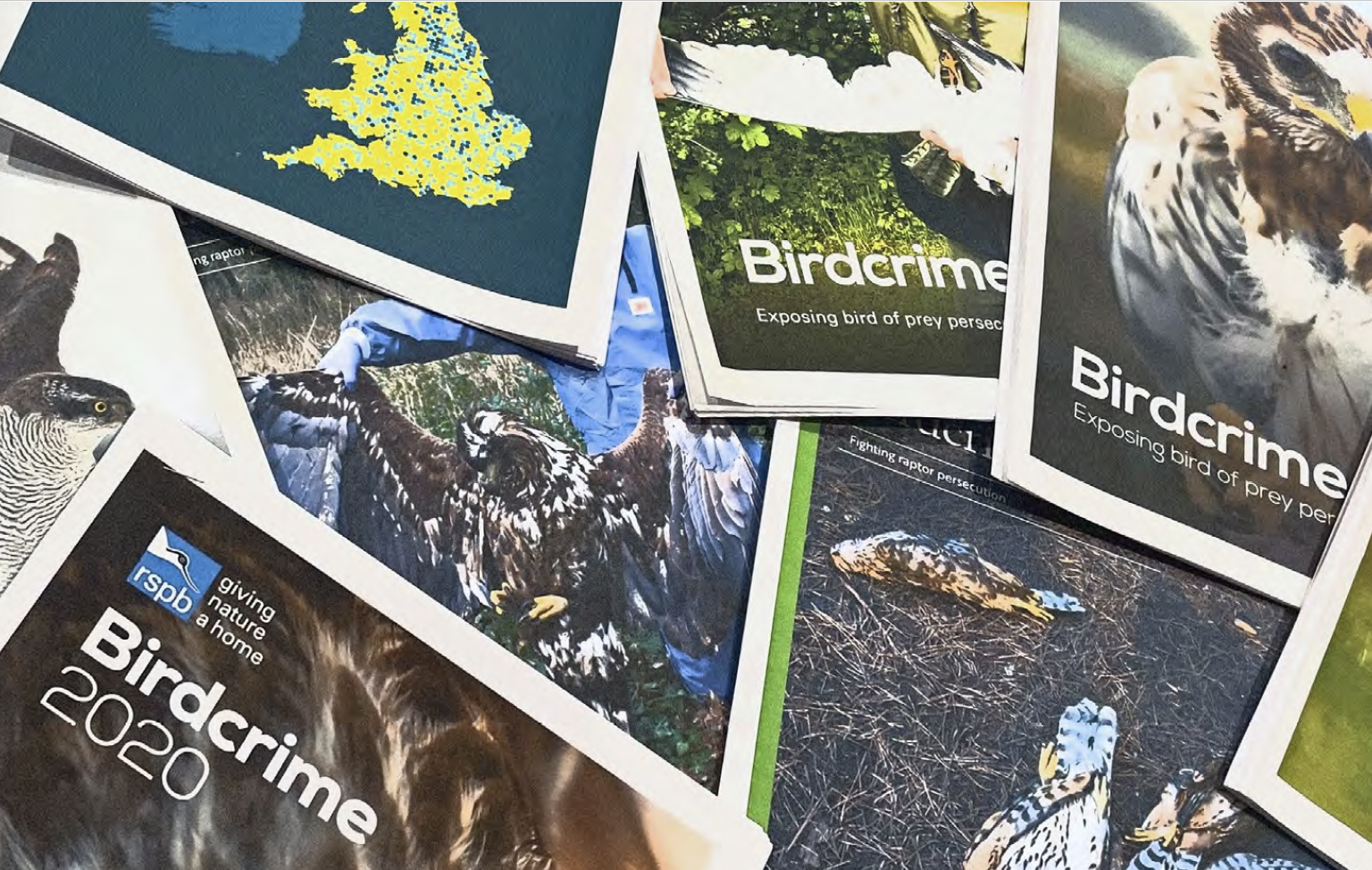
The RSPB has been accused of ‘manufacturing prosecutions’ and operating as a rogue investigative force in a damning report examining three decades of wildlife crime cases.
The 79-page dossier, commissioned by the Campaign for the Protection of Moorland Communities and published on 20 January, examines 14 wildlife crime investigations conducted by the charity between 1990 and 2025.
.
Claims of flawed evidence and directed prosecutions
Report author Andrew Ben O’Rourke, a journalist with 30 years’ experience, claims the RSPB’s investigations team has routinely directed police operations, handled evidence and secured convictions based on flawed scientific methods and questionable practices.
Among the most serious allegations is that raptor breeders in the 1990s were convicted using DNA testing systems the RSPB helped develop at Nottingham University. The technique was later scrapped after Government scientists found it unreliable, yet the convictions stand.
The report also claims the charity exploited a 2004 amendment to the Wildlife and Countryside Act that inadvertently criminalised egg collections taken legally between 1954 and 1981. Several prosecutions under this amendment were later overturned following a judicial review, but only after collectors had their possessions confiscated and faced criminal proceedings.
.
Former wildlife crime chief raises concerns
Nevin Hunter, who headed the National Wildlife Crime Unit from 2012 to 2014 after 28 years in the police, told Mr O’Rourke he became aware of extensive complaints about RSPB interference in investigations. These included taking over from police, demanding to interview suspects, trespassing on private property and failing to report incidents to authorities.
“Investigations should be instigated and led by police, who were the trained investigators,” Mr Hunter said. “You would think that over time, as the police started to become more adept and more capable of investigating, the RSPB would want to withdraw from that role. But actually, it upset them that they weren’t directly involved.”
The C4PMC report is likely to deepen the long-running dispute between the RSPB and the gamekeeping community. It calls for “the absolute closure of the RSPB investigation team”, describing its influence as “insidious, promoting persecution and division in countryside and birdwatching communities based on flawed facts and unclear agendas, none of which improve the welfare of birds”.
.
RSPB rejects report’s findings
An RSPB spokesperson told Shooting Times: “We strenuously deny all these allegations. The RSPB only collects evidence of criminal activity which is then handed over to the police. The RSPB has no say in whether cases progress. That decision is down to the local wildlife crime officers and the CPS.”
RSPB Uncovered: The Missing ‘Birdcrime’ Files is available at c4pmc.co.uk.
Do you have a news story to share?
Contact our group news editor Hollis Butler at hollis.butler@twsgroup.com. We aim to respond to all genuine news tips and respect source confidentiality.
Stay in the loop with the latest fieldsports news
Don’t miss a story – get shooting news straight to your inbox or phone. Join our newsletter and WhatsApp channel.
Related Articles

News
Third of forces failing firearms licensing targets
Thirteen forces meet targets whilst 30 fail and temporary permits soar. When will someone fix the crisis in firearms licensing?
By Hollis Butler
News
One rogue does not represent gamekeeping
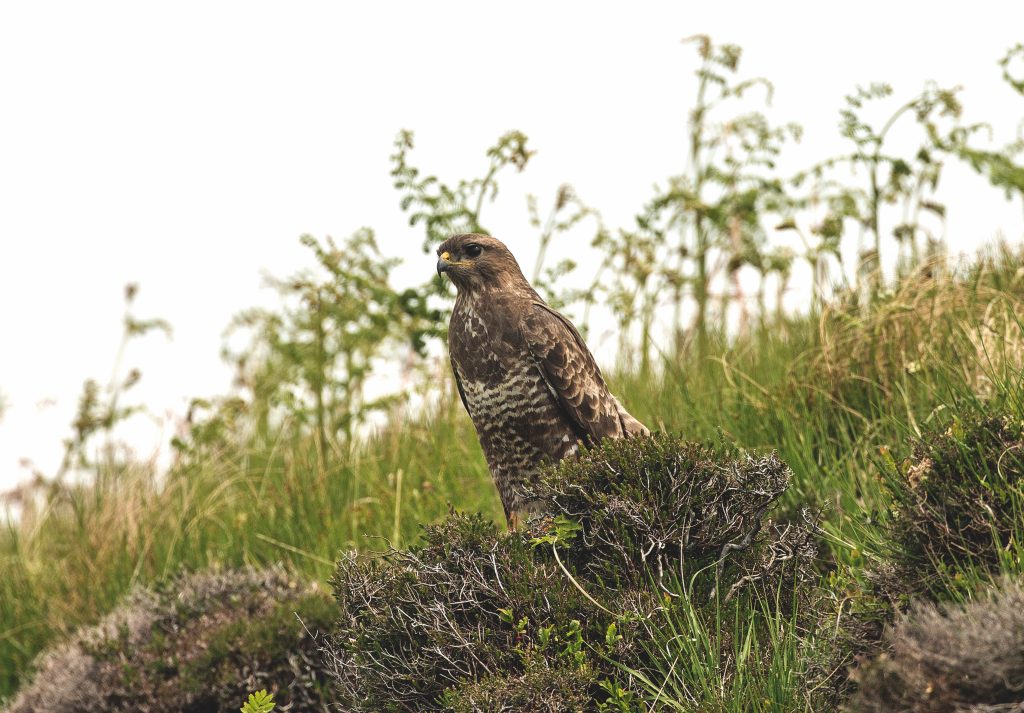
Shooting and gamekeeping representatives have condemned an ex-keeper convicted of killing a buzzard, stressing his criminal actions have no place in responsible practice
By Hollis Butler
Get the latest news delivered direct to your door
Subscribe to Shooting Times & Country
Discover the ultimate companion for field sports enthusiasts with Shooting Times & Country Magazine, the UK’s leading weekly publication that has been at the forefront of shooting culture since 1882. Subscribers gain access to expert tips, comprehensive gear reviews, seasonal advice and a vibrant community of like-minded shooters.
Save on shop price when you subscribe with weekly issues featuring in-depth articles on gundog training, exclusive member offers and access to the digital back issue library. A Shooting Times & Country subscription is more than a magazine, don’t just read about the countryside; immerse yourself in its most authoritative and engaging publication.