★ Win a pair of Brandecosse Capriolo boots worth £219! Click here to enter ★



Are the RSPB pro or anti-shooting?


Britain’s heather moorlands are both beautiful and rare, and they owe their existence to grouse shooting. If we are going to maximise the wildlife in these upland habitats, it is vital that conservation charities and gamekeepers can work closely together. This can be a fraught relationship; moorland gamekeepers fund their conservation through grouse shooting, charities fund theirs through donations from people with a diversity of views and opinions. Navigating this potentially turbulent situation requires a degree of mutual trust and transparency, something that gets talked about a lot but is hard to actually achieve, particularly when one of the biggest players says one thing to one audience and something quite different to another.
The RSPB claims neutrality on shooting issues
In a recent blog post marking the publication of a paper on driven grouse shooting, RSPB Conservation Director Martin Harper noted that “the grouse industry [sic] can deliver environmental benefits and can make a real and valuable contribution to species conservation”. This was in the context of a blog and a RSPB paper that were broadly critical of grouse management practices, but suggested a welcome openness to productive discussion with grouse moor managers, in tune with the message the RSPB regularly delivers to the shooting community. The RSPB claims neutrality on shooting issues, and Martin Harper has himself noted that suggesting the organisation is anti-shooting “unnecessarily imposes a strain on [the RSPB’s] relationship with some in the farming community”.
Contrast this message of neutrality with the most recent edition of the RSPB e-newsletter “Legal Eagle”. The RSPB doesn’t trumpet this publication too loudly, possibly because of its wilfully incendiary delivery. It is the newsletter of the organisation’s investigations team, detailing ongoing prosecutions and highlighting pieces of news the investigations team finds of interest. One such piece of news, found on page 15 of the March 2016 edition, is the publication of a new report on Scottish grouse moor management by that distinctly less than neutral organisation, the League Against Cruel Sports. The findings of the report from this animal rights group are laid out for the reader in bullet point form, including concerns regarding entirely legal heather burning and predator control, both of which the RSPB carry out themselves, and a scornful look at the economic impact and employment data of grouse shooting. That the RSPB would lend credibility to this report, with no balancing viewpoint or caveat highlighting LACS’ stated aim to see all game shooting banned, is shocking and duplicitous enough. What is worse is the intended audience of this piece – Legal Eagle is targeted at wildlife crime officers.
A different editorial line
The obvious question is why does the RSPB feel wildlife crime officers need to see a heavily biased account of grouse shooting’s contribution to the economy? What possible purpose could this serve other than to colour the views of serving police officers against a legal form of shooting and wildlife management? But a more nuanced question might be why does the mouthpiece of the investigations team take such a different editorial line than that set by the RSPB’s own conservation director?
It certainly can’t be written off as an aberration; this isn’t the first time it’s happened. Recently Defra published the Hen Harrier Joint Recovery Plan, a plan drawn up by organisations representing conservation charities, national parks, moorland managers and government to save the hen harrier in England. The hen harrier has a troubled history with shooting, with cases of persecution on grouse moors a historical blight on shooting’s record of conservation, and a plan supported by everyone involved in the future of this totemic species is widely seen as vital to bring about a reversal in the hen harrier’s fortunes. To mark the Joint Recovery Plan’s publication Martin Harper took to his blog to lay out the official-sounding “RSPB response to the Hen Harrier Action Plan”. The RSPB’s conservation director welcomed the plan, accepting that while it isn’t perfect “it reflects real potential for progress” and pledging that the RSPB “shall play our part in making it a success”. However, on this occasion too, the investigations team took a rather different position. A day after Martin Harper’s blog was published (plenty of time to read and digest the “RSPB response”, one would think) RSPB Investigator Guy Shorrock tweeted that “Defra should be utterly ashamed at this sham of a ‘plan’ to help English hen harriers – at least the criminals will be happy!” And who also was unhappy? Mark Avery, Martin Harper’s predecessor. Perhaps the old regime is still setting the tone for one faction at the RSPB.
This fault line between the official position of the RSPB and the views of some of its employees is extraordinary, and it makes the organisation very hard to work with.
If we are to make the progress our wildlife and our rural communities deserve, the RSPB needs to sort this out. The working countryside needs to know whether it is dealing with a conservation charity that shares its desire for biodiverse and economically vibrant uplands, or an animal rights group determined to extinguish grouse shooting, regardless of any Joint Recovery Plan.
Related Articles
News
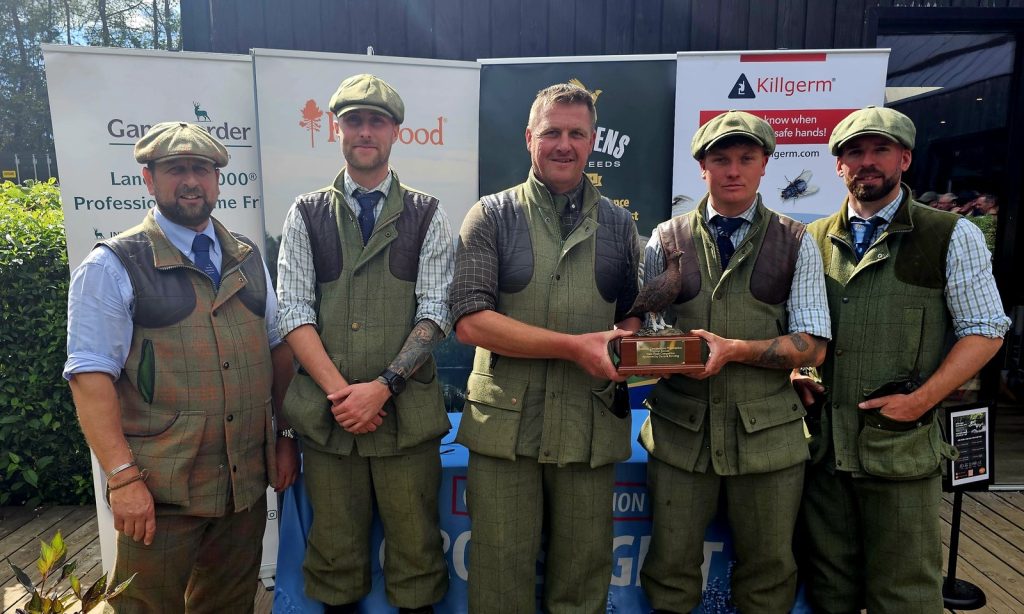
Daniel Marwood wins NGO Golden Grouse clay shoot 2026
Grouse keeper Daniel Marwood has won the headline title at the National Gamekeepers’ Organisation’s annual Golden Grouse clay shoot. The competition drew 115 guns to Thimbleby Shooting Ground in N...
By News Desk

News
Catapult law could be tightened after Home Office roundtable
Ministers face fresh pressure to tighten catapult law after a Home Office roundtable, but the Government says current legislation is sufficient.
By News Desk
Get the latest news delivered direct to your door
Subscribe to Shooting Times & Country
Discover the ultimate companion for fieldsports enthusiasts with Shooting Times & Country Magazine, the UK’s leading weekly publication that has been at the forefront of shooting culture since 1882. Subscribers gain access to expert tips, comprehensive gear reviews, seasonal advice and a vibrant community of like-minded shooters.
Save on shop price when you subscribe with weekly issues featuring in-depth articles on gundog training, exclusive member offers and access to the digital back issue library. A Shooting Times & Country subscription is more than a magazine, don’t just read about the countryside; immerse yourself in its most authoritative and engaging publication.