★ Win a Schöffel Country shooting coat for everyone in your syndicate worth up to £6,000! Enter here ★


Shooting and fieldsports praised by scientists
Shooting and hunting have been universally good for both hunted and non-hunted species, says new study.
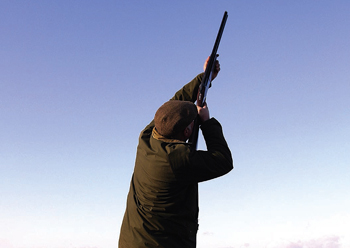

Shooting and fieldsports praised by scientists.
Fieldsports have been almost universally good for the hunted species and the non-hunted, non-predators that thrive in the same habitat, according to a new work due to be published next month on the state of the wildlife in Britain and Ireland.
Compiled by a team of 40 of the leading scientists in the area, the book Silent Summer appraises the changes that have occurred in a wide range of wildlife species and their habitats over the past 20 years and outlines urgent priorities for conservation.
It traces how species including farmland birds, brown hares, water voles and many butterflies and other insects are in decline because of changing farming practices and loss of habitat, but the 600-page book also praises the vital role fieldsports play in conservation.
Edited by professor emeritus Norman Maclean, of Southampton University?s School of Biological Sciences, Silent Summer draws on a number of scientific studies undertaken by the Game & Wildlife Conservation Trust (GWCT) and includes a chapter on the grey partridge written by three of the trust?s principal scientists.
It also includes a significant chapter on fieldsports produced by Robin Sharp, chair emeritus of the International Union for Conservation of Nature, in collaboration with the trust?s Professor Nick Sotherton.
Professor Sharp writes that fieldsports have been almost universally good for the hunted species and the non-hunted, highlighting that 86% of woodland managed for hunting had vegetation cover compared with just 64% in unmanaged woodland.
The book also refers to a GWCT study of three areas in central England which found that all owners of land used for hunting and shooting had planted new woodland, compared with only 30% of landowners not involved in hunting or shooting.
In the book, which has the endorsement of the naturalist Sir David Attenborough, Prof Sharp states: ?This suggests that those who hunt and/or shoot provide significant conservation benefits.?
He adds: ?More game keeping, game crops and habitat management would undoubtedly achieve even more.
Separately, the book offers a worrying but unwittingly beneficial prospect for fly-fishers as it tells how, due to falling insect populations, trout have become less selective over the flies they take.
A study by fishermen Cyril Bennett and Warren Gilchrist on two world-renowned chalkstreams, the Itchen and the Test in Hampshire, found that insect levels had reduced so that trout had become easier to catch.
Professor Maclean said: ?The days of detailed imitation flies being used are largely over, at least in the southern chalkstreams. The fly hatches have been so reduced that trout will take pretty much anything they can get.?
Talk to other readers about shooting’s benefit to wildlife in the forums.
Related Articles
News
The Woodcock Club moves to the NGO
The historic Woodcock Club is set to pass from Shooting Times to the National Gamekeepers’ Organisation, beginning a new chapter for the long-standing shooting institution.
By Hollis Butler
News
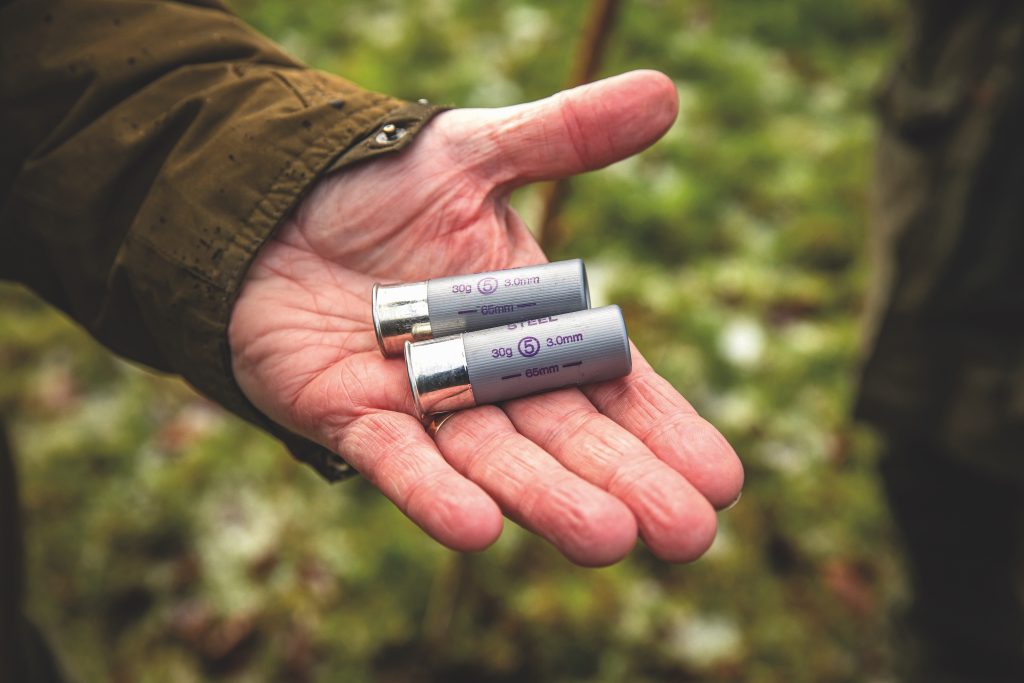
Guns face three-year deadline for lead ban
The heavily debated ban on lead ammunition is no longer a matter of if or when; it is a matter of how fast the industry can keep up with demand
By Hollis Butler
Get the latest news delivered direct to your door
Subscribe to Shooting Times & Country
Discover the ultimate companion for field sports enthusiasts with Shooting Times & Country Magazine, the UK’s leading weekly publication that has been at the forefront of shooting culture since 1882. Subscribers gain access to expert tips, comprehensive gear reviews, seasonal advice and a vibrant community of like-minded shooters.
Save on shop price when you subscribe with weekly issues featuring in-depth articles on gundog training, exclusive member offers and access to the digital back issue library. A Shooting Times & Country subscription is more than a magazine, don’t just read about the countryside; immerse yourself in its most authoritative and engaging publication.