★ Beat print – get early access to the news by signing up to the Shooting Times newsletter here ★


This is not merely a minor inconvenience
With widely used calibres like the .243 affected, shooters could face costly equipment changes, licensing delays and reduced capacity for deer management—raising serious questions about the wider consequences of the policy.
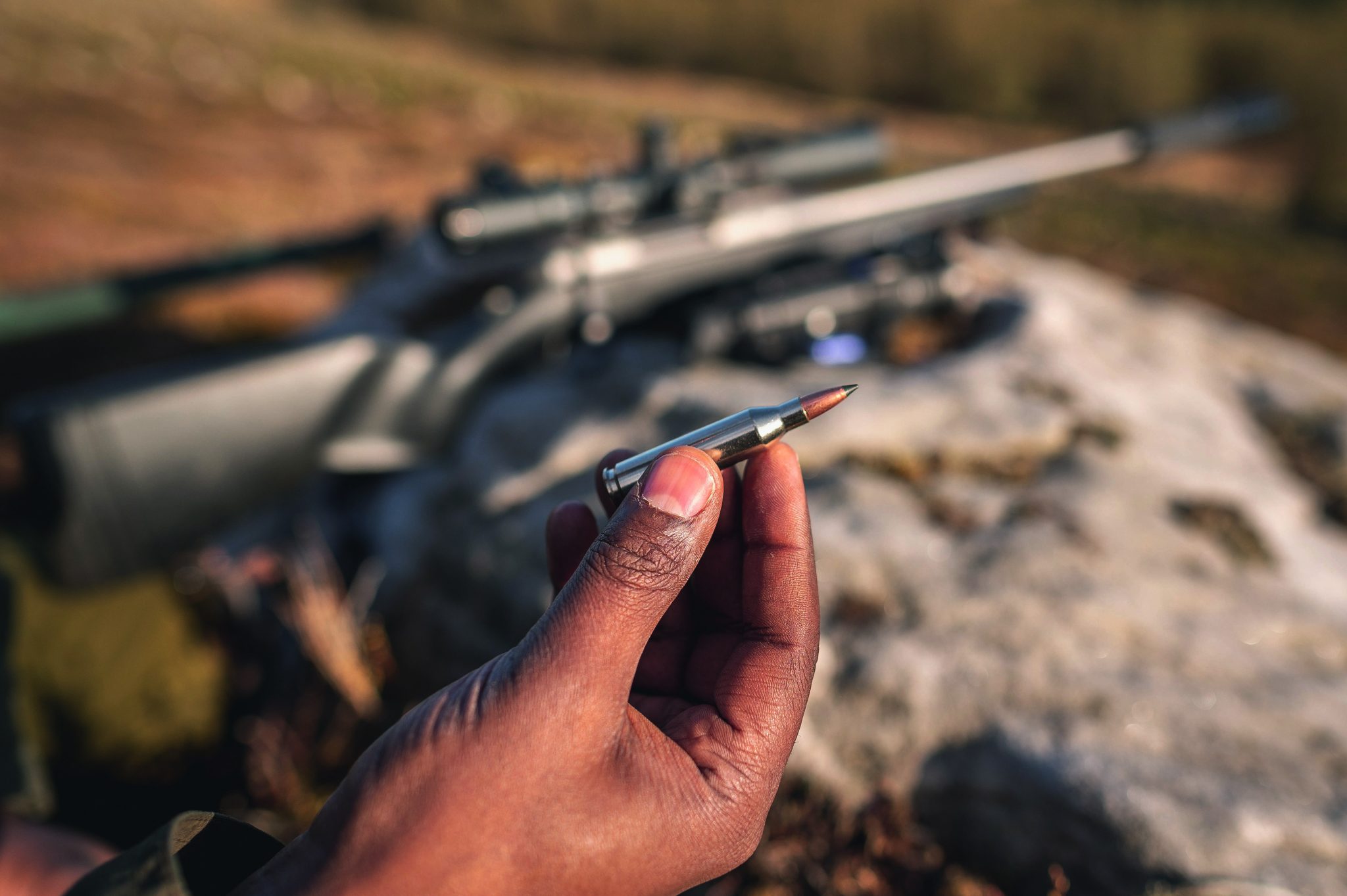

Restrictions on a range of lead rifle ammunition will take effect over the next two years, so Terry Behan looks at its potential complexities.
In February, the Government laid a statutory instrument that will restrict some uses of lead ammunition in England, Scotland and Wales in phases between April 2028 and April 2029. BASC has covered shotguns and now turns to rifles.
To recap, the use and sale of lead bullets for live quarry shooting in calibres 6.17mm and above will be banned from 1 April 2029 – including .243. Smaller calibres such as .22 rimfire and .22 centrefire can continue to be used.
The use of lead bullets for outdoor target shooting will be restricted from 1 April 2028, except at ranges that meet required risk-management measures. Police, military and indoor ranges are exempt, and there are no restrictions on lead pellets used in air rifles.
At first glance, this appears straightforward. However, for many in the shooting and deer management community, the reality is more complex.
There are around 60,000 deer managers currently using the .243 calibre. For many, it is a trusted and practical choice that has served reliably for years.
Most .243 rifles are built with a 1-in-10in twist rate, optimised for stabilising lead bullets typically ranging from 55-gr to 105-gr. Non-lead ammunition changes that dynamic significantly.
Because copper is less dense than lead, a non-lead bullet of equivalent weight must be longer. That increased length often requires a faster twist rate—typically closer to 1-in-8in—for proper stabilisation. Testing indicates that many existing .243 rifles may not perform adequately with monolithic non-lead bullets.
In practical terms, this could force rifle owners to re-barrel their firearms or apply for a variation for a different calibre.
This is not merely a minor inconvenience. It represents a significant financial and administrative burden. The impact will be felt by certificate holders who have already invested in lawful equipment and now face additional cost, uncertainty and delay.
At the same time, firearms licensing departments—already under pressure—will be required to process increased variation applications. In many areas, these already take months, raising the prospect of further delays.
The consequences extend beyond cost and administration. If fewer people have access to suitable rifles, or are left waiting for variations or replacements, fewer will be actively managing deer populations. That should concern everyone, particularly given the Government’s aim to reduce the negative impacts of rising deer numbers.
The inclusion of the .243 raises an obvious question: why is it in scope at all? Originally, the cut-off point for small calibres was set below 6.5mm. During consultation, changes in Scottish legislation and the availability of lead-free .243 ammunition led to the restriction being defined as any projectile of 6.17mm or above—bringing the .243 within scope.
Some argue it should be excluded because the bore diameter is slightly smaller, but as currently drafted, the restriction clearly captures it.
BASC has raised these concerns with ministers, submitting technical evidence on the challenges of non-lead .243 ammunition and the potential consequences for deer management.
Looking ahead, BASC will continue to support members through the transition. Non-lead ammunition events will be held across the country, allowing shooters to test alternatives and understand performance.
This issue matters for deer management, for wildlife, and for those carrying out this essential work. It also matters for the future of practical, evidence-based shooting policy in the UK.
Related Articles
News
Northern Ireland firearms licensing set to more than double
BASC and the Ulster Farmers' Union have hit back at proposals to increase Northern Ireland's firearms licensing fees by 153%.
By Hollis Butler
News
Quarry species review: another blow for the countryside
The countryside has been hit with another consultation in the form of a government-led review of our quarry species, says James Green
By BASC
Get the latest news delivered direct to your door
Subscribe to Shooting Times & Country
Discover the ultimate companion for fieldsports enthusiasts with Shooting Times & Country Magazine, the UK’s leading weekly publication that has been at the forefront of shooting culture since 1882. Subscribers gain access to expert tips, comprehensive gear reviews, seasonal advice and a vibrant community of like-minded shooters.
Save on shop price when you subscribe with weekly issues featuring in-depth articles on gundog training, exclusive member offers and access to the digital back issue library. A Shooting Times & Country subscription is more than a magazine, don’t just read about the countryside; immerse yourself in its most authoritative and engaging publication.