
Countryside Alliance opposes Welsh close season for hares
The Welsh Government’s wild animal welfare white paper would outlaw shooting hares in the breeding season; the Alliance says the 1892 Act already does the job
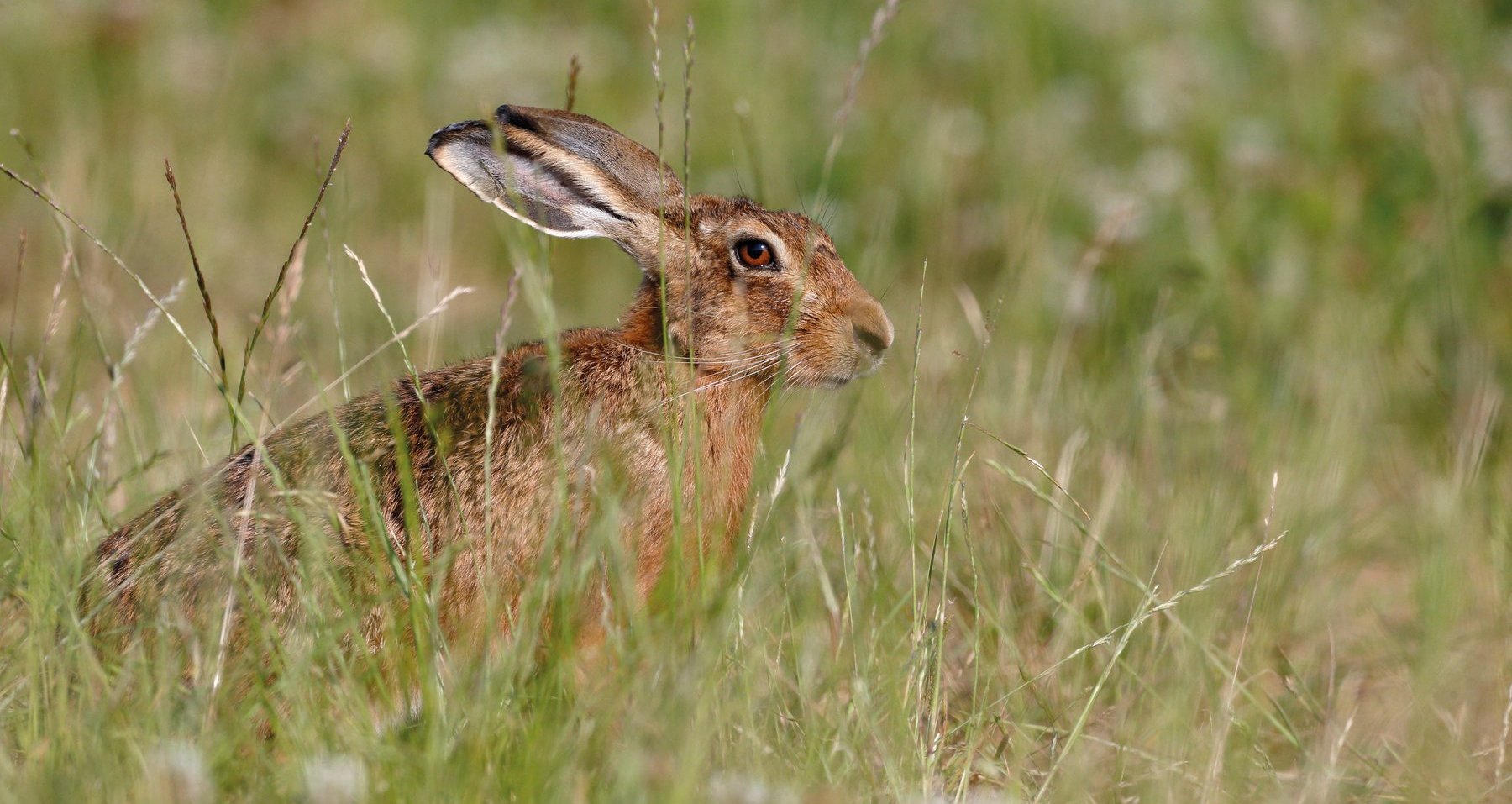

The Countryside Alliance has formally opposed Welsh Government plans for a statutory close season for hares, in its response to the wild animal welfare white paper consultation that closes on Monday, 19 October. The Alliance argues the measure would burden land managers while doing little or nothing for hare welfare.
Why does the Alliance oppose a statutory close season?
The white paper proposes to prevent hares being shot during the breeding season, but the Alliance says the consultation document offers no evidence that the current framework is a problem. The Welsh Government notes the hare is the only game species without a close season; the Alliance counters that it is also the only species classed as both game and a pest.
The Hares Preservation Act 1892 already prohibits the sale of hare meat during the main breeding season, which the Alliance says creates an effective close season. The Game and Wildlife Conservation Trust (GWCT), the Biodiversity Action Plan champion for brown hares since 1998, takes the same view: “Closed seasons are not appropriate in a pest control context. Where the aim is to reduce the numbers of a pest species in an area, allowing them full opportunity to reproduce is clearly counter-productive.”
What does the consultation itself admit?
The consultation’s own impact assessment concedes uncertainty about “the scale of hare shooting activity during the proposed close season period” and “the magnitude of potential welfare benefits arising from the proposals”, and assumes compliance costs will be limited because most land managers already avoid killing hares in the breeding season.
Rachel Evans, director for Countryside Alliance Wales, said: “We believe that the current situation allows for proper hare control while also protecting the health of the overall population and minimising the consequences for leverets during the breeding season. In practice a statutory close season would make little, if any, difference in terms of welfare but would result in additional burdens on land managers and risk the overall health of hare populations.”
If ministers press ahead, she said, “it should follow existing practice, with any close season beginning no earlier than the end of February”, with simple licensing exceptions for land managers. The Alliance has also put its case to Llyr Gruffydd, the Welsh Government’s minister for rural resilience and sustainability: at a meeting reported on its website on 12 October it raised the white paper, including the proposed hare close season, questioning the evidence base for the proposals and warning of unintended consequences.
Pressure at Westminster too
The Welsh proposal is not the only live close-season vehicle. The Hares (Close Season) Bill, a private member’s bill from Baroness Helic awaiting second reading in the House of Lords, would make it an offence to kill or take a brown hare between 1 February and 30 September in England and Wales, and would repeal the 1892 Act’s sale ban in the process.
What happens next?
The Welsh consultation closes on Monday, 19 October, and responses can be made through the Welsh Government website. Shooting and land management organisations are urging anyone who manages hares in Wales to respond before the deadline; the Welsh Government will then publish its analysis and decide which white paper measures proceed to legislation.
Frequently asked questions
Do hares have a close season in Wales?
Not a statutory one. The Hares Preservation Act 1892 bans the sale of hare meat during the main breeding season, which acts as a close season in practice, and good practice guidance steers land managers away from killing hares when they are breeding.
When does the consultation close?
The Welsh Government’s wild animal welfare white paper consultation closes on Monday, 19 October 2026.
Why are hares treated differently from gamebirds?
The hare is uniquely classed as both game and a pest. Pest species that damage crops have no close season because restricting control in the breeding season defeats its purpose.
 Closes 15 JanuaryWorth £129.90Win a pair of tickets to the British Shooting Show 2027Enter nowFree to enter
Related Articles
BASC Council elections 2027: nominations open for two seats
The association wants members with the judgement to shape its strategy and hold it to account, for a five-year term, around eight meetings a year and a £350 attendance allowance. What the job involves...
By News Desk | 12 November 2026
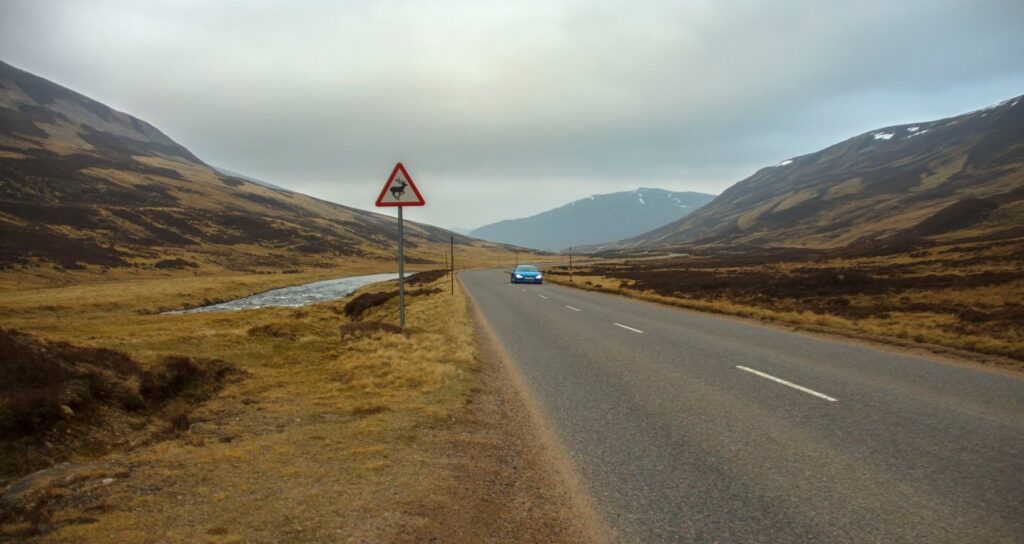
Deer collision warnings run on eight Highland trunk roads in November
NatureScot and Transport Scotland have put dawn and dusk alerts on the A9, A82, A96 and five other trunk roads for the rest of the month, with mobile signs at Lochend on Loch Ness, where collisions wi...
By News Desk | 12 November 2026
Get the latest news delivered direct to your door
Subscribe to Shooting Times & Country
Discover the ultimate companion for fieldsports enthusiasts with Shooting Times & Country Magazine, the UK’s leading weekly publication that has been at the forefront of shooting culture since 1882. Subscribers gain access to expert tips, comprehensive gear reviews, seasonal advice and a vibrant community of like-minded shooters.
Save on shop price when you subscribe with weekly issues featuring in-depth articles on gundog training, exclusive member offers and access to the digital back issue library. A Shooting Times & Country subscription is more than a magazine, don’t just read about the countryside; immerse yourself in its most authoritative and engaging publication.