

PM’s wildfire summit pledges £25m for peat and military aircraft
Andy Burnham promised military aircraft, £25m to rewet peat as firebreaks and help for farmers, as farming leaders pressed for prescribed burning support
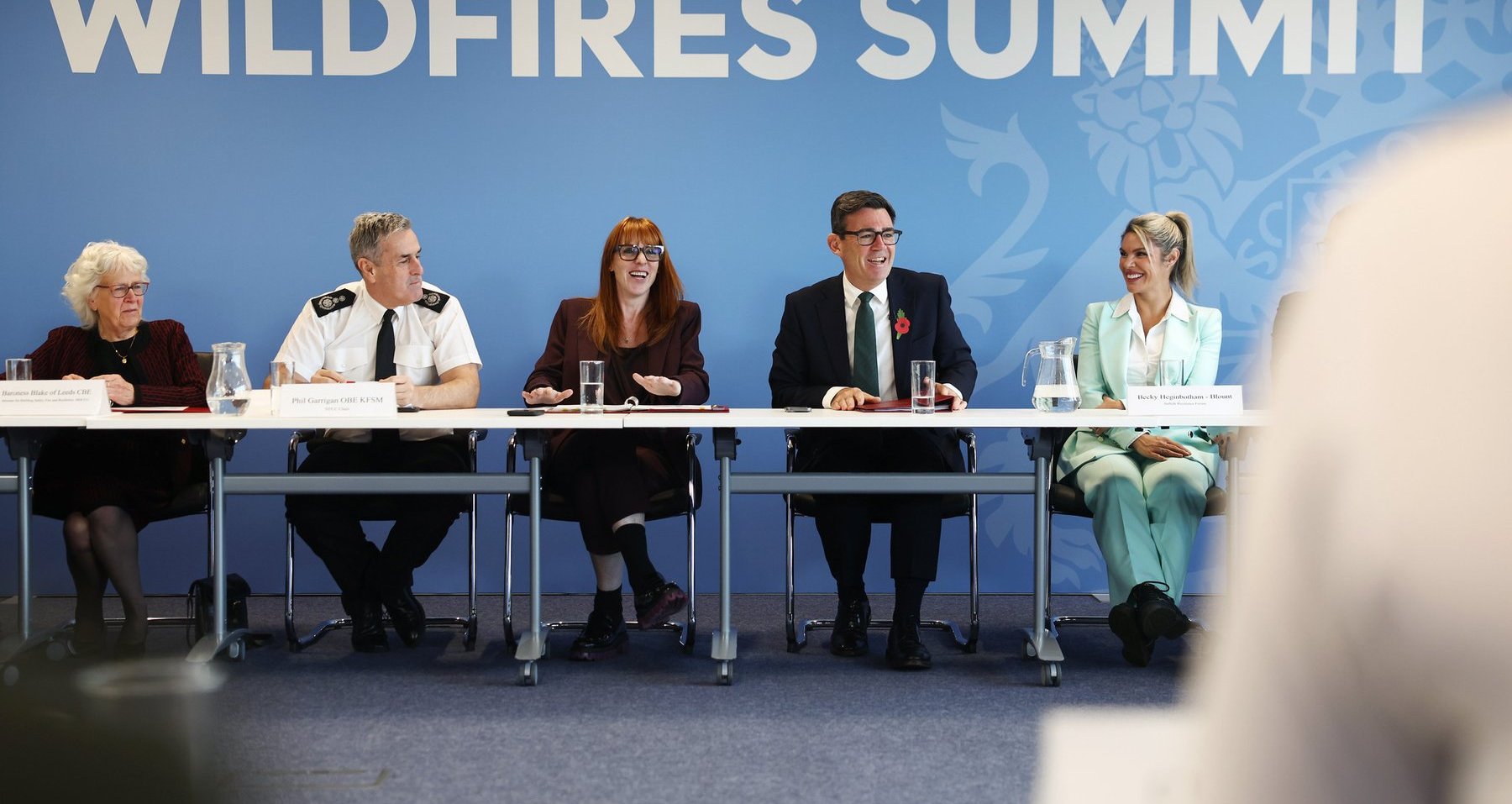

The Prime Minister convened the Government’s first wildfire resilience summit on Friday, 23 October, promising the UK’s first permanently based military aerial firefighting capability, £25m to restore dried-out peatland in England as natural firebreaks, and financial support for farmers who dig ponds and remove burnable material in high-risk areas. The announcements came three days after MPs on the Environment, Food and Rural Affairs (EFRA) Committee called for a rethink on wildfire prevention and a review of the rules on controlled burning.
What did the wildfire summit announce?
Andy Burnham hosted the Wildfires 27 Resilience Summit at the National Resilience Centre of Excellence in Aintree, Liverpool, with Communities Secretary Angela Rayner, fire chiefs, industry leaders, ministers and academics. The Royal Air Force’s Chinook helicopters and A400M aircraft are to be equipped to fight fires, the first military aerial firefighting capability permanently based in the UK, and frontline firefighters will receive lightweight personal protective equipment designed for wildfire rather than for buildings.
“I’ll never forget Stourbridge on that day,” the Prime Minister said of the West Midlands fire that destroyed 19 homes this summer. “We saw homes lost in a heartbeat, that’s the only way to put it.” He told the summit that “words are not enough”, adding: “I do believe we need to build up the resilience of the country, from the bottom up.”
Ms Rayner said: “The wildfires we’ve faced this year have been unrelenting, leaving a devastating impact on communities, homes and our precious countryside. That’s why we’re taking immediate action now while working across government and the sector to build a stronger, more resilient national response to wildfires for the future.”
What are land managers asking for?
The National Farmers’ Union (NFU), which attended the summit, called for a National Wildfire Strategy for England and Wales and for Government policy that supports active land management, naming grazing, prescribed burning, vegetation cutting and infrastructure maintenance as the tools that reduce fuel loads. That case echoes the EFRA Committee’s finding this week, and the argument moorland managers and keepers have made all summer: the cheapest fire to fight is the one the fuel load never feeds.
NFU livestock board chair Clare Wise said: “This summit gave the NFU another important opportunity to ensure the concerns of farming businesses are heard. This is particularly important given the vital role farmers and land managers often play when wildfires break out, acting as first responders and using their local knowledge and equipment to support emergency services.”
The scale of the year
Fire crews in England and Wales responded to 1,132 wildfires in the year to 16 August, more than in the whole of 2025, with major fires at Dunwich Heath in Suffolk and at Stourbridge, and an emergency alert warning of very high national wildfire risk was sent to phones across England and Wales on 14 August. The summer also brought major fires in the Cairngorms, the Mourne Mountains and the Rhinogydd, and the Welsh Government held its own wildfire summit in Merthyr Tydfil the day before, promising a review of the Heather and Grass Burning Code.
What happens next
The Government is convening a meeting of the UK and devolved governments to co-ordinate a nationwide wildfire response. The EFRA Committee has demanded a cross-government wildfire action plan by the end of 2026 and an aerial firefighting plan by January 2027, so Friday’s promises will be measured against those deadlines. No official readout had been published on GOV.UK by Saturday morning; the detail above was reported from the summit by the PA news agency, and the department responsible for the £25m peat fund and the farmer support scheme is expected to set out how land managers apply.
Frequently asked questions
What was announced at the wildfire summit?
Military aircraft, including Royal Air Force Chinooks and A400Ms, equipped for firefighting; lightweight wildfire personal protective equipment for firefighters; £25m to restore dried-out peatland in England as natural firebreaks; and financial support for farmers who dig ponds and remove burnable material in high-risk areas.
Where was the summit held?
At the National Resilience Centre of Excellence in Aintree, Liverpool, on Friday, 23 October 2026, hosted by the Prime Minister with the Communities Secretary.
Does the plan support controlled burning?
Not yet. The NFU asked the summit for policy that supports active land management including prescribed burning, and the EFRA Committee has called for a review of the burning rules, but the Government has announced no change to them.
 Closes 15 JanuaryWorth £129.90Win a pair of tickets to the British Shooting Show 2027Enter nowFree to enter
Related Articles
BASC Council elections 2027: nominations open for two seats
The association wants members with the judgement to shape its strategy and hold it to account, for a five-year term, around eight meetings a year and a £350 attendance allowance. What the job involves...
By News Desk | 12 November 2026

Deer collision warnings run on eight Highland trunk roads in November
NatureScot and Transport Scotland have put dawn and dusk alerts on the A9, A82, A96 and five other trunk roads for the rest of the month, with mobile signs at Lochend on Loch Ness, where collisions wi...
By News Desk | 12 November 2026
Get the latest news delivered direct to your door
Subscribe to Shooting Times & Country
Discover the ultimate companion for fieldsports enthusiasts with Shooting Times & Country Magazine, the UK’s leading weekly publication that has been at the forefront of shooting culture since 1882. Subscribers gain access to expert tips, comprehensive gear reviews, seasonal advice and a vibrant community of like-minded shooters.
Save on shop price when you subscribe with weekly issues featuring in-depth articles on gundog training, exclusive member offers and access to the digital back issue library. A Shooting Times & Country subscription is more than a magazine, don’t just read about the countryside; immerse yourself in its most authoritative and engaging publication.