★ Your magazine. Your say. Complete our reader survey with a chance to win Jack Pyke kit worth £500! ★


Wildlife crime convictions below 2%, coalition report says
Wildlife and Countryside Link counts 2,149 suspected wildlife crimes in England in 2025 and just 41 convictions – and puts grouse moors and snares among its targets
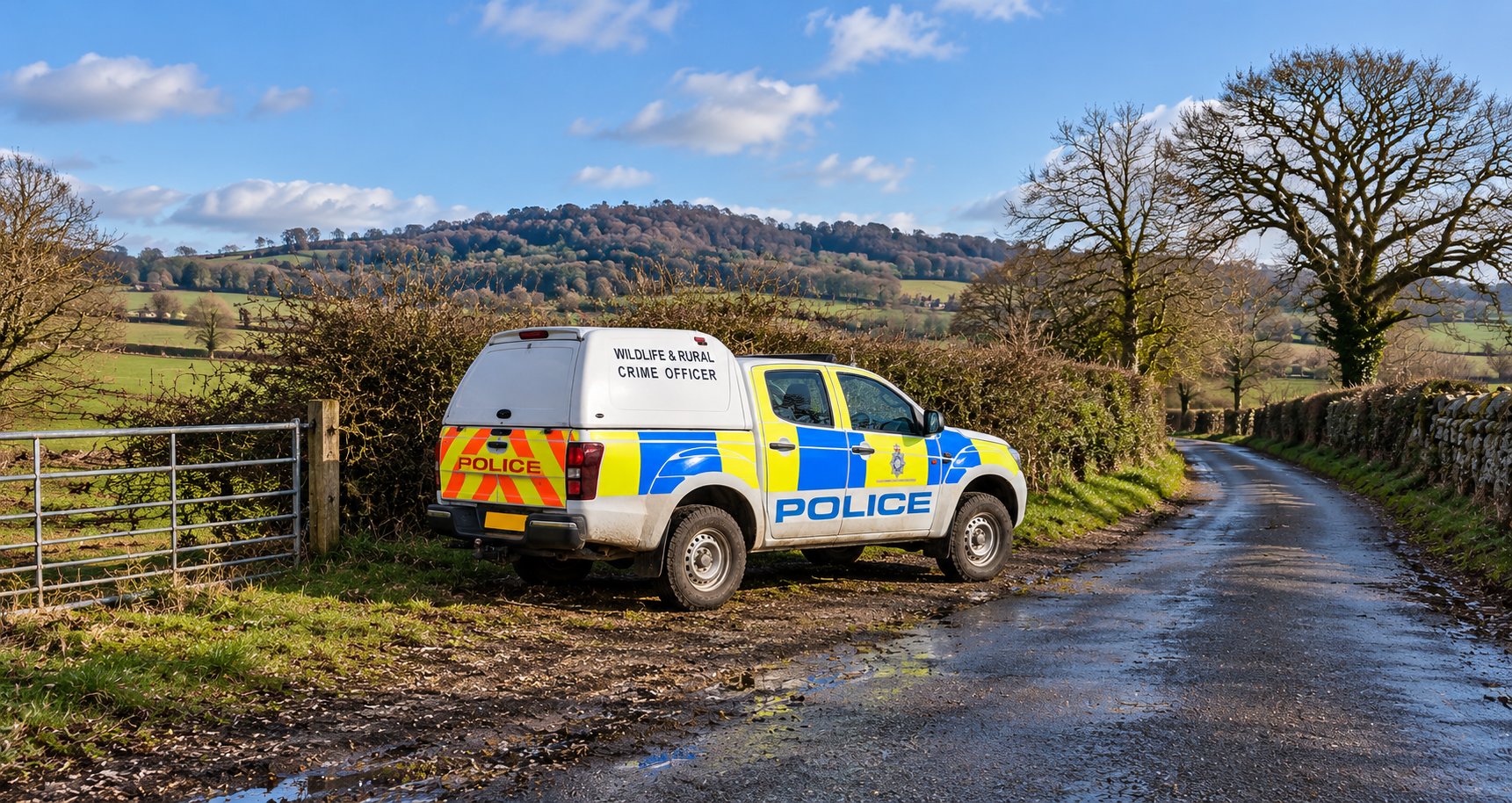

The tenth annual wildlife crime report from Wildlife and Countryside Link counts 2,149 reports of suspected wildlife crime in England in 2025, up from 2,019 the year before, against 41 convictions. The coalition, whose members include the RSPB and the RSPCA, says a conviction rate below 2% shows the law is failing.
What does the report count?
The figures are the coalition’s own tallies, compiled from its member organisations’ casework rather than from official statistics, because most wildlife offences are not notifiable and so generate no central record. That gap is itself the report’s central complaint.
Within the total, the report logs 625 suspected badger incidents with 15 convictions, and a rise in reports of illegal trapping from 188 in 2024 to 415 in 2025, the highest figure it has recorded since at least 2020.
A grouse moor conviction in its pages
The report highlights what it describes as the first conviction in England connected with hen harrier persecution: a gamekeeper who pleaded guilty in January 2026 to two offences at a hen harrier roost on a Yorkshire grouse moor in October 2024, on covert RSPB footage, and received a financial penalty of £1,520.
Richard Benwell, chief executive of Wildlife and Countryside Link, said: “This report exposes a horrifying catalogue of cruelty… When people can persecute wildlife with so little prospect of punishment, the law is failing the animals it is supposed to protect.”
Mark Thomas, the RSPB’s head of investigations, said: “Existing legislation is failing to protect our magnificent birds of prey. Without stronger deterrents, wildlife crime will continue, with eagles poisoned, Hen Harriers shot and Buzzards killed in traps.”
What does the coalition want?
The report’s asks include making 11 categories of wildlife crime notifiable so that police record them centrally, tougher sentencing, delivery of the ban on snares promised for England, and a tightening of the Hunting Act 2004.
Shooting and land management organisations had not responded publicly to the report when this story was filed. The claims it makes about driven grouse ground in particular will need a considered reply from the sector’s bodies.
What happens next
Wildlife and Countryside Link has sent its recommendations to Defra and the Home Office. The Government has yet to bring forward the promised ban on snares in England, having ruled out a ban on their sale in August, and no timetable for wider wildlife crime reform has been published. The full report can be read on the coalition’s website.
Frequently asked questions
Who are Wildlife and Countryside Link?
An umbrella coalition of environment and animal welfare organisations in England, including the RSPB, the RSPCA, the Bat Conservation Trust and WWF, which coordinates joint policy positions.
Are the report’s figures official statistics?
No. They are collated from member organisations’ own casework. Because most wildlife offences are not notifiable, there is no equivalent official count, which is one of the report’s main arguments for reform.

 Closes 15 JanuaryWorth £129.90Win a pair of tickets to the British Shooting Show 2027Enter nowFree to enter
Related Articles
Picker-up at eight, first bird at 12: how a father passed shooting on
Writing in Fieldsports Journal, Jamie Culpan recalls being pressed into service as his father’s picker-up on the West Coast of Scotland after the family dog died, and the syndicate family day, four ...
By News Desk | 7 October 2026
Scotland’s new deer management laws take effect on 26 October
A national venison plan, a register of authorised persons and a competence requirement commence, with shotgun regulations to follow
By News Desk | 7 October 2026
Get the latest news delivered direct to your door
Subscribe to Shooting Times & Country
Discover the ultimate companion for fieldsports enthusiasts with Shooting Times & Country Magazine, the UK’s leading weekly publication that has been at the forefront of shooting culture since 1882. Subscribers gain access to expert tips, comprehensive gear reviews, seasonal advice and a vibrant community of like-minded shooters.
Save on shop price when you subscribe with weekly issues featuring in-depth articles on gundog training, exclusive member offers and access to the digital back issue library. A Shooting Times & Country subscription is more than a magazine, don’t just read about the countryside; immerse yourself in its most authoritative and engaging publication.


 New competitionWin a pair of tickets to the British Shooting Show 2027Worth £129.90Closes 15 JanuaryEnter now ›