★ Your magazine. Your say. Complete our reader survey with a chance to win Jack Pyke kit worth £500! ★

Stalking diary: three bucks on a humid evening in the Borders
The roe rut in the Scottish Borders is following the script at last, and Charlie Blance finds the heat and humidity have the bucks properly riled up. One misty, mizzly evening on the call accounts for three of them in a few hours
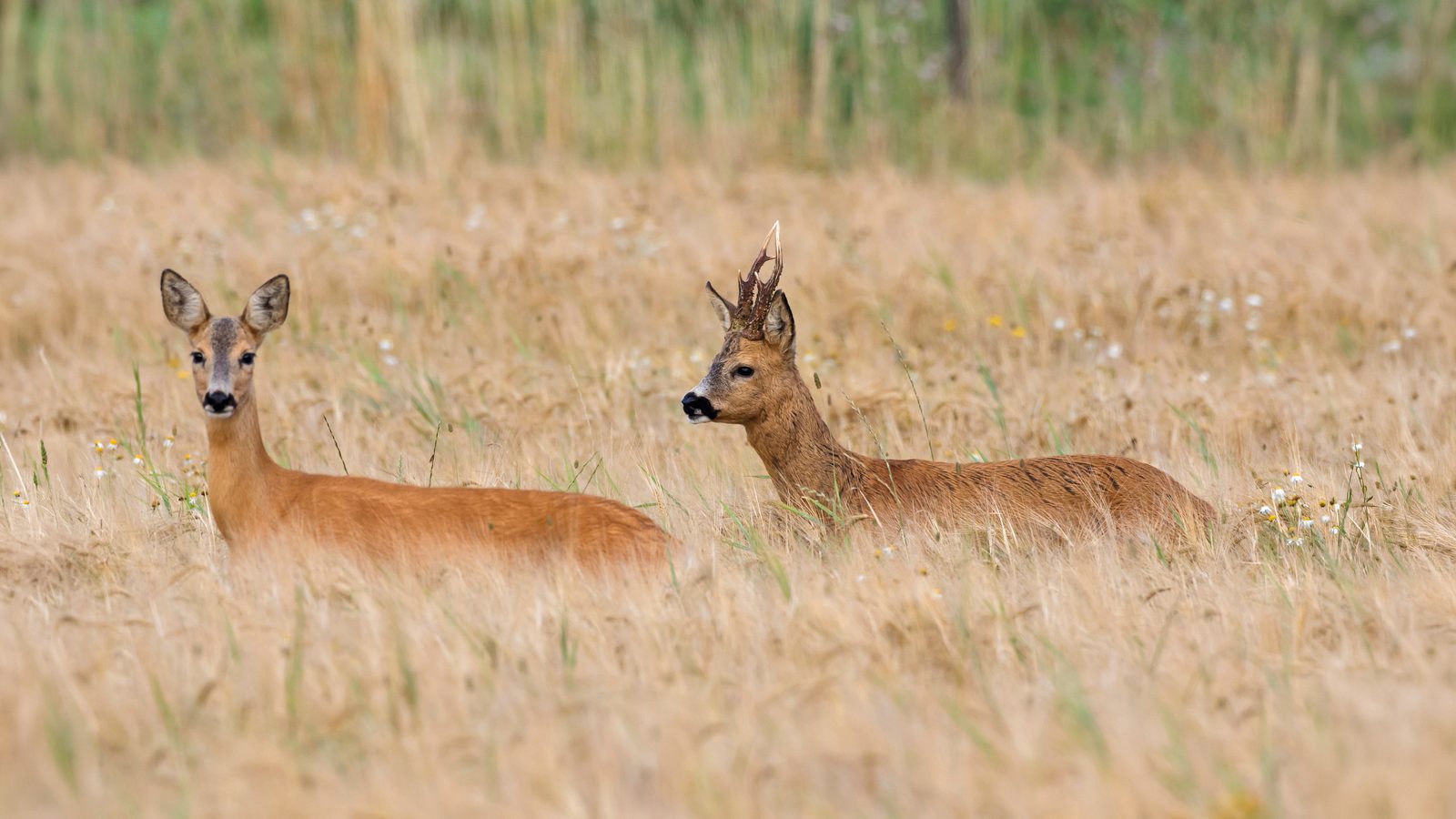

The roe rut here in the Scottish Borders is well and truly under way, and this year it appears to be following the script. In recent years it has felt like a bit of a non-starter, or at least disjointed. The weather plays a huge role, and last year’s wasn’t exactly accommodating; this year the heat and humidity haven’t half got them riled up. We seem to have had about two solid weeks of action, with bucks coming in on a string to the call, favouring the mouth-blown reed and diaphragm calls over the hand-operated Buttolo – as per usual.
Perfect rutting weather in the Borders
Yesterday evening really was a prime example of the behaviours you’d expect during the rut – almost every doe we saw had a buck behind her, either in hot pursuit or just orbiting her with his head on a swivel. Everywhere we went we saw unattended kids walking about in the open like misbehaving bairns with their new-found freedom. The evening was overcast, a white fog hung on the high ground and showers of fine, mizzly rain passed frequently on the breeze. But it certainly was humid. It started at 19°C and by the time darkness fell it was only 16°C. Truly fine rutting weather.
Instead of splitting up and stalking separate areas of the forest as usual, we tried a different tactic: driving around, stopping shy of likely places, then taking turns to sneak in on foot and call. The forecast for the rest of the week wasn’t good, so in the interest of numbers Rod and I set out to cover as much ground as possible in the decent weather – and it paid off.
Three bucks, and the tactics that brought them in
The first buck we pretty much called into the truck. We’d spotted two kids carrying on about 200 yards from the road, so we gave a squeak to see if anything would stick its head up. Their mother came in but bolted when she saw us. However, at the farthest point of sight another doe came charging over the horizon, pursued by a rather chunky six-pointer. Once he was in range, the .270 spoiled his fun.
The second buck didn’t need calling. He and his doe were quite at ease, milling around in a patch of rosebay – he only required patience until he presented a suitable shot. He was an old buck, antlers starting to go back, dry joints and barely any teeth left – a good one to take.
The third, another six-pointer, was in hot pursuit of his doe through thick young trees but the call stopped them dead in their tracks, perfectly broadside and perfectly clear in the open of a ride. Happy days.
The two that got away, and why the roe rut is worth it
We each danced with another buck that night. Mine had an old, clever doe with him, who turned for cover at the call and took the buck with her. Rod’s buck came in to the call but got the wrong side of the wind and bolted without presenting a shot.
Still, it had been a good night with a good dent in the month’s cull – and a lot of fun doing it. Though I prefer the sika rut as the ultimate event in my deer calendar, there is something special about the roe rut. It is fast paced and short lived, and in the cover-dense ground we work in it demands eyes wide open and quick decisions.
After the rut the bucks seemingly go to ground, making the month’s cull a task that is heavy on time, diesel and labour. So, as the old saying goes, best make hay while the sun shines.
Frequently asked questions
When is the roe rut in the UK?
The roe rut runs through high summer, typically from late July into August, and it is short. Charlie Blance describes roughly two solid weeks of action in the Borders this year, which is why he and Rod pushed to cover as much ground as they could while the weather held.
What weather suits calling roe bucks?
Warm and humid. The evening described here started at 19°C and had only dropped to 16°C by dark, with overcast skies, fog on the high ground and passing mizzle. Heat and humidity get the bucks moving; a cool, settled spell tends to flatten the rut.
Which roe calls work best?
On this ground the mouth-blown reed and diaphragm calls consistently out-perform the hand-operated Buttolo. That is a preference formed over several seasons in cover-dense Borders forestry rather than a universal rule, and other stalkers find the reverse.

About the author
Charlie Blance
A professional deer stalker, fishing gillie and conservationist working across Scotland, Charlie writes a stalking diary for Shooting Times. Her career has taken her from the Isle of Rum to a six-month contract at Dunan Estate on Rannoch Moor and on to Benmore Estate in Sutherland, where she has worked as a deer and river gillie. She is a winner of Lantra Scotland's ALBAS awards and an ambassador for her industry, keen to encourage others to follow her into gamekeeping and to use her online following to promote wildlife management. The conservation side of the job appeals strongly, from removing invasive plants and leaving deadwood for microfauna to predator control for ground-nesting birds. Charlie's ambition is to become a head stalker; she describes herself as a forager, fisherman and folklorist for the craic.

 Closes 15 JanuaryWorth £129.90Win a pair of tickets to the British Shooting Show 2027Enter nowFree to enter
Related Articles
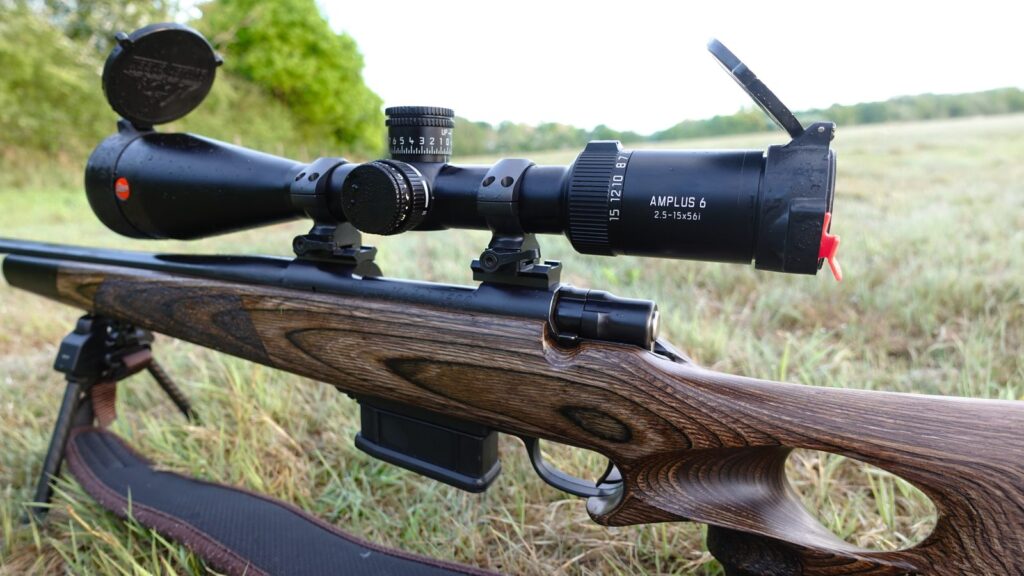
The Countryman: a lifelong love affair with guns, from a toy rifle to a Schultz & Larsen
From a homemade toy rifle with a garden-gate bolt to a Schultz & Larsen Victory, Keith Edmunds argues that a love of fine guns is nothing to be ashamed of
By Keith Edmunds | 7 October 2026

Stalking diary: two roebucks, a steep ravine and a forgotten roe sack
Al Gabriel takes a double on summer roebucks in North Yorkshire, and finds out the hard way what it means to leave the roe sack at home
By Al Gabriel | 6 October 2026
Get the latest news delivered direct to your door
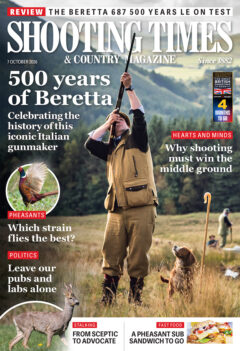
Subscribe to Shooting Times & Country
Discover the ultimate companion for fieldsports enthusiasts with Shooting Times & Country Magazine, the UK’s leading weekly publication that has been at the forefront of shooting culture since 1882. Subscribers gain access to expert tips, comprehensive gear reviews, seasonal advice and a vibrant community of like-minded shooters.
Save on shop price when you subscribe with weekly issues featuring in-depth articles on gundog training, exclusive member offers and access to the digital back issue library. A Shooting Times & Country subscription is more than a magazine, don’t just read about the countryside; immerse yourself in its most authoritative and engaging publication.


 New competitionWin a pair of tickets to the British Shooting Show 2027Worth £129.90Closes 15 JanuaryEnter now ›