
Stalking diary: two roebucks, a steep ravine and a forgotten roe sack
Al Gabriel takes a double on summer roebucks in North Yorkshire, and finds out the hard way what it means to leave the roe sack at home

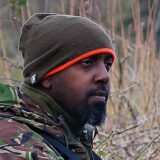
I was recently out on the hill pursuing summer roebucks. Evening outings provide the perfect opportunity to slip away for a few hours after a demanding day’s work. Naturally, evening outings require heightened vigilance regarding safety protocols and lone-working procedures.
My standard routine never varies: my partner retains real-time access to my GPS location, and neighbouring farmers are routinely advised of my presence on the ground. Parking in full view of the farm and checking out upon departure are essential habits for any responsible stalker.
This discipline is particularly critical when negotiating clear-fell forestry, where treacherous footings and deceptive topographies present severe hazards to the solo stalker.
A double on the hillside
I kept my focus on the hillside, where a couple of young roebucks normally reside. Right on cue, the first buck stepped into view on the right side of the hill. It traversed the near-vertical incline with the agility of a mountain goat. A shot presented itself, yet I hesitated, calculating where the carcass would tumble upon impact.
Extraction considerations must always dictate whether a trigger is pulled, particularly in unforgiving country. As the animal reached the final clear opening before dense cover, I squeezed the trigger. The buck dropped instantly, plunging several feet down into the burn below. I had hoped to avoid such an awkward recovery, but the reality of the situation immediately set in.
While I was contemplating the retrieval ahead, a second buck unexpectedly stepped out onto the opposite side of the same hill, likely drawn by the rifle shot. I knew the animal; without hesitation, and with a few minutes of legal light still in hand, I sent another copper bullet downrange at 3,000fps. The beast folded instantly, rolling down the sharp drop.
As twilight faded rapidly into night, the reality of my predicament dawned on me. In my haste earlier that evening, I had forgotten my heavy-duty roe sack, carrying only a basic drag rope system in my kitbag. I had certainly not anticipated dragging a single beast out of such severe terrain, let alone a double recovery in total darkness.
The dreaded descent downhill began, picking a path through thick regeneration, rotten stumps and brambles. The treacherous path meant that a single misstep could result in a broken ankle or worse. Upon reaching the bottom, I found the carcasses lying much further down the burn than I had anticipated. Deploying a high-powered headtorch, I located the first roe easily, but finding the second proved a nightmare in the dense vegetation. This ground is notoriously tick-infested, making prolonged lingering unwelcome.
After 20 minutes of intensive searching, I finally located the second carcass and commenced the gralloch.
Dragging deadweight out of the ravine
The physical extraction proved to be a punishing trial. Dragging approximately 40kg of deadweight uphill, while balancing a rifle across shoulder-high brambles, tested my endurance to the absolute limit. Halfway up, utterly exhausted and gasping for air, I seriously contemplated leaving one beast suspended in a tree for morning retrieval. Leaving the roe sack behind had turned a routine evening into an ordeal. Determination eventually prevailed, and I hauled both beasts to the timber haul road in pitch darkness.
Slumping into the driver’s seat, I had plenty of time during the drive home to reflect on my own magnificent foolishness. By the time I had placed the carcasses in the fridge, I had developed a throbbing headache. It is astonishing how easily red mist and ego can convince a stalker to ignore basic arithmetic – specifically, that two dead bucks in a steep ravine equal one thoroughly miserable night.
Marksmanship counts for very little if it is not tempered by common sense, and squeezing the trigger is always the easiest part of any stalk. While pursuing cull targets is vital, true fieldcraft lies in knowing when to hold back and respect the terrain. It was a humbling reminder that nature will swiftly punish hubris, and I thoroughly earned every single bruise.
Al Gabriel is a molecular biologist and keen deerstalker with a strong interest in promoting diversity and public understanding of fieldsports.
Frequently asked questions
What safety steps should a lone stalker take?
Al Gabriel’s routine is to give his partner real-time access to his GPS location, let neighbouring farmers know he is on the ground, park in full view of the farm and check out when he leaves.
Why should extraction decide whether to take a shot?
In steep or dense country a deer can fall where recovery is slow and dangerous, especially alone and after dark. Where the carcass will land, and how it will be brought out, should be weighed before the trigger is pulled.
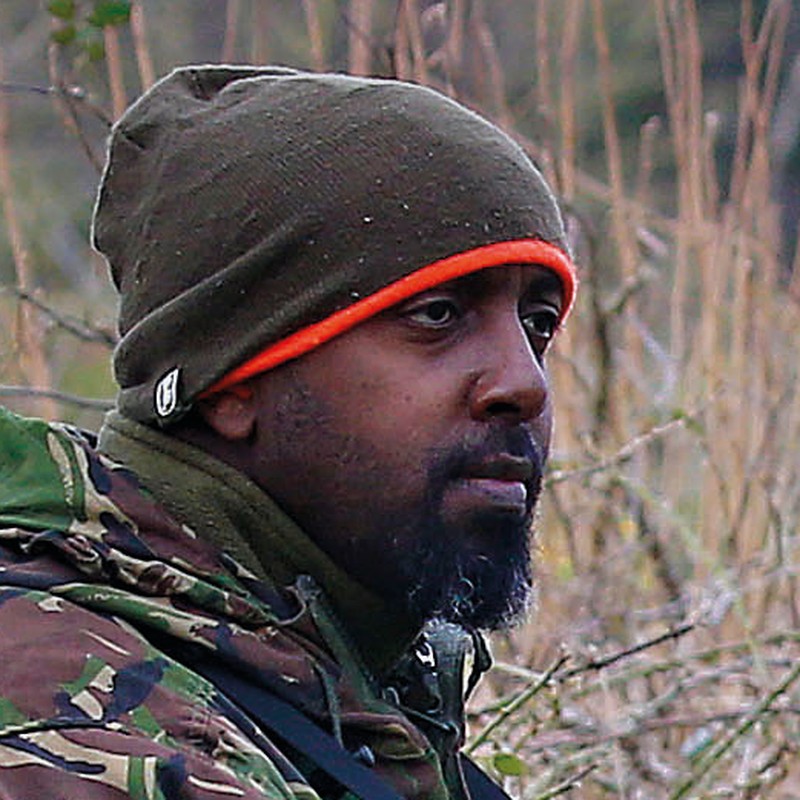
About the author
Al Gabriel
A Northumberland-based molecular biologist with a background in ecology and genetics, Dr Al Gabriel is a BASC Council member, keen deer stalker, and freelance shooting writer promoting diversity in country sports.
 Closes 15 JanuaryWorth £129.90Win a pair of tickets to the British Shooting Show 2027Enter nowFree to enter
Related Articles

Carcass to larder: field dressing, hygiene and the cold chain for selling deer into the food chain
Everything between the shot and the chiller decides whether a deer reaches the game dealer as a saleable product or a problem – a step-by-step guide to trained-person status, the elevated gralloch, tr...
By Shooting Times | 4 November 2026
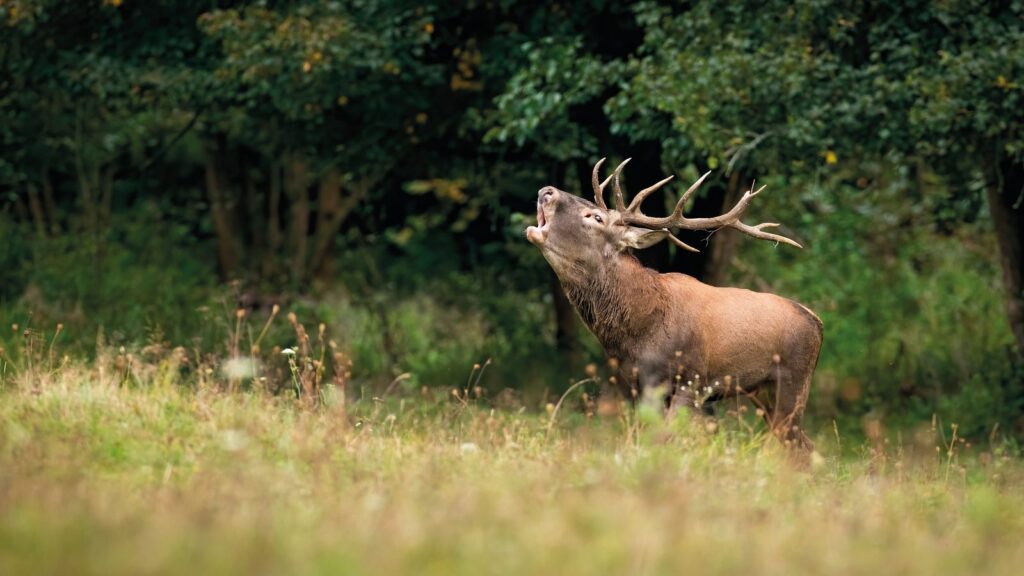
Stalking diary: a novice’s first stag at the height of the roar, and why the woodland rut seems so quiet
Chris Dalton takes a first-time stalker into a Galloway hill forest at the peak of the roar, and reflects on why red stags in woodland seem to say so much less than those on the open hill
By Chris Dalton | 4 November 2026
Get the latest news delivered direct to your door
Subscribe to Shooting Times & Country
Discover the ultimate companion for fieldsports enthusiasts with Shooting Times & Country Magazine, the UK’s leading weekly publication that has been at the forefront of shooting culture since 1882. Subscribers gain access to expert tips, comprehensive gear reviews, seasonal advice and a vibrant community of like-minded shooters.
Save on shop price when you subscribe with weekly issues featuring in-depth articles on gundog training, exclusive member offers and access to the digital back issue library. A Shooting Times & Country subscription is more than a magazine, don’t just read about the countryside; immerse yourself in its most authoritative and engaging publication.