
Taking the plunge: how a fieldsports sceptic became a deerstalker at 55
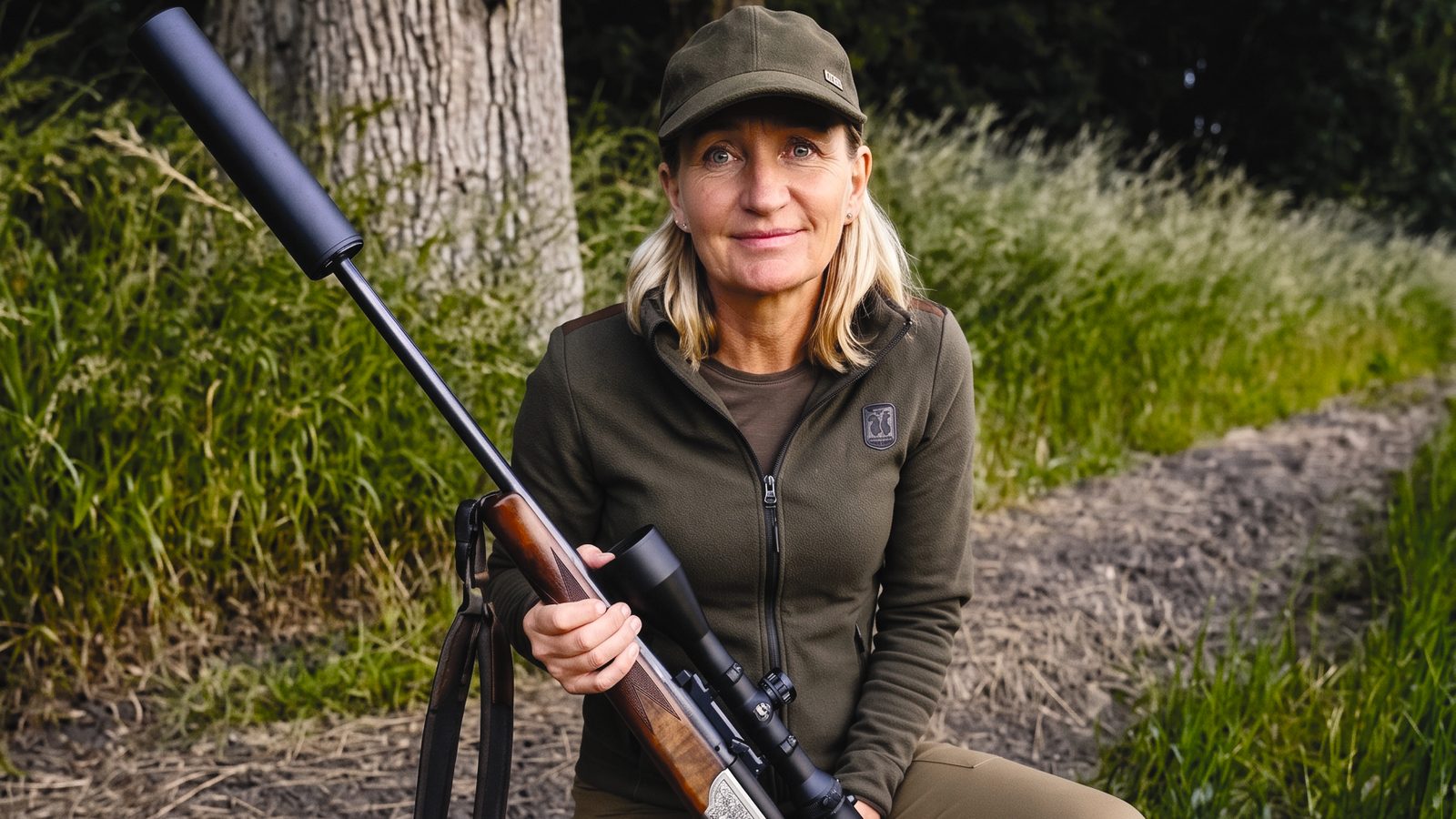
From sceptic to stalker: a patient mentor and plenty of training opened up a friendly, egalitarian world, says Shooting Times reader Carol

I live in a rural part of the south-west and I’d not had any experience of shooting until relatively recently. A few years ago, I started doing some clays with friends. It was fun, but I was busy with work and other hobbies. When I had a bit more time, I obtained my own shotgun certificate and bought a Beretta Silver Pigeon Vittoria 20-bore. I enjoyed a couple of local simulated game days and had lessons with Shaun Porter Shooting.
Ten years ago, I moved to a small village and found that I had acquired a rather imposing neighbour, F, who would pull up at the house opposite every day to walk the dog. He often had a rifle with him in his battered pick-up and from the perspective of a non-shooter at the time, this seemed just a little daunting.
The paradox of a man who loved deer but shot them
Seven years later, after getting to know F better and him becoming a friend, I decided to take the plunge with a deerstalking outing. We had had many conversations prior to this with him advocating the positives of hunting and me arguing against, with far less knowledge. I couldn’t reconcile the paradoxes in front of me: he loved deer but he shot them; he took woodcock but his charity Christmas cards supported their protection and that of their habitat.
I thought shooting anything was sport, not animal and land management. I also thought that the shooting community may be elitist and that being part of it meant you cared less about animals and nature, not more. As the conversations flowed and my knowledge increased, I became more curious about deerstalking, the environmental impact deer have and the fine balance between nature, agriculture and forestry.
In 2024, aged 55, I started my deerstalking journey, going out to local farms and woodlands with F and his Blaser R93 .308. I found that I enjoyed our excursions as much when we shot nothing as when we did. Over time, I gradually felt I had begun to reconnect with nature. Each time I went out I learned something new, plus there was always a quiz question from F: whether a fox was a dog or a vixen, what a plant was or which bird we could hear (my weak point, admittedly, but the Merlin app helps considerably).
There is something comforting about being outside in the quiet of early morning, or in the calm of the evening. Once insulated from the elements, I now savour the changing days, the weather, good and bad, and each season. I have tuned in to the petrichor and leaf senescence, and it’s great to see the hares chasing each other, even if there are no deer about.
Training for a first deer and the DSC1
I prepared well for my first deer, making sure that I had enough theoretical knowledge of how to deal with it, so I could handle it on a practical basis under instruction. The first time I watched the BASC gralloching video, I did feel a bit apprehensive at the idea, but was determined that if I shot something, then I would do everything.
I undertook a deerstalking introduction day at Barbury Shooting School and joined Artemis Deerstalking, a group supporting female hunters. I attended a firearms awareness training course at the Royal Agricultural University, a range day and a butchery course. I received a grant from the Forestry and Arboriculture Training Fund and completed my Deer Stalking Certificate Level 1 (DSC1) in January last year. I now go stalking on a regular basis.
Common respect in an egalitarian community
When I was researching training courses, one individual differentiated between me and others because I was a recreational stalker. I understand this to an extent, if someone is trying to get qualified to do a job, but we all have to start somewhere. I have not, however, experienced any sexism or bias in shooting or deerstalking and I would go so far as to say that I have been embraced into that world. There is a common respect and enthusiasm in those practitioners who want to nurture any new interest. Despite the perceived image of shooting, I would say that it is an egalitarian and friendly community.
On a recent trip to Germany, I met up with F’s brother, who introduced me to all his friends as a fellow hunter. There was a definite kudos associated with hunting which surpassed nationality, gender or age. The system there makes far more sense than the one here in the UK. It is compulsory to complete a lengthy and rigorous training programme in order to hunt. Once this has been achieved, it is up to you to decide which rifles you need, in which calibre, and where it is safe for you to shoot. Female hunters on the Continent are much more commonplace than here.
I like the fact that venison is sustainable, local, organic and healthy. While recognising the economic difficulties in farming, I don’t agree with practices where animal welfare can be compromised in the demand for cheap meat. I have friends who only eat wild venison and game because of this, as it has been ethically sourced where no distress has been caused to the animal through transportation or slaughter. Unless you are a farmer or someone who shoots, most people have a complete disassociation between animals and their food. Absolutely everything I shoot gets eaten.

The barriers to getting into deerstalking
I think the barriers to getting into shooting are the same for both men and women. How do you get land without a firearm certificate (FAC), or indeed a rifle? Although it isn’t a legal requirement, in practice you almost always need land to shoot over before you can even be considered for a certificate. Can you afford the time off work? Paid stalking is expensive and it is often extra if you shoot something. There are frequently associated travel and accommodation costs, too. There are administrative costs with the FAC fee, insurance and training courses.
Then there is equipment: some was lent to me and some I purchased both new and second-hand; however, it takes a considerable amount of money to obtain everything you need. I was lucky to be mentored by an experienced hunter. It not only made it possible but is, I think, best practice.
A welcoming syndicate and a rifle of my own
Last year I joined a game syndicate. They are a welcoming group who share the work throughout the year and the shooting in season. I applied for my FAC in late 2024, and I had my interview with the police, land inspection and grant last month. I would have lacked the necessary competence and knowledge for this without my tutorship and my DSC1. I have purchased a Sako S20 .308, which I chose because it is a good quality and accurate rifle, and one that is easy to adapt for the smaller shooter.
Now that I have my own rifle, opportunities and invitations are already opening up for me. I hope to obtain my own land and to complete my DSC2. I will happily encourage more people, especially women, into shooting and deerstalking and I am looking forward to expanding my knowledge, skills, experience and friendships, in all aspects of shooting.
Frequently asked questions
Do you need land before you can get a firearm certificate for deerstalking?
It is not a legal requirement, but in practice you almost always need land to shoot over before you can be considered for a certificate, which is one of the biggest barriers for newcomers.
What training helps a beginner start deerstalking?
Carol took a deerstalking introduction day, a firearms awareness course, a range day and a butchery course, then the Deer Stalking Certificate Level 1 (DSC1). Being mentored by an experienced stalker made the biggest difference.
 Closes 15 JanuaryWorth £129.90Win a pair of tickets to the British Shooting Show 2027Enter nowFree to enter
Related Articles

Carcass to larder: field dressing, hygiene and the cold chain for selling deer into the food chain
Everything between the shot and the chiller decides whether a deer reaches the game dealer as a saleable product or a problem – a step-by-step guide to trained-person status, the elevated gralloch, tr...
By Shooting Times | 4 November 2026
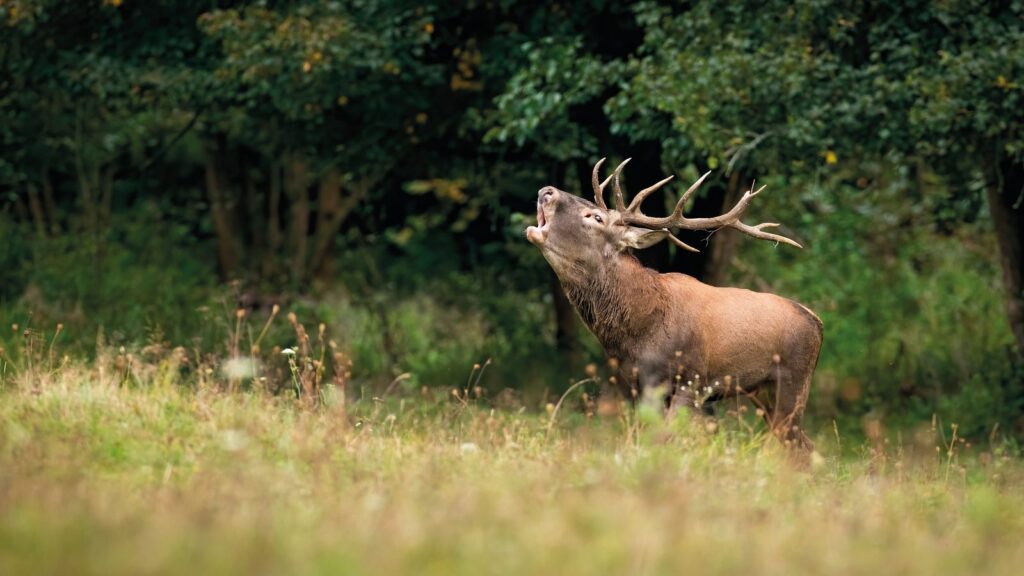
Stalking diary: a novice’s first stag at the height of the roar, and why the woodland rut seems so quiet
Chris Dalton takes a first-time stalker into a Galloway hill forest at the peak of the roar, and reflects on why red stags in woodland seem to say so much less than those on the open hill
By Chris Dalton | 4 November 2026
Get the latest news delivered direct to your door
Subscribe to Shooting Times & Country
Discover the ultimate companion for fieldsports enthusiasts with Shooting Times & Country Magazine, the UK’s leading weekly publication that has been at the forefront of shooting culture since 1882. Subscribers gain access to expert tips, comprehensive gear reviews, seasonal advice and a vibrant community of like-minded shooters.
Save on shop price when you subscribe with weekly issues featuring in-depth articles on gundog training, exclusive member offers and access to the digital back issue library. A Shooting Times & Country subscription is more than a magazine, don’t just read about the countryside; immerse yourself in its most authoritative and engaging publication.