★ Your magazine. Your say. Complete our reader survey with a chance to win Jack Pyke kit worth £500! ★
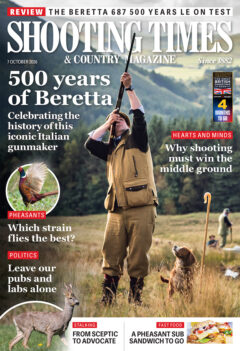

A good loader slows the Gun down and says less: 20 years at the peg, from Ashcombe to Alnwick
Richard Colbourne has loaded at Ashcombe and Alnwick Castle for more than two decades. Talking to Fieldsports Journal, he set out what separates a loader who enhances a day from one who spoils it, and for the shoot operators and keepers who hire and work with loaders there is plenty to take from it


The loader stands at the Gun’s shoulder from the first drive to the last, passing guns, keeping cartridges to hand and watching the line, and the better the job is done the less anyone notices it. Writing in Fieldsports Journal, Ben Palfreyman asked Richard Colbourne, who has loaded for more than 20 years at estates including Ashcombe in Wiltshire and Alnwick Castle in Northumberland, what the job really involves.
Colbourne’s own summary is modest. “We aren’t essential, we’re just there to enhance the day,” he told the magazine, an assessment Palfreyman notes many Guns would scoff at. For the shoot operator who supplies loaders on let days, and the keeper who works alongside them all season, what follows is a useful measure of what a good one does.
How does a loader set the tempo of a drive?
The first thing a good loader manages is not the gun but the pace. “I like to gently slow down the pace when needed,” Colbourne, quoted in Fieldsports Journal, said. “Most people are overenthusiastic; they want to shoot at everything. They just need calming down. Shoot at less, hit more – that’s a good rule to follow.”
Palfreyman’s point is that the loader is not a coach and does not try to be one. The value is a calming presence at the peg or in the butt, and he argues it can be the difference between a satisfying day and a frustrating one. A Gun who picks his birds is also a more selective Gun, which is where the keeper’s interest in the bag and the loader’s interest in the day meet.
The hot gun, the chamber brush and the Gun who strays off his peg
Much of the job is quiet problem-solving. Colbourne carries chamber brushes in his pocket because a hot gun stops ejecting cleanly, and a cartridge that will not come out slows everything at the moment the pressure is on.
Line discipline is the harder problem. “If somebody’s straying off their peg, that’s a bit of a challenge,” he said, and a loader who keeps a Gun where the shoot captain put him is doing part of the captain’s job for him. Palfreyman records that Colbourne has also loaded for Guns whose spaniels were attached to his belt, only to bolt at the first shot and drag him bodily up the field mid-drive, reloading as he went.
When should a loader offer advice?
Rarely, and only when it is wanted. “Some loaders get over-involved. Little is more, sometimes,” Colbourne said. His rule is to be present but never intrusive, with no running commentary on every shot.
“Once somebody feels like they’re being judged, it’s done. I’m not there to judge. I just want everybody to be safe, have a nice day and have fun,” he said.
When advice is wanted, it is direct and physical rather than technical. “Most people’s mistakes come from repeating the same thing and expecting a different outcome. You know you’re in the bunker, but how did you get there? You’ve got to physically change something,” he told the magazine. Move the feet, take a different line on the bird, break the pattern.
The bond at the peg is part of what a shoot sells
Palfreyman’s closing argument is that the relationship between Gun and loader is unlike any other on the day. The peg-mate sees the good shots and the bad ones, the frustration and the relief, and by the last drive the two have an understanding that the rest of the line does not share.
He gives one example. Loading at Ashcombe for John Henderson, the magazine’s guest editor, who had talked down his own shooting before the day, Colbourne watched him shoot testing birds well. “I’d have liked to have heckled more, but sadly he was better than I thought he was going to be,” he said; Henderson later told the writer how much he had enjoyed Colbourne’s company. Palfreyman’s conclusion is that a loader who cannot read a man as well as he can read a bird is only doing half the job.
What happens next
The full feature, with Tweed Media’s photographs of Colbourne at work, is on Fieldsports Journal now and is worth passing to anyone who loads on your ground this season. For the shoot operator, the checklist it suggests is short: a loader who slows the Gun rather than hurries him, carries a chamber brush, keeps the Gun on his peg and saves his advice for when it is asked for.
Frequently asked questions
What does a loader do on a driven shoot?
A loader stays with the Gun for the whole day, passing and reloading guns or managing a pair when double-gunning, keeping cartridges to hand and watching for safety. According to Richard Colbourne in Fieldsports Journal, a good loader also sets the tempo, gently slowing an overenthusiastic Gun, and solves practical problems such as a hot gun that has stopped ejecting.
Should a loader give the Gun shooting advice?
Only sparingly. Colbourne’s rule is to be present but never intrusive, and never to make a Gun feel judged. When advice is needed it is direct: if the misses keep coming, change something physical, such as the feet or the line taken on the bird.
Where has Richard Colbourne loaded?
Colbourne has loaded for more than 20 years, including at Ashcombe in Wiltshire and Alnwick Castle in Northumberland, and was interviewed by Ben Palfreyman for Fieldsports Journal in September 2026.

 Closes 15 JanuaryWorth £129.90Win a pair of tickets to the British Shooting Show 2027Enter nowFree to enter
Related Articles
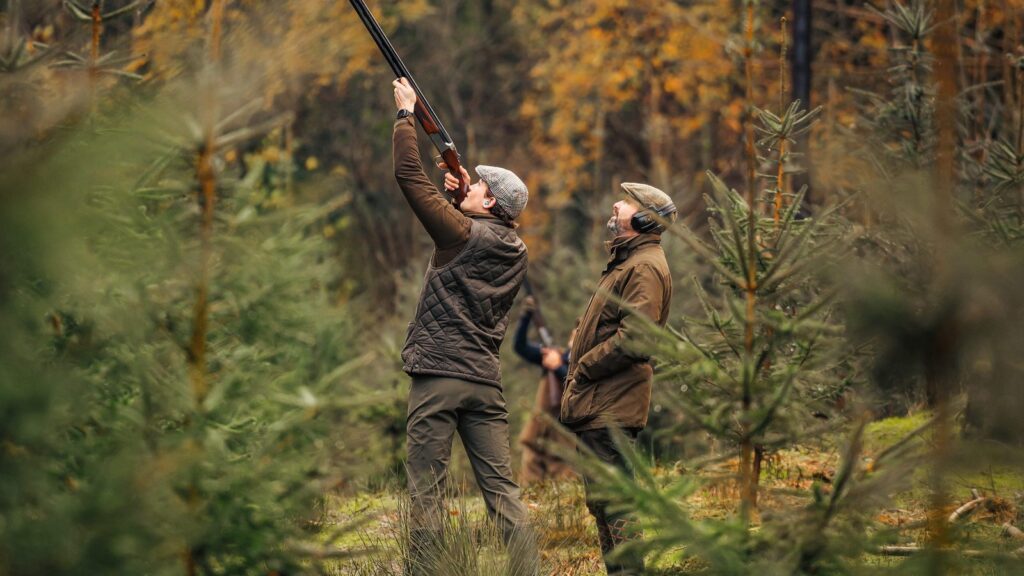
Old Long Mountain: how a big commercial Welsh shoot keeps its family feel
Writing in Fieldsports Journal, Ben Palfreyman follows guest editor John Henderson to his last day of the 2025/26 season on the Powis Castle Estate, where host Will Horner runs a Cambrian Sporting sho...
By News Desk | 6 October 2026
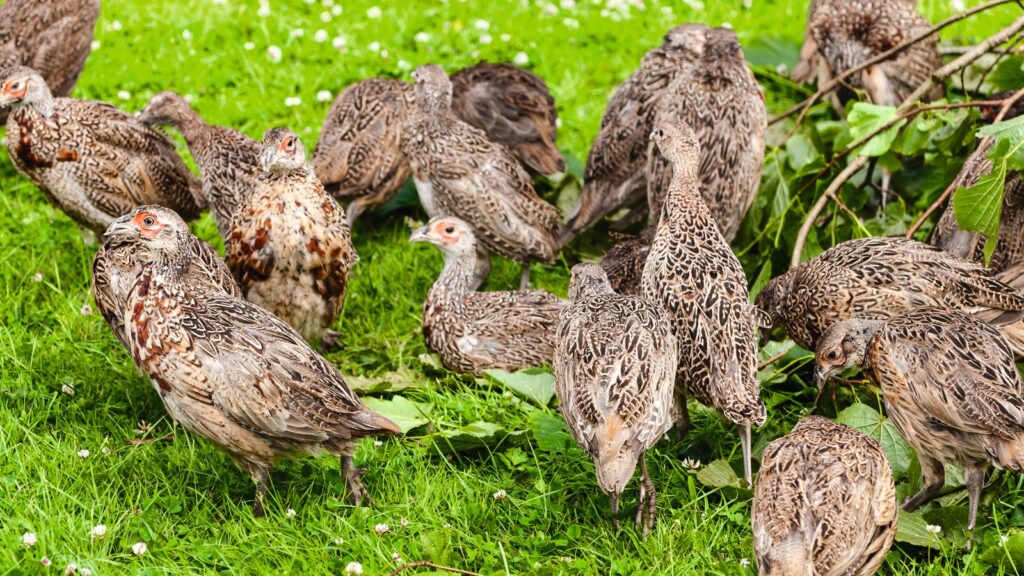
Defra cannot say how many gamebird chicks are imported or where they go
The APHA does not record the age of imported gamebirds and Defra will not publish where imports end up, a minister has told MPs, in the middle of Defra's call for evidence on gamebird rearing and rele...
By Shooting Times | 6 October 2026
Get the latest news delivered direct to your door
Subscribe to Shooting Times & Country
Discover the ultimate companion for fieldsports enthusiasts with Shooting Times & Country Magazine, the UK’s leading weekly publication that has been at the forefront of shooting culture since 1882. Subscribers gain access to expert tips, comprehensive gear reviews, seasonal advice and a vibrant community of like-minded shooters.
Save on shop price when you subscribe with weekly issues featuring in-depth articles on gundog training, exclusive member offers and access to the digital back issue library. A Shooting Times & Country subscription is more than a magazine, don’t just read about the countryside; immerse yourself in its most authoritative and engaging publication.


 New competitionWin a pair of tickets to the British Shooting Show 2027Worth £129.90Closes 15 JanuaryEnter now ›