
Old Long Mountain shoot: commercial scale in Wales with a family feel
Host Will Horner on how Old Long Mountain, the Cambrian Sporting shoot on the Powis Castle Estate in mid-Wales, runs a minimum of four drives, eats when it is dark, fines everyone for charity and keeps its wild birds, from goshawks to woodcock, thriving
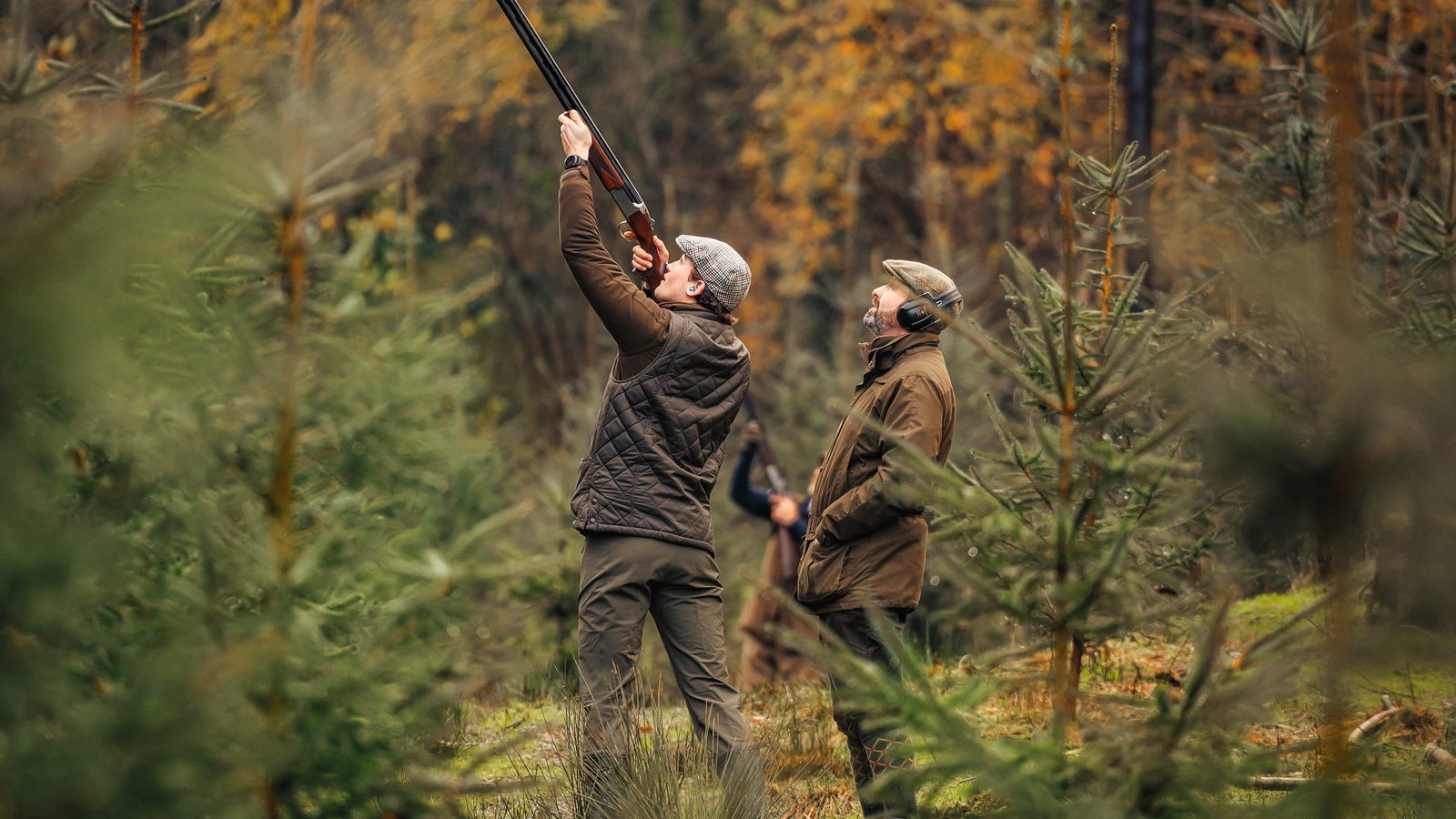

Photographs: Matt Kidd
Old Long Mountain sits in the hills of mid-Wales above the River Severn, in a landscape of sweeping valleys, old oak and ash woodland, and open hillside that holds skylarks, goshawks and pheasants. The man running the day is Will Horner, a host whose way of working rests on the warmth of his welcome and a genuine attachment to the ground his team manages. Spend a day here and you soon see why Old Long Mountain has the reputation it does.

Which drives have made Old Long Mountain’s name?
Ask anyone who has shot Old Long Mountain which drive they remember and the answer comes back before you have finished asking. Paradise. It is, Will admits with a smile, the one that gets all the attention – and he does not argue with that.
“Paradise gets all the plaudits, because it’s our most well-renowned drive – and rightly so,” he says. “It couldn’t be more British if it tried. It’s a long, sweeping grass valley, and you can see the whole Gun line, with birds coming over the top of a beautiful woodland of ash and beech out in front, clearing the valley with the Guns below, then flying out to the other side. Everyone can see everyone. It’s just a great drive, and I can see why people love it.
“But if you’re going to call a drive ‘Paradise’, it does need to be good, doesn’t it? There is actually a Paradise Cottage nearby, so if it ever goes wrong, I can claim we named it after that.”

What Paradise gives the Guns is something rare on a Welsh valley shoot: time. Time to see the birds, to read them and to make a proper decision. “While the birds are coming out of the wood, you do get a lot more time to see them coming than on some of our other drives,” Will explains. “It’s a long, sweeping view going down the valley back towards Welshpool, and offers quintessential pheasant shooting. When teams turn up on a shoot day, the first thing they ask is, are we shooting Paradise today? Obviously not everyone can shoot it every day, but that tells you everything.”
If Paradise is the drive that made Old Long Mountain’s name, Will’s own favourite is a good deal quieter. Beeches (named, he cheerfully admits, with no more imagination than the beech trees the birds come out of) is the drive he would pick above any other, and the one he most often uses to finish a day.
“It’s consistent, it’s a spectacle, and it’s really good from a management point of view; we can move birds up and down the line to give people as even a spread of shooting as we can,” he says. “It’s a lovely way to trickle birds out and keep everyone happy.”
It is where he stands, though, that gives the drive its real meaning for Will, and anyone who has run a day by radio will know the position. “I’ve got a little tree stump at the back where I sit. As a host, you position yourself a long way back so you can see the flushing point, the beaters, the drive, the whole Gun line: you’re very much the conductor of the orchestra, managing quietly by radio from behind. I’ve had many fond moments sat on that stump watching birds come over. It’s a special place.”

Then there is The Rhallt, which Will brings into the programme from November onwards, once the leaf is off. It is a drive that splits opinion. The Guns stand on a forestry track with birds curling along the tops of the trees, and even very accomplished Shots, Will notes with obvious satisfaction, can find themselves unexpectedly humbled.
“It can divide the crowd, I’ll be honest, as not everyone is comfortable shooting in amongst trees,” he says. “You’re not in a thick canopy, and you can pretty much see them take off and curl along the line, but you are shooting within trees, and some people just can’t forget that the trees are there. What I love about it is that it catches out even the most incredible shots. You’ll watch someone who is genuinely a brilliant Gun absolutely crumble under birds that are very hittable, but technically very difficult because of the trees.
“The modern British pheasant shoot is done so much in the open, so it’s quite nice to throw it in as a curveball. I think that variety is really important. It makes you appreciate the open drives all the more. Once the horn is blown, you come out of the trees and you feel like you can breathe again.”

How does a big commercial shoot keep a family feel?
Old Long Mountain, on the Powis Castle Estate, is by any measure a serious commercial operation, run by the well-known operator Cambrian Sporting. Will, though, takes pains to make sure it never feels like one.
“The shoot is commercial in the sense that it’s run well and efficient, but I don’t want it to have a commercial feel,” Will says. “Personally, I see us as a big family, and I want it to feel like a really relaxed, well-run family shoot. We always do a minimum of four drives, and if we need more, we’ll do more. We shoot when it’s light and we eat when it’s dark; that’s why we always serve the main meal at the end of the day. This way, there’s no stress. The birds get plenty of time to go to bed and settle, and the Guns get a full day out.”

Then there are the fines. Will runs a system of penalties for misdemeanours on the day that range from forgetting cartridges, turning the wrong way or leaving a gate open to gluttony and bragging. “I’m very partial to fining people, in a very, very light-hearted manner, of course,” he chuckles. “The rule is that I make the rules, and that is the most important thing for everyone to remember. Anyone deviating from that will be fined. I quite happily fine myself as well; in fact, my love of this traditional shooting practice has actually cost me a fortune over the years.” This season the proceeds went to Birmingham Children’s Hospital and Ronald McDonald House, both of which took such good care of Will’s wife and newborn son recently, and to the Game & Wildlife Conservation Trust.
There was also an optional levy on the Guns for Eat Wild, the organisation that promotes game as food to the wider public.

What does the keepering do for the wild birds on a Welsh hill?
It is on conservation that Will Horner speaks with the most intensity, and it is quickly clear that this is no box-ticking exercise. The way the land is managed runs through every part of how Old Long Mountain operates, and the results show across the estate.
Working alongside the other enterprises on the estate, most of the game cover is stewardship-compliant wild bird mix (sunflowers, triticale, quinoa, millets, sorghum), chosen as much for the wild bird population as for the pheasants. “Yes, it helps with stewardship and it helps the game,” Will says, “but come and see those covers during the winter and they are absolutely full of little wild birds. Through the hungry gap of the colder months, the wild birds flourish off that. It’s there for them as much as anything.”
Predator control, he is clear, pays its own conservation dividend. Curlews, plovers and other ground-nesters all benefit directly from the fox, corvid and grey squirrel control that comes as standard on keepered ground. Woodcock are present in good numbers from late November and are not shot at all; Will reports a slight increase year on year, which pleases him greatly.

The birds of prey at Old Long Mountain are, by any standard, remarkable. Three or four goshawks are regulars, alongside red kites, buzzards, sparrowhawks, little owls, tawny owls and merlin. Goldfinches, greenfinches, linnets, sparrows, dunnocks and skylarks complete the picture of ground that is thriving year after year.
Will is honest about the particular difficulty of making conservation visible on a Welsh hill, where the photogenic hedgerows and wildflower margins of a managed English lowland farm are simply not part of the landscape. “It’s harder to achieve that on an open Welsh hill,” he acknowledges, “but there is a huge amount of unseen work going on that does a lot of good. We are a big, commercial shooting enterprise and we know that, but everything is aimed in the right direction as best we can manage. We’re trying to do it right. We’re trying to fight the good fight, really.”
Frequently asked questions
Where is the Old Long Mountain shoot?
Old Long Mountain is in the hills of mid-Wales above the River Severn, on the Powis Castle Estate, with views down the valley towards Welshpool. It is run by Cambrian Sporting and hosted by Will Horner.
What is Paradise, the best-known drive at Old Long Mountain?
Paradise is a long, sweeping grass valley where the whole Gun line can see one another and the birds come over a wood of ash and beech out in front, which gives the Guns more time to see them coming than on the shoot’s other drives.
Does Old Long Mountain shoot its woodcock?
No. Woodcock arrive in good numbers from late November and are not shot at all, and Will Horner reports a slight increase in their numbers year on year.

About the author
Ben Palfreyman
Former managing editor of Fieldsports Journal, Ben ran the bi-monthly through a period of growth for the title, working across game shooting, fishing and big game features, and wrote for ShootingUK during his time with the group.
 Closes 15 JanuaryWorth £129.90Win a pair of tickets to the British Shooting Show 2027Enter nowFree to enter
Related Articles

Sporting Life: from gunpowder to keepers’ lore, the history of answering the call of nature in the field
Jeremy Hobson on why ‘spending a penny’ on the end peg has a richer history than most Guns realise, from saltpetre beds and keepers’ tricks to the Law of Urination
By Jeremy Hobson | 4 November 2026
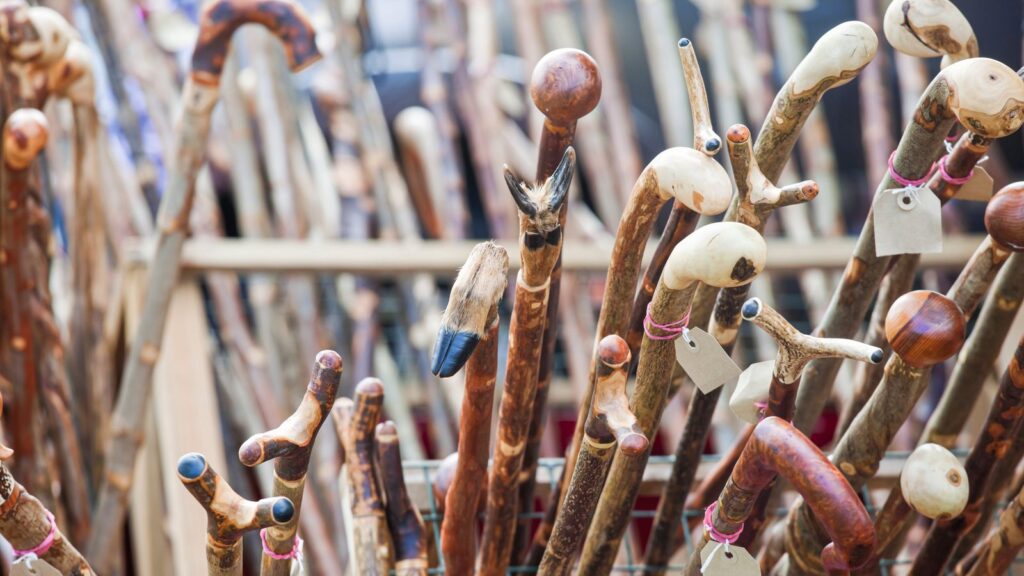
Country Diary: a car-boot haul of 1970s sporting books, a Saturday stick and the white pheasant
Giles Catchpole finds late shoot-day starts and fuel rationing in a car-boot haul of old sporting books, then buys a handsome staghorn-topped stick from a friend’s shed
By Giles Catchpole | 4 November 2026
Get the latest news delivered direct to your door
Subscribe to Shooting Times & Country
Discover the ultimate companion for fieldsports enthusiasts with Shooting Times & Country Magazine, the UK’s leading weekly publication that has been at the forefront of shooting culture since 1882. Subscribers gain access to expert tips, comprehensive gear reviews, seasonal advice and a vibrant community of like-minded shooters.
Save on shop price when you subscribe with weekly issues featuring in-depth articles on gundog training, exclusive member offers and access to the digital back issue library. A Shooting Times & Country subscription is more than a magazine, don’t just read about the countryside; immerse yourself in its most authoritative and engaging publication.