

Mark Winser’s game shooting tips: five rules for the driven season
The world champion and coach has spent 17 years improving other people’s shooting. Writing in Sporting Gun as its guest editor, he gives the Gun on the peg five rules for the game field and three for the clay ground, from matching the cartridge to the bird to what to do when a drive falls apart
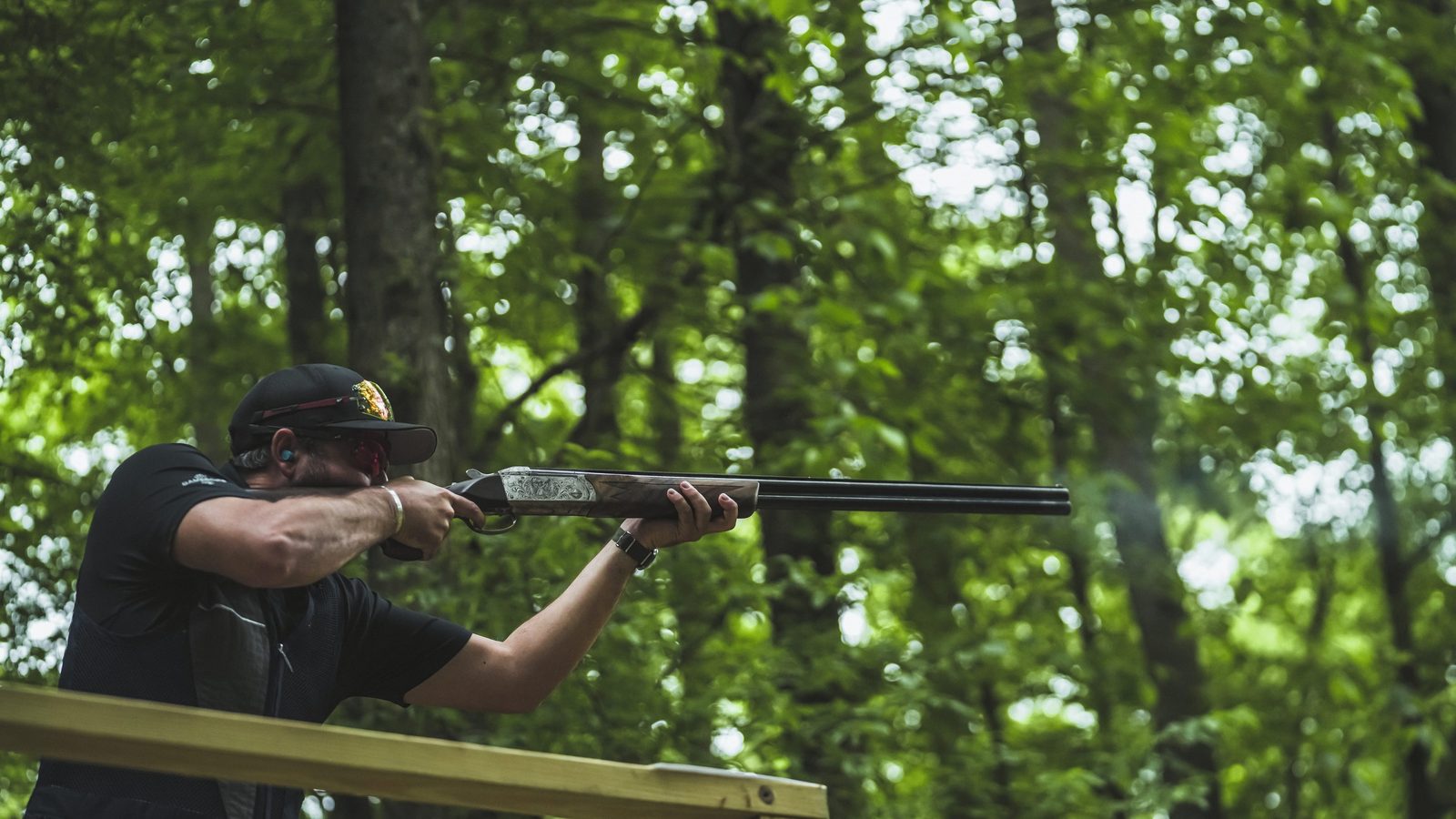

The Gun who keeps firing after the wheels come off on a drive is wasting the drive, says the world champion who has coached everyone from club Shots to internationals. Writing in Sporting Gun, where he is the magazine’s guest editor, Mark Winser set out five rules for the game field and three for the clay ground, and for the keeper, the shoot owner and the Gun on the peg the game-field five read as a season’s worth of good manners and good sense. “Everybody has moments when the wheels come off,” he wrote. “I’ve seen it happen to the best of the best, and anybody who says it never happens to them isn’t being honest.”
What does Winser say to do when a drive goes wrong?
Stop. “It’s very easy to panic during a drive and keep firing when your timing has gone and your confidence has taken a knock. Instead, stop for a moment,” Winser wrote in the piece, compiled by Sporting Gun’s managing editor Matt Kidd and published on Wednesday, 4 November. “Take five seconds, have a breath, recompose yourself and start again. Letting a few pheasants pass while you settle yourself is better than wasting the whole drive by continuing in a panic.” The same principle, he added, applies on clays: give yourself a moment rather than letting one problem keep building.
Why does he say footwork is not enough on the peg?
Winser, who has spent nearly three decades developing his own shooting and 17 years helping others improve, takes issue with the standard advice. “Everybody talks about footwork, but there’s more to shooting game than moving your feet,” he wrote. “You need to use your body as well, adjusting its angle to suit the shot rather than remaining stiff on the peg.” On crossing birds he will lean or roll his body to get the best view of the line, and the hips, shoulders and body position, he wrote, “have a part to play, rather than expecting your arms or feet to do everything”.
What does matching the cartridge to the bird mean in practice?
Here the champion’s advice touches the ethics of the day as much as the bag. “Know what quarry you’re shooting and what sort of day you’re attending,” Winser wrote in Sporting Gun. “Choosing the right ammunition is part of shooting ethically, yet I don’t think enough people investigate what they should be using.” The load for extreme January pheasants is not the load for grouse, and a shoot known for high birds may still have drives where something lighter is right, so he recommends carrying a selection. He also believes in finding cartridges that work well through a particular gun and sticking with them, because “cartridges don’t all perform identically through every gun”. Winser shoots Gamebore, and wrote that he used the firm’s game cartridges before it sponsored him and believes them to be the best available; whatever the choice, his point is to do the homework and use a pattern plate. “You want confidence in the combination, so when you miss, you know it was your shooting rather than a question mark over the equipment.”
Why should a Gun talk to the beaters and pickers-up?
For the keeper who runs the day, Winser’s fourth rule will be the most welcome. “I like to speak to as many people as I can during a day’s shooting,” he wrote. “It wouldn’t function properly if an integral part were missing, whether that’s the beaters, pickers-up, Gun bus driver or people serving lunch. Be sociable with those people as well as your fellow Guns.” They are all part of the day, he added, and it is important not to take them for granted. His second game-field rule says the same of the sport itself: “Every day in the field is something special, and it’s a privilege to shoot each bird.”
What are his three rules for the clay ground?
The clay advice is about patience, purpose and coaching. Shooting is harder than it looks, Winser wrote, comparing it to hitting a golf ball, and “when you’re learning, you’re going to miss. Getting frustrated with that won’t help, because missing is part of working towards being better.” Even at the top he misses targets he would normally hit while bedding in a change. His second rule is to know what you want from shooting, because it is “absolutely fine to shoot clays simply because you enjoy it”, but the Gun who wants to improve needs a target to work towards. The third is to find a coach “whose experience and achievements you respect, but also somebody you like and can communicate with”, and then give the relationship time. “You could spend five years stuck at 60 ex 100 because of something as simple as your gun not fitting, without realising that’s the problem,” he wrote, adding that he has clients in their 70s who still benefit from regular lessons.
What happens next
With the first big pheasant days of the season under way, the five game-field rules cost nothing to apply on the next peg: use the whole body, appreciate the day, match the cartridge to the bird, speak to the team that makes the drive happen, and stop and breathe when it goes wrong. Mark Winser’s full piece in Sporting Gun is linked below.
Frequently asked questions
What should a Gun do when a drive goes wrong?
Mark Winser’s advice is to stop for a moment: take five seconds, have a breath, recompose and start again. Letting a few pheasants pass while you settle is better than wasting the whole drive by firing on in a panic.
How should you choose cartridges for a game day?
Match the load to the quarry and the day: the cartridge for extreme January pheasants is not the one for grouse, and a high-bird shoot may still have lighter drives. Winser recommends carrying a selection, finding loads that work well through your own gun and checking the combination on a pattern plate.
When should you find a shooting coach?
When you start taking your shooting seriously and want to improve, Winser says. Choose someone whose experience you respect but whom you also like and can communicate with, and give the relationship time; he has clients in their 70s who still benefit from regular lessons.

About the author
Matt Kidd
Managing editor of Sporting Gun since 2025, Matt succeeded Paul Austin and runs the magazine alongside a monthly guest editor, a chair filled recently by Andy Crow, George Digweed, Nathan Hales, Vinnie Jones, Jonny Carter and Ben Randall.
 Closes 15 JanuaryWorth £129.90Win a pair of tickets to the British Shooting Show 2027Enter nowFree to enter
Related Articles
Weihrauch HW30S: the light air rifle that earns its keep in the barn, round the pens and as a first gun
A scaled-down break-barrel running well under the 12ft/lb limit has impressed Airgun World’s Pete Evans. For keepers, farmers and families with a youngster starting out, the lower power is the point,...
By Pete Evans | 12 November 2026

Hunters’ money brings the kob home: how Karamoja got its antelope back after 60 years
For the first time in some 60 years, Uganda kob are grazing the plains of Pian Upe, the wild country that made ‘Karamojo’ Bell’s name. A London gunmaker, a Texan hunting club, a tenacious outfitter an...
By News Desk | 12 November 2026
Get the latest news delivered direct to your door
Subscribe to Shooting Times & Country
Discover the ultimate companion for fieldsports enthusiasts with Shooting Times & Country Magazine, the UK’s leading weekly publication that has been at the forefront of shooting culture since 1882. Subscribers gain access to expert tips, comprehensive gear reviews, seasonal advice and a vibrant community of like-minded shooters.
Save on shop price when you subscribe with weekly issues featuring in-depth articles on gundog training, exclusive member offers and access to the digital back issue library. A Shooting Times & Country subscription is more than a magazine, don’t just read about the countryside; immerse yourself in its most authoritative and engaging publication.