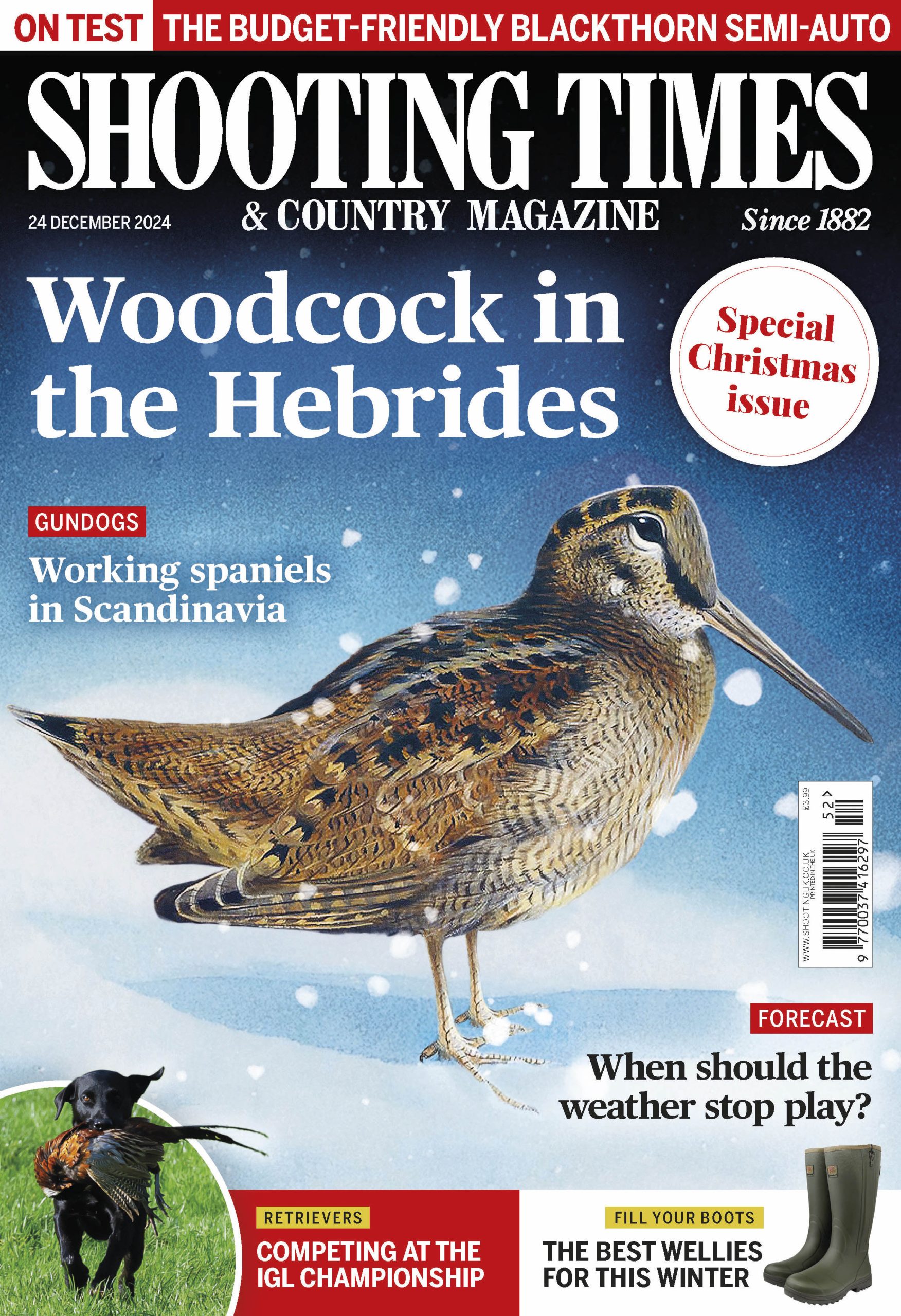
Win CENS ProFlex DX5 earplugs worth £1,149 – enter here

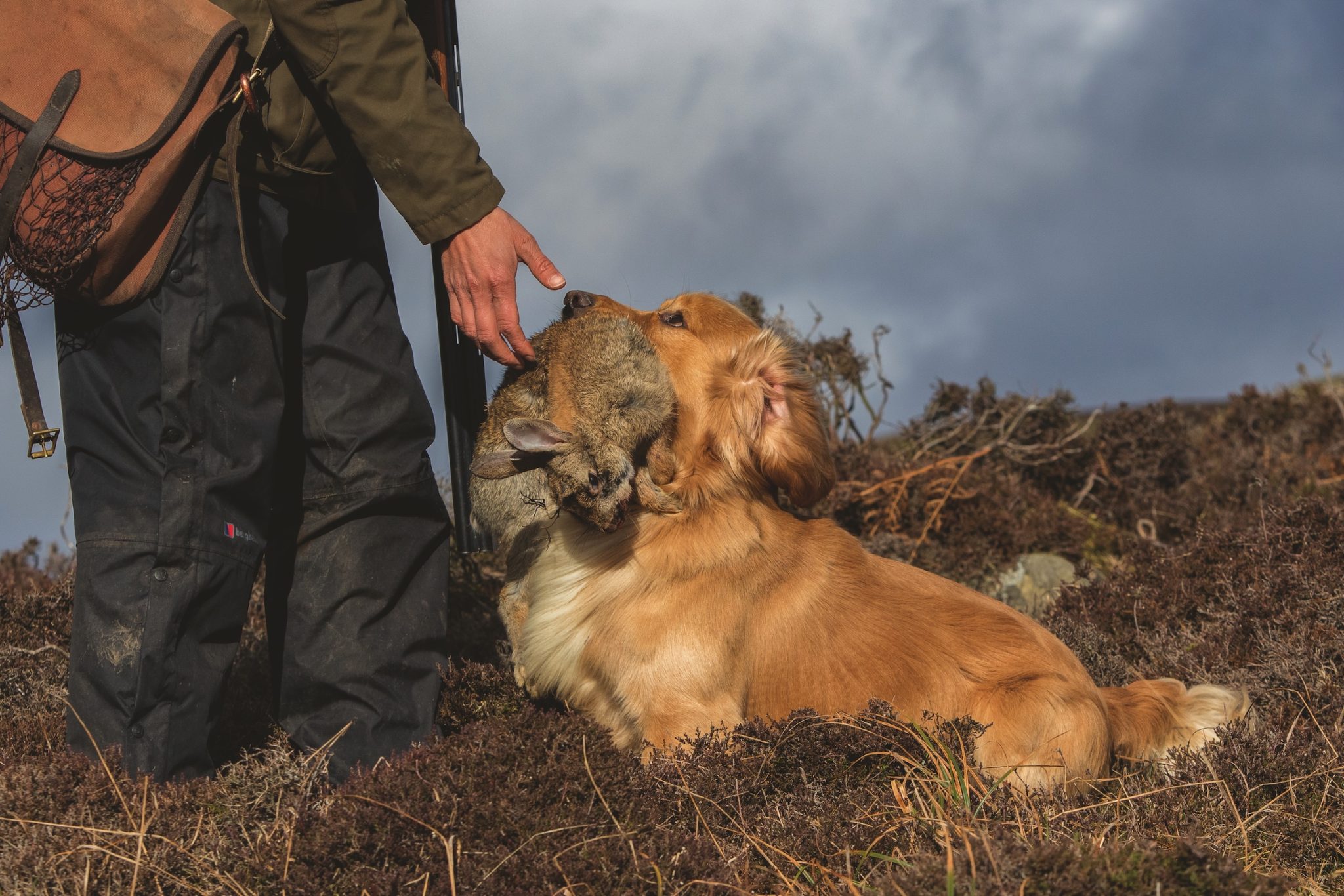

Welcome to the Shooting Times Junior Zone!
Explore the Shooting Times Junior, a monthly hub for young newcomers to fieldsports, with simple guides, gear tips, species facts and hands-on countryside activities.


Introduction
Welcome to our brand new Junior section, a monthly series created especially for those of you keen to get involved in fieldsports and the countryside. Whether you have been helping on a family shoot for years, or just want to find out how to get started, we have something for you. We want to celebrate the success of our young Guns and arm you with all of the information you will ever need in the field, from identifying native species to finding the right gear. We’ll have recipes, quizzes and plenty more – even the grown-ups might learn a thing or two.
Quarry in question
What is it
The Eurasian woodcock (Scolopax rusticola) is a chunky, medium-sized bird, around 33cm-35cm long. Its feathers are a beautiful mix of browns, oranges and blacks – perfect for blending into the leaf litter of the forest floor. One of its most striking features is its long, straight bill, which it uses to probe the ground for worms and insects.
Population
In total, about 55,000 woodcock breed in the UK each year, but when the winter migrants arrive, that number can soar to more than a million birds.
How to find
Woodcock love damp woodlands with plenty of undergrowth. They spend much of their time hidden among ferns and fallen leaves, only coming out at dawn or dusk. In the UK, they can be found in Scotland, Wales and parts of England, especially in remote forested areas.
What time of year
There are two types of woodcock you might find in the UK. Resident birds live here all year round but migratory woodcock arrive in winter from Scandinavia, Russia and Eastern Europe to escape the cold.
Breeding
Woodcock nesting season begins in March or April. The female lays three to four mottled eggs on the ground, hidden among leaves. Once the chicks hatch, they’re covered in fluffy down and can walk almost straight away.
If you’ve ever walked through a woodland at dusk, you might have been closer than you realised to one of the UK’s most mysterious birds – the woodcock. With its camouflaged feathers and secretive lifestyle, it is a master of disguise. Numbers in the UK are declining, mainly because of habitat loss. If you’re exploring forests, try to stick to paths and keep dogs close – you might protect a woodcock nest without knowing it.
Star of the month ⭐️
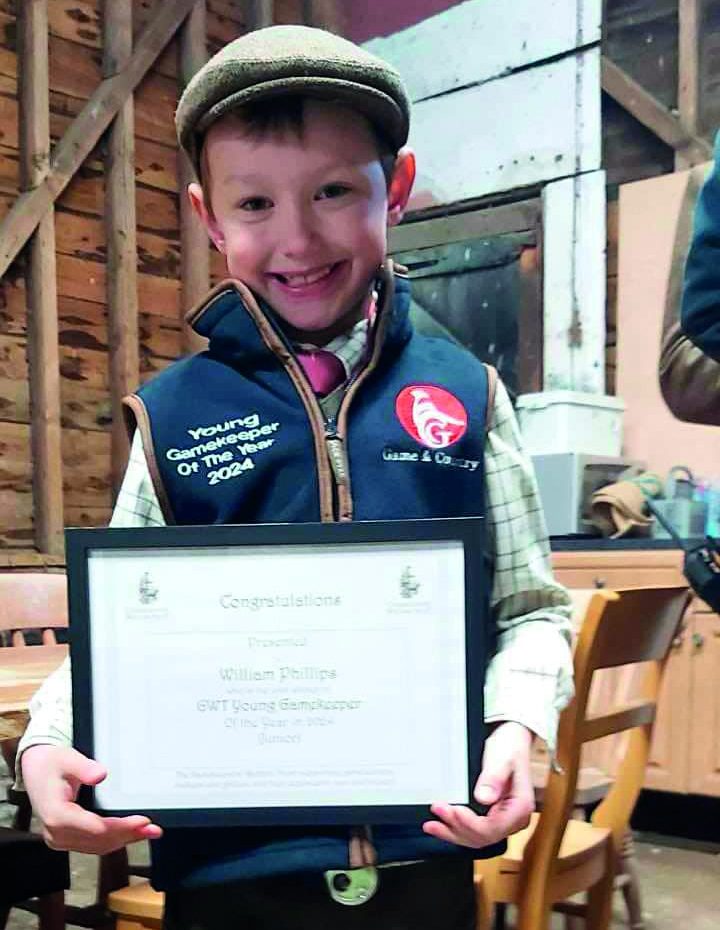
William Phillips
William Phillips received the 2024 Young Gamekeeper (Junior) of the Year Award and, at six, was the youngest winner. William is involved in all aspects of his family’s shoot and takes part in dogging-in, beating and picking-up. He is no stranger to pulling his dad, Tom, to one side to give him a run down of how a drive has gone. Mum Sarah says “there’s no guilt in asking William to come and help as half the time he is already waiting at the door”.
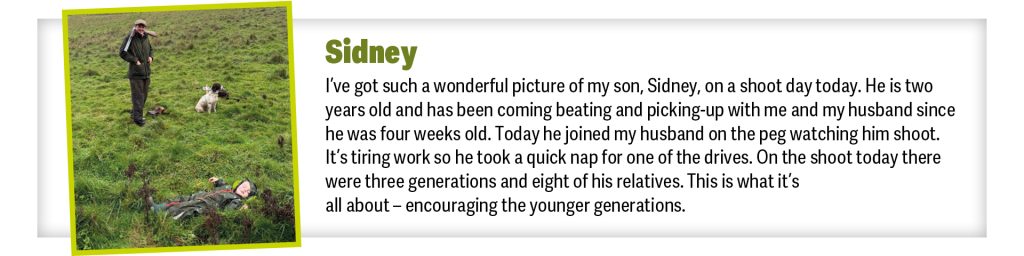
Nominate star of the month hereReaders in the field

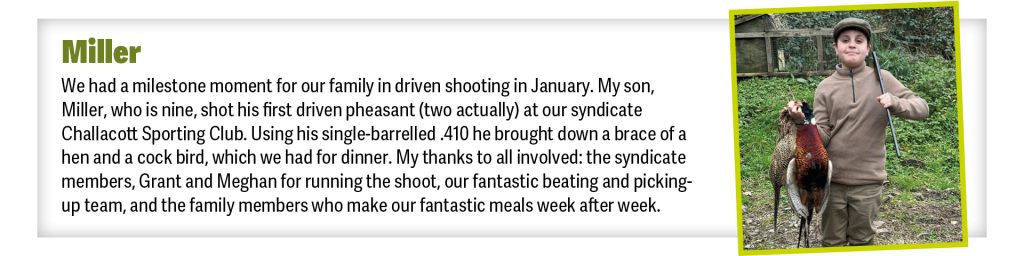

Make a bird feeder
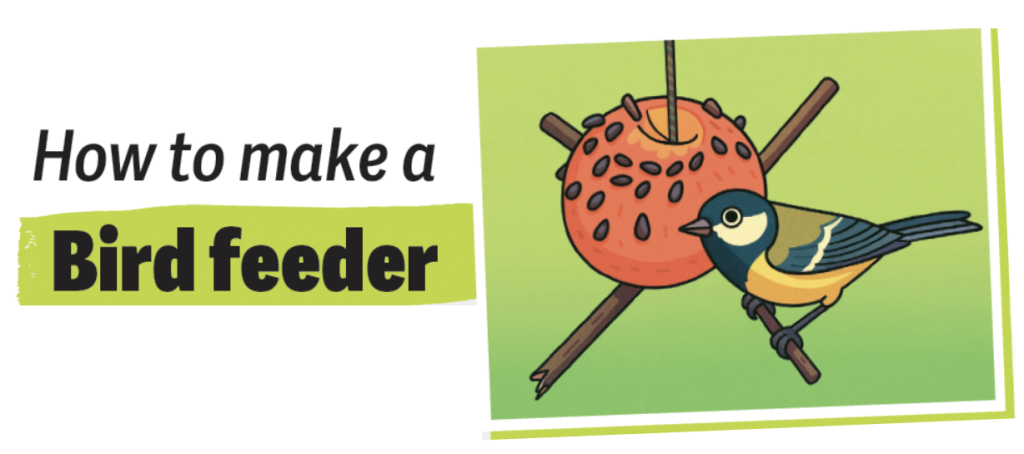
One simple way you can make a difference for wildlife at home is by helping garden birds, especially now the colder months are beginning to set in, and natural food starts to become scarce.
A fun and easy project is to make an apple bird feeder. It is a great way to use up leftover apples from the garden, or those which become bruised in the fruit bowl and you can take something which may have been thrown away and turn it into something the birds will love. It’s a really simple process, and all you will need is an apple, a sturdy twig, some twine or string and some sunflower seeds
Step by step
- First, take your apple and remove the core. Using the pointy end of the sunflower hearts, push the seeds into the apple and cover it all.
- Now, take your twine or string and thread it through the hole in the middle of your apple. Tie in the centre of your stick to make the ideal perch for birds whilst they eat.
- Hang it from a tree branch, fence, or bird table where birds can perch safely away from cats. This natural feeder provides a nutritious treat for robins, tits, and other small birds, and once the birds have eaten it all and you’re left with the string and stick, just repeat the process.

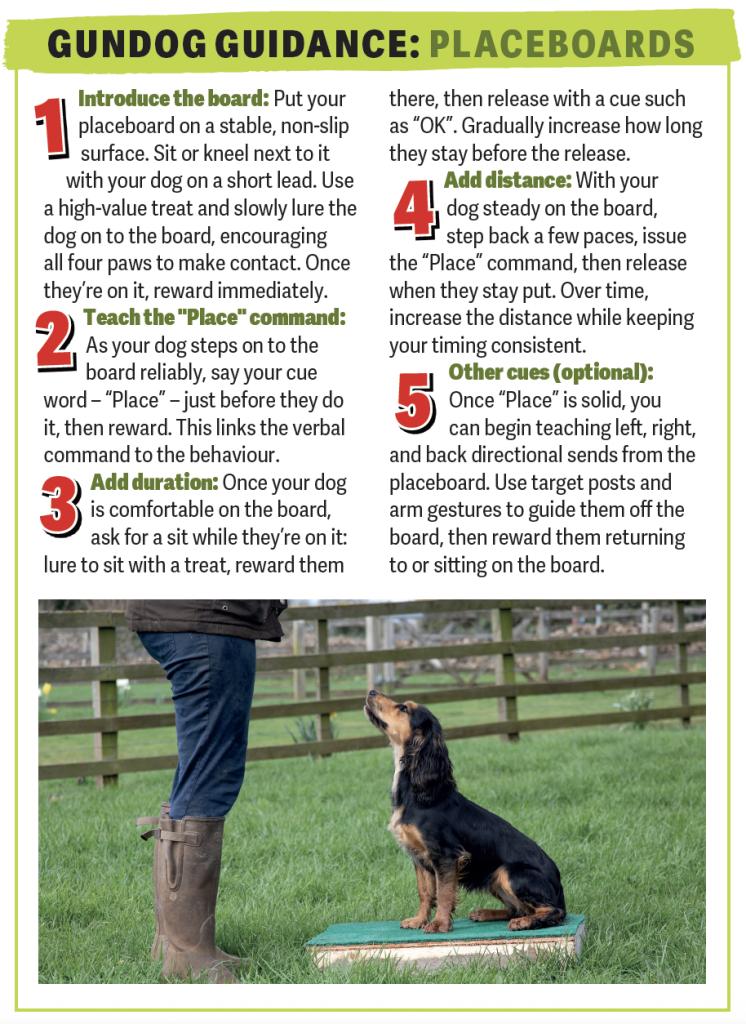
Gundog Guidance
Cookery Corner
Pheasant & Bacon Turnover
4 pheasant breasts
500g sausage meat
2 tablespoons apple sauce
100g ready made sage and onion stuffing
8 slices of smoked bacon
300g grated cheddar
1 puff pastry roll
1 egg

Step 1 – First, add a little water and two heaped teaspoons of applesauce to your pre-made stuffing. You can then leave this while you start on the pheasant.
Step 2 – Cut up the pheasant breast into cubes (roughly 4cm is best) and add it into a bowl with the sausage meat. Once the stuffing has cooled down, add that in as well. Take a wooden spoon and stir.
Step 3 – Roll out your puff pastry (or unroll the pre-made) – you should be able to get about 8 squares from it. Lay the bacon from one corner to another on each square and then get a good heaped spoon of the pheasant mix on top and a sprinkling of cheese.
Step 4 – Then take the opposite corners of the pastry and bring them to the middle, pushing in slightly. Cover in egg wash and cook in the oven at 170c for 20-25 minutes. Once they are done, they are ready to eat
Leon says: “These are banging for a shoot day and there are a couple of modifications for adults too. Try adding brie or mozzarella, hot honey or jalapeños, black pudding or chorizo. The children devoured these in minutes so I had to make more to get the pictures for you all”.

3 of the best
WELLINGTONS
Check out some of our favourite kit for the field this season
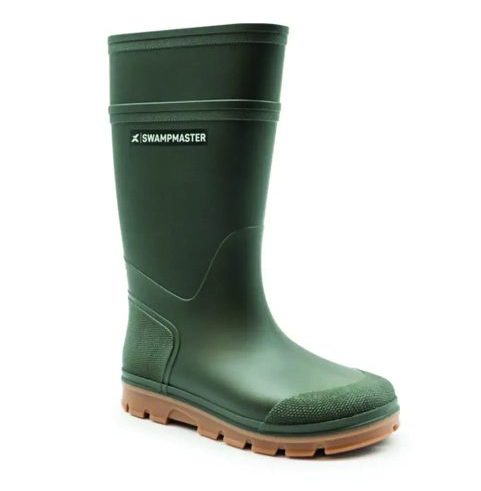
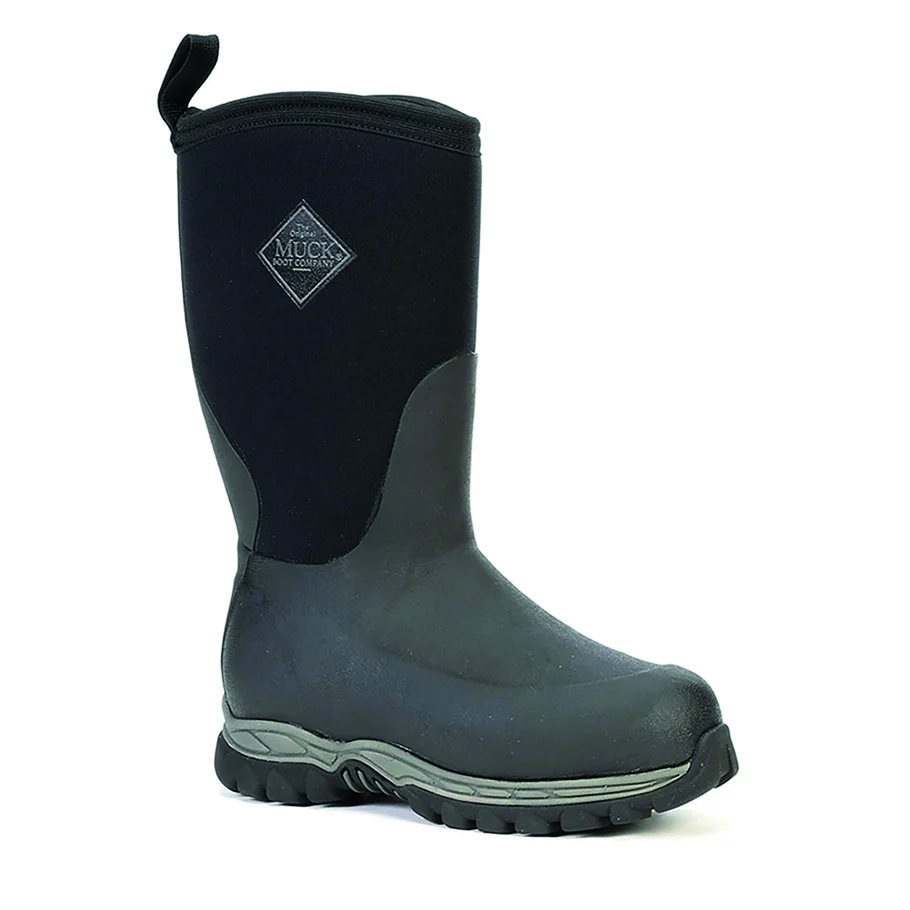
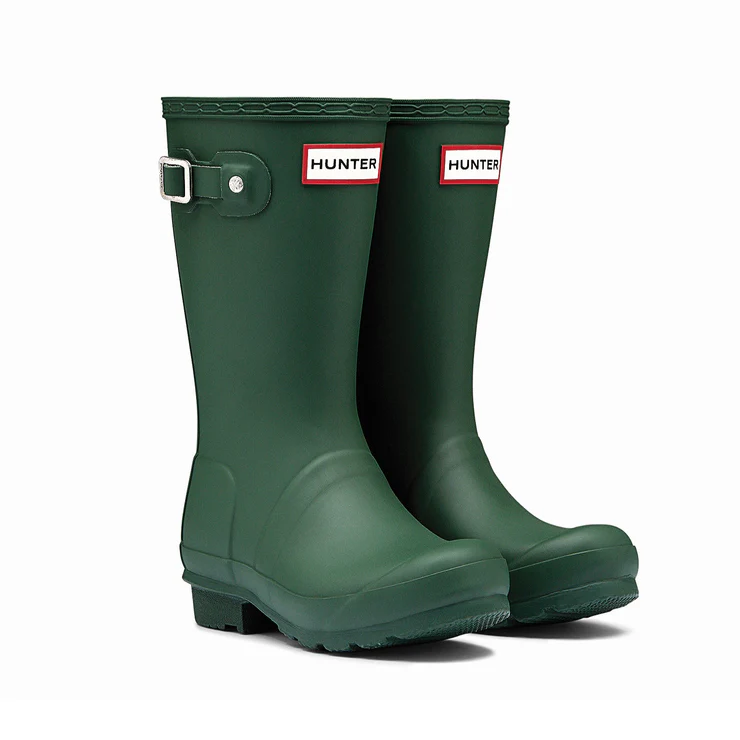
Comparison Table
Get involved
One of BASC’s key aims is to inspire young people to learn, understand and enjoy nature. Through our educational programmes, outdoor events and school workshops, BASC encourages young people to explore wildlife, learn about habitats and the species that live in them, and understand how and why our countryside is managed. Become a countryside detective and look for the signs that nature leaves behind. The next time you pass a muddy puddle, check around the outside for footprints or go one step further and make your own mammal tracking tunnel for your garden.

Related Articles

Uncategorized
Why Thermal Optics Are Now Essential for Modern Gamekeeping
Thermal optics have become essential tools for gamekeepers, deer managers and pest controllers. Discover how thermal imaging boosts efficiency, improves safety and supports ethical wildlife management...
By Shooting Times
Get the latest news delivered direct to your door
Subscribe to Shooting Times & Country
Discover the ultimate companion for field sports enthusiasts with Shooting Times & Country Magazine, the UK’s leading weekly publication that has been at the forefront of shooting culture since 1882. Subscribers gain access to expert tips, comprehensive gear reviews, seasonal advice and a vibrant community of like-minded shooters.
Save on shop price when you subscribe with weekly issues featuring in-depth articles on gundog training, exclusive member offers and access to the digital back issue library. A Shooting Times & Country subscription is more than a magazine, don’t just read about the countryside; immerse yourself in its most authoritative and engaging publication.