
Ivy, bats and boats: the sporting countryside of the mid-1950s
From ivy tods and a dusk-flying pipistrelle to two old boats and myxomatosis, H Manley surveys the sporting countryside in this piece from the Shooting Times archive, first published in October 1954

There lately appeared in the correspondence column of a London newspaper a letter warning us to beware of ivy. Some varieties – so said the lady writer – were extremely poisonous to touch and the unsuspected cause of distressing skin ailments. Moreover, she declared that the best thing to do with ivy was to root it up as a “harmful and foul-smelling weed”.
Needless to say, this lady had confused our harmless common ivy, Hedera helix, with the exotic importations of a quite different species called poison ivy. Rash horticulturalists of the past generation brought it in from the US and the Far East to embellish English gardens, because the autumn tints of these plants were striking in the extreme, rivalling those of Virginia creeper. Fortunately, these most undesirable immigrants have never spread themselves about our countryside.
Probably they cannot face the competition of established plant communities and perhaps their seeds cannot germinate here. But for this happy chance we might by now have poison ivy in English dells and meadows to the great hazard of workers, sportsmen and picnickers.
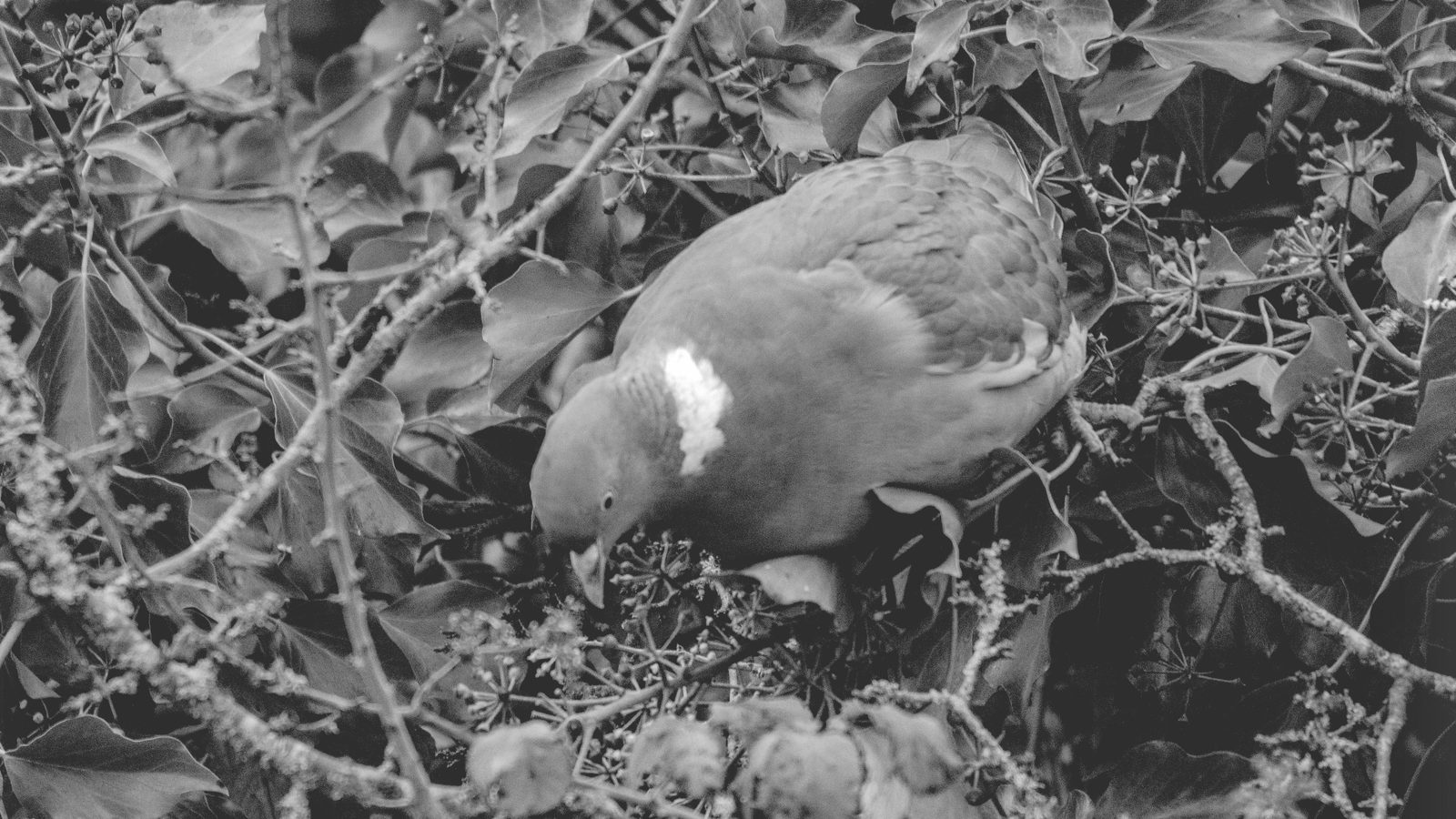
As for the lady writer’s recommendation that all ivy should be rooted out, few of us would be pleased to see our picturesque climber eradicated. It is part of the mellow country scene and pleasantly green in the sere winter season. The simplest sort of cutting back will bring it under control when it threatens to grow too solidly. And where might the rough shooter hope to find a few hungry-gap woodpigeons except on berried ivy tods?
The pipistrelle on her evening beat
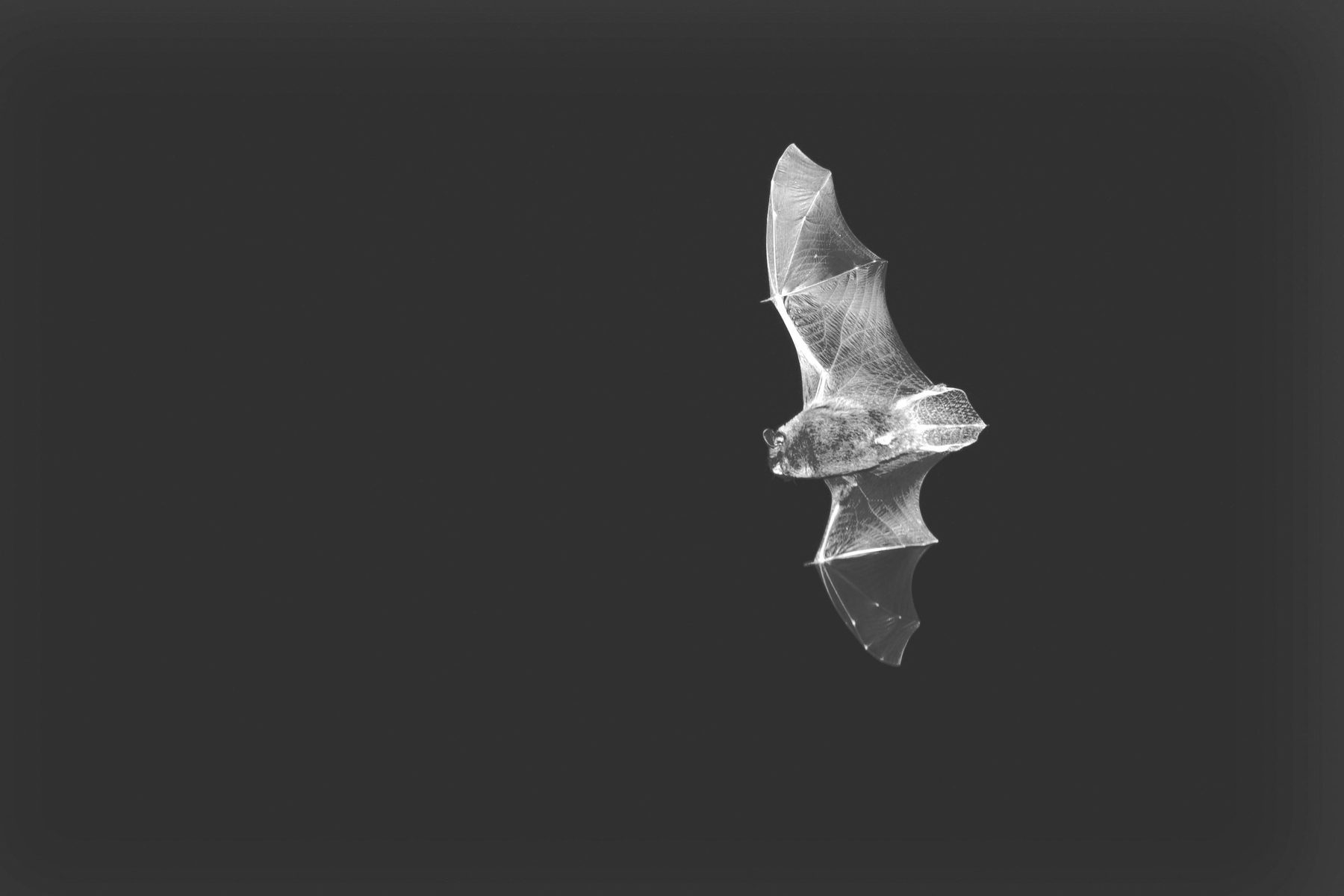
The smallest, most common British bat is the pipistrelle, an elegant creature with an eight-inch wingspan and a rapid, twisting flight that puts to shame the most zigzagging snipe. Everybody who takes an evening stroll, be they countryman or suburban dweller, knows this little bat, which comes out just before dusk to hawk moths and other insects.
We have one that patrols our cottage garden and paddock in all but the foulest weather, and we call her ‘mademoiselle’. Her timetable never varied the summer through. Somewhere between 9.45pm and 10.15pm she appeared, we knew not whence, and went up and down her beat at no great altitude. Now it is often too dark to see her in the twilight from the window.
But on moonlit nights, you can still pick her out against the sky if you step outside. And this patrolling goes on, so naturalists tell us, till an hour or so before dawn when she returns to her daytime roost, there to sleep, perhaps in company or maybe alone.
When the cockchafers were about, we often watched to see whether she would take them, for it is said that pipistrelles – though so small – sometimes eat large moths and beetles. But we never saw her harry the chafers. With the coming of chilly autumn nights, all the temperate-region bats must go into hibernation, because insects cease to fly and bats, when active, have enormous appetites. But the pipistrelle sleeps lightly for a bat and a winter warm spell may tempt mademoiselle out to stretch her wings.
Two old boats: the Seagull and MTB 609
Quite a number of sturdy small craft built to face rough weather on the high seas enjoy a tranquil old age on inland waters. One such ‘pensioner’, called the Seagull, I will always remember with affection. She was a ship’s lifeboat bought for a few pounds and, despite her generous beam and stout build, was easy to put along at a strictly modest speed with a pair of light sculls. She had also a stumpy mast and a leg of mutton sail.
We small boys were allowed to take her out in all weather, short of a full gale, for only a hurricane could have capsized the Seagull. It is 50 years since first I climbed aboard that beloved craft. The last I heard, she was still afloat and bringing endless pleasure to a crew of Sea Scouts.
In marked contrast to the peaceful retirement of Seagull was the spectacular end a month ago of a motor torpedo boat. The veteran of a score of encounters with German E-boats in World War II, she was acquired by a Sea Cadet corps. They towed her with great effort to the head of tidal waters on the way to their quarters further upriver. There she stuck and mouldered for years.
Eventually breakers bought her and stripped her of her fittings, then burned her in situ with the aid of barrels of waste oil. The flames leapt high, the black smoke billowed and so ended MTB 609 – a right royal Viking funeral for a fighting ship.
Pembrokeshire after myxomatosis
While discussing with a Pembrokeshire farmer the well-worn topic of myxomatosis, I learned that rabbits in those parts are now few and far between, where only last year they were to be seen at high noon in vast devastating hordes. The local trapping fraternity, who aren’t welcome on every farm, has long been desultory in its efforts.
The farmers themselves, so I gathered, are well pleased with things as they are. Though just how long the rabbit population will remain at its present low level, neither they nor anybody else can tell.
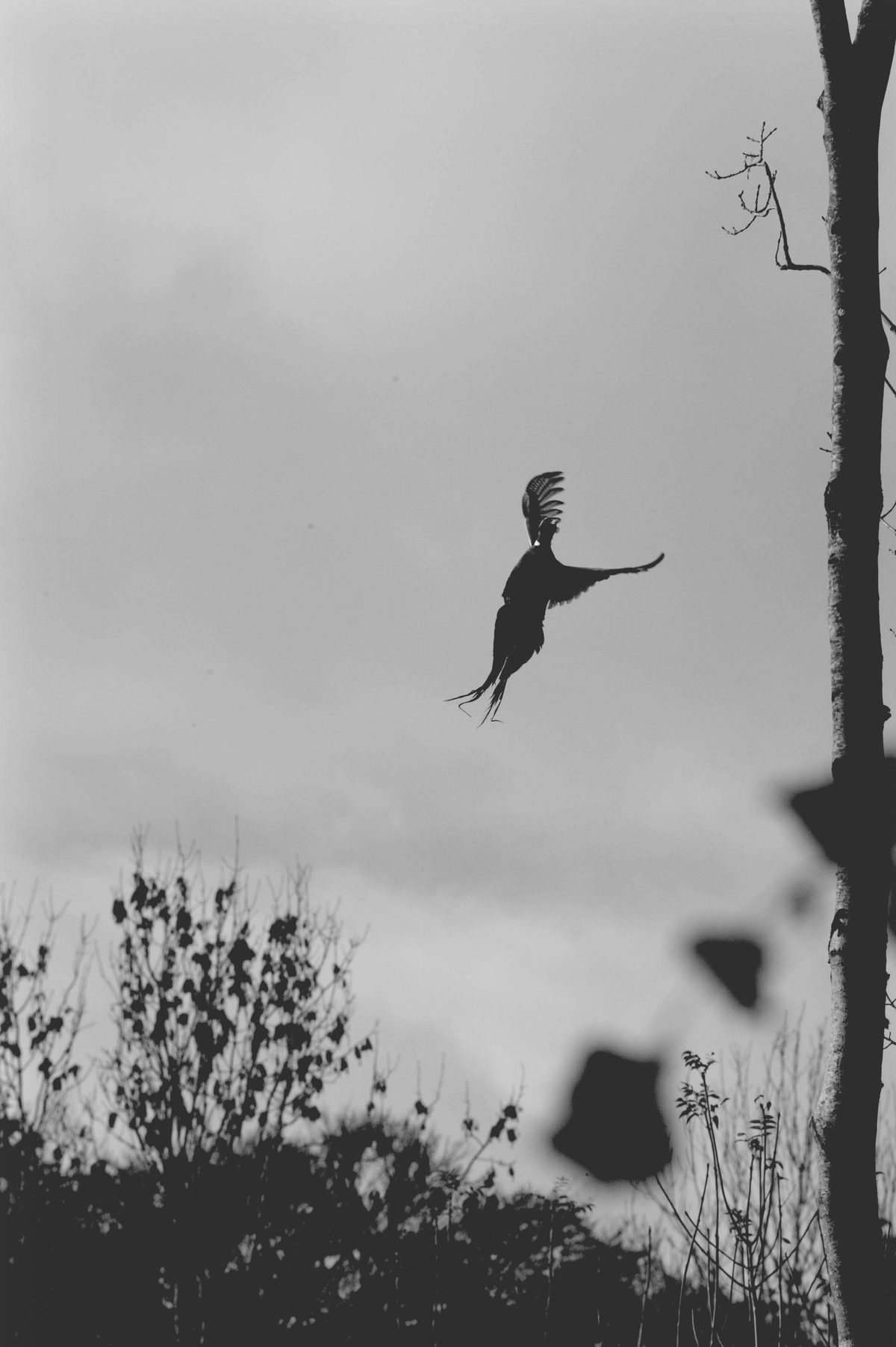
Many of these substantial yeomen, who as a community are extremely fond of shooting, have started to rear and preserve pheasants in goodly numbers – things difficult to do of yore because professional rabbit trappers of the old school and hedgerow pheasants had a strange affinity for each other.
Coursing rabbits with greyhounds had grown in Pembrokeshire to be a pretty major sport, but now that the long dogs can find no live quarry, the farmers are going in for greyhound racing instead.
This article was first published in the 8 October 1954 issue of Shooting Times.
 Closes 15 JanuaryWorth £129.90Win a pair of tickets to the British Shooting Show 2027Enter nowFree to enter
Related Articles

Music of the pack: foxhounds in the mist and otterhounds on the Great Ouse
J Ivester Lloyd hears the Whaddon Chase through the morning mists, then joins two otterhound packs on the Great Ouse for a day to remember, in this piece from the Shooting Times archive, first publish...
By Shooting Times | 11 November 2026

Game for a good drive: Sir Donald Gosling, National Car Parks and a love of high pheasants
The knighted founder of National Car Parks was a devotee of fine game shooting, wrote Chapman Pincher in Shooting Times in November 1979 – once he had learned the difference between a rifle and a shot...
By Shooting Times | 11 November 2026
Get the latest news delivered direct to your door
Subscribe to Shooting Times & Country
Discover the ultimate companion for fieldsports enthusiasts with Shooting Times & Country Magazine, the UK’s leading weekly publication that has been at the forefront of shooting culture since 1882. Subscribers gain access to expert tips, comprehensive gear reviews, seasonal advice and a vibrant community of like-minded shooters.
Save on shop price when you subscribe with weekly issues featuring in-depth articles on gundog training, exclusive member offers and access to the digital back issue library. A Shooting Times & Country subscription is more than a magazine, don’t just read about the countryside; immerse yourself in its most authoritative and engaging publication.