★ Win a pair of Brandecosse Capriolo boots worth £219! Click here to enter ★
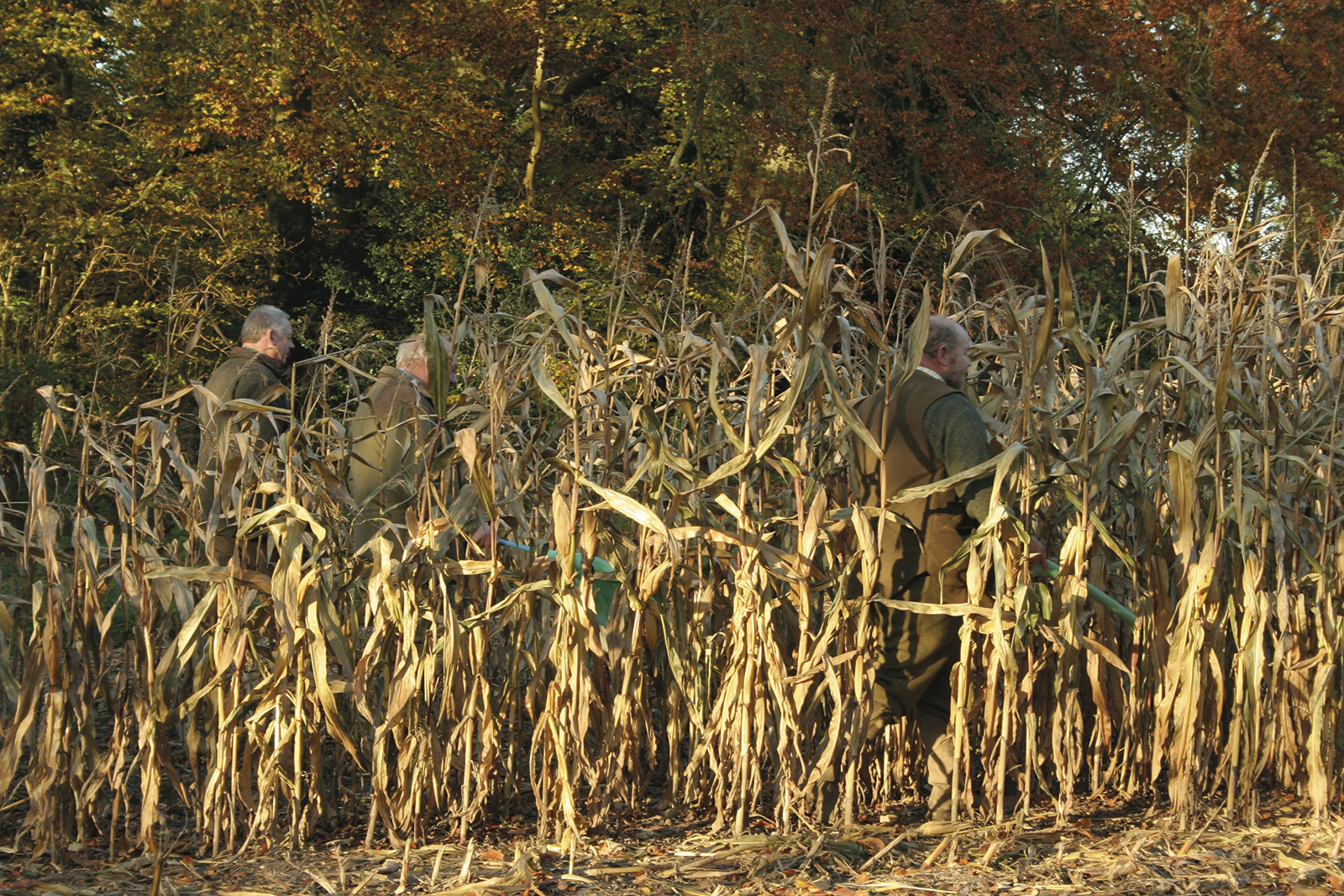
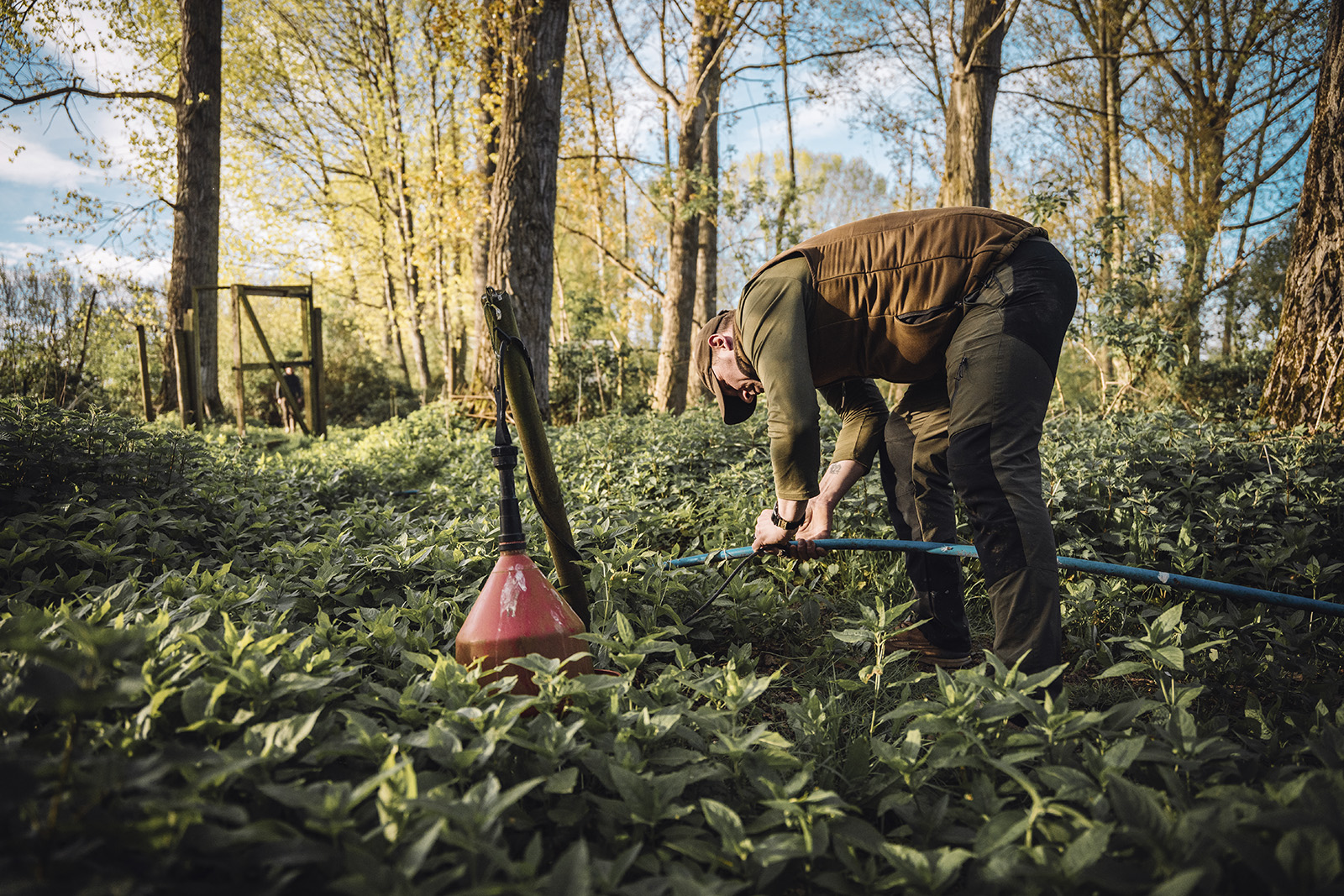
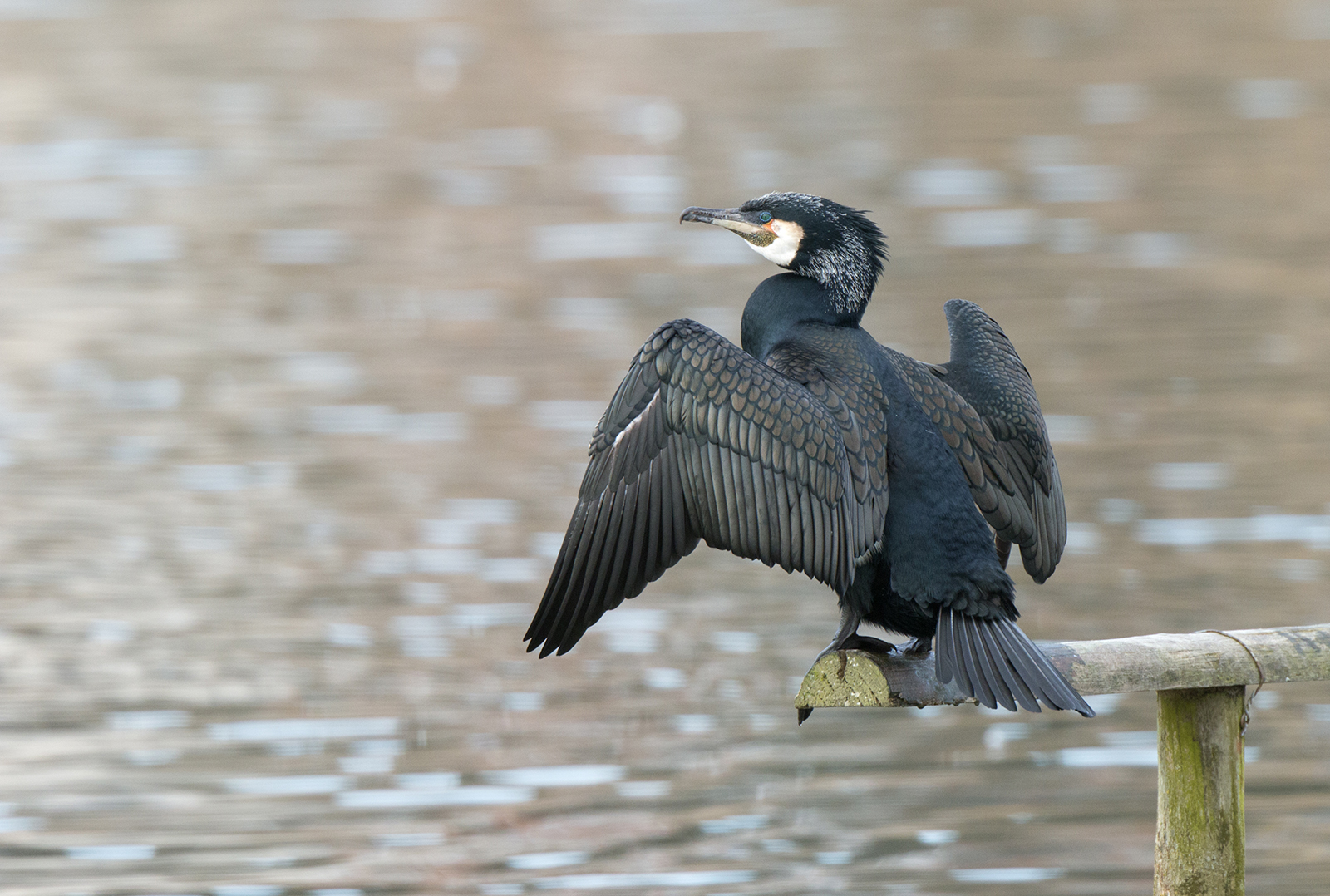

Young Shots- February
See February's instalment of Young Shots
 Urban fox standing on a wall

Are you next month's star?
Are you a young Gun, beater or picker-up (or you know one) experiencing the field for the first time this year? We would love to hear all about your adventures and experiences. Perhaps you shot your first bird this season, stalked your first deer or started helping out with the gundogs. Why not get in touch to tell us all about your shoot and how you are getting involved? Send your stories to shootingtimes@twsgroup.com. Some of our favourite letters might even be in with a chance of winning some great prizes!
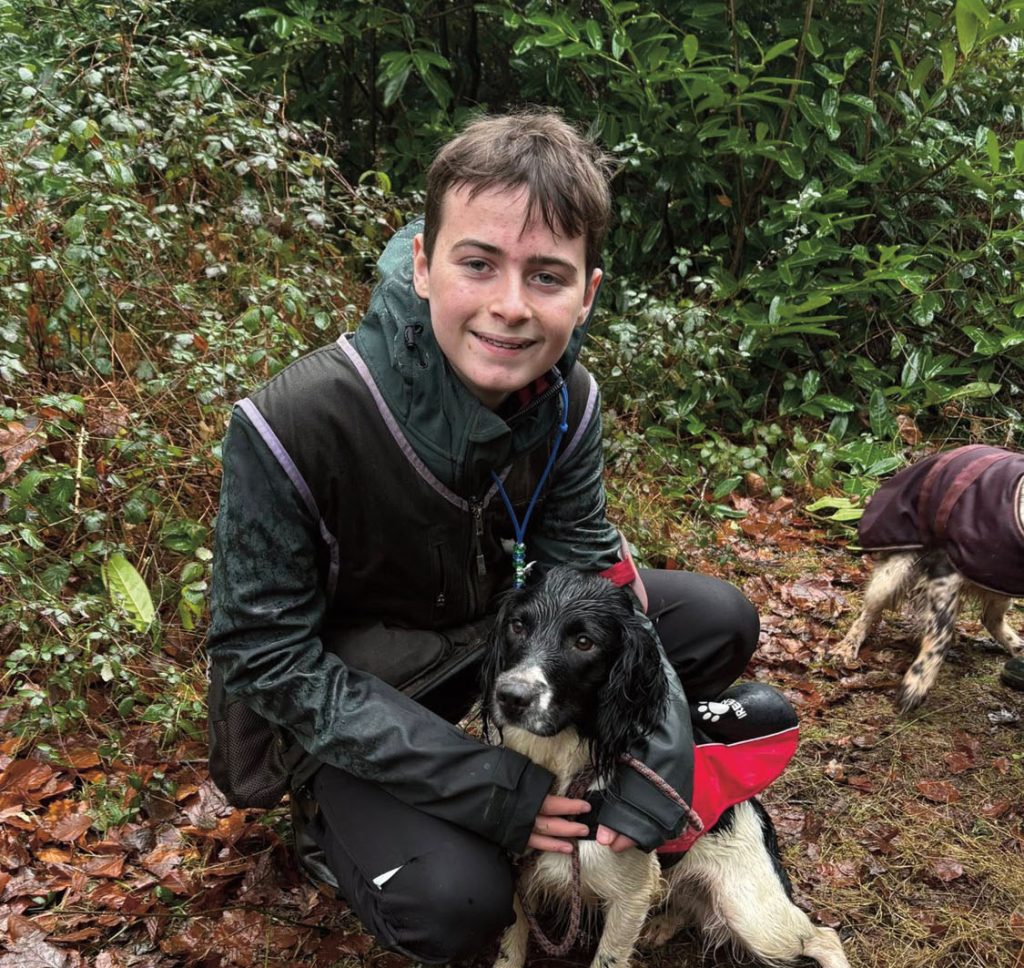
Star of the month: Thomas Scott
At 14 years old, Thomas Scott has trained, competed and won his first field trial award with his 17-month-old spaniel Charlie (Wessexmac Island King). The young duo completed their first Novice AV field trial for the Duchy Working Gundog Club on 8 January at Pyne’s Estate. Thomas has worked extremely hard to train Charlie, with support and guidance from Pyne’s shoot host Paul Bowyer. Thomas said the success wouldn’t have been possible without Charlie’s breeder, Mary MacNeal, and Duchy trial secretary, Emma Nurse, who helped oversee the pair as they competed.
Quarry in question
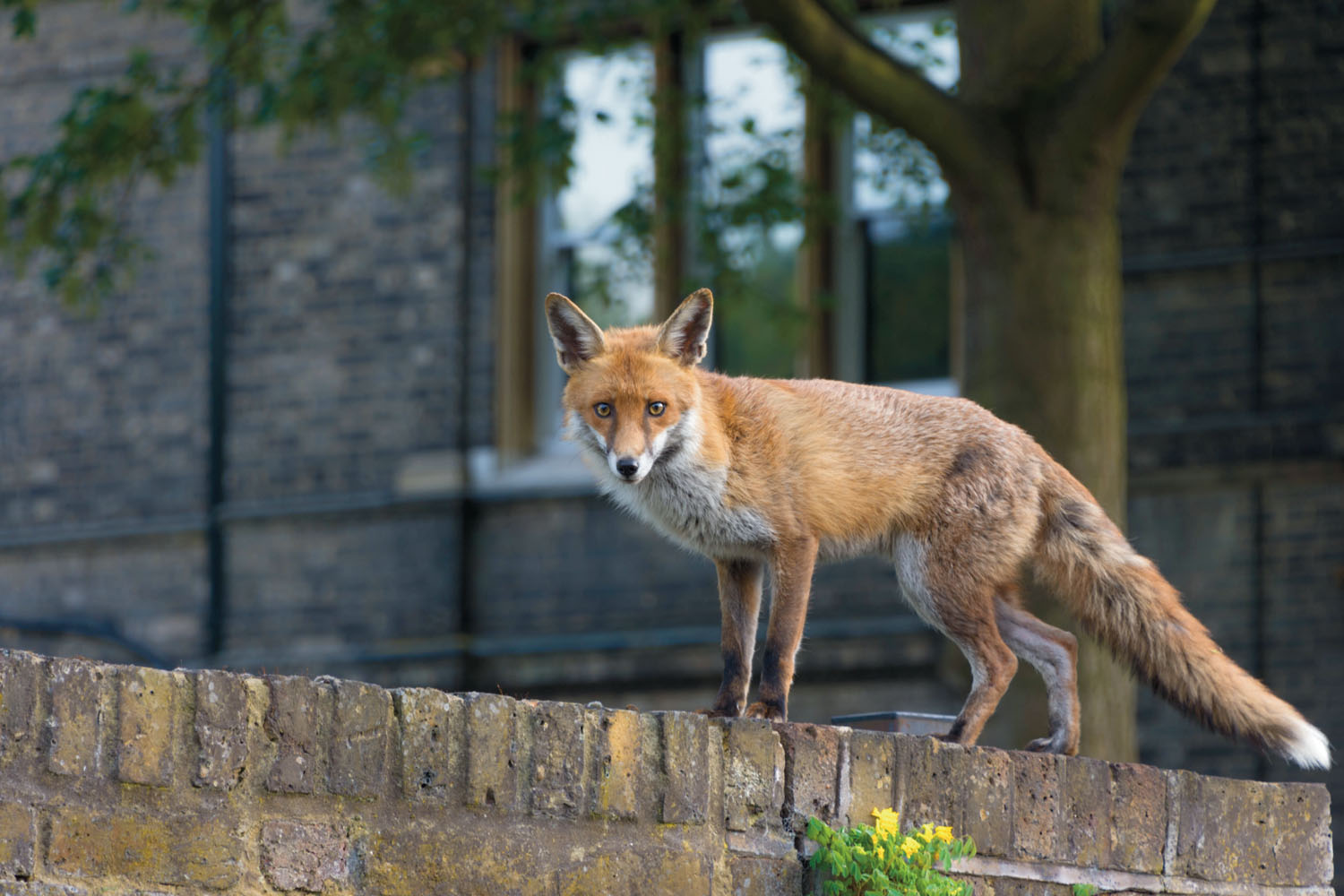
The crafty red fox
Smart, adaptable and shy, foxes live all around us, from deep forests to busy cities. The red fox is one of Britain’s most successful wild animals. These clever creatures have learned to survive alongside humans. Next time you’re outside at dusk, keep your eyes and ears open – you might just spot one of Britain’s most cunning opportunists.
-
What is it: The red fox (Vulpes vulpes) is about the size of a medium dog, with a body length from 60cm to 90cm and a bushy tail almost the same length. Its fur is usually reddish-orange, with black legs, pointed ears and a white tip on its tail.
-
Population: Foxes are adaptable and live in many habitats, including woodlands, farmland, hills and even cities and towns. There are an estimated 350,000 adult foxes living across the UK. Foxes rarely travel far, usually staying in their territory their entire lives. They dig underground homes called dens (or earths), where they sleep and raise their young.
-
How to find: Foxes can be found almost everywhere – from the Highlands to large urban areas. In fact many foxes now live in cities, where they can easily find food scraps and safe places to hide.
-
Breeding: Foxes breed once a year, usually in January and February. The female, called a vixen, gives birth to four to six cubs in spring. Both parents bring them food and protect them, and by autumn the cubs are ready to live on their own.

Readers in the field
Harrison Challis-Davies
Harrison Challis-Davies, the 10-year-old son of game chef Leon, has been surrounded by fieldsports from a young age. He loves spending time in the field with his dad, helping source and prepare delicious and sustainable game meat for the table. Last year he even got stuck in helping trap and cook invasive but tasty signal crayfish.

Reuben and Edward
My grandsons are Reuben, age 15, and Edward, 13, and they both shoot with me in north Shropshire. For the past three seasons they have been on a few Young Shots days with BASC and are now very good and safe Shots. The photo is the last day of the season, having had some good shooting, and accompanied by Frank the dog who has completed his first season too. The boys are willing to feed and do work parties and beat if asked. They are a really good asset to the shoot.
John Cotton

Welcome to BASC
Get involved with BASC education and outreach
BASC works closely with a range of groups like the Scouts, Guides and Young Farmers, delivering fun, hands-on activities that link shooting with wildlife, habitat management and responsible countryside use. You might even spot BASC at some events such as Scout jamborees, where scores of young people get their first taste of shooting sports. Behind the scenes, BASC’s team delivers hundreds of events every year, including specialist training with gamekeeping colleges.
In schools, our BASC to School initiative helps break down myths about shooting. It’s about learning how the countryside is cared for and why it matters. Projects like Let’s Learn Moor, the UK’s biggest uplands classroom, show pupils how people work together to protect moorland landscapes. You can find out more at basc.org.uk
How to…

The science of thermal imaging technology
Thermal-imaging scopes and binoculars enable you to “see heat”. Instead of using normal light like your eyes, they detect invisible heat energy and turn it into a picture. This lets you see animals, people and objects even in total darkness.
- Everything gives off heat: All objects warmer than absolute zero give off heat energy called infrared radiation. Your eyes cannot see infrared, but thermal devices can detect it. Warm objects like people and animals give off more heat than cooler objects such as rocks and trees. Thermal scopes detect this heat instead of visible light.
- The lens collects the heat: The front lens gathers heat energy from the scene. Special materials (often germanium glass) are used because normal glass blocks infrared heat. The lens then focuses the heat on to a sensor inside the device.
- The heat sensor detects temperature differences: Inside the device is a tiny heat detector called a microbolometer. Heat hits the sensor and warms it slightly. The sensor changes its electrical signal based on temperature, and sensor pixels measure heat across the whole image.
- The computer turns heat into a picture: The device’s computer processes the signals from the sensor and creates an image showing hot and cold areas. Hot objects may appear white, red or yellow, and cool areas darker. This image is shown on a screen inside the scope or binoculars as you look through the eyepiece.
Cookery corner

Crispy chilli venison
Leave your venison strips in the fridge for up to 24 hours before cooking. This ensures they will soak up loads of the marinade flavour.
Ingredients (Makes 2)
-
250g venison, sliced into strips
-
2 tbsp cornflour
-
2 garlic cloves, crushed
-
1 tsp lazy ginger
-
1 red pepper, diced
-
4 spring onions, sliced
-
1 tbsp soy sauce
-
2 tbsp sweet chilli sauce
-
2 tbsp tomato ketchup
-
For the marinade: ½ tsp Chinese five spice, 2 tsp soy sauce, 1 tsp sesame oil, 1 tsp caster sugar
Preparation steps
-
Mix all the marinade ingredients, add the venison strips and toss to coat. Then refrigerate them for as long as you can.
-
Sprinkle the cornflour over the venison until each piece is coated in a floury paste. Then arrange the strips on a plate and drizzle each piece with a little oil. Pre-heat the air fryer to 200°C.
-
Air fry the venison for 3-4 mins, then turn and cook for another 3-4 until it is crispy on all sides.
-
Heat some oil in a wok (or frying pan) and stir fry the garlic, ginger, chilli pepper and white parts of the spring onion. Be careful not to burn the ginger and garlic. Add the soy sauce, sweet chilli and ketchup.
-
Tip the venison strips into the wok and cover in the sauce. Then serve topped with the spring onion greens, some sesame seeds (if you like) and a bit of extra sauce to be used for dipping.
Gundog guidance: Foundations for success
These simple training steps will help you feel confident, build trust with your dog and set the right foundations for a life of success in the field.
Starting the fun
Choose something soft and light, like a small dummy or a rolled sock. Hold it in your hand and rub it along the floor for a moment. This makes the scent stronger and the movement more interesting. Most dogs will focus on it straight away. When your dog is watching closely, give a short throw. As the toy leaves your hand, say your dog’s name or a word like fetch. Keep the word the same each time so that your dog learns that this sound means they can go. Say it at the exact moment you throw. Let your dog chase the toy and praise them as soon as they pick it up. Do not rush to take it from them. Let them enjoy carrying it for a few seconds. This helps them feel confident and proud of their retrieve.
Training tips
A great place to practise is inside the house. A short corridor works really well because it encourages your dog to come straight back to you. Stand at one end, throw the toy a short distance, and call them back in a happy tone of voice. Keep the game short. One or two goes are enough. Stopping early keeps your dog keen and excited for the next time you play. When you first teach your dog to retrieve, the aim is to make the game exciting and easy. You want your dog to think that picking something up and bringing it back is great fun. At this stage we are not looking for neat delivery or perfect lines. We just want enthusiasm.
Related Articles
Young Shots: gundog training, drey poking and recipes
Welcome to Shooting Times Junior, featuring expert advice on gundog training, a guide to drey poking for squirrels, and a delicious southern fried rabbit recipe
By Shooting Times
Young Shots- May
This month's Young Shots page has it all — from a roe deer masterclass and rifle round explainer to a 14-year-old's beating line memoir, venison cannelloni and your next gundog training challenge
By Shooting Times
Get the latest news delivered direct to your door
Subscribe to Shooting Times & Country
Discover the ultimate companion for fieldsports enthusiasts with Shooting Times & Country Magazine, the UK’s leading weekly publication that has been at the forefront of shooting culture since 1882. Subscribers gain access to expert tips, comprehensive gear reviews, seasonal advice and a vibrant community of like-minded shooters.
Save on shop price when you subscribe with weekly issues featuring in-depth articles on gundog training, exclusive member offers and access to the digital back issue library. A Shooting Times & Country subscription is more than a magazine, don’t just read about the countryside; immerse yourself in its most authoritative and engaging publication.