As always, we’d love to hear about your experiences, so please get in touch.
Are you our next star? Please send your letters and photos to shootingtimes@twsgroup.com

Welcome to Shooting Times Junior, featuring expert advice on gundog training, a guide to drey poking for squirrels, and a delicious southern fried rabbit recipe

As always, we’d love to hear about your experiences, so please get in touch.
Are you our next star? Please send your letters and photos to shootingtimes@twsgroup.com

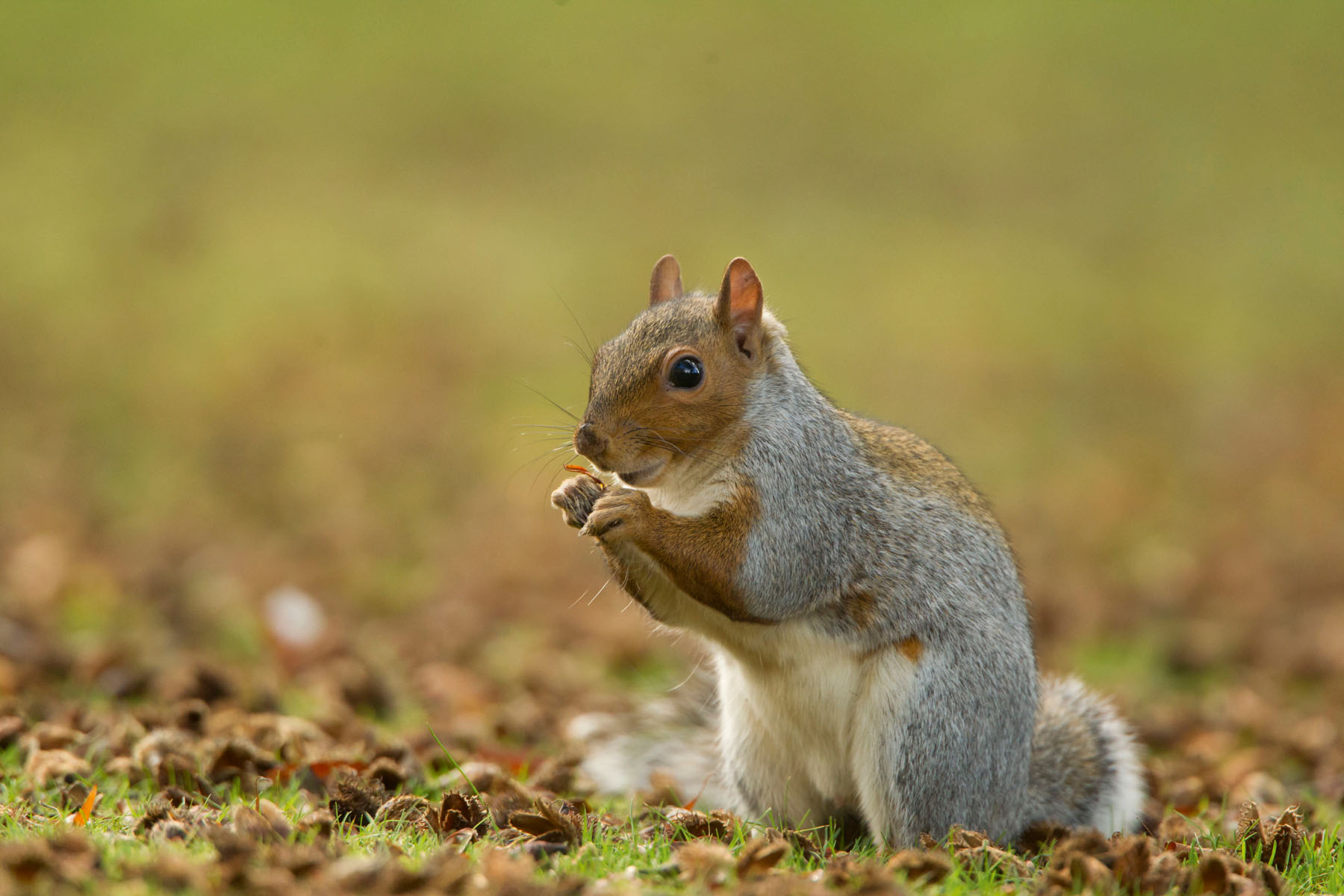
Grey squirrels create problems for some native wildlife. They compete with red squirrels for food and habitat and can carry a disease called squirrelpox, which is very harmful to reds. They can damage trees by stripping bark from trunks, which can ruin forests. Because of this, conservation groups in some parts of the UK work to protect red squirrel habitats and manage grey populations.
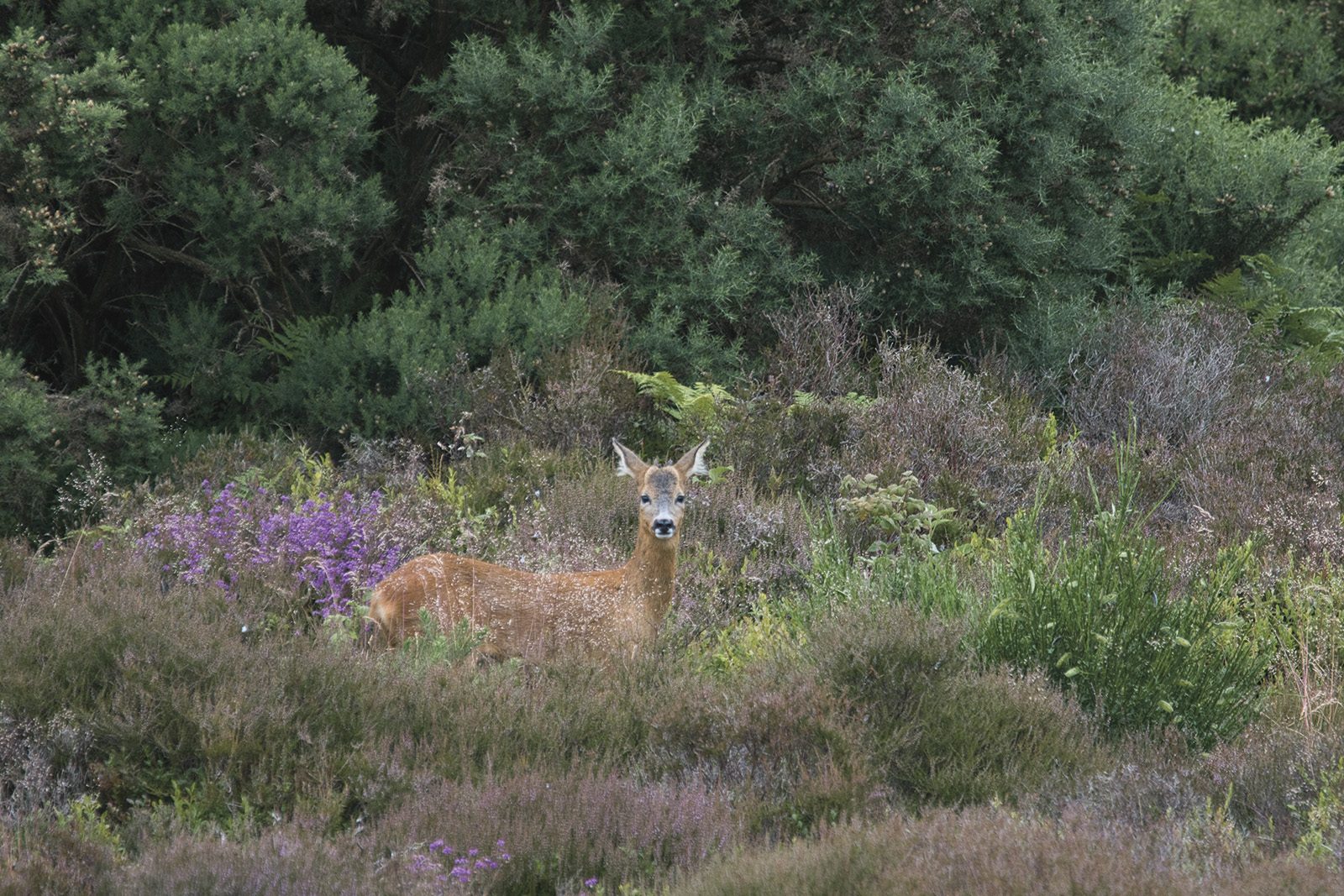
Predation management is often used by people, especially farmers, gamekeepers and conservationists, to protect wildlife or livestock. Many predators play an important role in nature by keeping ecosystems balanced. However, there are incidents when certain predators such as foxes or corvids need controlling to help protect lambs or vulnerable ground nesting birds such as lapwing and curlew.
The Game & Wildlife Conservation Trust (GWCT) has carried out significant scientific research into the effects of predation management. Many of the studies show that when legal predation management is in place, rare and vulnerable species of animals can increase in population due to reducing predation pressures during nesting and breeding periods.

The main predators controlled within England are foxes, carrion crows, magpies, brown rats, stoats, weasels, grey squirrels and mink. There is a variety of methods used to control these species, including lethal means such as shooting and trapping and non-lethal methods such as electric fencing. Every farm or estate will have different predation pressures, but the best time to control predators is during spring and early summer when the vulnerable prey animals are nesting.
» For more information regarding our predation work please visit gwct.org.uk – Alex Keeble, GWCT
I went on my first proper driven pheasant shoot with my dad and grandad last season, and I had the best day ever. I wasn’t shooting, but I helped pick up birds with the dogs.
My favourite part was standing on the edge of the wood listening to the beaters shouting and then suddenly hearing the pheasants coming over the trees. They sounded really fast. One of the Guns shot a brilliant high bird and everyone clapped.
At lunchtime we all stood around a fire barrel eating sausages and drinking hot chocolate. The spaniels were muddy and kept trying to steal sandwiches when nobody was looking. By the end of the day I was very tired but I can’t wait to go again next season.
– Tom, aged 10
Editor responds: Well done, Tom. Don’t forget that beaters and pickers-up are just as important for a good day’s shooting as the Guns. Hopefully we can see some pictures when you are out again next season!
Are you a young Gun, beater or picker-up (or you know one) experiencing the field for the first time this year? We would love to hear all about your adventures and experiences. Why not get in touch and tell us about your shoot and how you are getting involved?
» Send your stories to shootingtimes@twsgroup.com. Some of our favourite letters might even be in with a chance of winning some great prizes!
Supplied by Muntjac Trading
These simple training steps will help you feel confident, build trust with your dog and set the right foundations for success in the field.
The stop whistle is one of the most important skills your gundog will learn. It keeps your dog safe and calm, even when they are excited or running. It also helps you direct your dog into the right area where a bird or dummy has fallen. When your dog stops and looks back at you, you can guide them with hand signals or send them in a new direction. Acme 210.5 whistles are best for spaniels and smaller gundog breeds, while Acme 211.5 or 212 usually suit Labradors better.
– Jennifer Thomas, JT Dog Training and Muntjac Trading ambassador
Grey squirrels are one of the biggest threats to British broadleaf woodland, stripping bark, damaging young trees and putting pressure on native wildlife. While trapping and feeding stations remain effective control methods, drey poking is a traditional and highly enjoyable way to manage squirrels during late winter and early spring. Targeted control is considered an important part of woodland management, so here’s our straightforward guide to getting started.

Above: it’s always good to have a useful sort of dog, such as a spaniel, on hand to pick squirrels that have fallen into deep cover. Drey poking is best done in teams, with someone operating the poles and others covering the exits.


Makes: 2 servings
Top tip: You will know when your oil is hot enough if, when you drop a piece of bread into it, it sizzles and quickly floats to the top.
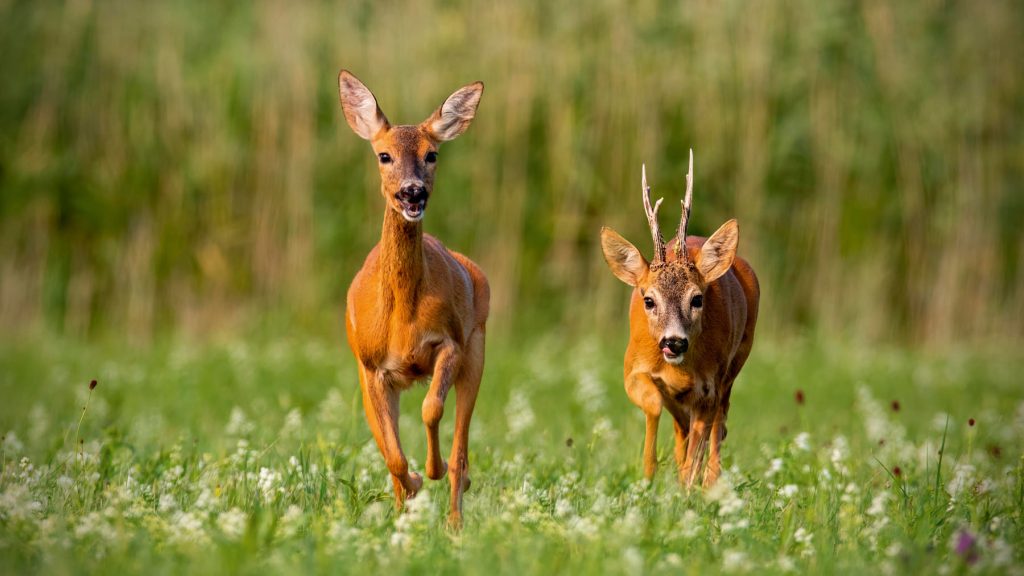
This month's Young Shots page has it all — from a roe deer masterclass and rifle round explainer to a 14-year-old's beating line memoir, venison cannelloni and your next gundog training challenge
See February's instalment of Young Shots
Get the latest news delivered direct to your door
Discover the ultimate companion for fieldsports enthusiasts with Shooting Times & Country Magazine, the UK’s leading weekly publication that has been at the forefront of shooting culture since 1882. Subscribers gain access to expert tips, comprehensive gear reviews, seasonal advice and a vibrant community of like-minded shooters.
Save on shop price when you subscribe with weekly issues featuring in-depth articles on gundog training, exclusive member offers and access to the digital back issue library. A Shooting Times & Country subscription is more than a magazine, don’t just read about the countryside; immerse yourself in its most authoritative and engaging publication.