★ Win a pair of Brandecosse Capriolo boots worth £219! Click here to enter ★

Stalking diary: the boundary-crossing buck that made the morning hard work
Waking at 3am is only half the battle when a boundary-crossing young buck decides to make Charlie Blance's morning roe stalk as difficult as possible
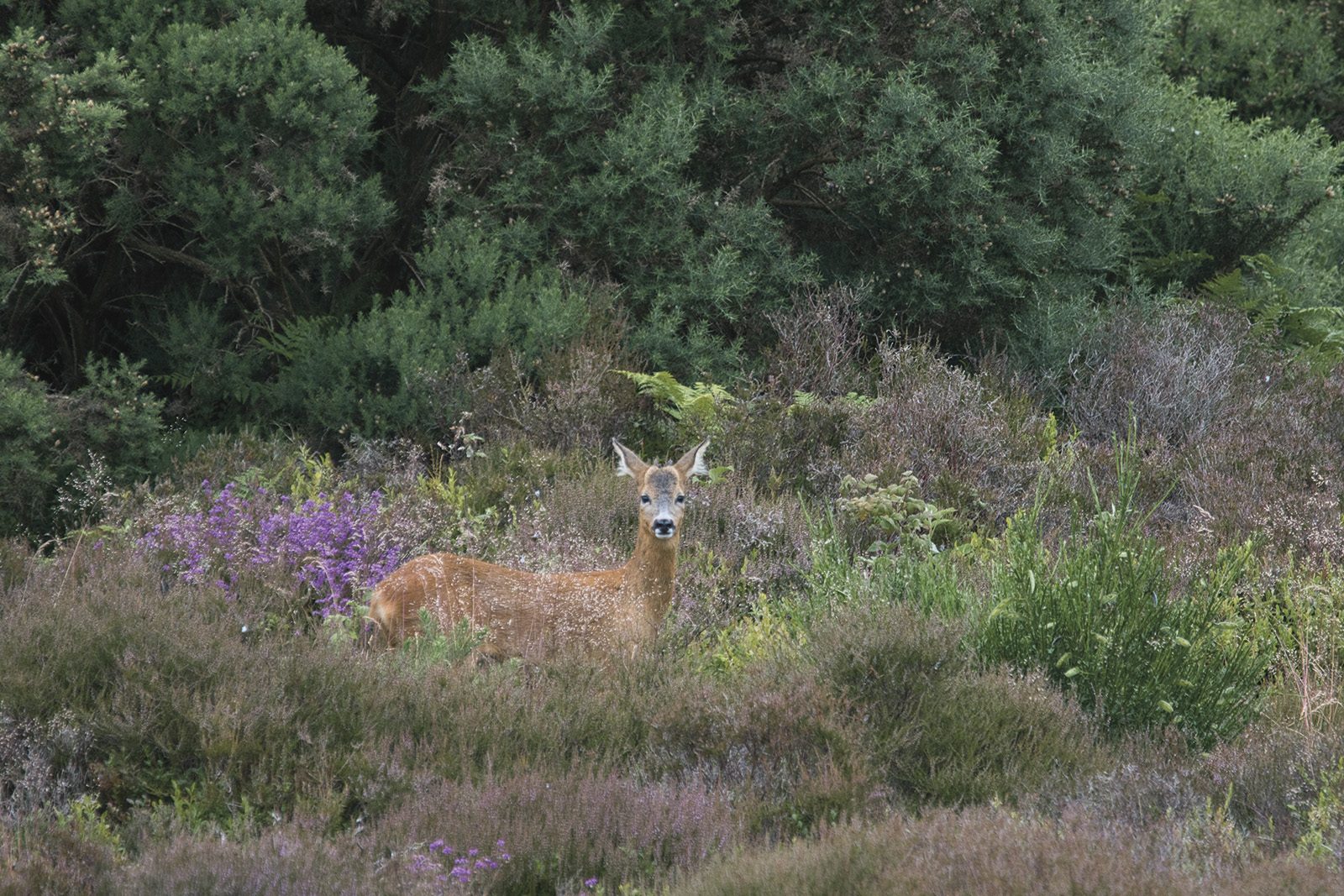 A mature doe pauses for a look back after successfully slipping back over the march. Credit: Getty Images

The transition from evening to morning stalking is a jarring one – so much so that after doing my first morning in months I am sitting here writing this half awake, sipping a heart-accelerating mug of coffee and trying to remember how the keyboard works. That sounds dramatic but I’ve been working evenings almost exclusively so far this summer.
By the time I’ve driven to a wood, stalked three or four hours of usable evening, delivered my deer to the larder and then driven home, it’s quite often just shy of 2am when I’m getting to sleep. I then wake up at nine-ish, spend an hour coming to and then get on with the tasks of the day until it’s time to go out and look for deer again. It was blissful and effective – at least until the midges returned.
I usually do mornings for most of the buck season – for covering ground and getting numbers there is considerably more usable time compared with evenings. However, spring seemed to be late this year. During both April and May the nights had fallen wet and cold and the deer seemed a lot less active in the mornings during those months because of it, opting to feed in the warmth of the evenings instead.
But as I said, the midges are now awake and the deer are now more active in the cool of the morning. The humid, overcast evenings are rife with the bitey little buggers, so the routine needed to change – but that is easier said than done.
My alarm went off at 3am this morning and to be honest I felt fine – energised even – but by the time I got the first deer back to the truck, I could have quite happily crawled into the tray next to it and taken a nap. To be fair, he had required more effort to get than the average buck, which hadn’t helped.
I’d stalked a valley that has views of two large clear-fells, quite an open block of mature timber, and across the march rolling hills of sheep country stretch out for miles. At first I saw nothing besides rabbits in the thermal, but then two deer came across the next skyline at full pelt. When I got glass on them I saw that it was a mature doe being mithered by a young buck. The pair would have been more than 1,000 yards across the boundary, but I had a feeling they were coming my way. With no other prospects in sight I decided to wait and watch them.
They ambled back and forth, but sure enough the doe eventually managed to make her way to the boundary fence. I know where they get through so I headed down the face to cut them off. I watched her craning her neck over as if she was about to jump and then the bloody eejit buck spoiled everything by chasing her off.
The roe buck finally commits to crossing the march
They followed the fence down on the wrong side, so I hightailed it parallel with them to try to cut them off at the next likely crossing. They changed direction. Twice. By the time they had actually committed to crossing, I was back where I had started. I got into position and as I did the doe slipped back out over the march, leaving the buck behind on my side of the fence. I feel as if she might have been glad to have rid of him.
He trotted along parallel to her, looking for a way through. I barked. He didn’t stop. I whistled and he turned to look over his behind. I wasn’t up for letting him gain any more distance on me, so I shot him in the neck. He dropped on the spot, but in the throes of death he managed to kick himself off the ridge and slide all the way into the windblown gorge below. The extraction took what remained of my will to be upright.
Charlie Blance is a stalker, fishing gillie and conservationist working across Scotland.
Frequently Asked Questions
What does “the march” mean in deer stalking?
The march is the boundary between two areas of ground or neighbouring estates. When deer cross the march they move off the stalker’s permission and onto someone else’s land, which is why a buck that keeps slipping back over it is so frustrating to catch up with.
Why switch from evening to morning roe stalking in summer?
As the weather warms and the midges come out, humid, overcast evenings become unpleasant to sit through and the deer feed more actively in the cool of the morning. Mornings also offer considerably more usable time for covering ground and getting numbers during the buck season.
How does a thermal help when stalking at first light?
A thermal picks out warm bodies against the cold ground before there is enough light to use the rifle’s glass, helping the stalker separate deer from rabbits and other animals on the hill and pick up movement on distant skylines early.
Related Articles
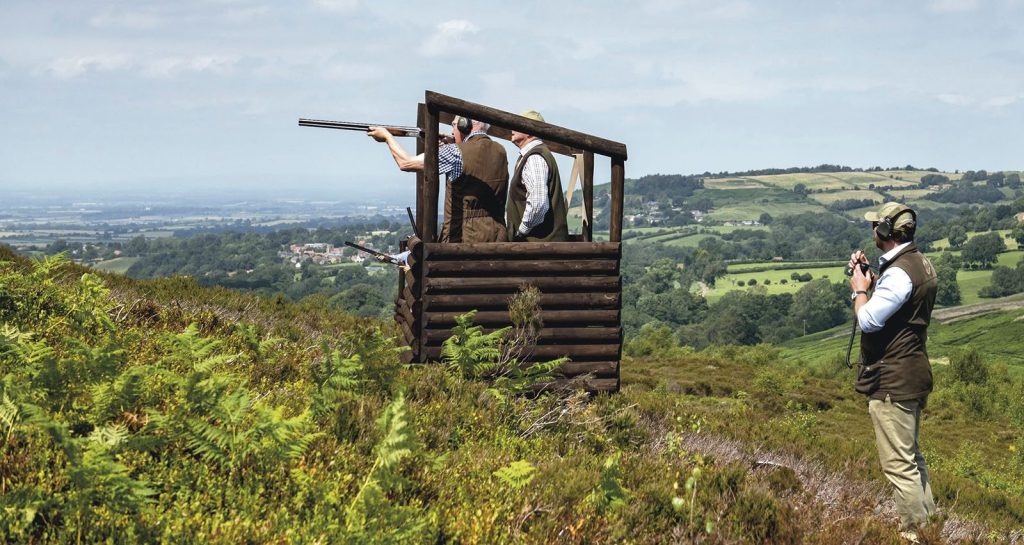
Simulated game shooting: like game shooting minus the feathers
Once dismissed as mere off-season practice in tweed, the simulated game day has become a sport in its own right; Selena Barr asks four leading operators what separates a standout day from a chaotic on...
By Selena Barr
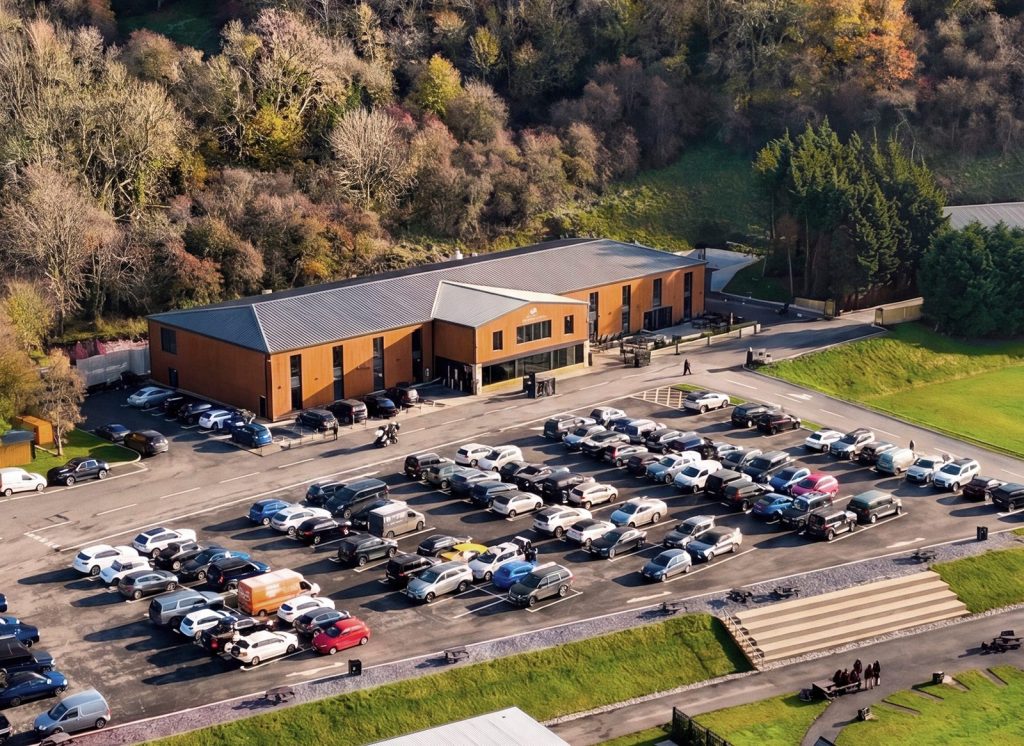
Clay Shooting Classic and Sporting Gun Clubman return
Two long-dormant clay shooting competitions, the Clay Shooting Classic and the Sporting Gun Clubman Championship, return to Eaton Hall Shooting Ground in Derbyshire this October, with shooters able to...
By Shooting Times
Get the latest news delivered direct to your door
Subscribe to Shooting Times & Country
Discover the ultimate companion for fieldsports enthusiasts with Shooting Times & Country Magazine, the UK’s leading weekly publication that has been at the forefront of shooting culture since 1882. Subscribers gain access to expert tips, comprehensive gear reviews, seasonal advice and a vibrant community of like-minded shooters.
Save on shop price when you subscribe with weekly issues featuring in-depth articles on gundog training, exclusive member offers and access to the digital back issue library. A Shooting Times & Country subscription is more than a magazine, don’t just read about the countryside; immerse yourself in its most authoritative and engaging publication.