★ Win a pair of Brandecosse Capriolo boots worth £219! Click here to enter ★
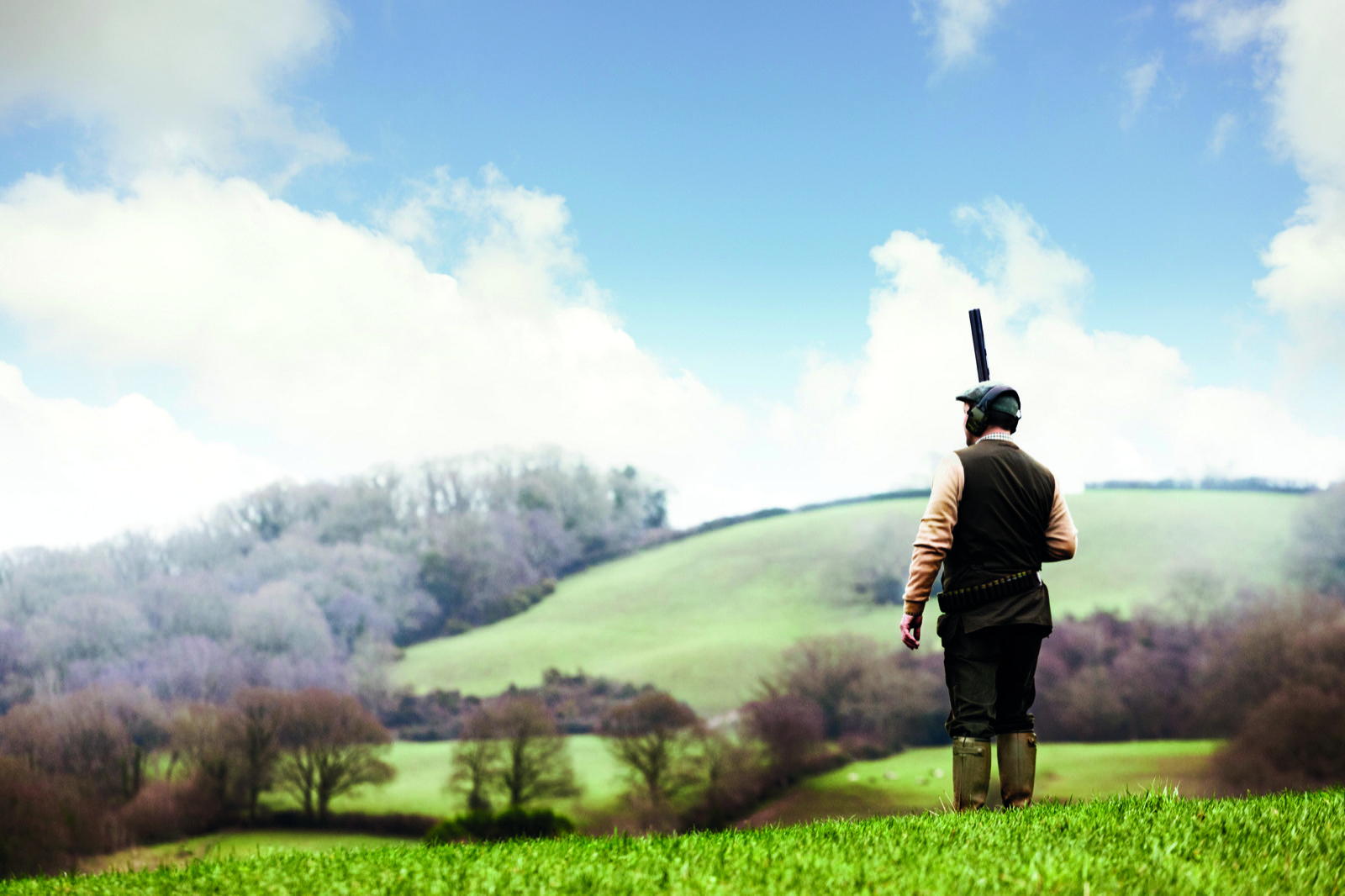
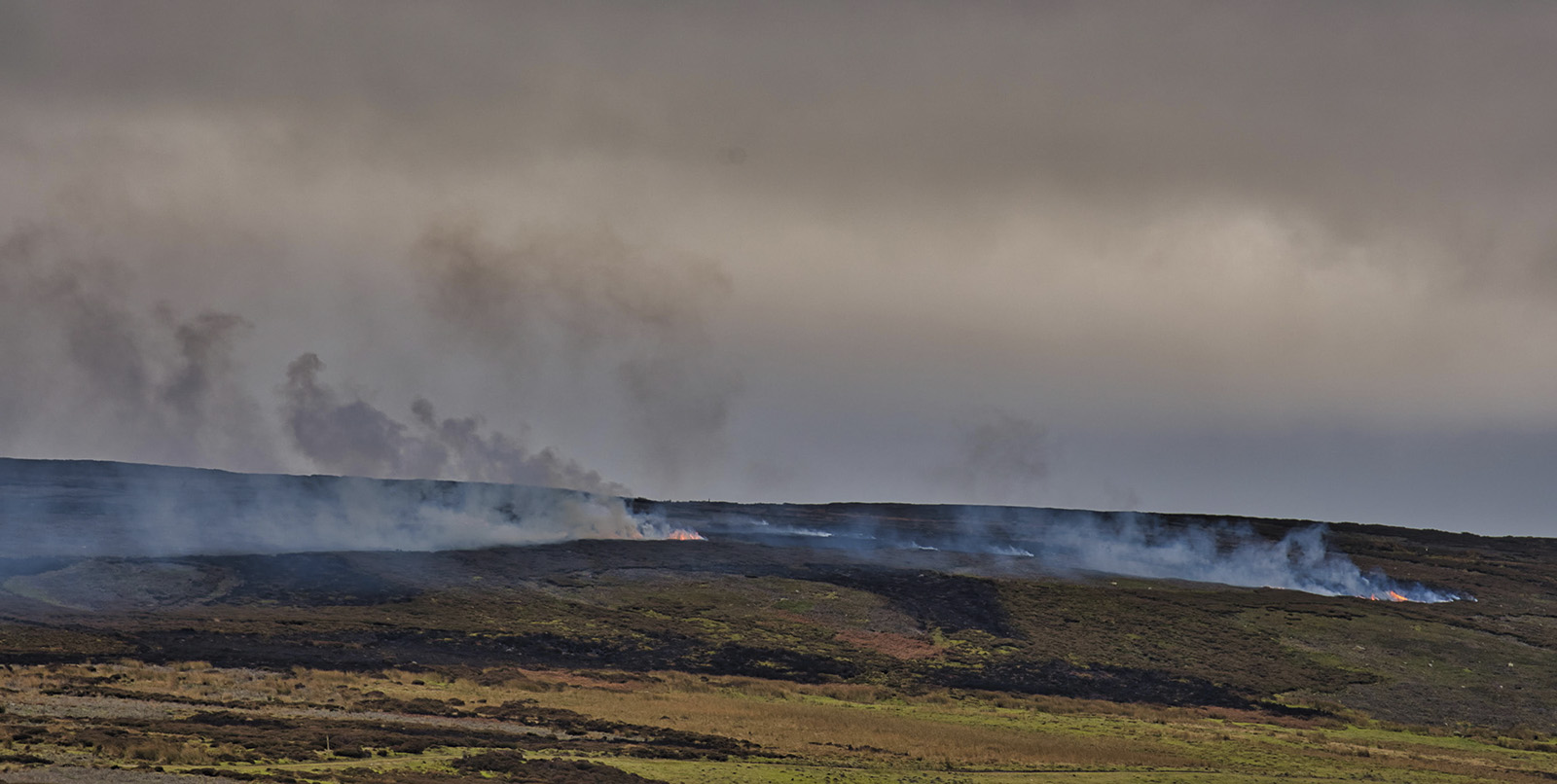

Game shooting in Defra’s crosshairs
A single passage in England's land blueprint has united shooting organisations in anger and put gamebird release licensing firmly on the agenda.
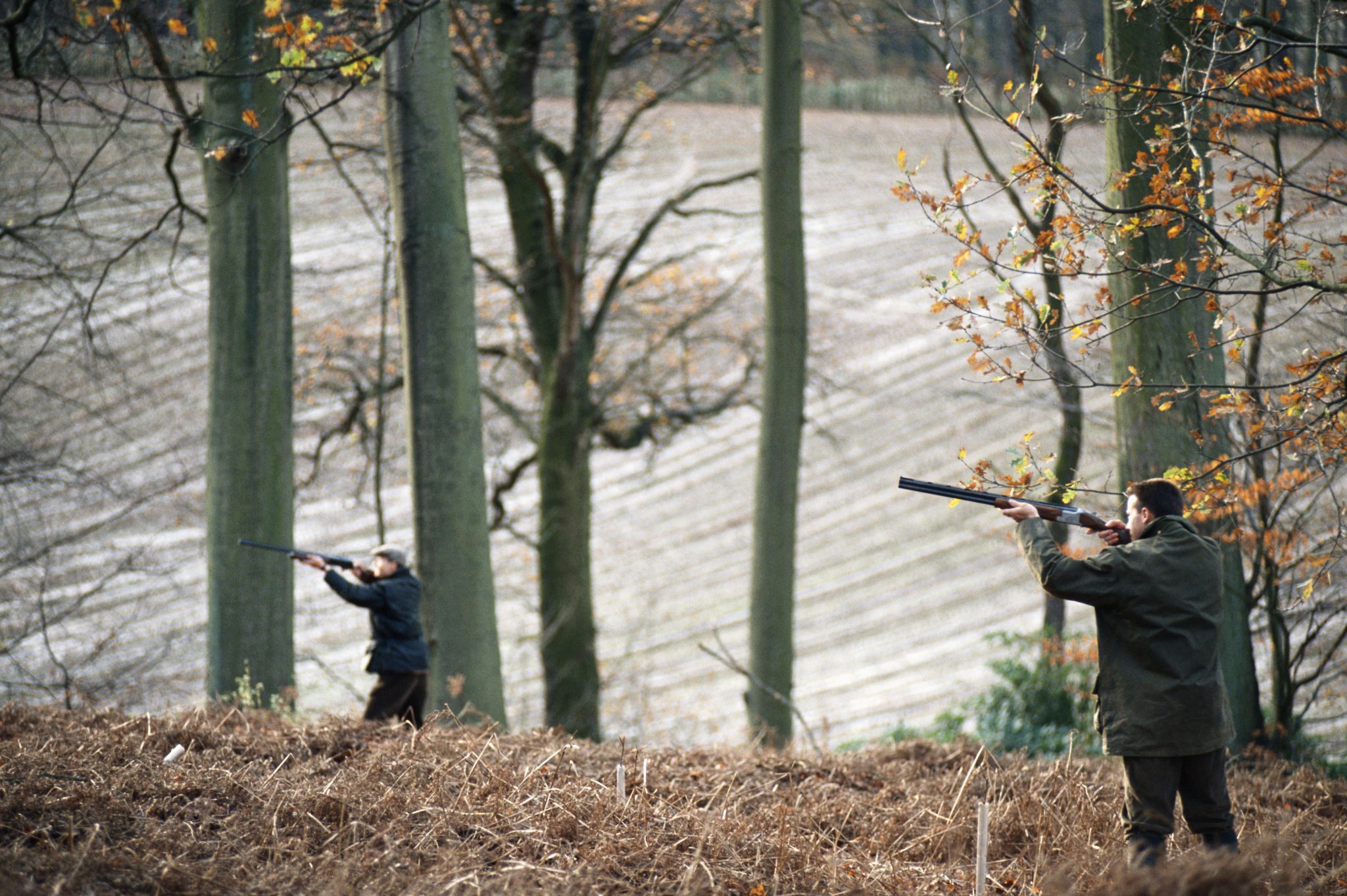 Credit: Getty Images

Land use framework sets the stage
The Government chose an unlikely venue to declare war on game shooting. Buried inside a 55-page land management document published on 18 March, between passages on agroforestry and sustainable urban drainage, Defra signalled its intention to explore licensing for all recreational gamebird shooting and release in England. The countryside has not taken it quietly.
England’s first Land Use Framework for England is, on its face, an ambitious attempt to resolve one of the thorniest problems in British policy: how to use a finite amount of land to build 1.5 million homes, restore nature at scale, generate clean energy and maintain food security, all at the same time. Environment secretary Emma Reynolds called it an end to the “fragmented decision-making” that had left the country exposed to climate risk and economic shocks.
The document itself is long on aspiration, built around four guiding principles: multifunctionality, right use in the right place, future-ready decisions and adaptive management. It is backed by what Defra describes as the most advanced spatial analysis of English land use ever undertaken.
.
A single passage sparks backlash
But it is a single passage, less than 300 words long, that has dominated the response from rural organisations. The framework says land managed for gamebird shooting covers a substantial area of England and recognises “the value of well-managed recreational shoots as part of countryside economies and culture”. However, it argues that “recreational gamebird shooting can have trade-offs with environmental, economic, and animal health and welfare outcomes”, which it says “can limit the ability of this land to deliver multiple benefits, including those for nature and climate resilience”.
On that basis, Defra says it wants to “transition to the highest standards of practice being consistently applied for upland and lowland shooting” and will explore “wider measures such as licensing and any associated conditions for recreational gamebird shooting and release, going beyond current approaches which only apply on or near European protected sites”.
Evidence gathering will come first, followed by public consultation.
.
National attention and sector concern
The passage did not go unnoticed by the national press. The Times, The Telegraph, the Financial Times and GB News all picked up the gamebird licensing proposals, underscoring how far that single passage overshadowed the rest of the framework’s ambitions on housing, food and nature on the day of publication.
.
BASC highlights economic and conservation impact
BASC was among the quickest of the rural organisations to respond, framing its case around the scale of what the sector already delivers. Sustainable shooting, it says, contributes the equivalent of £500 million in conservation work each year, supports 26,000 full-time jobs, contributes 14 million workdays and underpins habitat management across 7.6 million hectares of land across the UK.
Dr Matt Ellis, BASC’s executive director of conservation, said adding layers of regulation to a sector already delivering at that scale made little sense. “Imposing additional layers of licensing risks adding cost and complexity without delivering better environmental outcomes. Existing licensing arrangements around protected sites are already challenging for many to navigate. The priority should be improving what is in place so it works effectively, rather than introducing further regulation that could create confusion and unintended consequences.”
Dr Ellis said BASC would support shoots to build a practical evidence base if Defra proceeded to a call for evidence, and that the organisation would robustly challenge any proposals that threatened the sector’s future.
.
NGO warns of regulatory burden
The National Gamekeepers’ Organisation was no less forthright. Its environment, policy and politics director, Tim Weston, described the framework’s tone as deeply troubling, arguing that it offered warm words about shooting’s value with one hand while preparing the regulatory groundwork to constrain it with the other.
“Across vast areas of England, keepers and shoot managers are responsible for habitat restoration, predator control, woodland management and the maintenance of some of our most iconic landscapes,” Mr Weston said. “These are not abstract benefits, they are practical, proven contributions to biodiversity, carbon storage and rural employment, funded not by the taxpayer but by those who live and work on the land.”
Licensing, he argued, would do nothing to improve those outcomes. “Licensing schemes are blunt instruments. They create cost, uncertainty and administrative burden, while doing little to support wildlife and rural people.”
.
Countryside Alliance attacks “licensing agenda”
For Countryside Alliance chief executive Tim Bonner, the careful language is telling. “This is exactly the agenda of the RSPB and other anti-shooting organisations,” he said, adding that Defra’s decision to describe shooting as primarily recreational, like golf courses, betrayed a fundamental ignorance of how the countryside works. “There seems to be no awareness that game shooting is a complementary activity to agriculture, not a competitive one.”
Mr Bonner was blunt about what licensing would mean in practice: “In order to license something, you first have to prohibit it and then, when there is the slightest excuse, the withdrawal of licences implements a ban. Natural England is doing exactly this around a number of English Special Protection Areas at the moment, using avian influenza as justification.”
“Have no doubt,” he concluded, “that this is a declaration of war on game shooting.”
Do you have a news story to share?
Contact our group news editor Hollis Butler at hollis.butler@twsgroup.com. We aim to respond to all genuine news tips and respect source confidentiality.
Stay in the loop with the latest fieldsports news
Don’t miss a story – get shooting news straight to your inbox or phone. Join our newsletter and WhatsApp channel.
Related Articles
Shooting community urged to complete 2026 Game Shooting Census
The deadline for the 2026 Game Shooting Census and Shoot Owner Census, run by GunsOnPegs and Lycetts with the backing of BASC, the Countryside Alliance and the GWCT, closes at 12 noon tomorrow (Tuesda...
By News Desk
Gamekeepers refuse to endorse Scotland's new muirburn code
Scotland's gamekeepers say they will not endorse the revised Muirburn Code when NatureScot publishes it on 1 July, warning that it strips out the tools they rely on to fight wildfire and puts public s...
By News Desk
Get the latest news delivered direct to your door
Subscribe to Shooting Times & Country
Discover the ultimate companion for fieldsports enthusiasts with Shooting Times & Country Magazine, the UK’s leading weekly publication that has been at the forefront of shooting culture since 1882. Subscribers gain access to expert tips, comprehensive gear reviews, seasonal advice and a vibrant community of like-minded shooters.
Save on shop price when you subscribe with weekly issues featuring in-depth articles on gundog training, exclusive member offers and access to the digital back issue library. A Shooting Times & Country subscription is more than a magazine, don’t just read about the countryside; immerse yourself in its most authoritative and engaging publication.