★ Win a pair of Brandecosse Capriolo boots worth £219! Click here to enter ★

Gamekeepers warn MPs: our families could lose everything
A ministerial briefing sent to rural MPs this week warns that gamekeepers face losing not just their jobs but their homes, as new licensing proposals in England and Wales compound an already fragile picture for the profession.
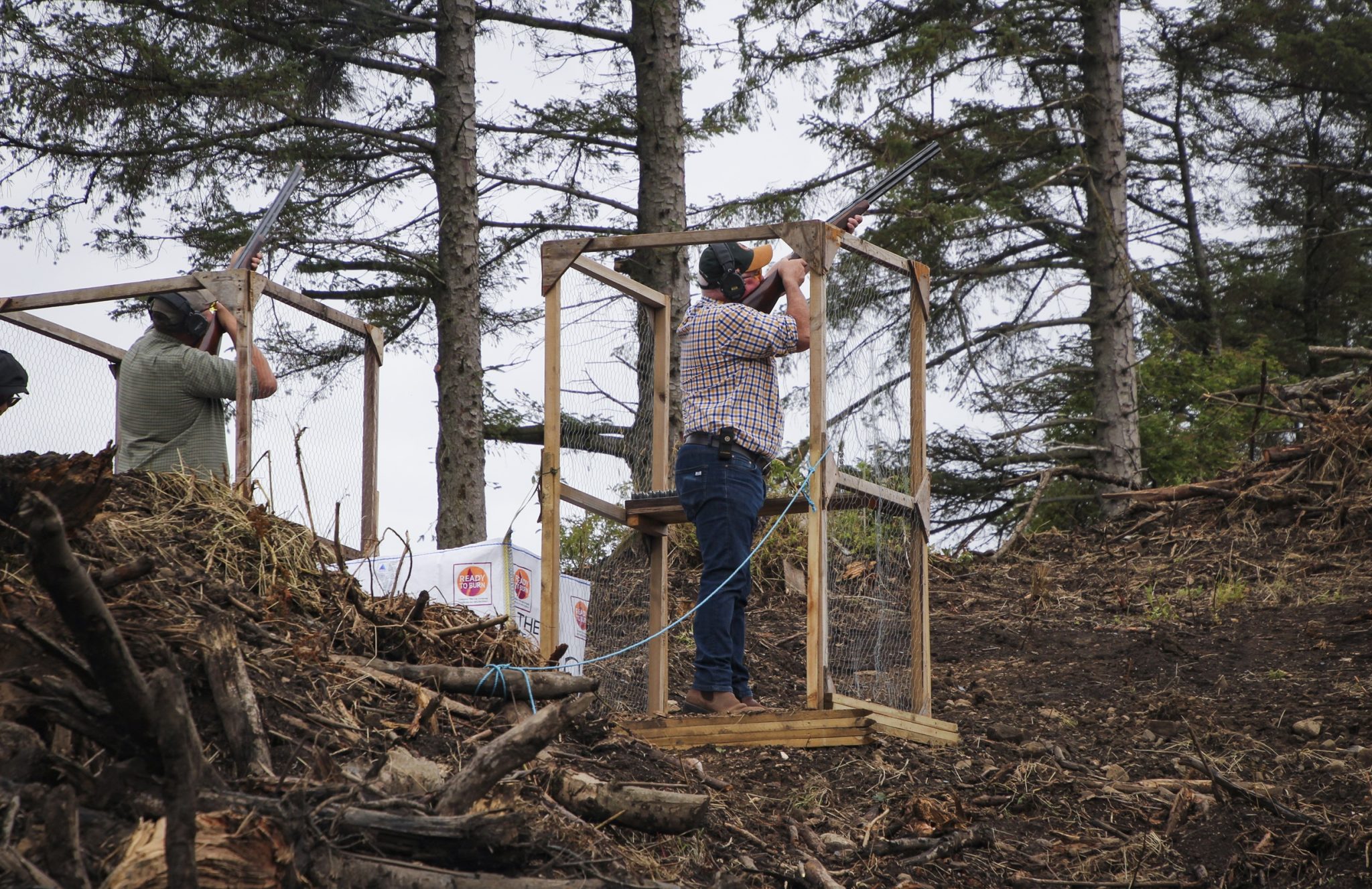
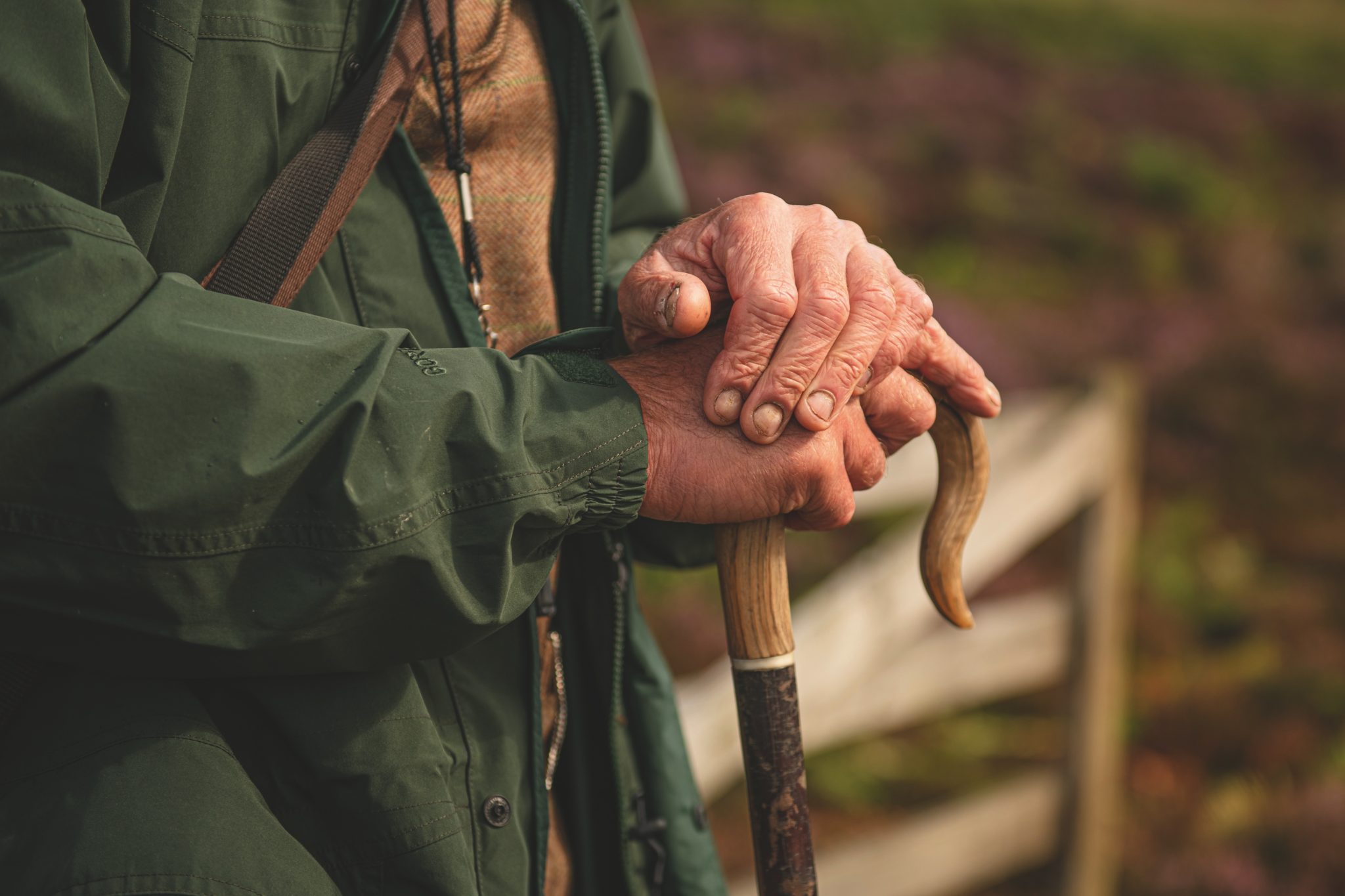 Photo credit: Duncan Ireland

Policy pressure builds across England and Wales
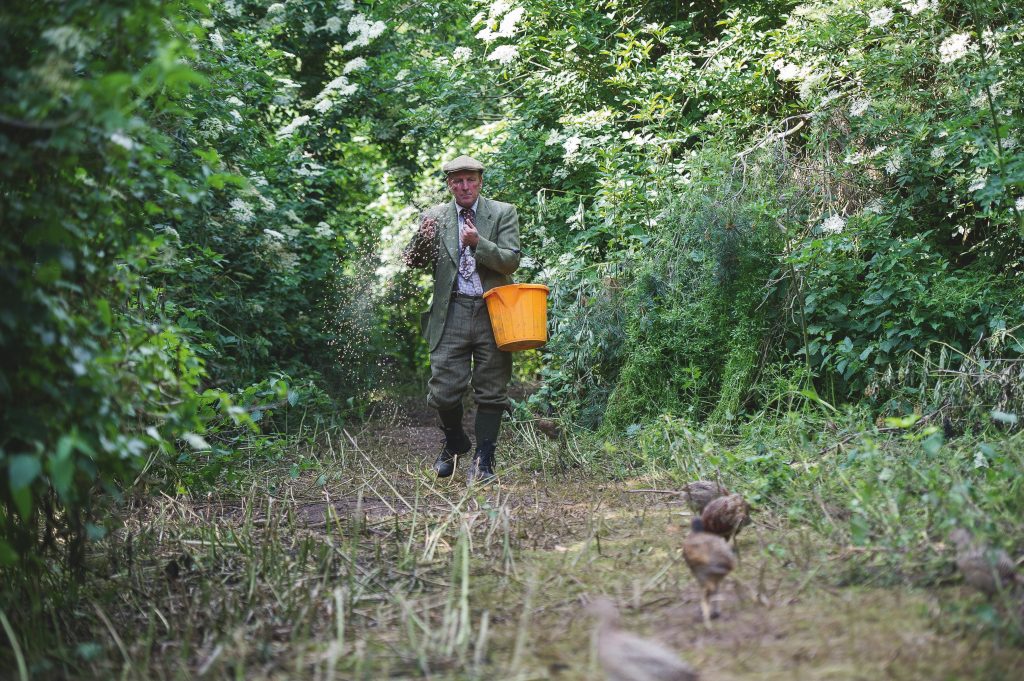
For one gamekeeper, losing his job would mean losing his home. His wife cannot work full hours without childcare they cannot afford. He has no qualifications outside gamekeeping. If shooting ended tomorrow, he could not raise a deposit on even the smallest house.
His is one of hundreds of responses gathered by the National Gamekeepers’ Organisation in a survey of keepers, deer managers and stalkers across England and Wales – responses that form the backbone of a ministerial briefing sent to 195 MPs from rural constituencies today (30 March), warning that the profession is “under siege from all sides”.
The briefing, written by NGO director of policy Tim Weston, arrived on MPs’ desks mere days after the Government added further pressure to an already strained community. On 17 March, the Welsh Government began an inquiry into gamebird release in Wales, seeking evidence on its environmental impacts and moving towards policy-making. The following day, Defra signalled within England’s first Land Use Framework that it intends to explore wider licensing of recreational gamebird shooting and release.
.
Collapse of GL45 and mounting frustration
Both policy proposals came on top of the continuing collapse of the GL45 general licence system, which previously allowed pheasants and red-legged partridges to be released within 500 metres of a Special Protection Area without individual application. Following legal pressure from anti-shooting organisations, that system has been gradually dismantled since 2023.
For many keepers, the GL45 story is part of a pattern they have grown tired of. “Keepers are undervalued by the general public due to misinformation from activists and media bias. Anti-shooting groups are trying to remove keepers from the rural landscape,” wrote one survey respondent. “It’s about time that MPs of all parties and the British electorate were made aware of the truth about modern gamekeepers and gamekeeping roles instead of the systematic lies, misinformation and hate,” wrote another.
Mr Weston told Shooting Times: “Rural communities are being squeezed by policies that chip away at our way of life. Licensing gamebird releases may look technical on paper, but on the ground it feels like history repeating itself – a modern echo of the Highland Clearances, where those closest to the land are the ones paying the price.”
.
A way of life under threat
For many, the stakes are especially high because gamekeeping is not simply a job. “I’m a fifth generation gamekeeper, my two boys are gamekeepers, my daughter went to college and did a game and wildlife course,” wrote one respondent. “My brother is a retired gamekeeper. So you can say gamekeeping is a way of life for us.” Nearly half of survey respondents live in tied accommodation, and of those, more than a third said they would have to leave their home if their employment ended.
But the effects of a shoot closing reach well beyond the keeper and his family. “It would affect the local B&B, shops, restaurants – our community as a whole would be affected and wouldn’t recover,” said one respondent. “The local businesses rely on the seasonal trade that shoots bring in. Not to mention farmers, who rely on the extra income from rent paid by shoots.”
.
Unseen role in rural communities
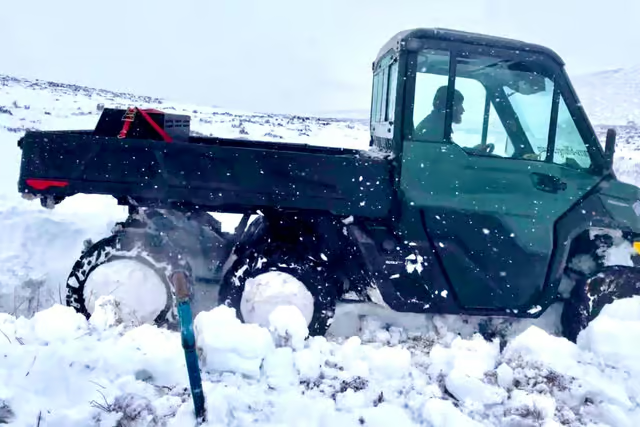
What is less visible to those outside the countryside is the range of unpaid work keepers take on as a matter of course: clearing roads after snowfall, helping neighbours with fallen trees and blocked lanes, dealing with fly-tipping, assisting farmers in emergencies and responding to wildfires. For many rural communities, the gamekeeper is an uncosted public service.
That quiet contribution extends to conservation. Gamekeepers manage around 65% of conservation-designated sites across England, Scotland and Wales, according to a survey carried out jointly by the NGO and the Scottish Gamekeepers’ Association and independently analysed by GWCT. Professor Nick Sotherton of the GWCT is quoted in the briefing as saying wildlife and landscapes would be “much the poorer” without the involvement of gamekeepers. One keeper put it plainly: “We have nearly 20 hectares of wild bird seed and bumblebee plots which have massive benefits for the environment. Those wouldn’t be there if it weren’t for the shoot. They would just be in arable.”
The NGO argues that this privately funded conservation work is precisely what new licensing would put at risk, as well as the sector’s £3.3 billion annual contribution to the UK economy. Game shooting in England and Wales is already governed by legislation stretching back nearly 200 years, it points out, and what is missing is not new law but the will to enforce the powers already on the statute book. Further licensing, the briefing warns, would drive marginal shoots to close and put gamekeeper families out of their homes.
In the briefing, Mr Weston asks rural MPs to meet local gamekeepers, write to the Secretary of State for Environment, Food and Rural Affairs requesting formal consultation before any licensing framework advances, and reject proposals to license gamebird release in England.
.
Call for recognition and support
“Your constituents include gamekeepers,” Mr Weston concludes. “They live in tied cottages on estates in your constituency. Their children attend local schools. Their partners work locally. They clear the roads after snowfall, help farmers in emergencies and quietly fund the conservation of the countryside your constituents walk, enjoy and depend upon. They are asking for your help.”
He added: “The NGO is not asking for special treatment. We are asking for gamekeepers to be treated with the same respect and consideration afforded to any other skilled worker whose livelihood is affected by government policy.”
.
Government response
Approached for comment, Defra said it “fully recognises the cultural importance of the recreational shooting sector and the role it plays in the rural economy”, adding that the Government would “continue to work with industry to ensure a sustainable, mutually beneficial relationship between recreational gamebird shooting and conservation”.
The department did not answer questions put to it about how many ministers or senior officials had visited a shoot or met with gamekeepers, nor whether any socioeconomic impact assessments had been run to determine potential policy impacts on gamekeepers and the communities dependent on them.
The Welsh Government, meanwhile, directed Shooting Times to a written statement published by Deputy First Minister Huw Irranca-Davies on 17 March, which Shooting Times reported at the time.
Do you have a news story to share?
Contact our group news editor Hollis Butler at hollis.butler@twsgroup.com. We aim to respond to all genuine news tips and respect source confidentiality.
Stay in the loop with the latest fieldsports news
Don’t miss a story – get shooting news straight to your inbox or phone. Join our newsletter and WhatsApp channel.
Related Articles
News
Election upheavals and what they mean for shooting
Conor O’Gorman recaps on manifestos made by the biggest parties in Wales and Scotland as the new devolved governments take shape.
By BASC
News
Barden Charity Shoot issues final call for teams
A long-standing charity clay shoot needs more teams to enter or risk not going ahead for the first time in 18 years.
By Ollie Harvey
Get the latest news delivered direct to your door
Subscribe to Shooting Times & Country
Discover the ultimate companion for fieldsports enthusiasts with Shooting Times & Country Magazine, the UK’s leading weekly publication that has been at the forefront of shooting culture since 1882. Subscribers gain access to expert tips, comprehensive gear reviews, seasonal advice and a vibrant community of like-minded shooters.
Save on shop price when you subscribe with weekly issues featuring in-depth articles on gundog training, exclusive member offers and access to the digital back issue library. A Shooting Times & Country subscription is more than a magazine, don’t just read about the countryside; immerse yourself in its most authoritative and engaging publication.